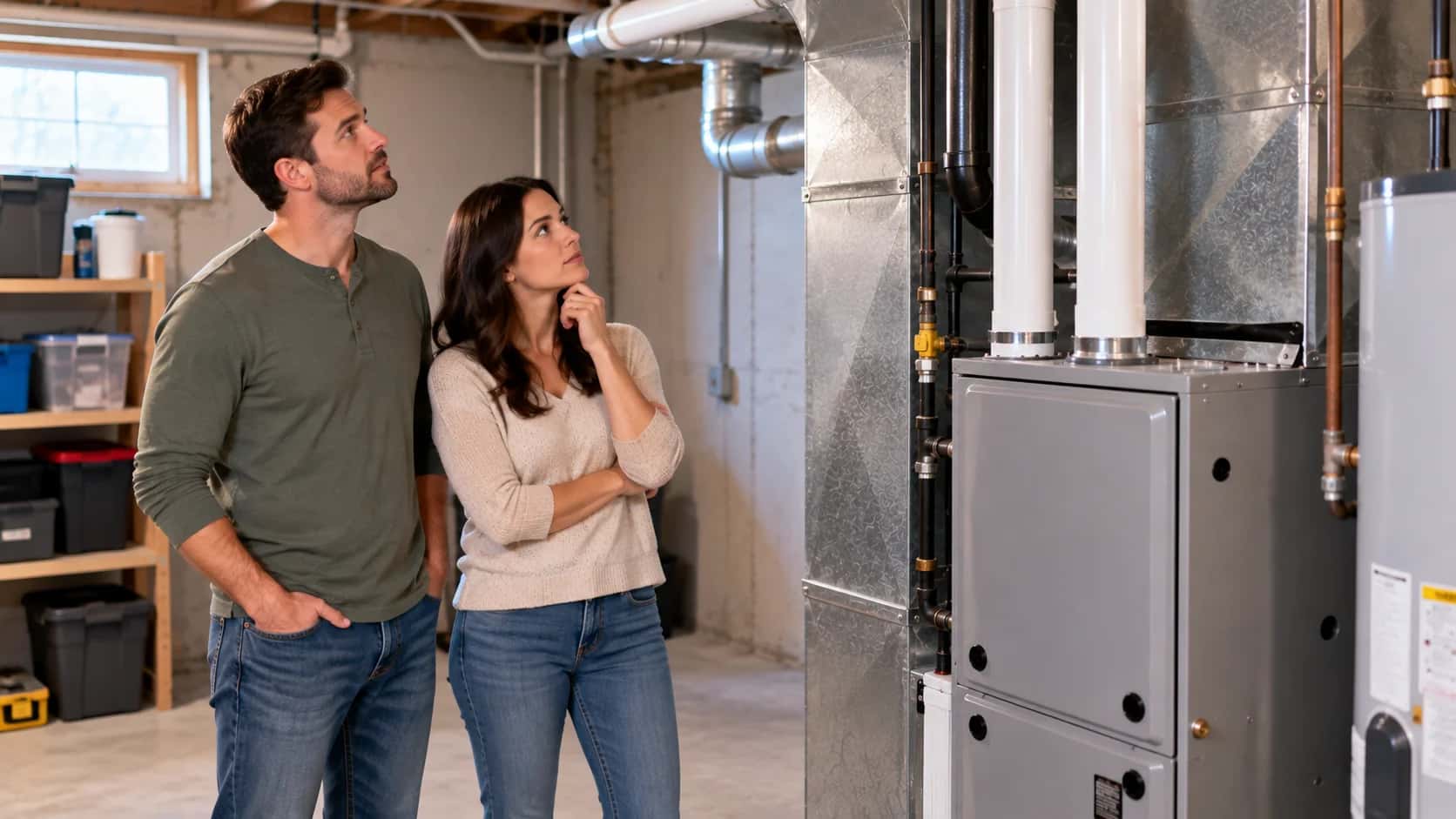
There is a point where this afternoon stops being maintenance and starts being a delaying tactic, and it is worth checking before you start rather than after.
Find the rating plate on the side of the tank and read the serial number. Every manufacturer encodes the build date differently, so you need your own brand's key. Bradford White's is one of the simpler ones: the first two characters of the serial number give the year and month of manufacture, running through a letter table where, for instance, S is 2018, T is 2019, W is 2020, and Y is 2022. Rheem publishes a lookup tool instead of a table. A. O. Smith uses the first digits of the serial number for the date.
Once you know the age, the decision gets simpler. A tank in its first decade is worth maintaining, and maintaining it is often a warranty condition rather than a nicety — GSW's manual states that the heater is warranted only when installed, operated, and maintained according to its printed instructions, and warns specifically that operating without a functioning anode rod will void any warranty. If you have never checked the rod on a six-year-old tank, that is a reason to do it today, not a reason to skip it.
But if the tank is past twelve or fifteen years, already weeping at a seam, or the anode came out looking like a bare wire on a unit that also has rust-coloured water, you are maintaining an appliance that is telling you it is finished. Spend the Saturday getting quotes instead. And if you are in that position and someone shows up unannounced offering to inspect or replace it, be careful — Consumer Protection Ontario's guidance on door-to-door sales of water heaters is worth reading first, and it is unambiguous that you should not rely on a salesperson's opinion that your water heater is unsafe.
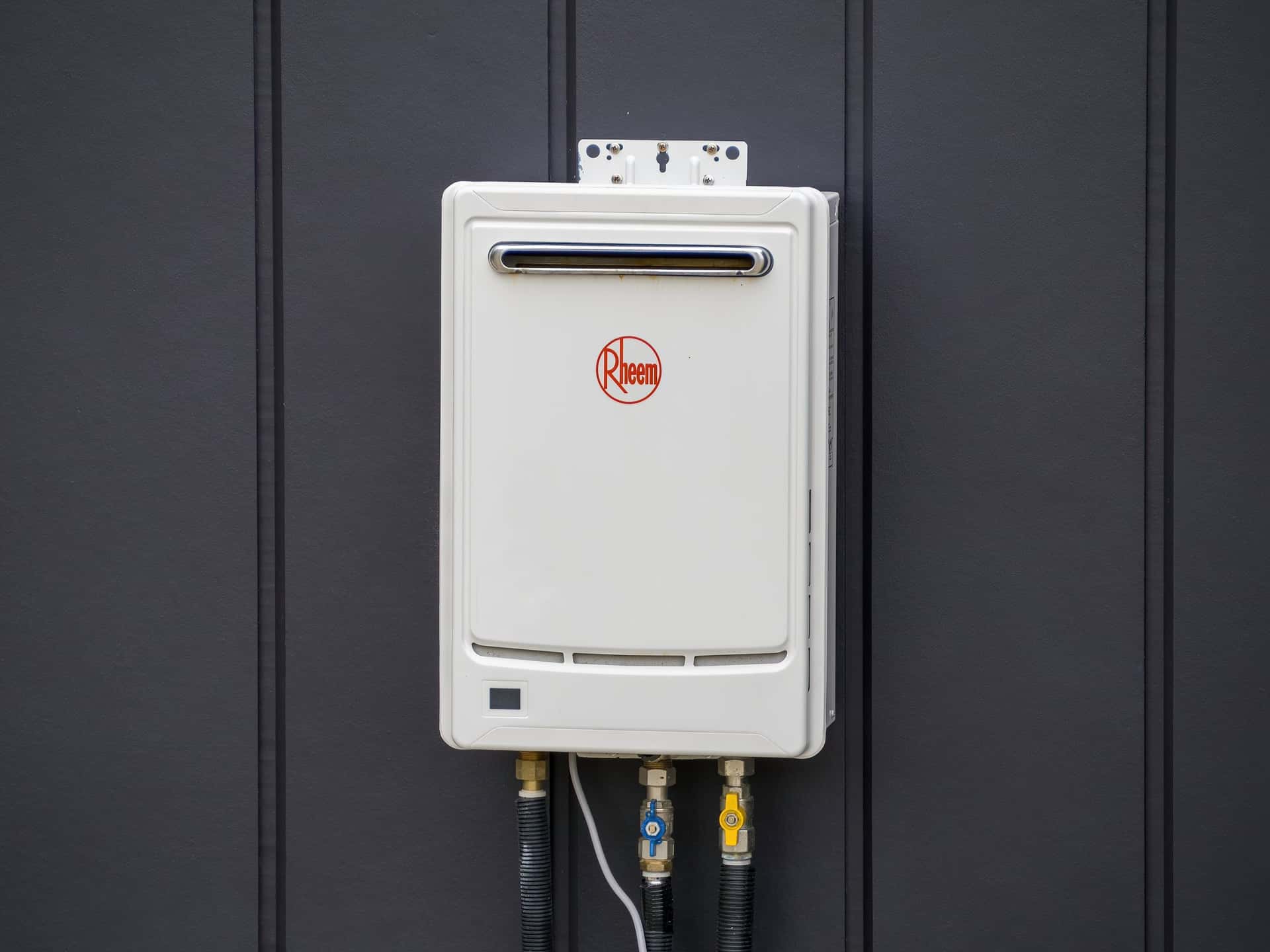
That is also the moment to ask whether a tank is still the right answer for your house at all, rather than defaulting to another one — tankless comes with its own Canadian trade-offs around sizing, venting and cold incoming water.
The quiet reward for doing this well is that nothing happens. No rumble, no lukewarm showers in February, no puddle. You will have spent an afternoon and about thirty dollars, and bought yourself years of not thinking about the thing in the corner of the basement. That is what good maintenance looks like — boring, and entirely on your terms.