What "finished" looks like
The end of a mouse problem is a set of observations, not a feeling. Because young mice mature on a two-to-three-week cycle, which is why Health Canada recommends resetting traps on that schedule, a quiet week is not enough. Before you seal the last interior openings, look for all four of these:
- No catches through at least one full two-to-three-week reset cycle after the last mouse.
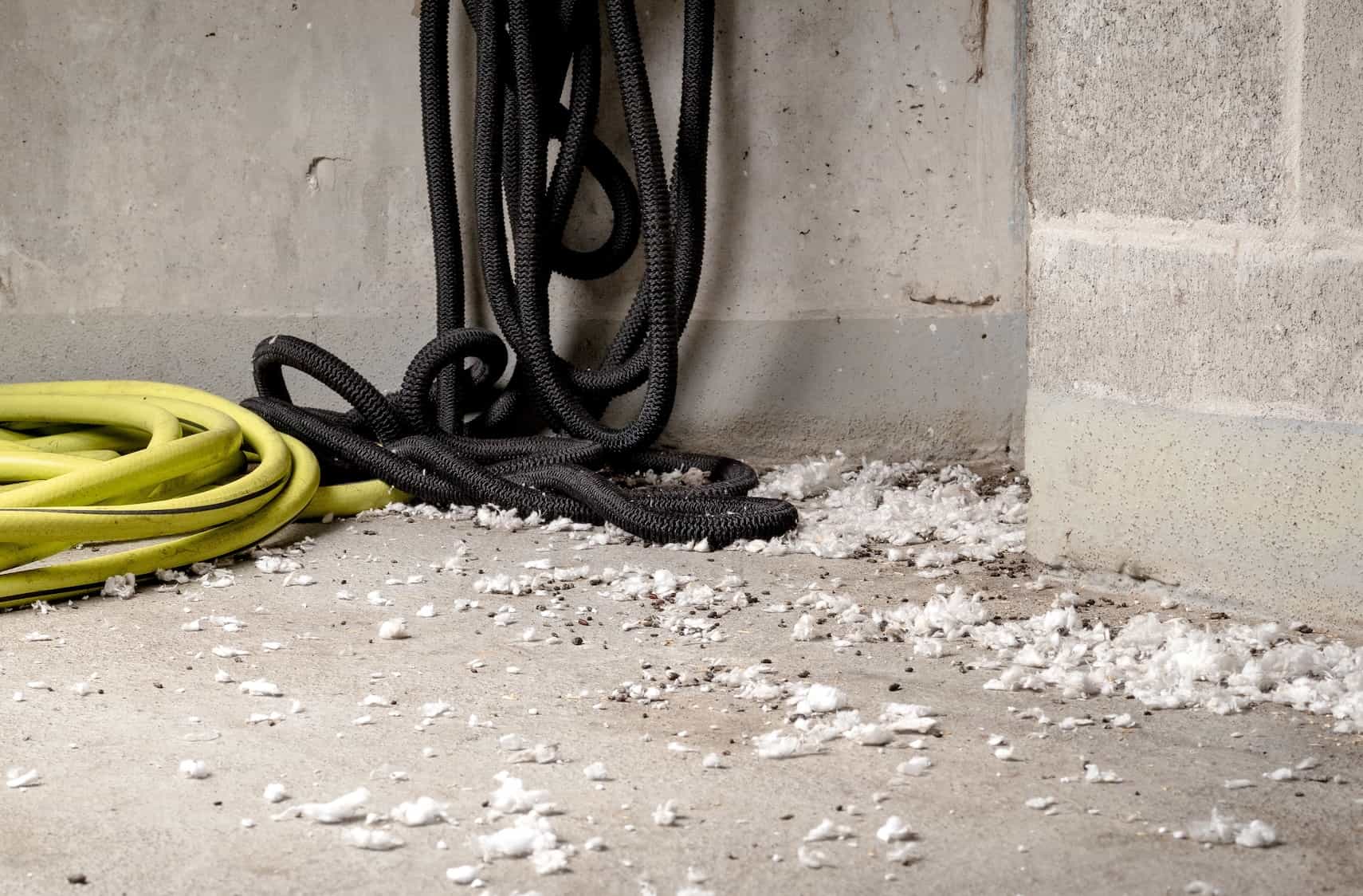
- No fresh droppings on surfaces you cleaned at the start.
- Undisturbed tracking patches on the runways you documented.
- No new gnaw marks and no scratching in walls or ceilings at night.
Once those hold, seal the remaining interior openings and leave two or three baited sentinel traps in low-traffic spots, such as the garage and the basement utility area, through the winter. Then make the exterior walk an annual fall habit. Any new penetration, whether from a new air conditioning line, a cable installation or a deck repair, is a new entry zone until it is sealed.
Escalation thresholds
Do-it-yourself control handles most house mouse problems. The skill is recognizing when yours is not one of them. Some triggers are clear-cut. The Canadian Centre for Occupational Health and Safety advises that if rodents may have access to heating and cooling ventilation systems, a professional rodent exterminating service or a qualified ventilation professional should be called.
Alberta deserves a specific note. The province asks residents to report suspected rats, and its Rat Control Program asks for the location and, if it is safe to take one, a photo. Of 458 reports in 2023, the province confirmed 23 as rats. The rest were mostly muskrats, gophers, ground squirrels, wood rats or mice. Reporting costs nothing, and it is how the province stays rat-free.
Hiring a professional who will actually fix it
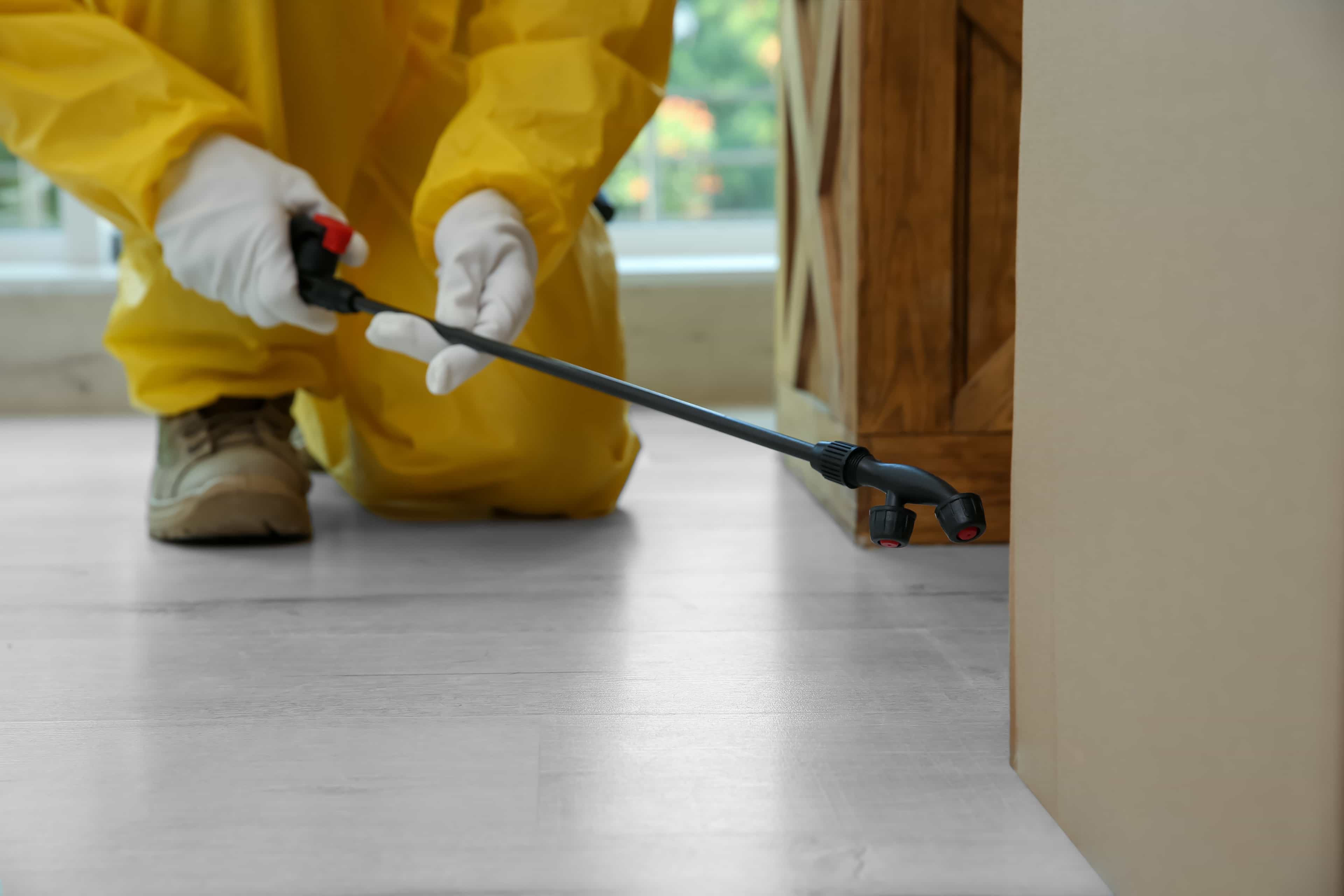
A good rodent professional sells an outcome, not a visit. Before you hire, confirm credentials. In Ontario, the provincial licensing framework requires a pesticide exterminator licence to apply pesticides commercially on property the applicator does not own, and an operator licence, with insurance, to run a pest control business. Operator licences issued since September 2018 can be looked up in the province's Access Environment tool. Other provinces license applicators under their own rules, so ask for the equivalent wherever you live.
Only certified operators, farmers and people in government-approved programs can use commercial-class rodenticides, which is part of what you are paying for. It is also why the plan deserves scrutiny. Ask these questions before you sign:
- Does the inspection include showing you the entry points, and are they documented?
- Is exclusion work included, quoted separately or not offered at all?
- Which traps or baits will be used, where, and under what label?
- How many follow-up visits are included, and what happens if activity continues?
- Is there a written warranty on exclusion work, and what does it exclude?
For a broader framework on when the do-it-yourself approach stops making sense, see our guide to professional pest control versus DIY.