Best Radon Test Kits for 2026: What Canadian Homeowners Need to Know
We compare the best radon test kits for Canadian homes, from long-term lab tests to smart monitors. Get top picks, placement advice, and tips aligned with Health Canada guidance.
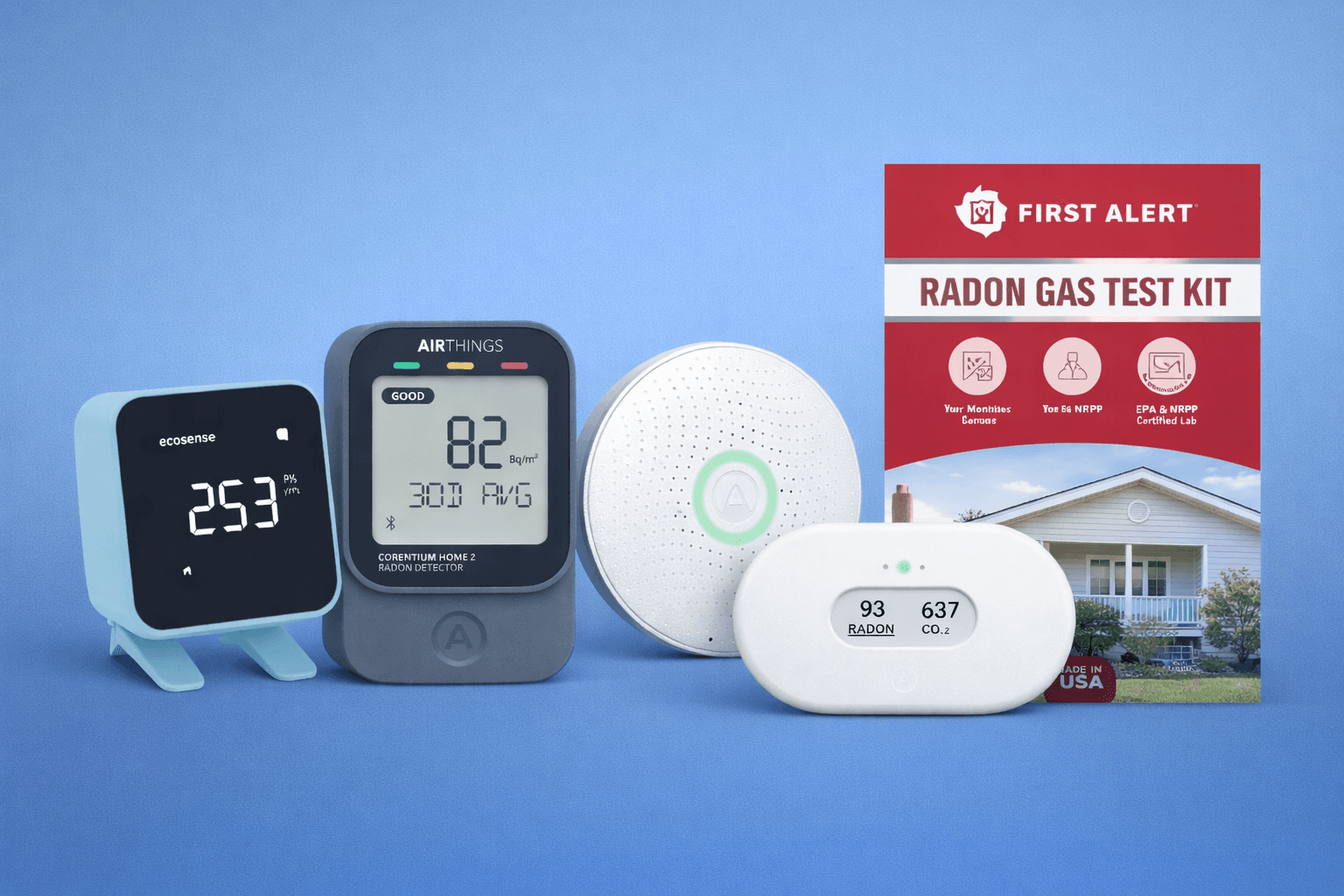
Credit: Homeowner.ca
Radon is invisible, odourless, and common across Canada, so the real question is not whether your postal code looks risky - it is whether your own home is above Health Canada's 200 Bq/m3 guideline. The mistake many buyers make is chasing the fastest reading or the cheapest gadget, when what actually matters is getting a number you can trust over the long term.
We evaluated 11 radon test products sold in Canada, including passive long-term kits, short-term mail-in kits, and continuous electronic monitors. Each product was scored on performance, ease of use, durability, features, and value, with extra weight given to C-NRPP certification, long-term suitability, and the true cost of ownership including lab fees, postage, batteries, warranty coverage, and repeat testing.
The result is a guide that separates decision-grade tools from convenience gadgets. Below, you'll find our best overall, best value, best premium, and specialty pick, plus practical advice on where to place a detector, how long to run it, and what to do if your home lands at or above 200 Bq/m3.
Our Top Picks: Radon Test Kits
Best Overall Pick
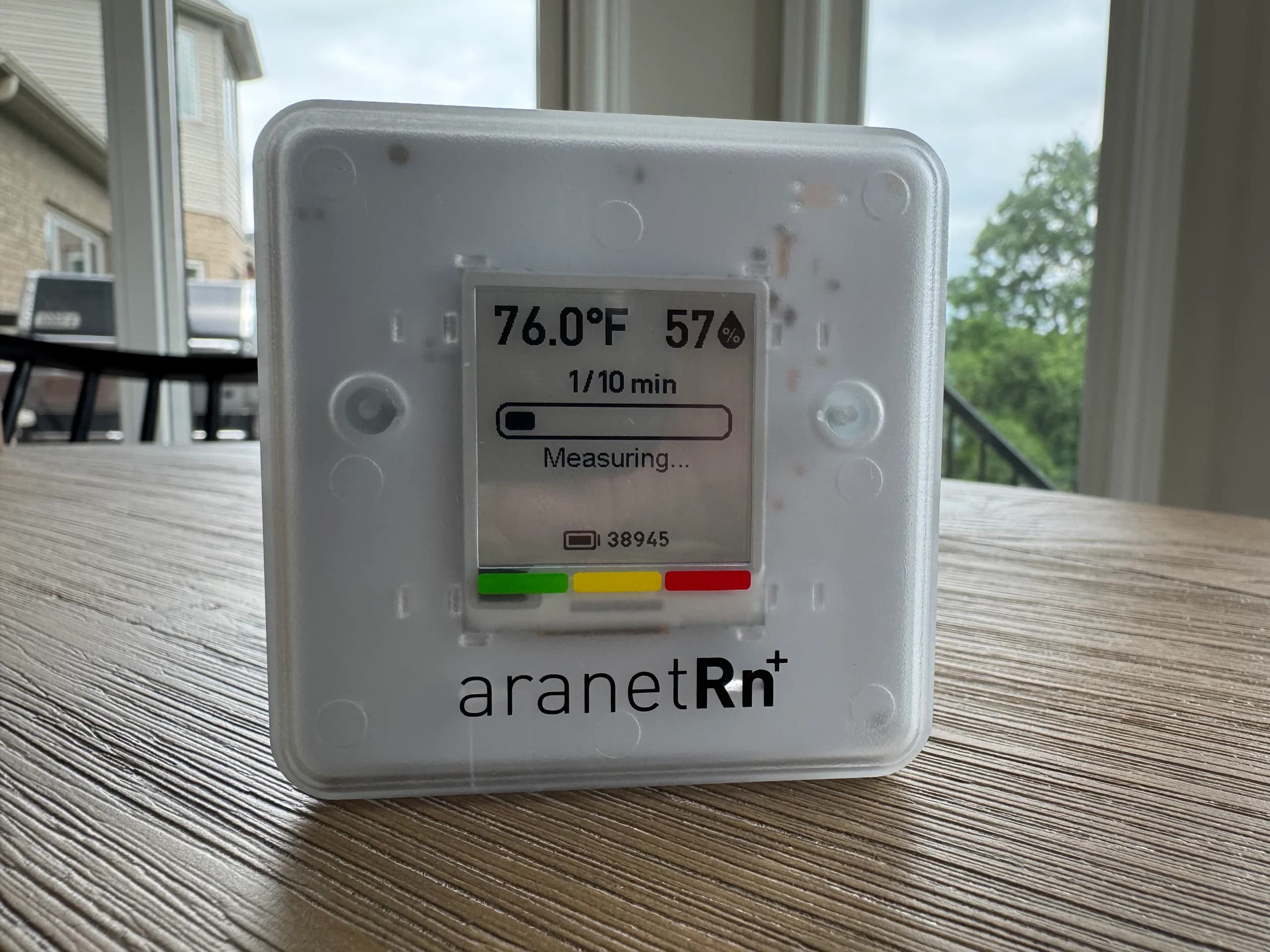
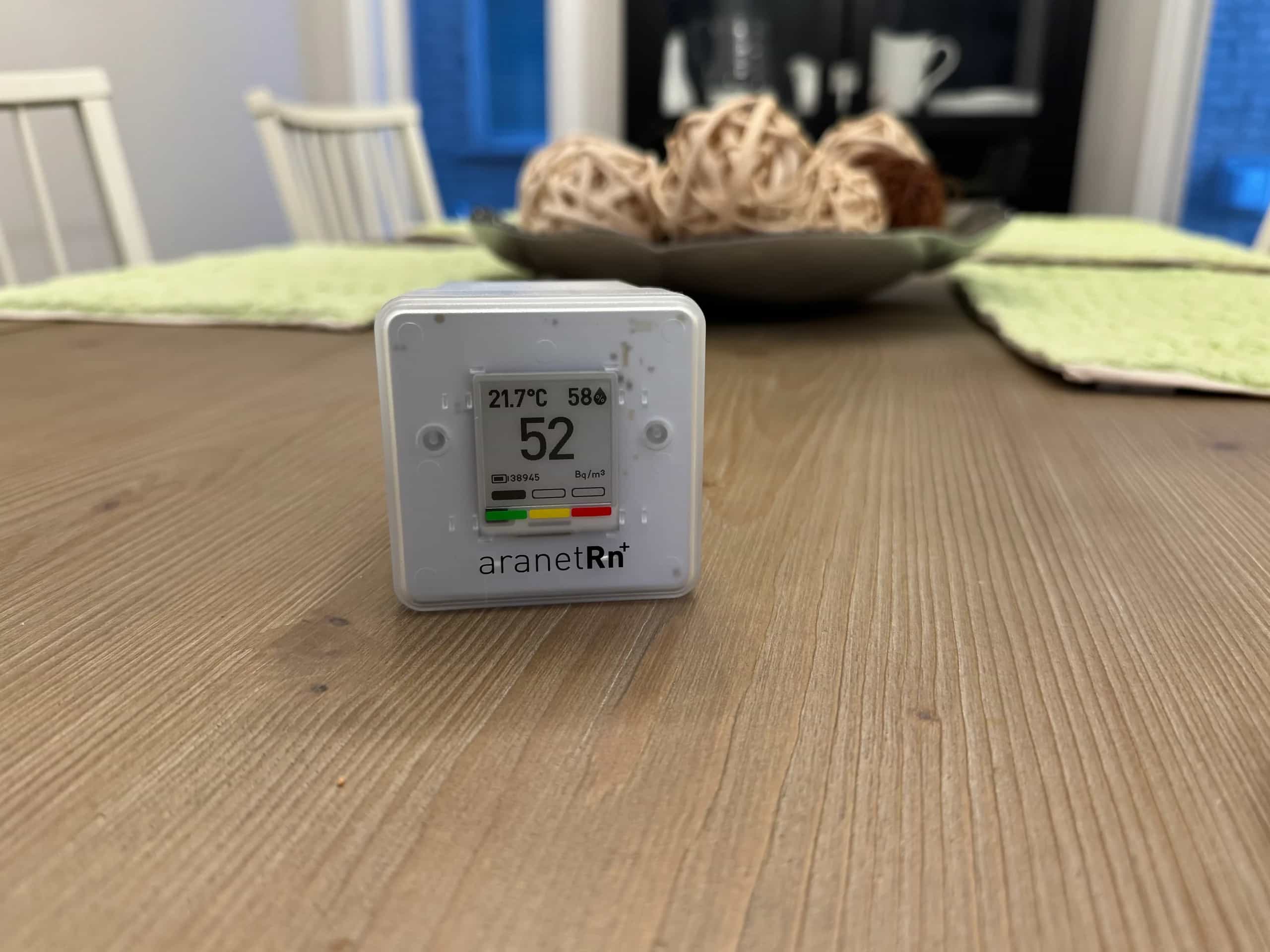
Aranet Rn+ Radon Detector
A rare certified electronic monitor that gives Canadian homeowners a trustworthy radon number without the hassle of lab fees, outlets, or constant battery changes.
Best Value Pick
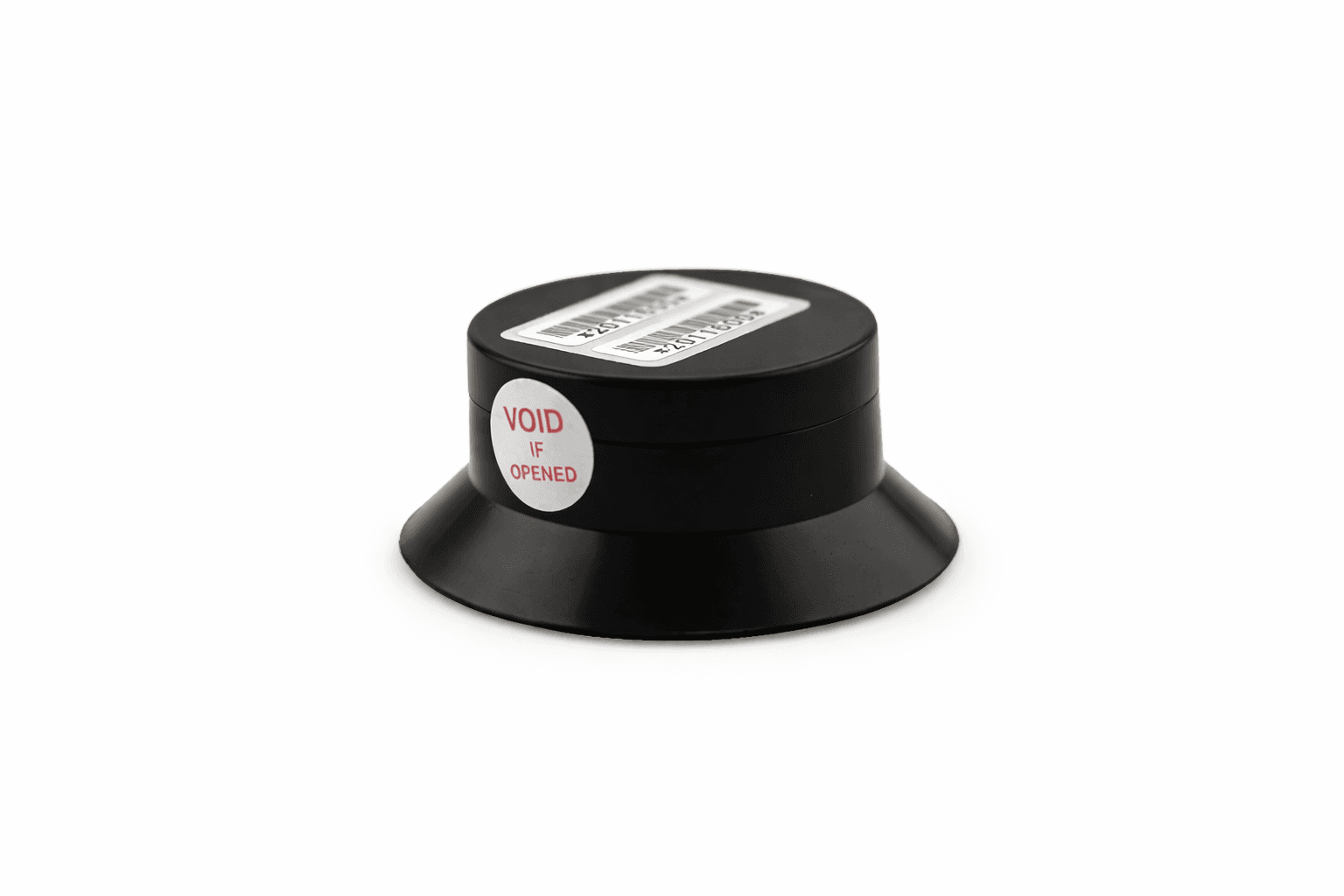
AccuStar Canada 1AT Alpha Track
If you want the cheapest trustworthy path to a Health Canada-style answer, this long-term alpha-track kit is the standout.
Best Premium Pick
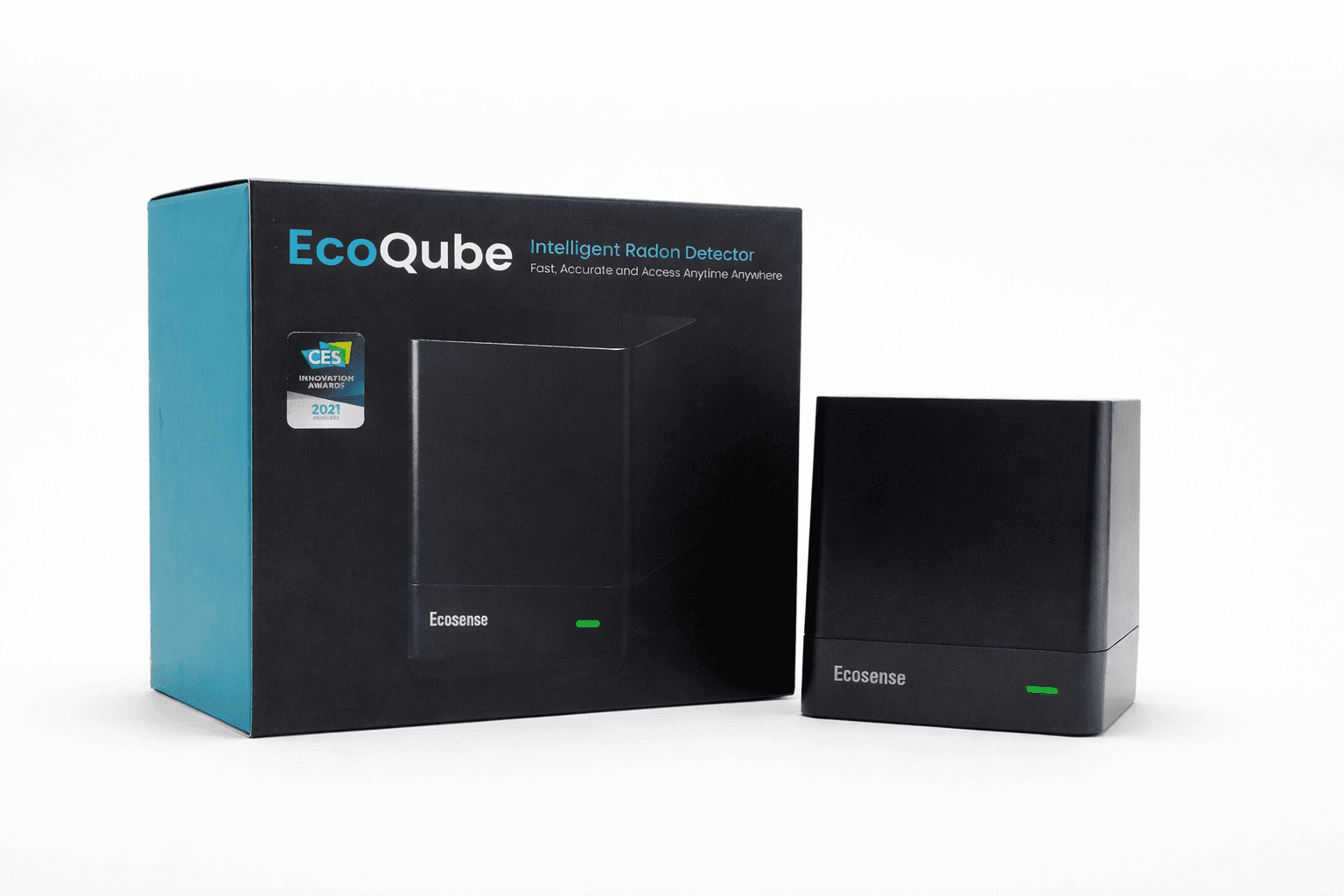
Ecosense EQ100 EcoQube
A fast, certified digital monitor that gives you near-immediate radon awareness and true remote tracking.
Best Fast-Reading Monitor Pick
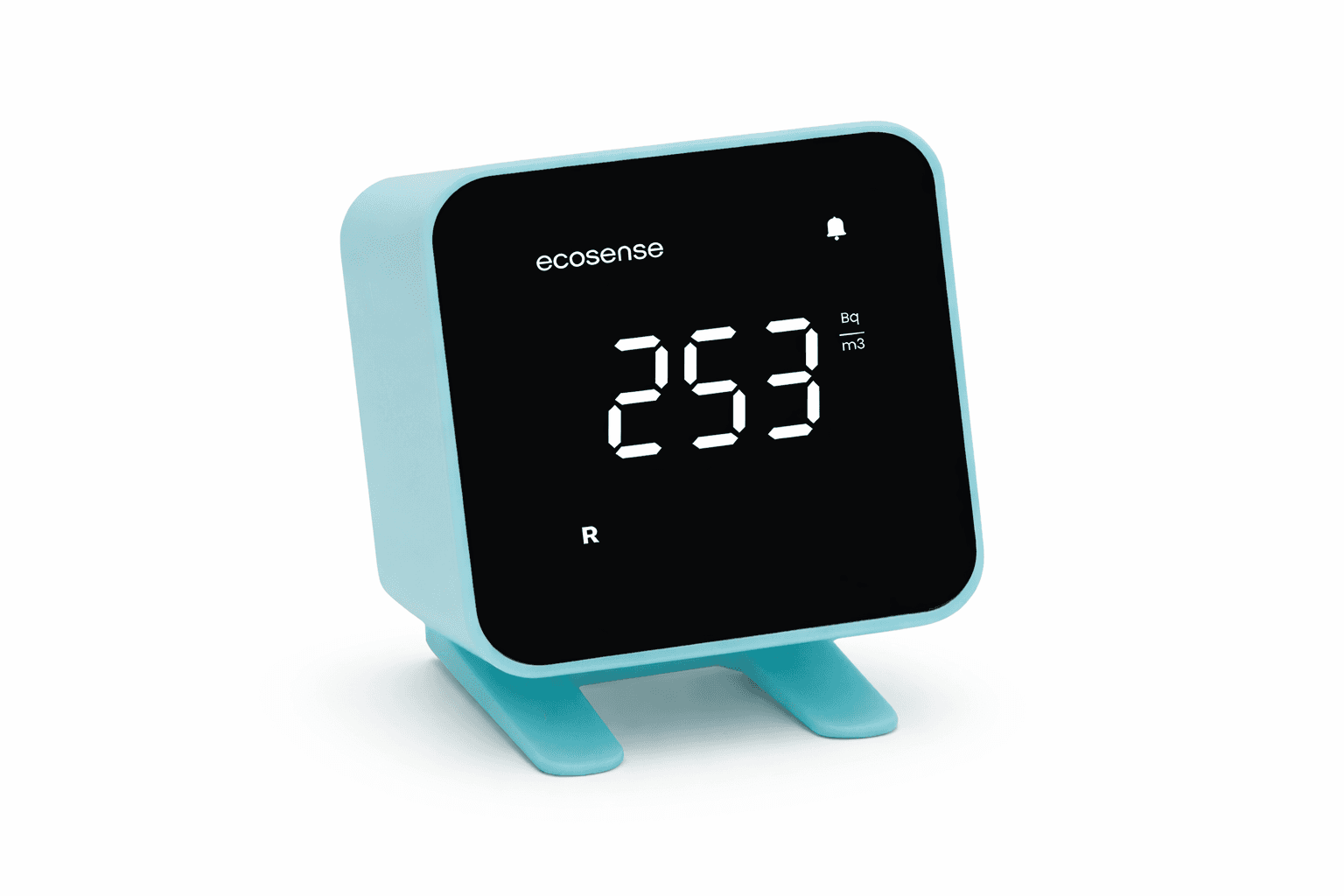
Ecosense EB100 EcoBlu
A low-cost Wi-Fi monitor that makes it easy to see radon swings without paying premium-monitor money.
How We Evaluated
We assessed these radon products through published specifications, certification status, warranty terms, known costs, and consumer research, using Canadian guidance as the benchmark. The central question was simple: how well does each product help a homeowner get a trustworthy radon answer, especially when comparing a long-term result with Health Canada's 200 Bq/m3 guideline? We strongly favoured C-NRPP-certified long-term kits and validated electronic monitors, and we treated short-term results as screening or follow-up tools rather than final mitigation verdicts.
Scoring Factors Explained
Compare Products
See how all 11 products stack up across 16 key specs — from Price to Product Type.
| Product | Aranet Rn+ Radon Detector Best Overall | 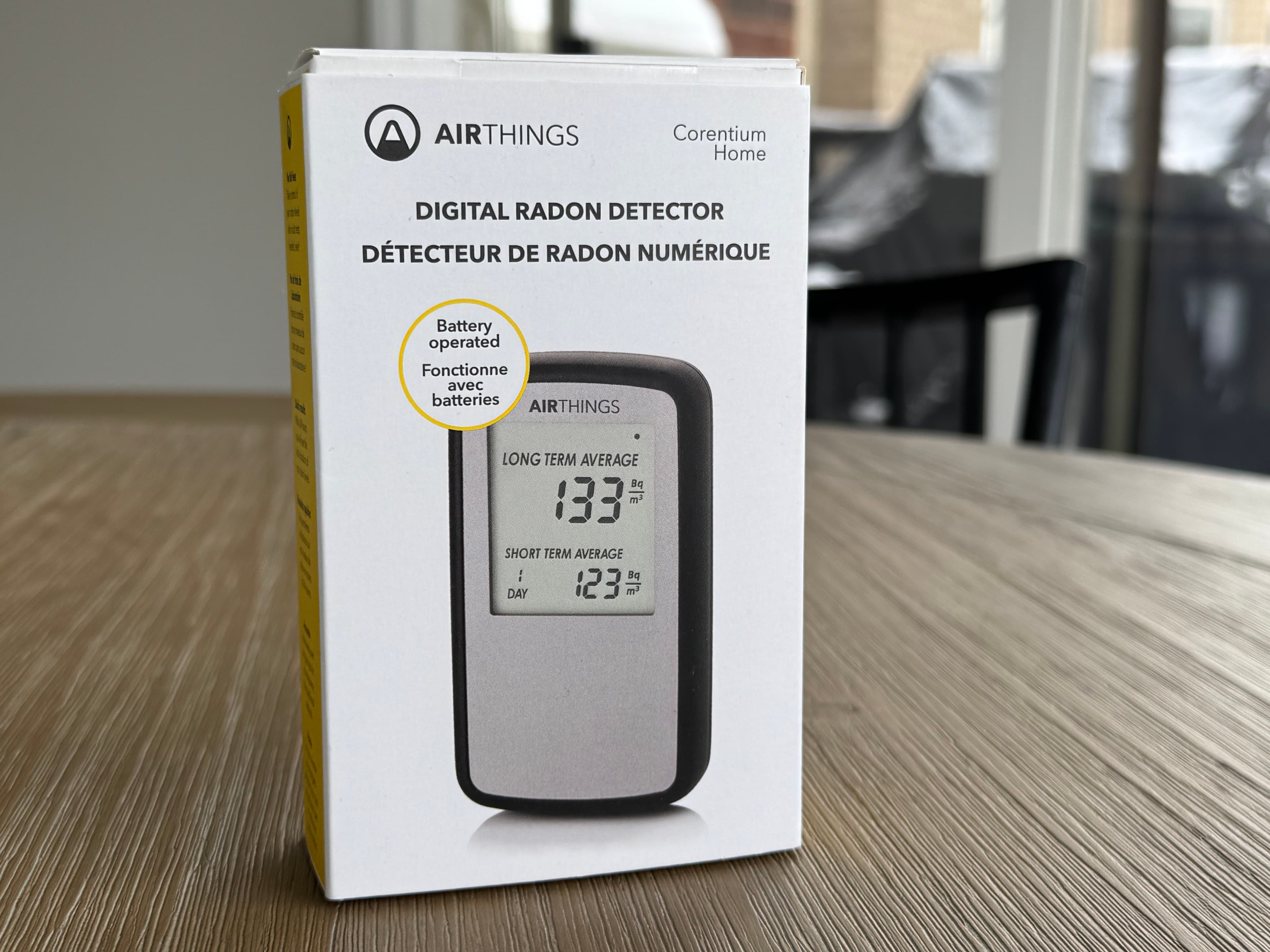 Airthings Corentium Home | AccuStar Canada 1AT Alpha Track Best Value | 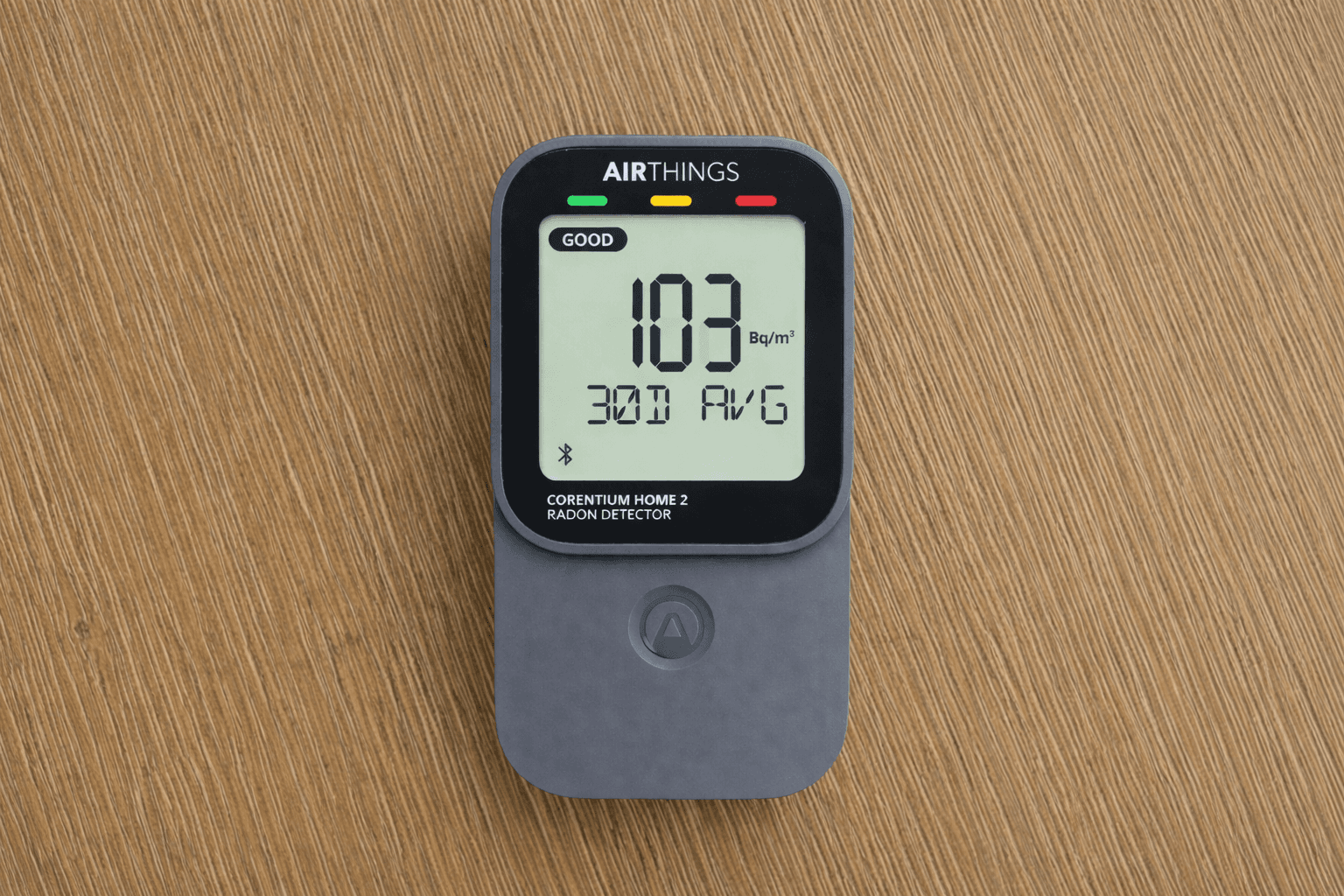 Airthings 325 Corentium Home 2 | 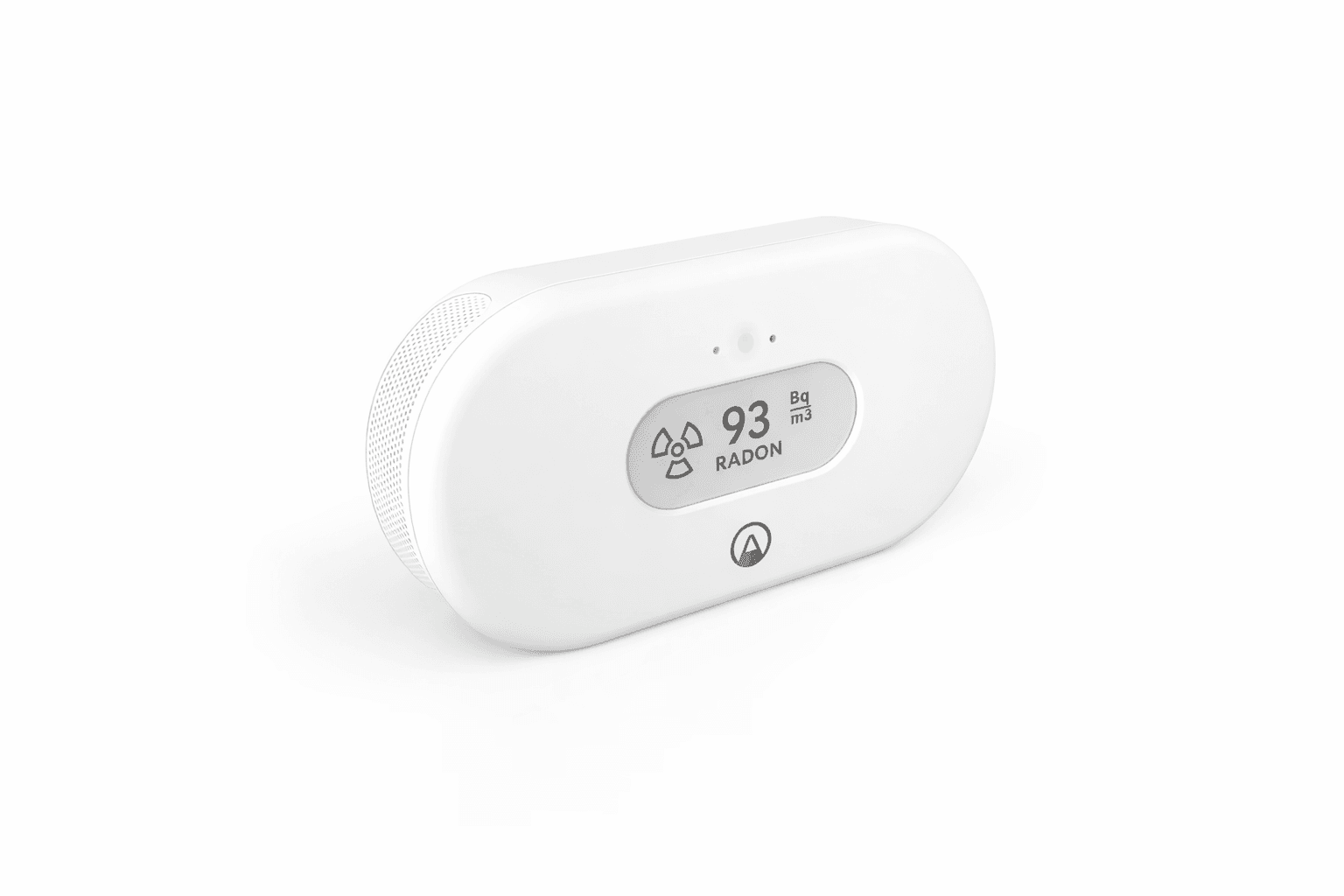 Airthings View Radon | Ecosense EQ100 EcoQube Best Premium | 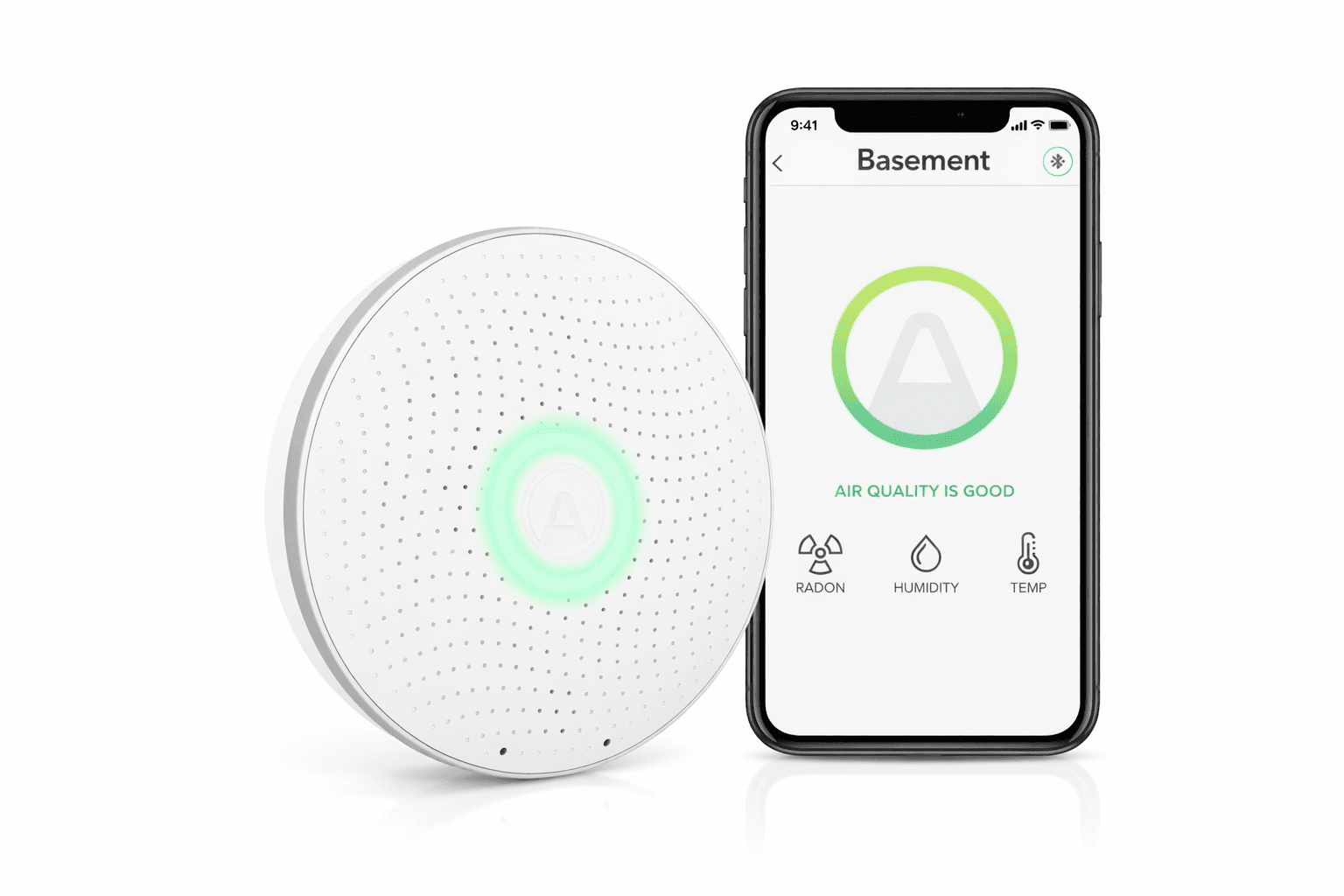 Airthings Wave Plus | Ecosense EB100 EcoBlu Best Fast-Reading Monitor | 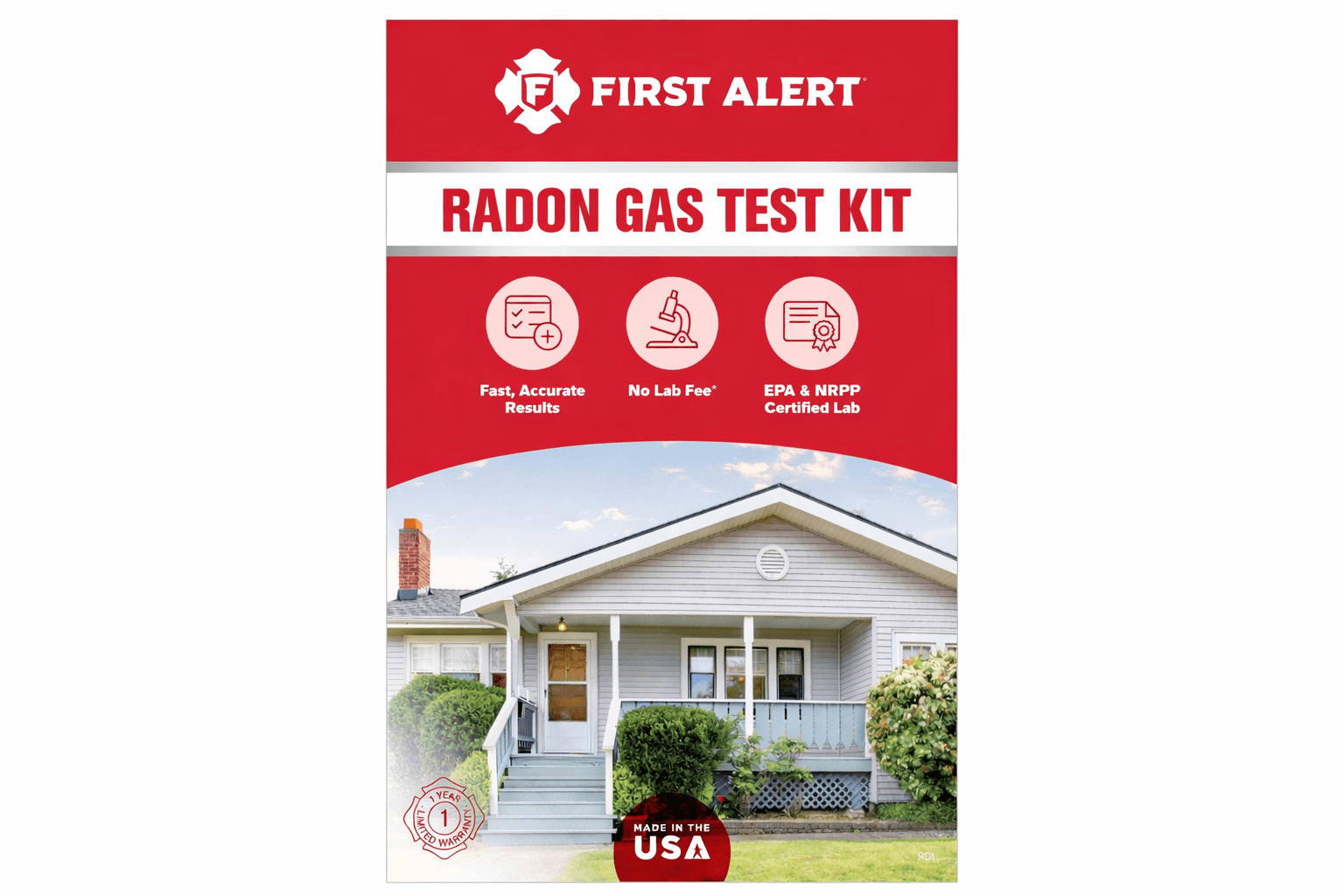 First Alert RD1 Radon Gas Test Kit | 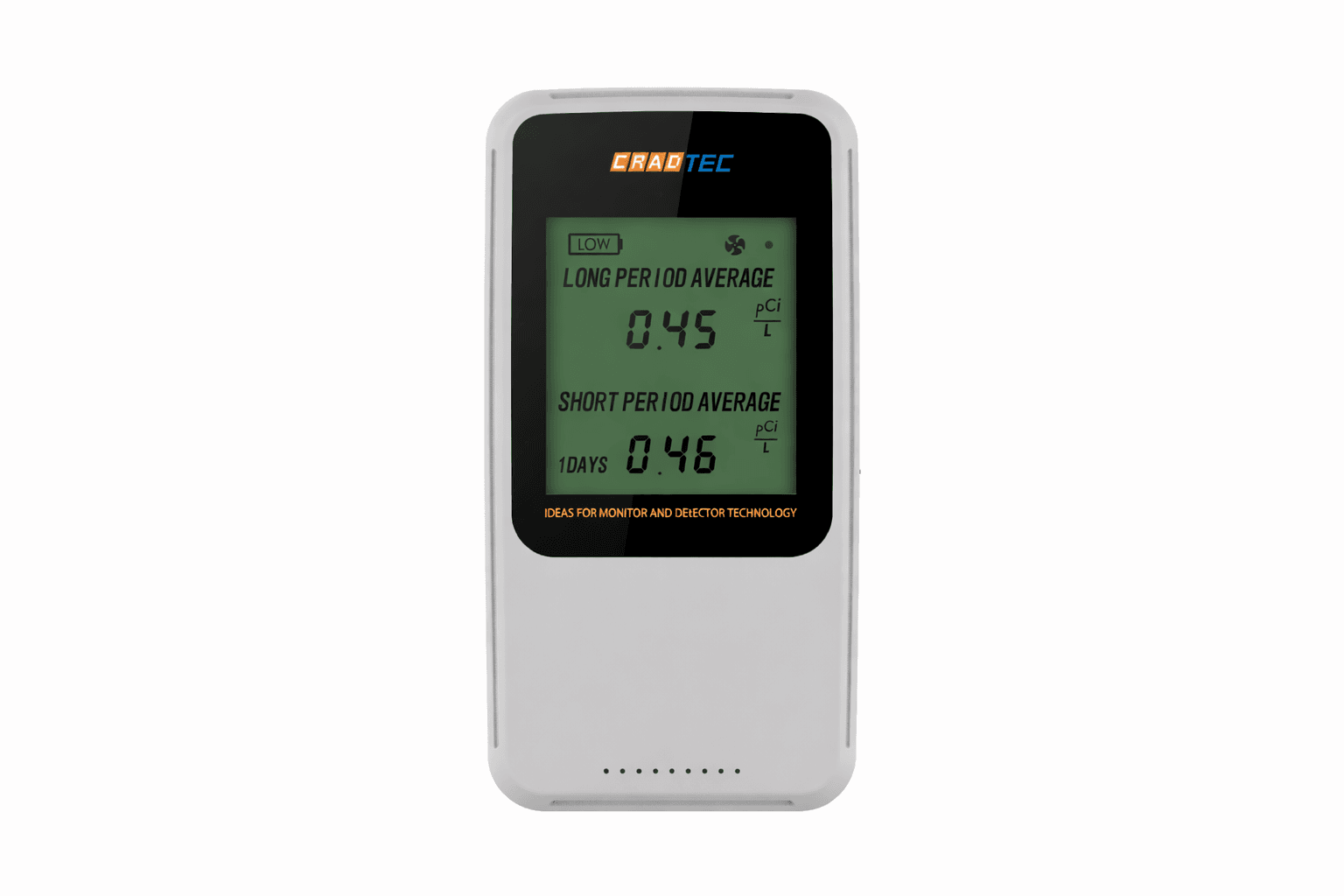 Digital Radon Detector III | 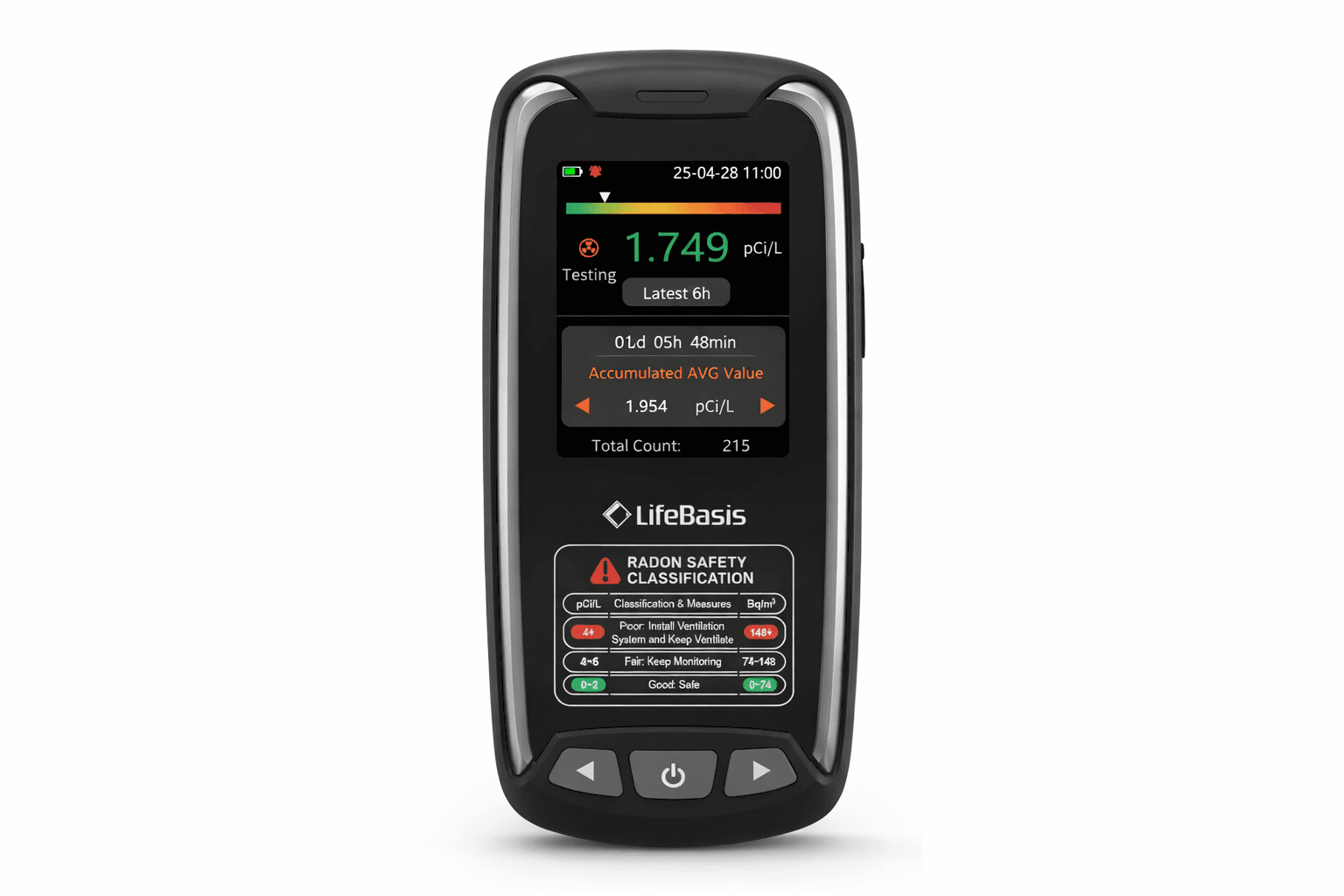 LifeBasis (TFT Colour) |
|---|---|---|---|---|---|---|---|---|---|---|---|
| Where to Buy | |||||||||||
| Score | 8.7 | 8.0 | 7.7 | 7.7 | 7.6 | 7.5 | 7.5 | 6.6 | 5.8 | 5.6 | 3.6 |
| Price | $264.00 | $176.38 | $48.50 | $249.99 | $249.99 | $203.00 | $299.99 | $117.00 | $47.38 | $73.50 | $109.99 |
| Manufacturer Warranty | 2 year + 1 year (expandable) | 1 year standard; optional 5-year extended with registration | 30-day return/replacement | 1 year standard; optional 5-year extended warranty with registration within 30 days of purchase | 2-year warranty | 3 months | 1 year standard | 1 year; 1-year extension with registration (2 years total) | 1 year limited | 1 year | 1 year |
| Product Type | Digital Monitor | Digital Monitor | Passive Test Kit | Digital Monitor | Digital Monitor | Digital Monitor | Digital Monitor | Digital Monitor | Passive Test Kit | Digital Monitor | Digital Monitor |
| Result Delivery Method | On Device, Mobile App | On Device | Lab Report | On Device, Mobile App | On Device, Mobile App | On Device, Mobile App | On Device, Mobile App | On Device | Lab Report | On Device | On Device |
| Minimum Test Duration | 48 Hours, 7 Days, 90 Days | 48 Hours | 90 Days | 48 Hours | 48 Hours | 48 Hours | 7 Days | 48 Hours | 48 Hours | 48 Hours | 48 Hours |
| Radon Sampling Method | Active Continuous Monitor | Passive Diffusion Chamber | Alpha Track Detector | Passive Diffusion Chamber | Passive Diffusion Chamber | Active Continuous Monitor | Passive Diffusion Chamber | Active Continuous Monitor | Charcoal Canister | Active Continuous Monitor | Passive Diffusion Chamber |
| Detection Method | Ionization Chamber | Alpha Spectrometry | Alpha Spectrometry | Alpha Spectrometry | Alpha Spectrometry | Ionization Chamber | Alpha Spectrometry | Ionization Chamber | Gamma Spectrometry | Ionization Chamber | Solid State Sensor |
| CNRPP Certified | |||||||||||
| Battery Life Months | 84 months | 24 months | — | 24 months | 36 months | — | 18 months | — | — | 12 months | — |
| Additional Sensors | Temperature, Humidity, Barometric Pressure | — | — | Temperature, Humidity | Temperature, Humidity | — | Temperature, Humidity, CO2, VOCs, Barometric Pressure | — | — | — | — |
| Connectivity Type | Bluetooth | None | None | Bluetooth | Wifi | Wifi | Bluetooth | Wifi | None | None | None |
| Result Turnaround Days | 0 days | 0 days | 14 days | 0 days | 0 days | 0 days | 0 days | 0 days | 3 days | 0 days | 0 days |
| Bundled With App | |||||||||||
| Measurement Range | Extended Residential | Extended Residential | Standard Residential | Standard Residential | Standard Residential | Extended Residential | Standard Residential | Extended Residential | Standard Residential | Extended Residential | Extended Residential |
| Recalibration Supported | — | — | — | ||||||||
| Result Type | Instant Reading, Rolling Average | Short & Long Term Averages | Long Term Average | Short & Long Term Averages | Short & Long Term Averages | Short & Long Term Averages | Short & Long Term Averages | Short & Long Term Averages | Instant Reading | Short & Long Term Averages | Short & Long Term Averages |
Product Reviews
Aranet Rn+ Radon Detector
"A rare certified electronic monitor that gives Canadian homeowners a trustworthy radon number without the hassle of lab fees, outlets, or constant battery changes."
The Aranet Rn+ is the most complete radon-first monitor in this group. It combines C-NRPP certification, fast continuous readings, an excellent on-device display, and unusually long battery life, so it works equally well for a first serious assessment and long-term follow-up after mitigation.
Best For
Homeowners who want a certified, reusable monitor for serious long-term radon tracking before and after mitigation.
The Pros
- C-NRPP certified for Canadian residential use
- Fast continuous readings plus strong long-term averaging
- Up to about 7 years of battery life with no subscription or lab fees
- Excellent E-Ink display and one of the best companion apps in the category
The Cons
- High upfront price compared with passive long-term kits
- Bluetooth range is less convenient than native Wi-Fi for whole-home remote access
- No CO2 or VOC sensing if you want a broader indoor air monitor
Watchouts
- Use the long-term average, not the first reading, when comparing your home against Health Canada's 200 Bq/m3 guideline.
- Bluetooth works best when you are in the same room or nearby, so it is not the most hands-off remote monitor.
- If you want cloud access from outside the home at all times, a Wi-Fi model will be more convenient.
Airthings Corentium Home
"The simplest certified digital radon monitor here - just add batteries, place it on the lowest lived-in level, and let it build a trustworthy long-term average."
The original Corentium Home still makes a strong case for buyers who want accuracy without app clutter. It is one of the easiest ways to keep an eye on radon over months, and its price remains reasonable for a certified reusable monitor.
Best For
Buyers who want a certified digital monitor with the least possible fuss and no smart-home overhead.
The Pros
- C-NRPP certified and widely trusted
- Extremely simple setup with no app, Wi-Fi, or account
- Strong 24-month battery life
- Reusable with no lab fees
The Cons
- No app, remote access, or data export
- Measures radon only
- No recalibration path, so it is not a forever device
Watchouts
- You will need to read results on the device itself; there are no phone graphs or remote check-ins.
- Give it time to settle and focus on the long-term average before deciding whether 200 Bq/m3 is a concern.
- If you want to compare multiple floors over time, you will have to move the unit manually.
AccuStar Canada 1AT Alpha Track
"If you want the cheapest trustworthy path to a Health Canada-style answer, this long-term alpha-track kit is the standout."
This Canadian long-term kit does exactly what many households need: one decision-grade radon result over a proper 90-day window. It is slower and less interactive than a digital monitor, but for a first serious check, it is hard to beat on value.
Best For
Homeowners who want the most economical decision-grade first test, especially before investing in a reusable monitor.
The Pros
- C-NRPP certified long-term test aligned with Canadian guidance
- Low upfront cost for a serious radon answer
- No power, pairing, or electronics to manage
- Good fit for first-time testing and long-range planning
The Cons
- Slow from start to finish
- Single-use format means paying again for each retest
- No live readings or day-to-day trend view
Watchouts
- Plan ahead: the full cycle includes the 90-day exposure plus mailing and lab processing.
- Return mailing is part of the process, so do not leave the send-back to the last minute.
- If the result is at or above 200 Bq/m3, the next step is mitigation planning, not repeated short-term testing.
Airthings 325 Corentium Home 2
"A polished upgrade to the familiar Corentium formula, adding app-based history and Bluetooth convenience to a proven radon-first design."
The Corentium Home 2 is an easy monitor to live with, and its sensor reputation is better than most non-certified digital rivals. The catch for Canadians is that it lacks C-NRPP certification, so it makes more sense as an awareness and tracking tool than as the final word on whether to mitigate.
Best For
Airthings fans who want better history and app tools than the original Corentium provides.
The Pros
- Strong radon-first design with stable long-term readings
- Bluetooth app with full history and no subscription
- Battery powered and easy to place anywhere
- Adds temperature and humidity tracking
The Cons
- Not C-NRPP certified
- Bluetooth-only remote access is limited
- Premium price for a monitor that is not formally approved for Canadian decision-making
Watchouts
- If you want a reading you can lean on heavily around 200 Bq/m3, a certified monitor or 91-day kit is the safer choice.
- Remote monitoring requires being nearby unless you add more Airthings hardware.
- Early readings are useful for awareness, but the device is more trustworthy after several days and better yet weeks.
Airthings View Radon
"One of the easiest certified ways to keep an eye on radon from anywhere, especially inside the wider Airthings ecosystem."
View Radon is about convenience first: Wi-Fi, a calm E-Ink display, and remote access without standing beside the device. It clears the Canadian certification gate, but pure radon shoppers should know there are cheaper models with stronger radon-only performance.
Best For
Households that want certified remote radon monitoring and already like the Airthings ecosystem.
The Pros
- C-NRPP certified
- Wi-Fi remote monitoring with full app history
- Excellent 36-month battery life
- Can serve as a hub for other Airthings devices
The Cons
- Costs a lot for a monitor that is not Airthings' strongest radon sensor
- Only adds temperature and humidity beyond radon
- No recalibration path
Watchouts
- You are paying partly for ecosystem convenience, not just radon performance.
- Give the sensor a day or two to settle, and rely on longer averages when judging against 200 Bq/m3.
- If you do not need Wi-Fi or hub features, the simpler Corentium models are better value.
Ecosense EQ100 EcoQube
"A fast, certified digital monitor that gives you near-immediate radon awareness and true remote tracking."
EcoQube stands out for speed. It is one of the better choices for homeowners who want to watch how radon changes after mitigation work, ventilation adjustments, or seasonal shifts, but its short warranty and app quirks keep it from being the easiest premium buy.
Best For
Tech-comfortable owners who want a certified monitor that reacts quickly to changes.
The Pros
- C-NRPP certified
- Very fast initial readings for a consumer monitor
- Wi-Fi connectivity with full app history
- Good fit for post-mitigation follow-up and remote properties
The Cons
- Very short 3-month warranty
- App and Wi-Fi setup can be finicky
- No extra climate sensors for context
Watchouts
- Fast readings are useful for triage, but the long-term average is still what matters near 200 Bq/m3.
- Check your network setup before buying if you dislike troubleshooting smart devices.
- Warranty coverage is much shorter than most competitors, so long-term ownership risk is higher.
Airthings Wave Plus
"The best choice when radon is only one part of a bigger indoor air quality picture."
Wave Plus is a very good whole-home air monitor and a merely okay Canadian radon decision tool. It shines when you want CO2, VOC, humidity, and pressure data alongside radon, but its lack of C-NRPP certification and middling radon-specific performance make it a niche buy here.
Best For
Homeowners who want one device to track radon and the rest of their indoor air at the same time.
The Pros
- Broadest sensor suite in the group
- Useful app history and reporting tools
- Battery powered and tidy to place in living areas
- Helps explain radon spikes through ventilation and pressure context
The Cons
- Not C-NRPP certified
- Expensive if radon is your only concern
- Dedicated radon monitors are stronger on pure measurement confidence
Watchouts
- If your goal is a yes-or-no mitigation decision around 200 Bq/m3, choose a certified long-term kit or certified radon-first monitor instead.
- Bluetooth-only connectivity is less convenient than native Wi-Fi for remote checking.
- The extra sensors are valuable only if you will actually use them to manage overall indoor air quality.
Ecosense EB100 EcoBlu
"A low-cost Wi-Fi monitor that makes it easy to see radon swings without paying premium-monitor money."
EcoBlu is appealing because it is cheap, fast, and easy to read from across a room. For Canadian buyers, though, it is best treated as an awareness tool between longer tests, not as the final answer on whether your home needs radon work.
Best For
Budget-conscious buyers who want quick digital awareness and remote checking between more formal tests.
The Pros
- Affordable for a Wi-Fi-connected reusable monitor
- Fast readings and a large on-device display
- Full app history with remote access
- Better warranty coverage than some low-cost rivals when registered
The Cons
- Not C-NRPP certified
- Needs an outlet, which limits placement options
- Quality-control complaints are harder to ignore in a health-related product
Watchouts
- Do not use this as your only basis for a mitigation decision near or above 200 Bq/m3.
- Outlet-dependent placement can force compromises in the exact room or spot you want to measure.
- If you see a worrying pattern, follow up with a certified long-term test or certified monitor.
First Alert RD1 Radon Gas Test Kit
"A quick, familiar, low-cost screening kit for people who want a first look before committing to a proper long-term test."
This charcoal kit is easy to find and easy to use, which explains its popularity. In Canada, though, it should be treated as a short-term screen only: useful for triage, not good enough on its own to decide whether to remediate.
Best For
Homeowners who want a quick screening step and already understand they will probably need a longer follow-up test.
The Pros
- Low entry cost
- Short exposure window and fast lab turnaround
- Very simple process with no electronics
- Easy to find from a widely known brand
The Cons
- Not C-NRPP certified
- Short-term charcoal testing is not reliable enough for a mitigation decision
- Single-use kit with a mailing step
Watchouts
- A low result on a 2- to 4-day test does not rule out a home that averages high over the heating season.
- If the result is elevated, follow it with a 91-day certified test rather than repeating quick snapshots.
- Proper closed-building conditions matter more here than with a long-term passive kit.
Digital Radon Detector III
"Its main appeal is price and portability, not trust."
The Digital Radon Detector III looks attractive if you want a cheap battery-powered monitor you can move from room to room. The problem is that Canadian buyers have better reasons than ever to be skeptical of uncertified radon gadgets, and this one does not clear the bar for a serious home-health decision.
Best For
Shoppers who only want casual awareness and accept that they may need a second, trustworthy test later.
The Pros
- Very low upfront price
- Portable battery-powered design
- Easy on-device readings with no app required
The Cons
- Not C-NRPP certified
- Context around failed approval status seriously hurts confidence
- No app history or export tools
Watchouts
- A cheap monitor becomes expensive if you still need to buy a certified test afterward.
- This is not the right choice for a home sale, a rental dispute, or a mitigation decision near 200 Bq/m3.
- Moving it room to room is convenient, but remember radon varies by floor, season, and weather, so spot checks can mislead.
LifeBasis (TFT Colour)
"The colour display and rechargeable design are convenient, but they do not make up for the trust problems."
This is the clearest pass in the group. When a radon device has been flagged for inaccurate readings, convenience features stop mattering very quickly, because a false-low number can create exactly the kind of reassurance you do not want.
Best For
No one making a health, housing, or renovation decision; choose a certified alternative instead.
The Pros
- Bright colour screen is easy to read
- Rechargeable format avoids disposable batteries
- Long on-device memory for stored readings
The Cons
- Health Canada advisory over inaccurate readings
- Not C-NRPP certified
- Weak confidence in the number undermines the whole point of buying a radon monitor
Watchouts
- If this is already in your home, do not use it as the basis for deciding whether your space is below or above 200 Bq/m3.
- A convenient display does not offset a safety-related trust issue.
- Your money is better spent on a certified long-term kit or a certified monitor.
How to Choose a Radon Test Without Overpaying or Getting Misled
Start by deciding what kind of answer you need
If you are trying to decide whether your home may need mitigation, the priority is a long-term result - at least 91 days, ideally during the heating season. Short-term kits and fast digital readings can be useful for quick awareness, post-mitigation checks, or spotting room-to-room changes, but they should not be treated as the final verdict on a home's true annual exposure.
Treat C-NRPP certification as a trust gate
In this category, certification matters more than a flashy screen or a low price. A C-NRPP-certified long-term kit or electronic monitor has cleared the main Canadian credibility bar, while uncertified devices can leave you with a number that looks precise but should not drive a major health or renovation decision.
Count the full cost, not just the shelf price
A passive kit may look cheapest up front, but each retest means buying another kit and mailing it back. A digital monitor costs more on day one, but it can be reused for years and gives instant feedback. Also pay attention to lab fees, return postage, warranty length, and the reality that many consumer monitors are replace-or-recalibrate products after roughly five years.
Placement and patience matter
Place the detector on the lowest lived-in level of the home, at about 0.5 to 2 metres above the floor, and keep it away from drafts, vents, exterior walls, windows, doors, kitchens, bathrooms, and laundry areas. Radon changes with weather, pressure, and ventilation, so a single high or low reading should not be over-interpreted. For any serious decision, let the long-term average do the talking.
Check free and low-cost options before you buy
In some communities, libraries, public-health units, and radon-awareness campaigns offer free or subsidized long-term kits. It is worth checking local programs and resources such as Take Action on Radon before spending on a monitor, especially if all you need is one trustworthy first answer.
Frequently Asked Questions
No. In Canada, the better basis for that decision is a long-term test of at least 91 days, ideally during the heating season. Short-term tests are useful for screening or for checking conditions after mitigation, but they should not be treated as the final word on a home's average exposure.
C-NRPP is the Canadian National Radon Proficiency Program. For consumers, it matters because certification is one of the clearest signs that a kit or monitor has met recognized performance standards, which is especially important in a market filled with low-cost devices that may not report accurately.
Put it on the lowest lived-in level of the home, not just the lowest level overall if that space is unfinished and rarely occupied. Aim for roughly 0.5 to 2 metres above the floor, and keep it away from windows, exterior doors, vents, exterior walls, bathrooms, kitchens, laundry rooms, and direct heat sources.
That is Health Canada's guideline level for taking corrective action, and the higher the result, the faster you should move. The next step is usually to contact a qualified radon mitigation professional, not to keep repeating short-term tests in hopes of seeing a lower number.
Not exactly. The guideline is an action level, not a magic safe-or-unsafe line, and radon risk still rises with long-term exposure. If your reading is below 200 Bq/m3 but still elevated, it can still be worth improving the home where practical and retesting over time.
If you want the cheapest trustworthy first answer, a certified long-term kit is often the smart move. If you want to track changes over time, monitor after mitigation, or keep a permanent eye on a basement or suite, a certified digital monitor is more convenient.
Retest after major renovations, after installing mitigation, or if you make meaningful changes to ventilation, insulation, or how a lower level is used. Even without major changes, periodic retesting is sensible because radon levels can shift over the years with weather patterns, settling, and building changes.
Yes, sometimes. Libraries, public-health initiatives, workplaces, and community awareness campaigns occasionally lend monitors or distribute discounted or free long-term kits, so it is worth checking local programs and national awareness resources before buying.