Follow The Placement Rules Or You’re Measuring The Wrong Air
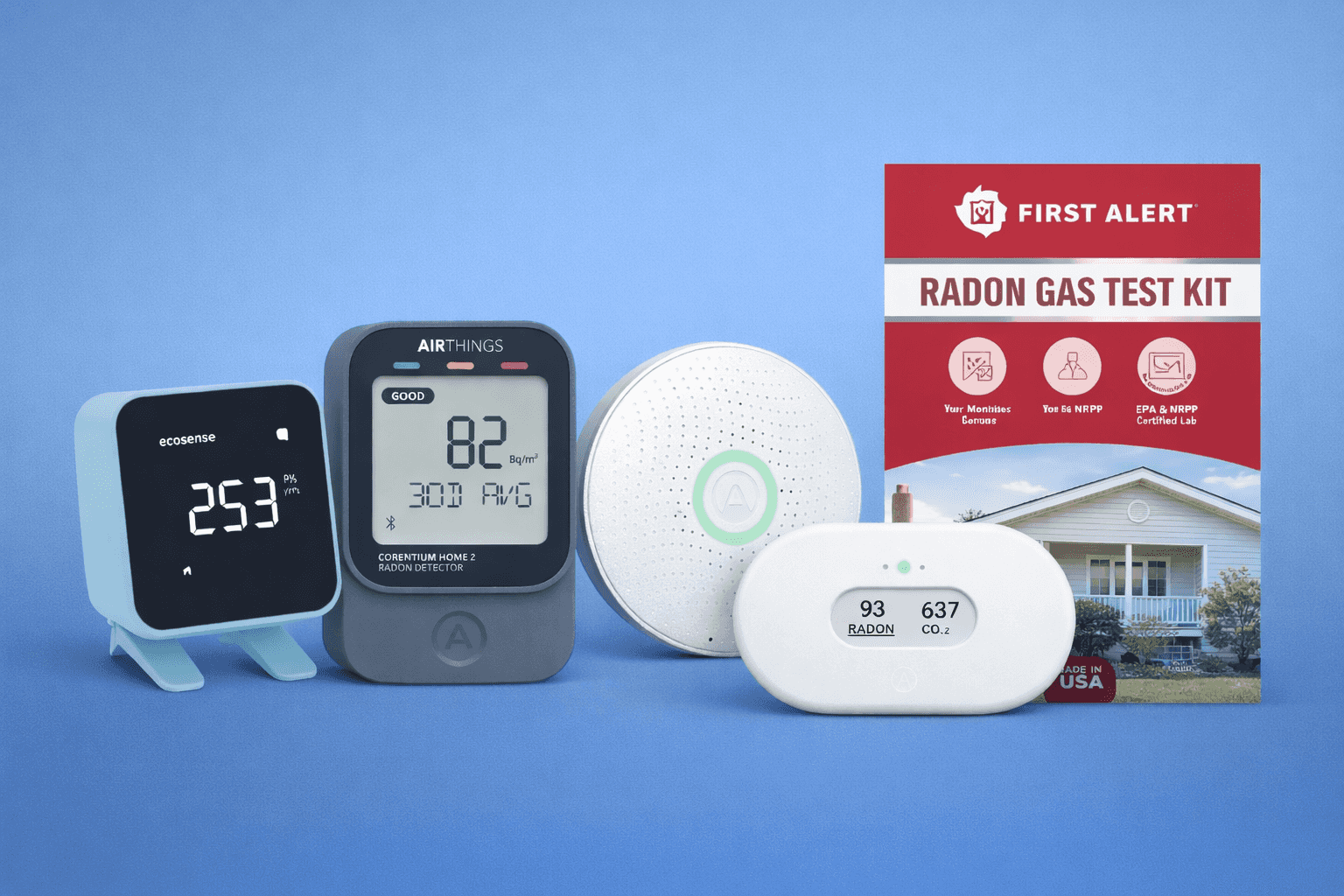
Health Canada’s clearest homeowner walkthrough is its step-by-step instructions for device choice, placement, duration, and next actions on the electronic monitor or long-term detector guidance which is the best reference point if you want your DIY process to match federal expectations.
Below is a practical version of that workflow, written for real Canadian homes (basements, closed windows, heating season habits) while staying aligned with the core rules.
Step-By-Step DIY Workflow
Step 1: Pick the right test type for the decision.
If you’re trying to understand your home’s typical exposure, choose a long-term test window. Health Canada’s residential measurement guidance emphasizes that the most reliable estimate comes from 3–12 months and warns against shorter periods in the residential dwellings measurement guide because radon varies by season and day-to-day patterns.
Step 2: Choose the right level and the right room.
Place the detector on the lowest lived-in level (for many homes, that’s a finished basement; for others, it’s the main floor), and choose a room where someone spends meaningful time each day. Health Canada’s homeowner context for “where you actually live” is reinforced in its broader Healthy Home guide which is useful when you’re deciding between a storage basement and a family-room basement.
Step 3: Place it at breathing height, with normal airflow.
Aim for roughly 0.5–2 metres off the floor (think: a shelf or small table, not the ground and not the ceiling). Give it space around it—don’t wedge it behind objects.
Step 4: Avoid the common “bad zones.”
Skip kitchens, bathrooms, laundry rooms, closets, and areas near exterior walls, vents, windows, doors, and heat sources. Your goal is representative air, not an artificially high/low corner case.
Step 5: Record your start date, then don’t touch it.
Write down start and end dates immediately. If you move it, cover it, or “check” it constantly, you’re adding noise.
Step 6: End the test, then complete the lab process.
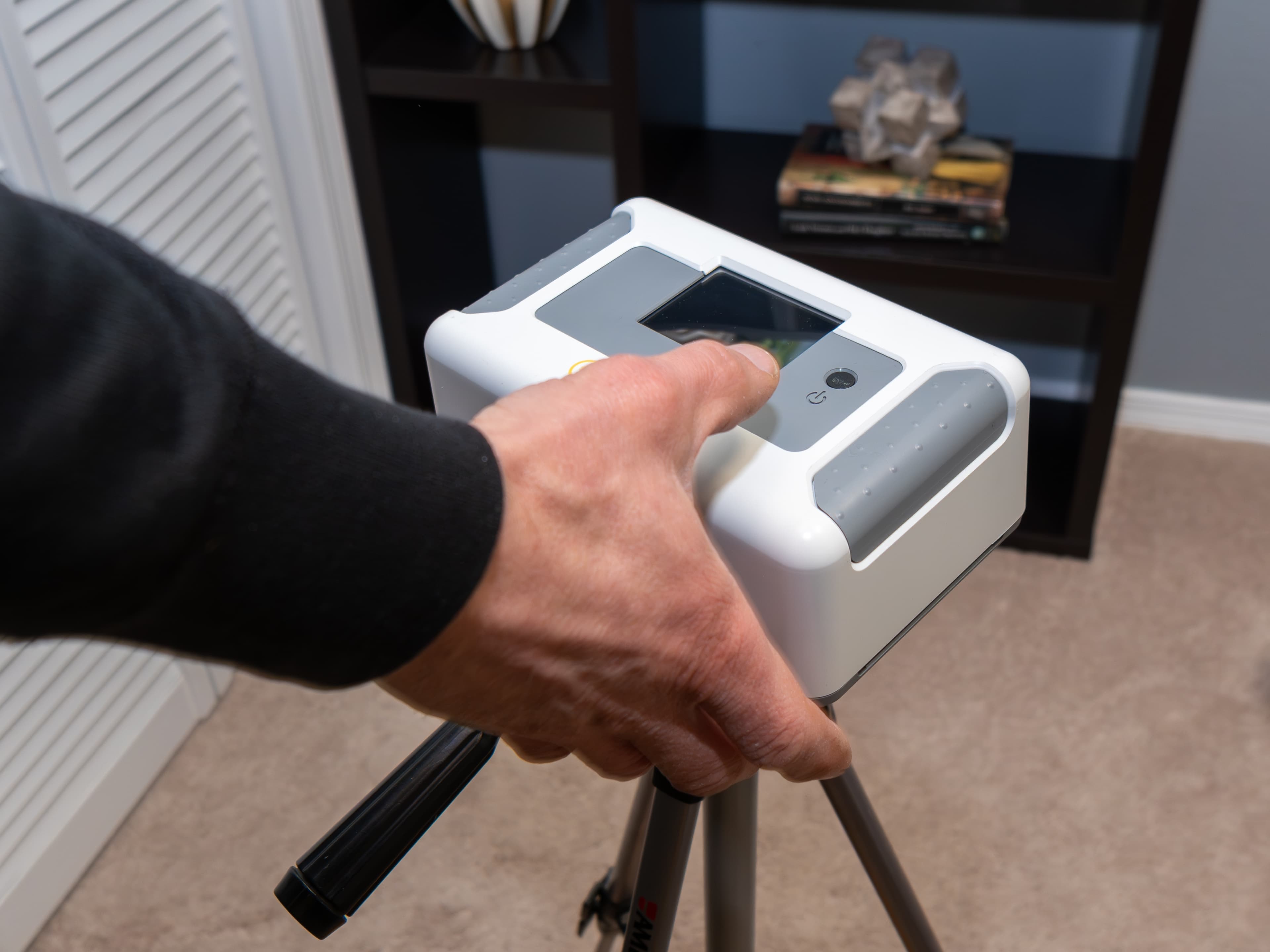
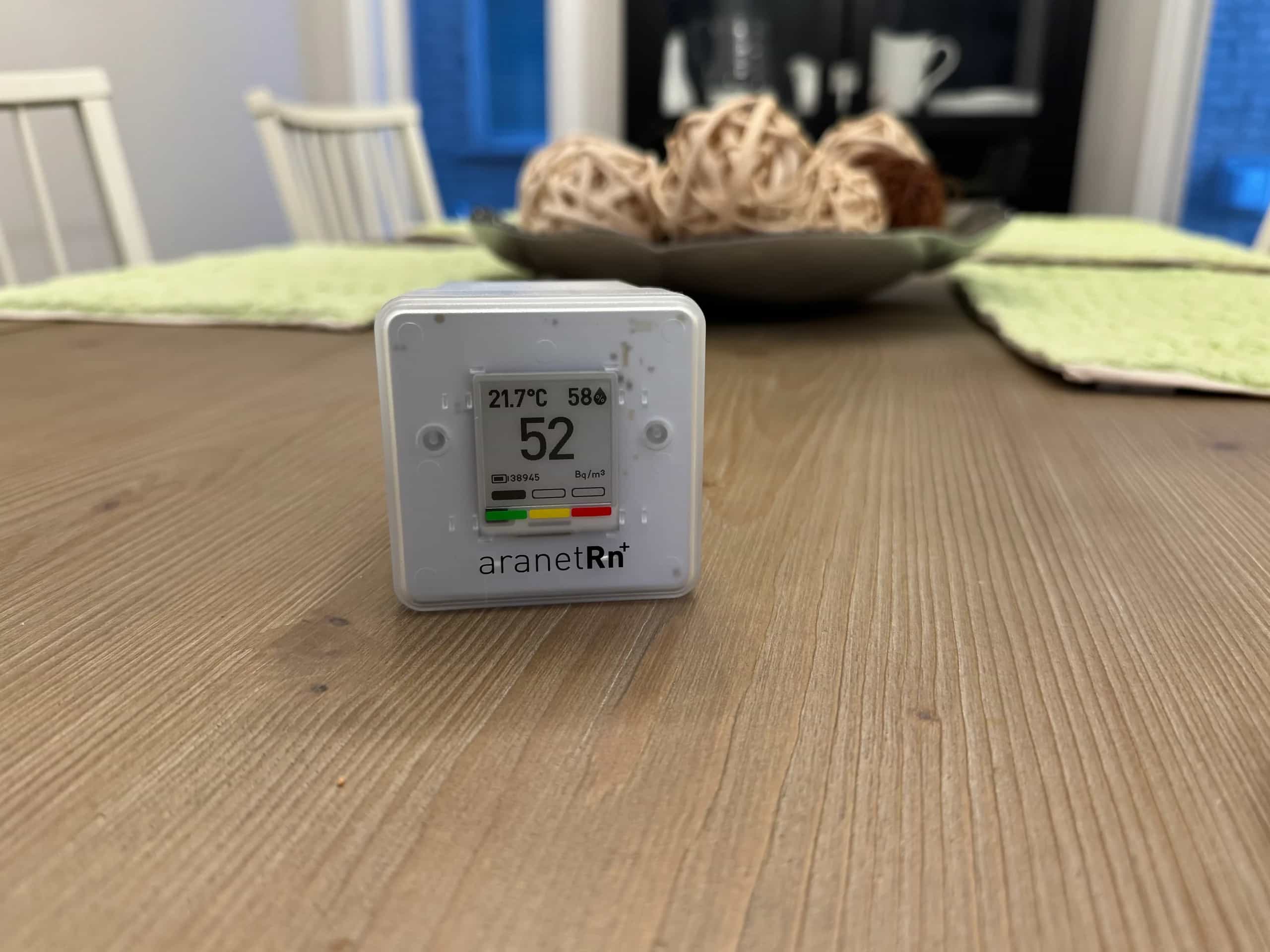
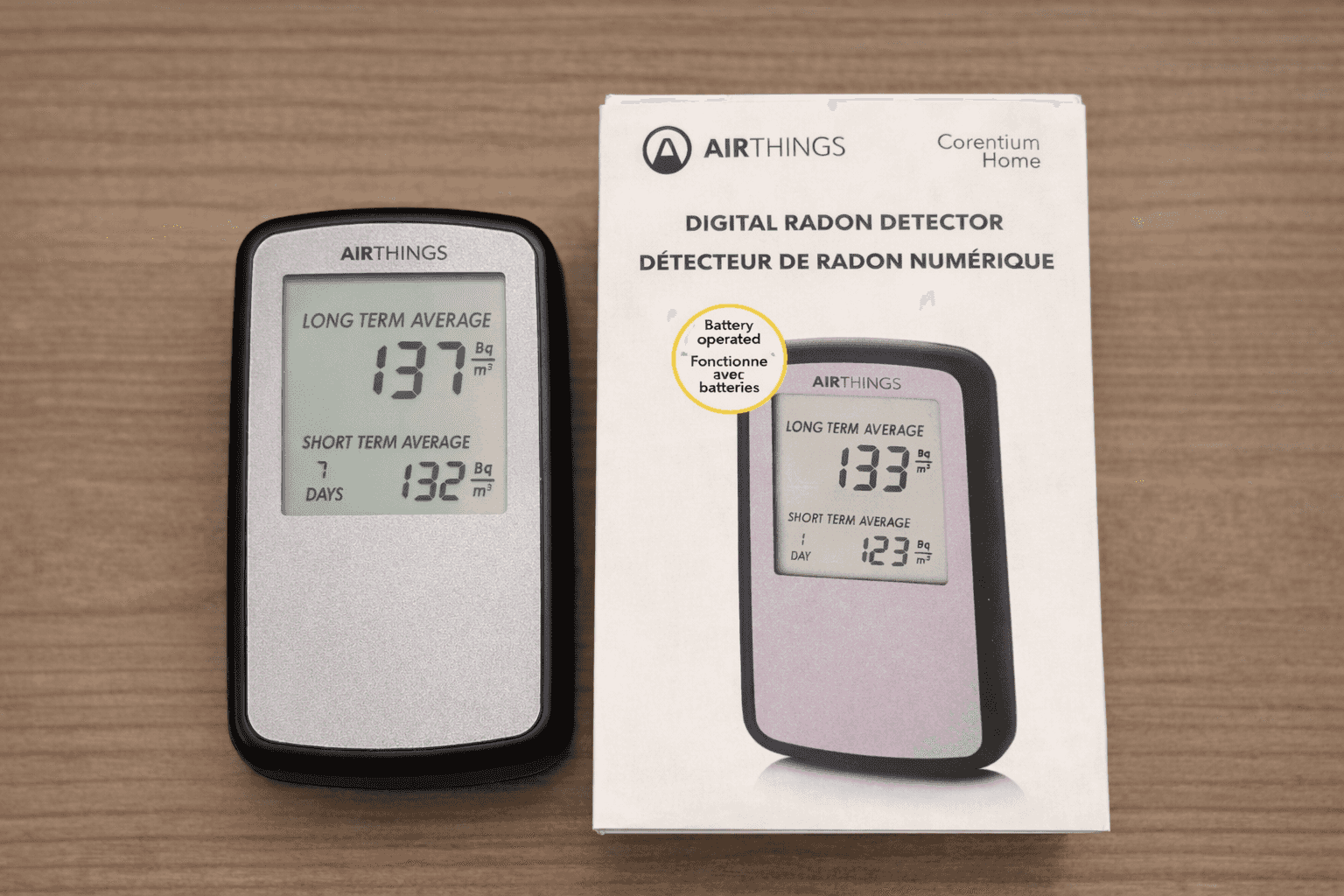
For passive kits, seal and ship it as instructed. For electronic monitors, record the appropriate long-term average your device reports and keep a screenshot or exported log.
Step 7: Interpret against the Canadian guideline and decide next actions.
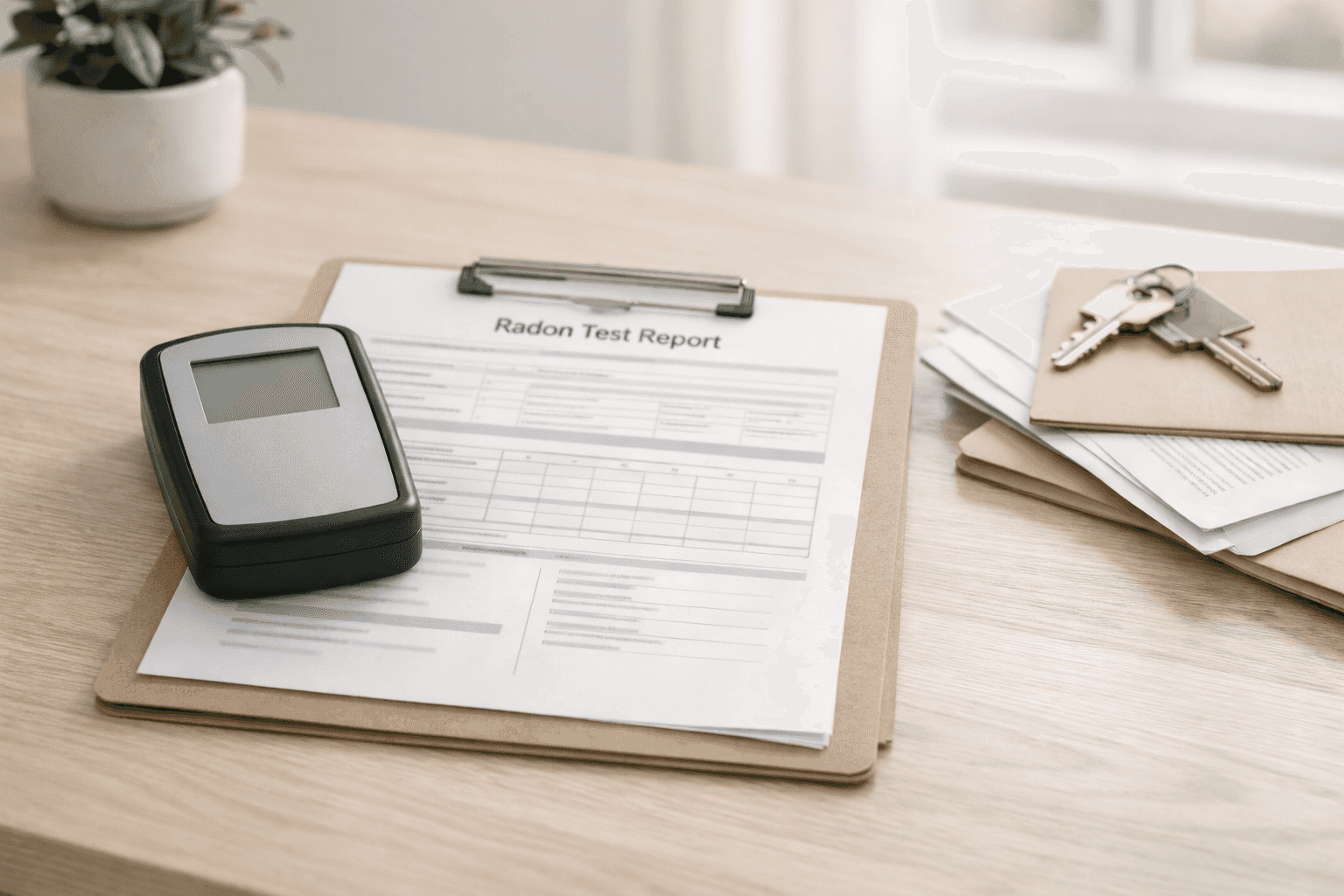
Use the long-term result as your decision number. If you’re at or above the guideline, shift from “testing” to “planning” (timelines, mitigation quotes, and verification testing).