The 200 Bq/m³ Reference Level Is The Target Your Long-Term Average Must Be Compared Against
Accuracy gets fuzzy the moment you don’t know what you’re trying to estimate.
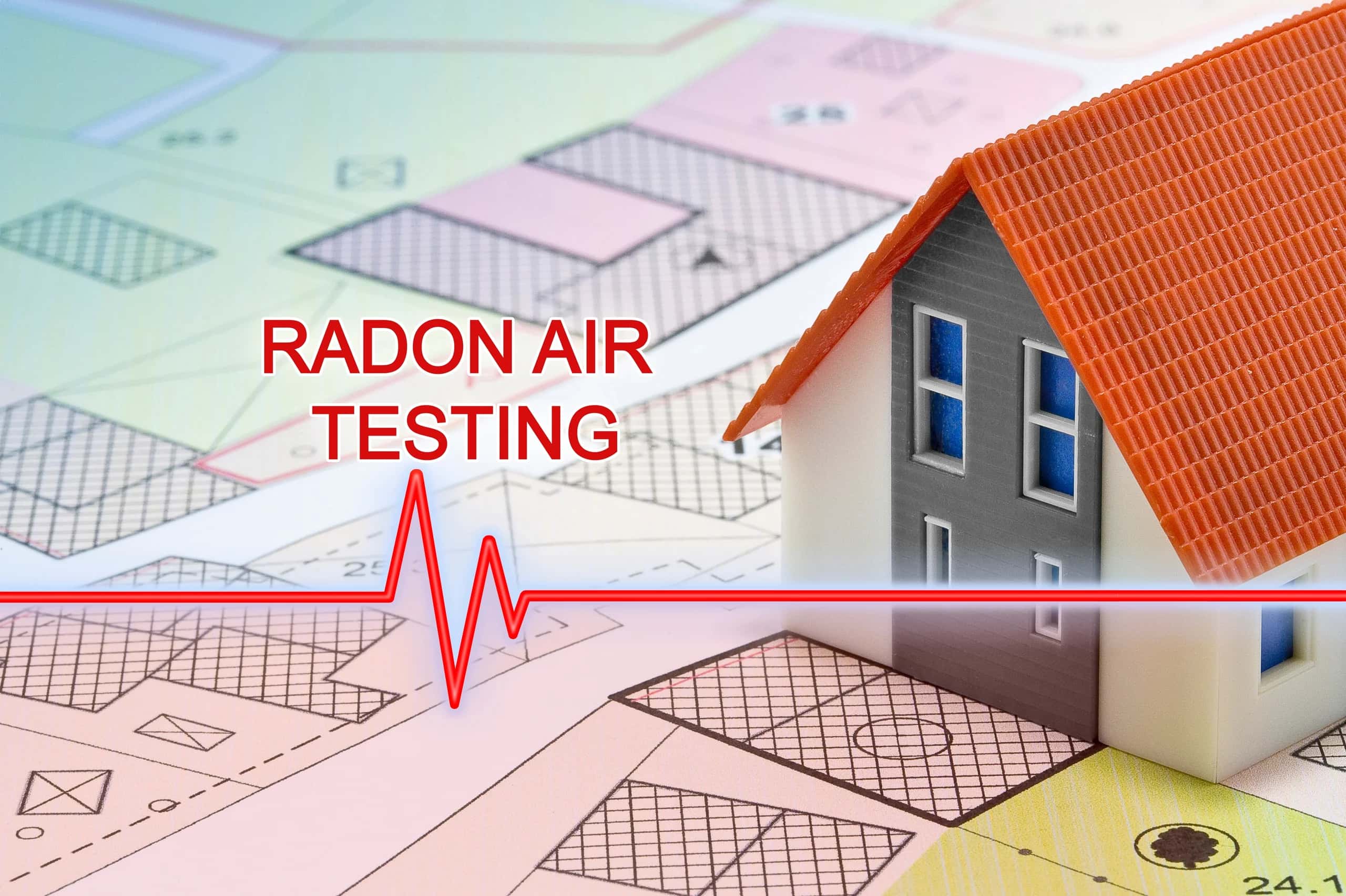
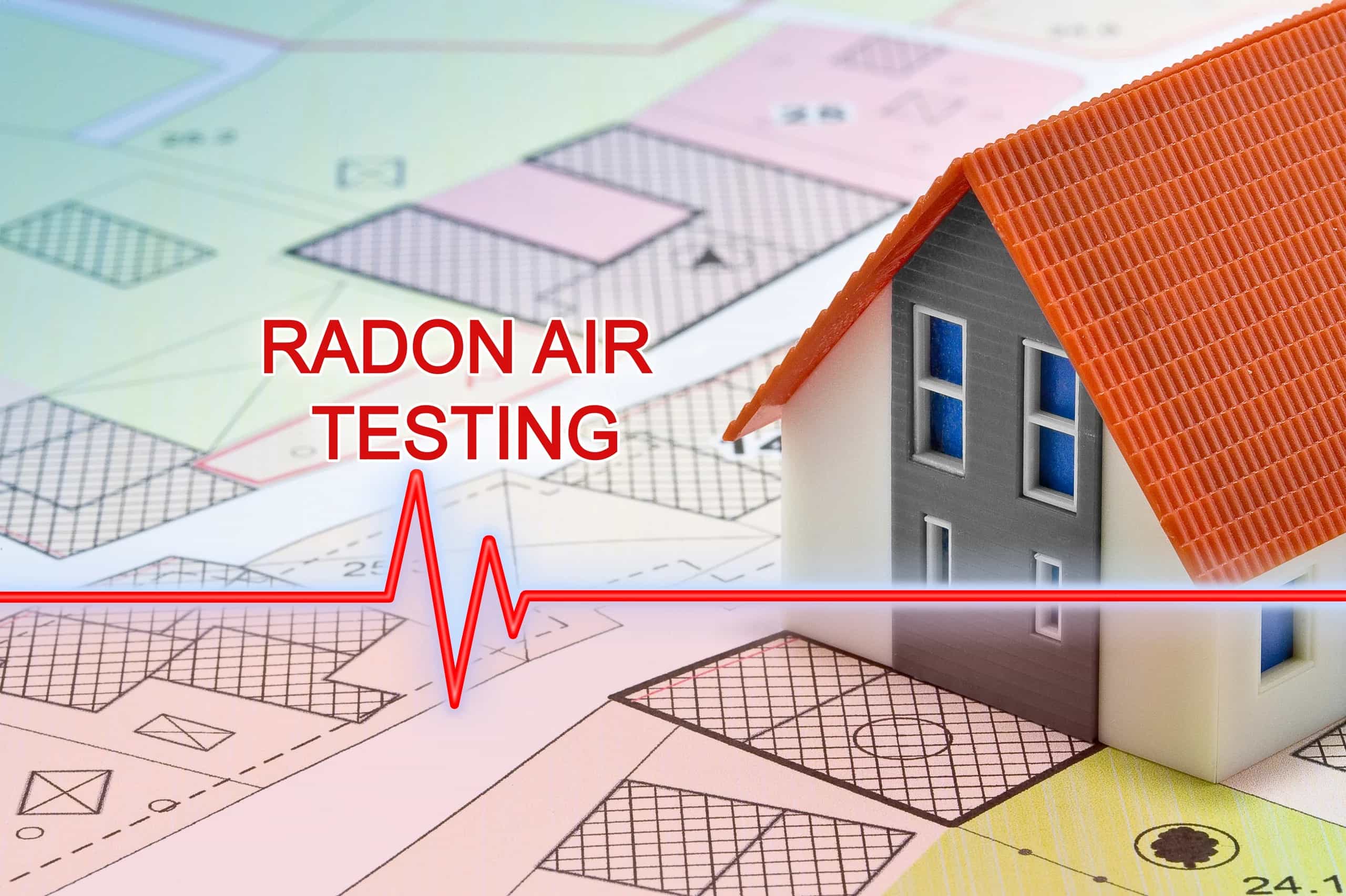
In Canada, the benchmark is the national radon guideline of 200 becquerels per cubic metre (Bq/m³), and the practical intent is straightforward: compare your home’s long-term average radon concentration in a normal occupancy area against that level, using guidance from Health Canada’s radon guideline page as the reference point for interpretation and next steps.
That framing matters because consumer monitors often show multiple numbers at once—hourly, daily, weekly, lifetime averages, trend charts—and it’s easy to let the most dramatic number drive your emotions. A single spike can be real, but it’s rarely the right “decision number.”
Instead of asking “Is today high?”, the better accuracy question is: “Is my long-term average, measured in the right place, likely to represent my home’s typical annual level?” That one question pulls you toward the testing duration, placement, and verification steps that actually improve reliability.
A radon monitor can be “accurate” in a technical sense and still be unhelpful if it’s measuring in the wrong room, at the wrong height, or for too short a period.