Plenty of household pest problems genuinely are DIY territory. The pattern to recognize is localized, low-stakes, and readily identified.
A handful of nuisance ants on a kitchen counter, tracked back to a single entry point near a window frame, is a textbook DIY job. Place a bait station (the gel-type products available at most Canadian retailers are surprisingly effective), seal the entry point with silicone caulk, wipe down the counter to remove the pheromone trail, and the problem usually resolves inside a week. The cost is under twenty dollars.
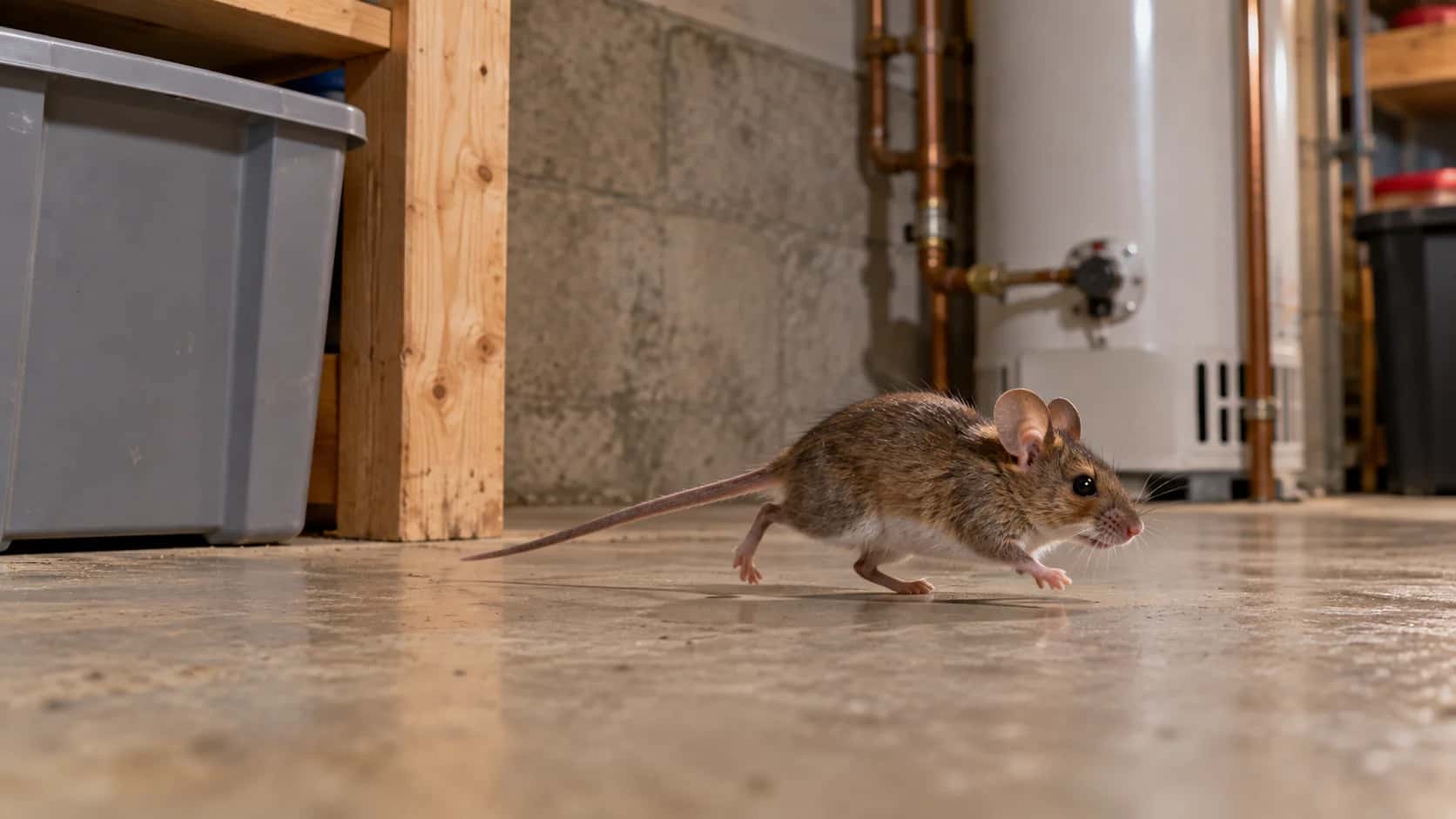
A single mouse captured in a snap trap, with no other droppings in the house and no scratching in walls at night, is also DIY territory. Run three or four traps for a week to confirm the visitor was alone, seal the foundation crack or vent gap you found on inspection, and move on. If traps keep catching mice, that's different — you've moved from "visitor" to "population," and the answer shifts.
Fruit flies, pantry moths, and silverfish are almost always DIY at the source-elimination level. Find the overripe fruit, the contaminated bag of flour, or the damp cardboard in the basement. Remove it. Clean the area. The population collapses without any insecticide.
Wasps on a small, accessible exterior nest — the kind you can reach with a long can of retail wasp spray at dusk, while wearing long sleeves and eye protection — are a reasonable DIY target. The caveat: if the nest is large, hidden inside a wall, or near a high-traffic doorway, the savings aren't worth the sting risk. Call a pro.
What these scenarios share is an identification-first, low-scale, low-risk profile. The homeowner can see the problem, understand it, and address it with Domestic-class products used exactly as the label directs. That's the DIY sweet spot. For a deeper walkthrough on ants specifically, our household ants guide covers species ID and retail-shelf choices.