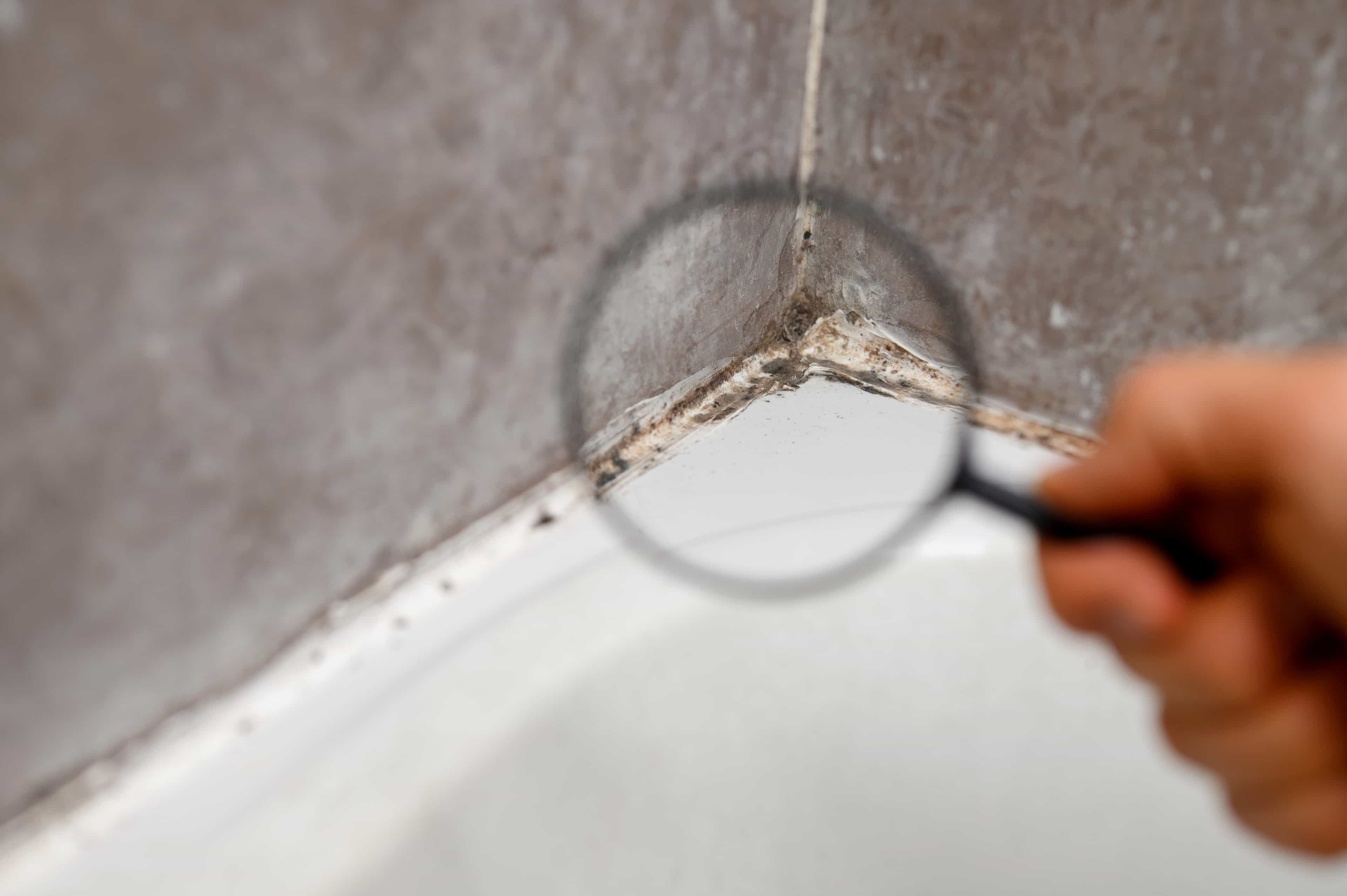
| Musty odour, damp smell, frequent window condensation, white chalky residue on masonry | Basement moisture, grading, drainage, building envelope, ventilation | Moisture damage, mould growth, indoor air concerns, hidden material decay | Start with a standard inspection if the source is unclear; escalate to a moisture or mould specialist if signs are recurring or widespread |
| Brown ceiling stains, bubbling paint, peeling drywall | Roofing, flashing, plumbing, ventilation | Hidden moisture spread, mould, finish damage, escalating repair cost | Standard inspection if cause is uncertain; roof or plumbing specialist if active or repeatedly returning |
| Cracks that appear to widen, sloped floors, sticking doors and windows | Foundation, framing, settlement, structural movement, moisture-related shifting | Structural deterioration, worsening movement, more expensive repair later | Standard inspection for broad context; structural engineer if movement is obvious, growing, or affecting multiple areas |
| Flickering lights, warm outlets, tripping breakers, buzzing at the panel | Electrical panel, branch wiring, overloaded circuits, outdated components | Fire or shock hazard | Electrician promptly, especially if heat, smell, or repeated tripping is involved; an inspection can still help with wider house context |
| Slow drains, sewage odour, gurgling fixtures, backups | Drain-waste-vent system, sewer lateral, venting | Sanitation issues, water damage, major underground repair cost | Sewer scope or plumbing specialist when the symptom is persistent or affects more than one fixture |
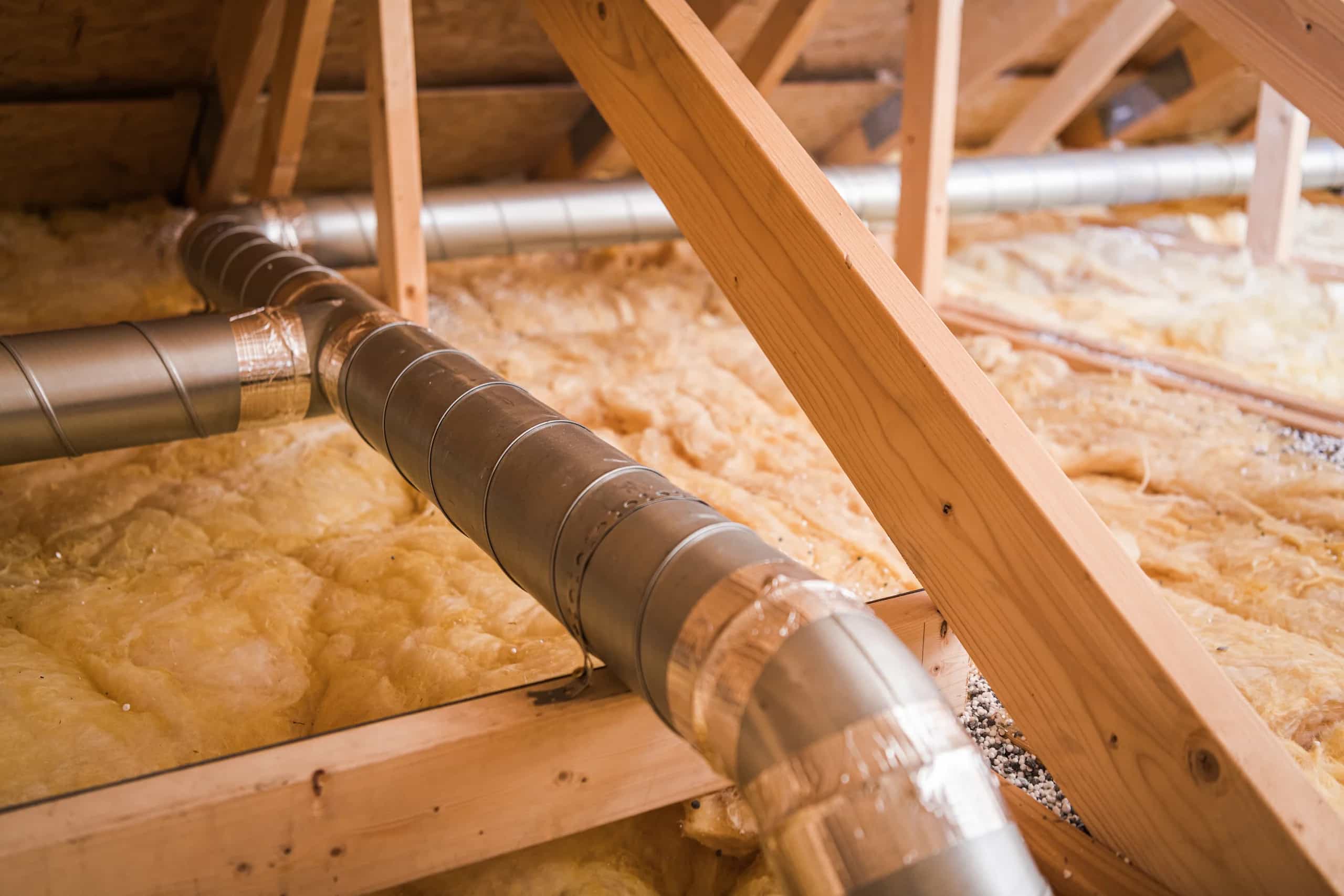
| Drafty rooms, cold upper floor, ice dam signs, very high heating bills | Insulation, air sealing, attic ventilation, windows, roof assembly | Comfort loss, heat loss, condensation, ice-related roof damage | Standard inspection or energy-focused follow-up, depending on whether the issue feels isolated or house-wide |
| Cracked or spalling masonry, damp foundation wall, pooling near the house | Grading, drainage, masonry, foundation | Water entry, freeze-thaw damage, long-term structural stress | Standard inspection first if the pattern is unclear; drainage or foundation specialist if water entry is active |
| Curling shingles, granules in gutters, attic stains, recurring roof leak | Roofing materials, flashing, ventilation | Interior water damage, shortened roof life, insulation damage | Roof specialist if failure appears obvious; standard inspection if you want the roof issue placed in whole-home context |
| Missing, expired, chirping, or non-working smoke and carbon monoxide alarms | Life-safety systems | Immediate safety risk | Treat as urgent now, not later; inspection findings should reinforce, not delay, action |