How to Read, Store, and Use Professional Reports (Including for Warranties)
A professional inspection is only as useful as the report you receive and what you do with it. The best inspectors treat the report as a decision‑making tool, not just a checklist.
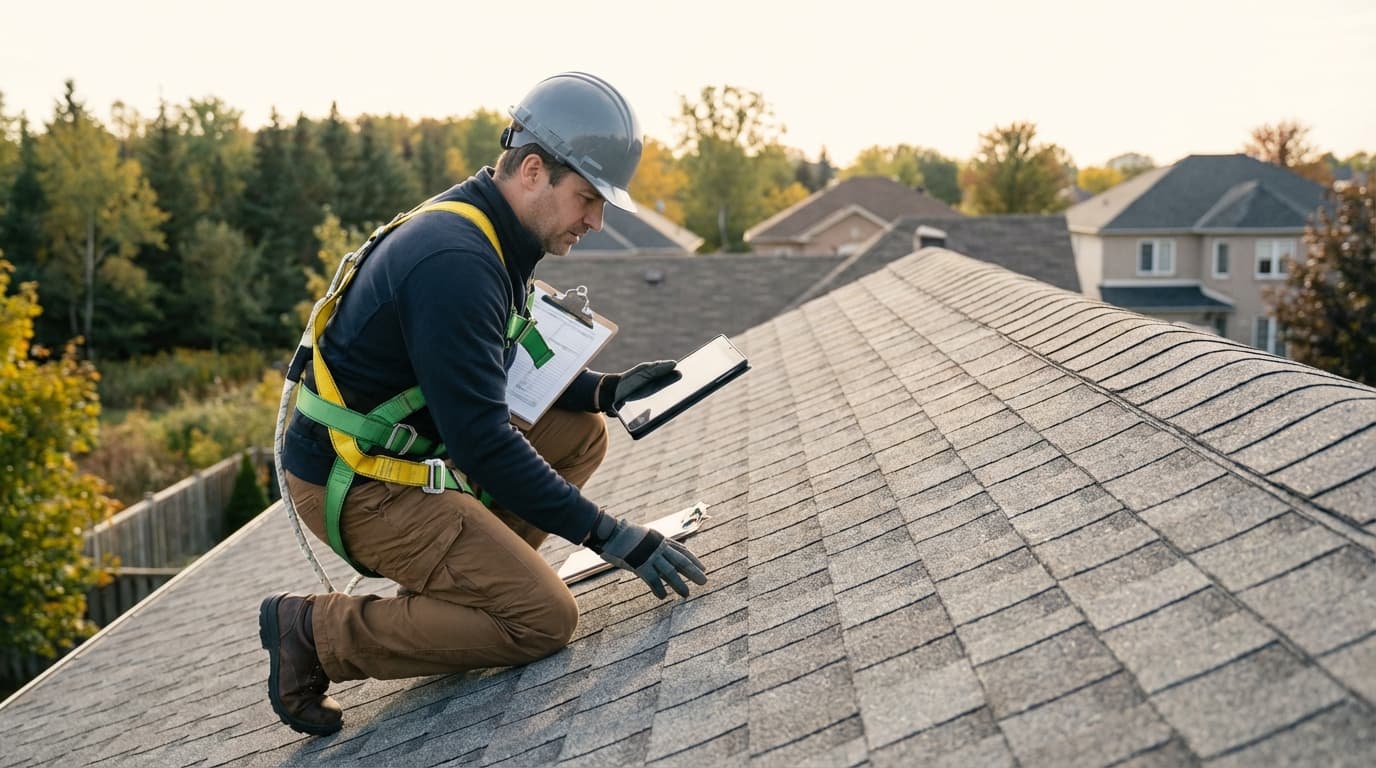
Holcim Elevate notes that after a roof inspection, the owner should receive a comprehensive report outlining any issues found, along with suggested solutions such as repair or restoration options, so that problems can be addressed before they escalate according to Holcim Elevate. In practice, a good residential report often includes:
- A high‑level summary of the roof’s condition (e.g., “good with isolated defects,” “approaching end of service life”).
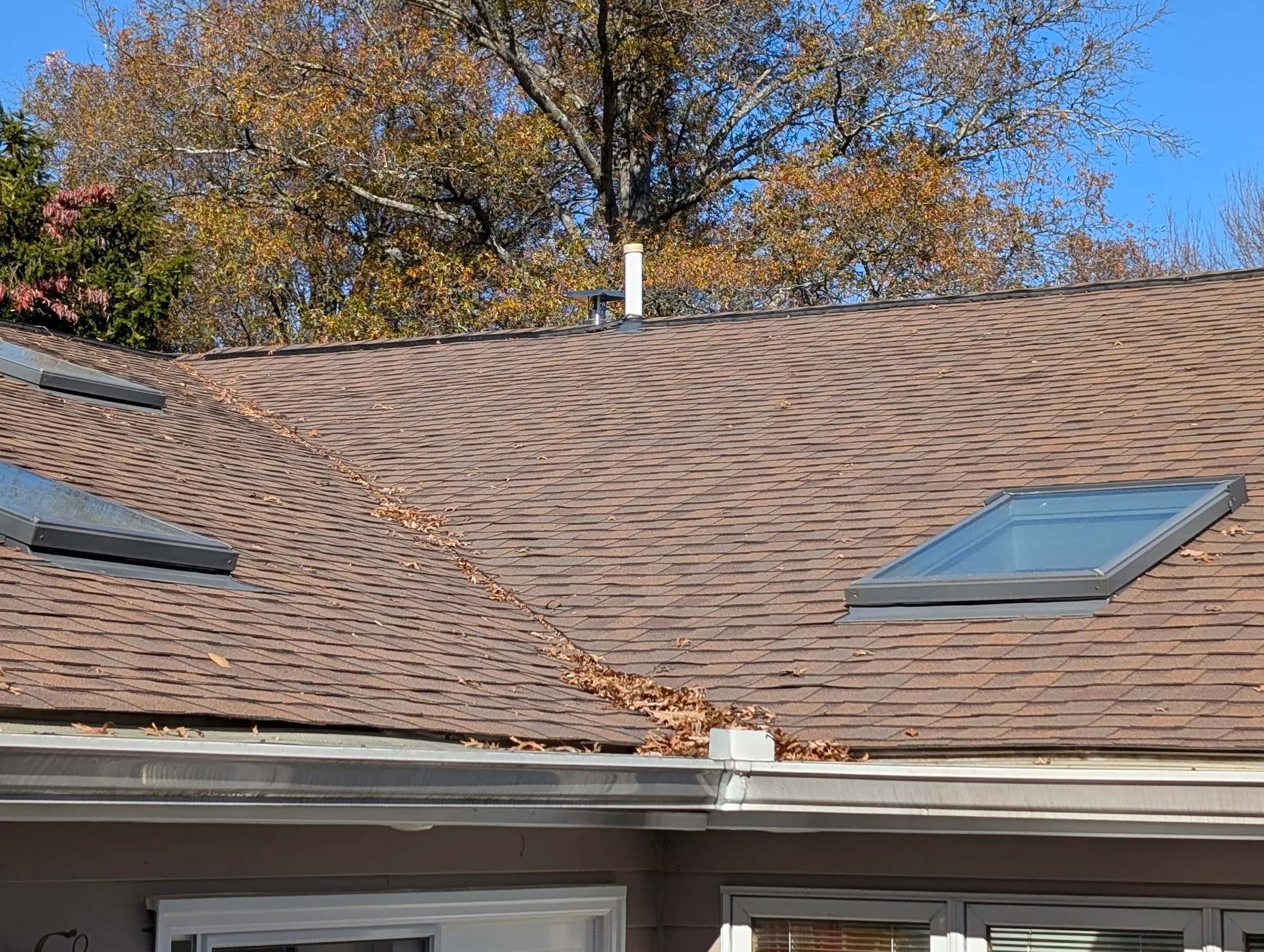
- Photos showing key problem areas and overall views.
- A list of specific defects with locations and descriptions.
- Recommended repairs, with relative priority (urgent vs. monitor).
- Notes on drainage, ventilation, and attic conditions.
- Suggestions for future monitoring or follow‑up inspections.
The National Roof Certification and Inspection Association emphasizes that professional inspections by certified inspectors provide detailed reports intended to help the roof system by documenting conditions and guiding corrective work, as described in their homeowner resources for NRCIA members. This kind of report is valuable well beyond the day of the inspection.
Preventative maintenance guidance from the Canadian Roofing Contractors Association highlights that regular inspections and maintenance not only correct defects before they become costly but also allow for long‑term financial planning and budgeting for roof replacement, including scheduling work at optimal times for cost and building operations according to the Canadian Roofing Contractors Association. As a homeowner, that means you can use inspection findings to estimate remaining roof life and plan savings or financing, instead of being surprised by an urgent replacement.
Roof warranties add another layer of importance to documentation. GAF explains that to be eligible for enhanced manufacturer warranties, homeowners typically must hire a certified contractor, register the warranty properly, and meet ongoing requirements, and that failing to maintain the roof correctly can void some warranties, making regular inspections and cleanings—often every two years—essential as outlined by GAF. They also stress saving proof of purchase, contracts, and receipts, which together show that the roof was installed and maintained according to the warranty’s terms.
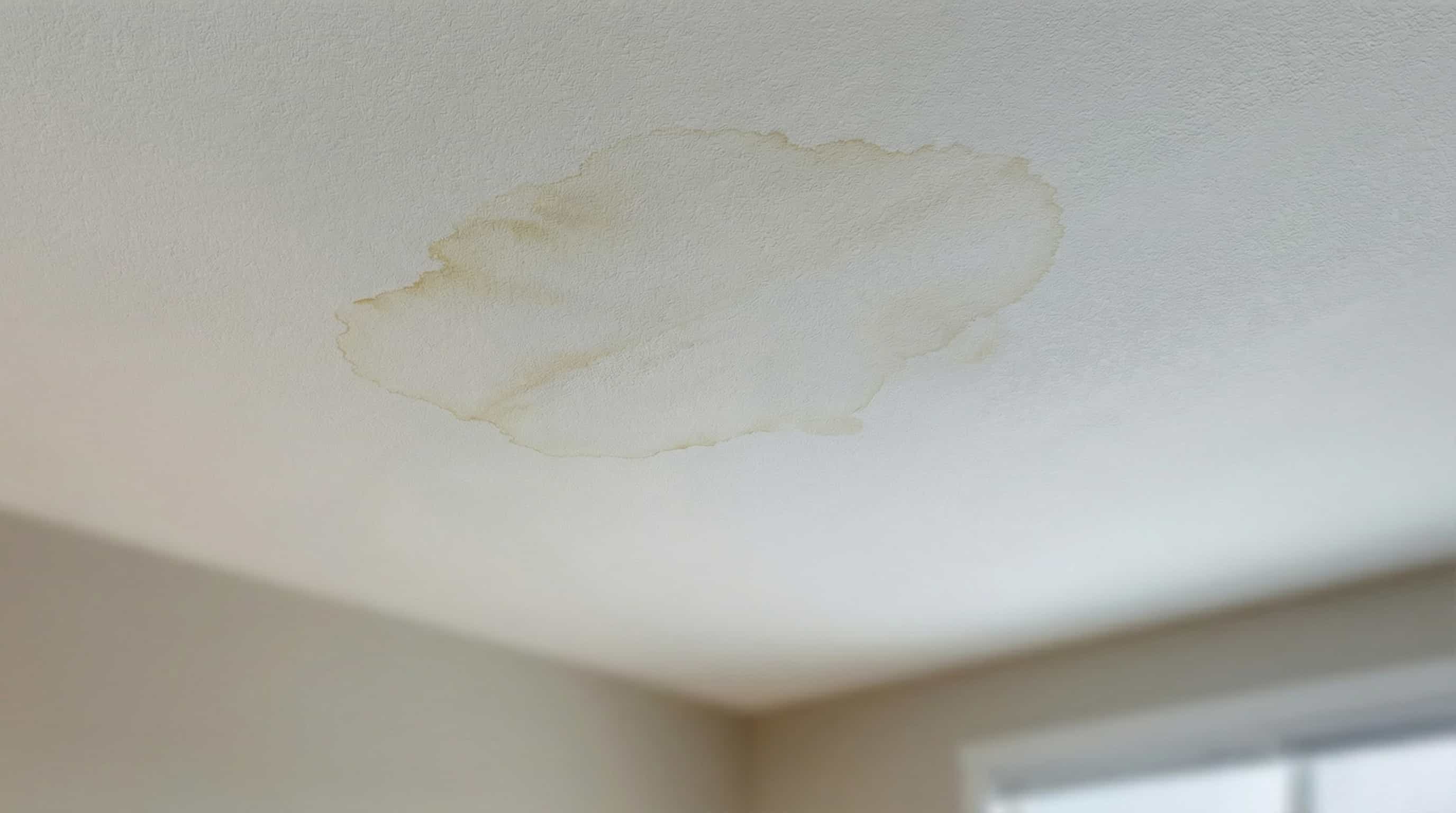
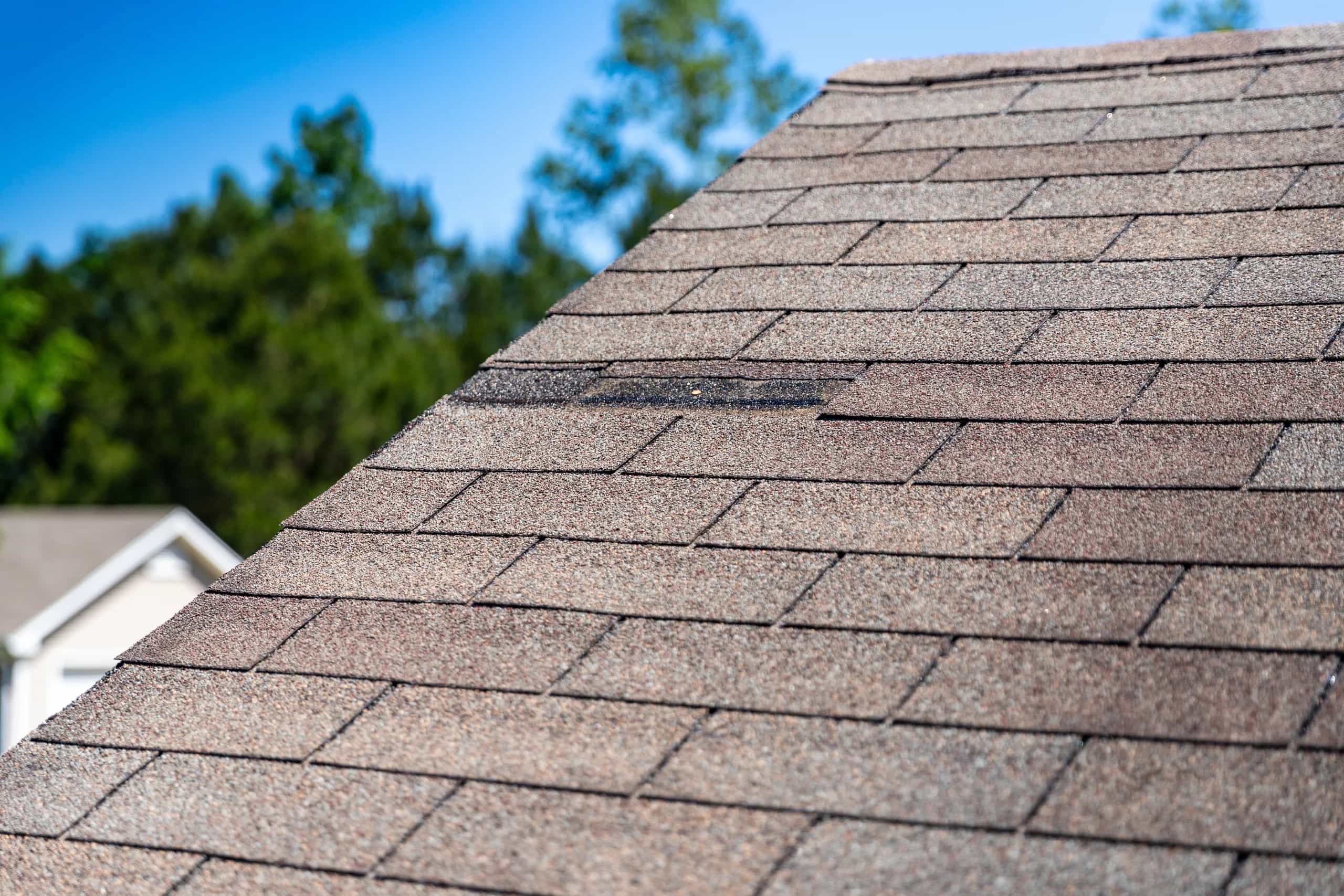
If you notice early wear—like significant granule loss, curling shingles, or repeated leaks on a relatively young roof—having professional inspection reports and repair invoices can help you have a more productive conversation with your installer, contractor, or manufacturer about whether a warranty claim is possible. While the outcome will always depend on the specific warranty language and investigation, your documentation is the starting point.
A simple way to stay organized is to build a “roof file” (digital and/or physical) with the following:
Scan or photograph all roof‑related documents and back them up in cloud storage. Give the folder a clear name (for example, “Roof – Installed 2021”) so you can update it after every inspection or repair and share it easily when selling your home.