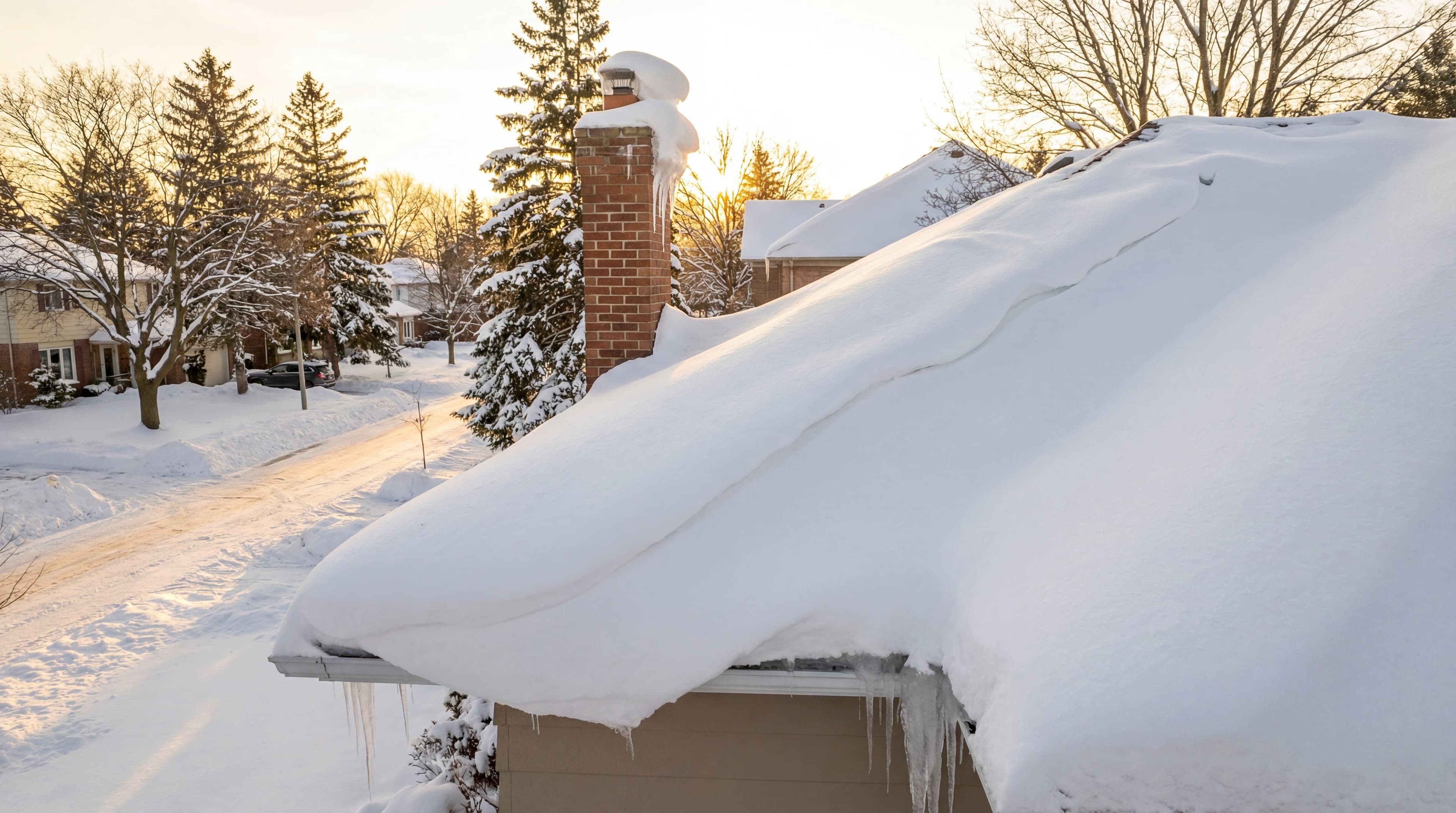
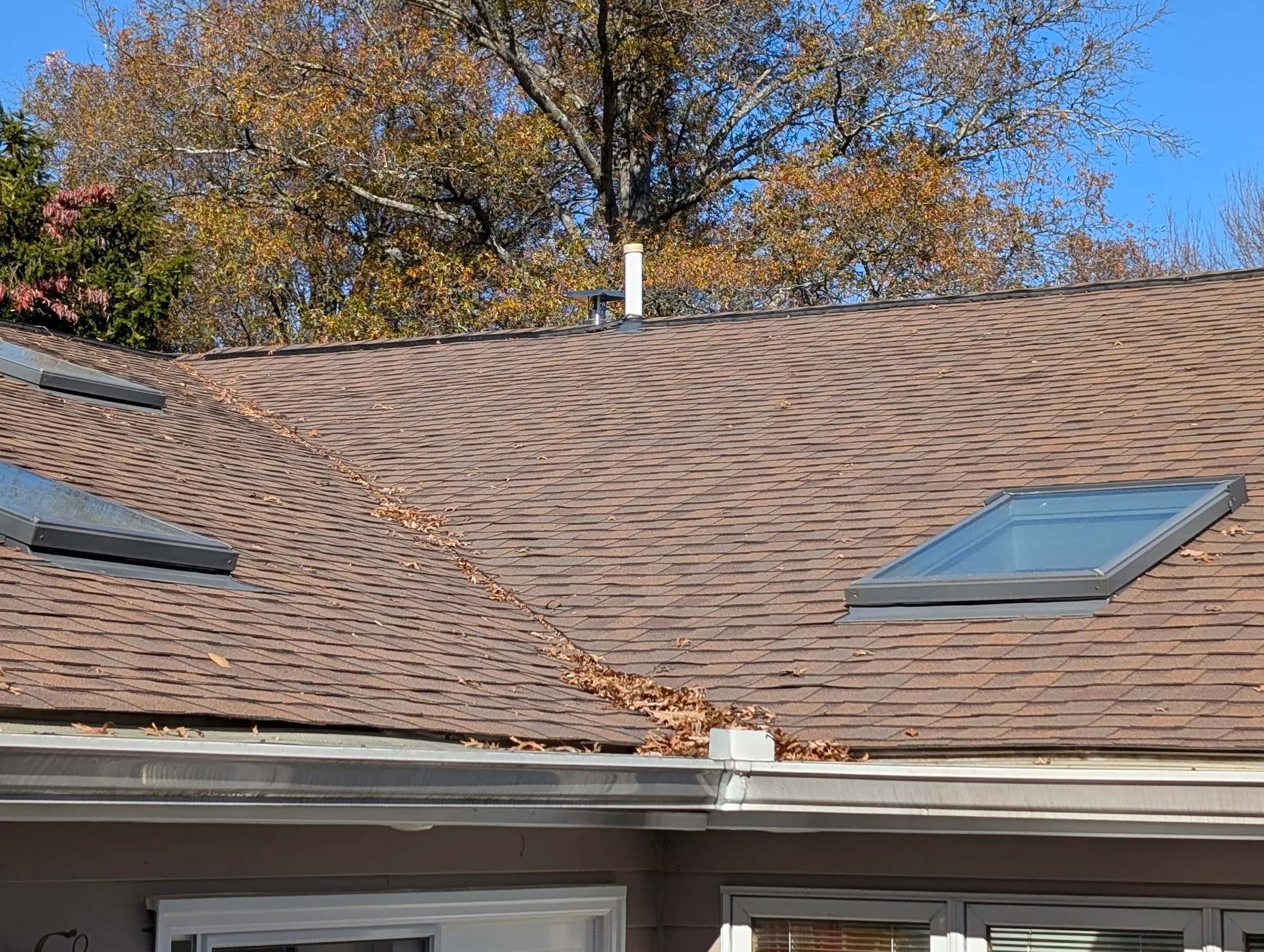
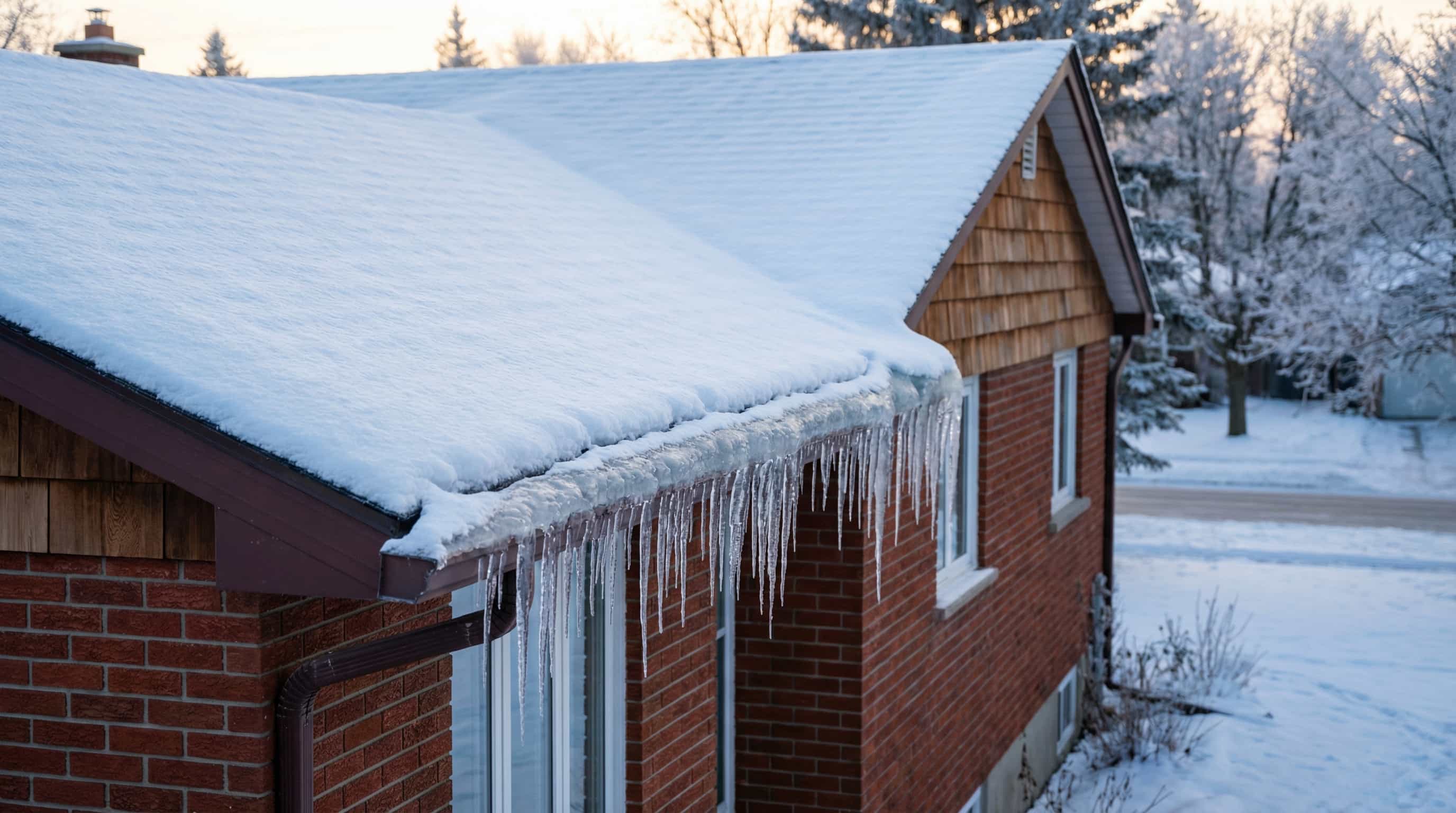
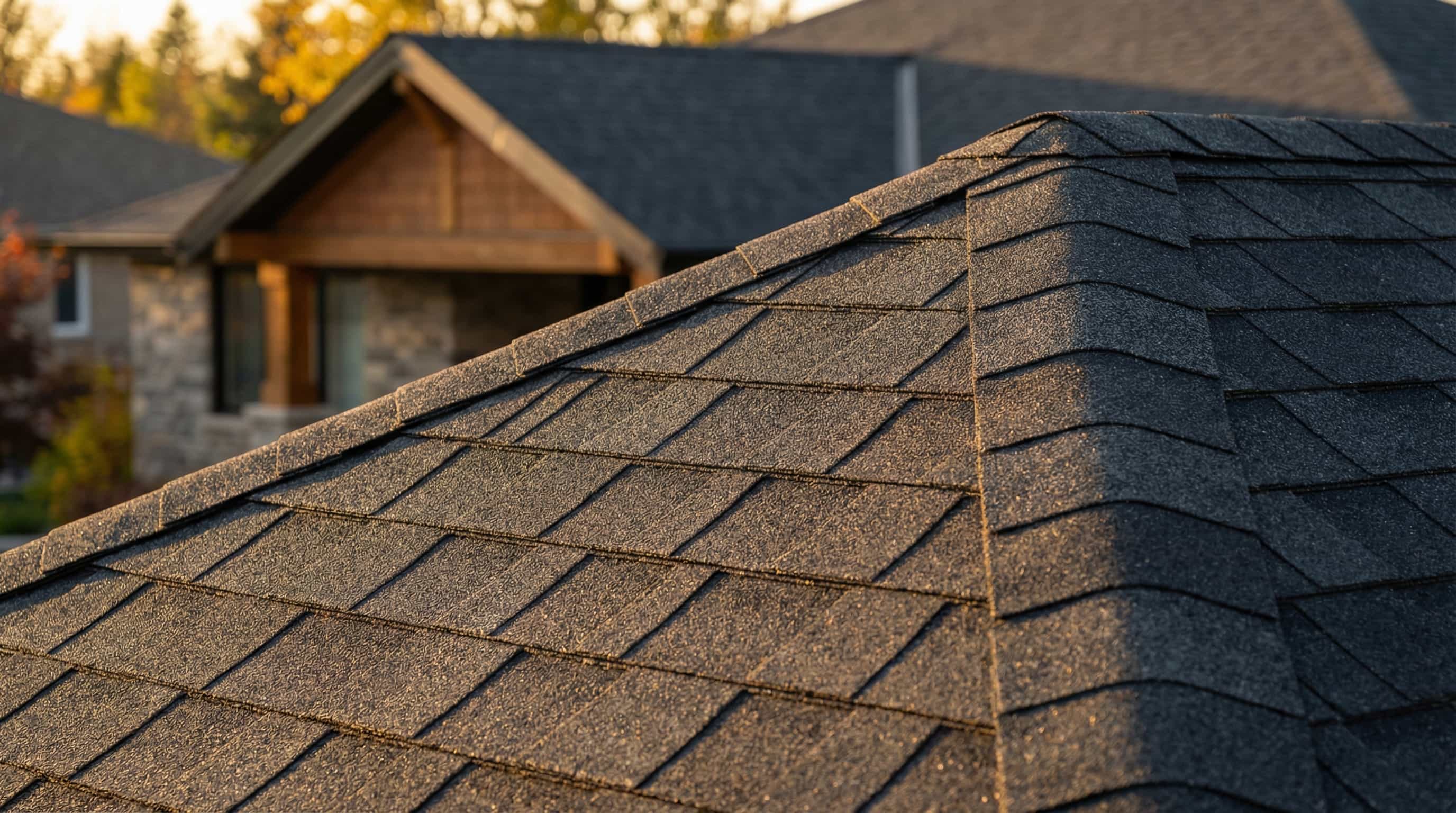
Canadian winters ask a lot of a roof. One week you might get fluffy, wind‑blown powder; the next, a rain‑on‑snow event that turns everything heavy, dense, and unforgiving. Your roof has to quietly manage all of that weight, shed meltwater safely, and keep the heat where it belongs—inside the house, not leaking into the attic.
Most modern Canadian roofs are built to withstand a minimum roof snow load of about 1 kilopascal (kPa), or roughly 21 pounds per square foot, according to the National Research Council of Canada’s snow‑load discussion in Codes Canada – Frequently Asked Questions which sets the baseline structural expectation under the National Building Code. That minimum increases in snowier regions, and many newer homes are designed for higher loads, but code design is only the starting point for winter readiness.
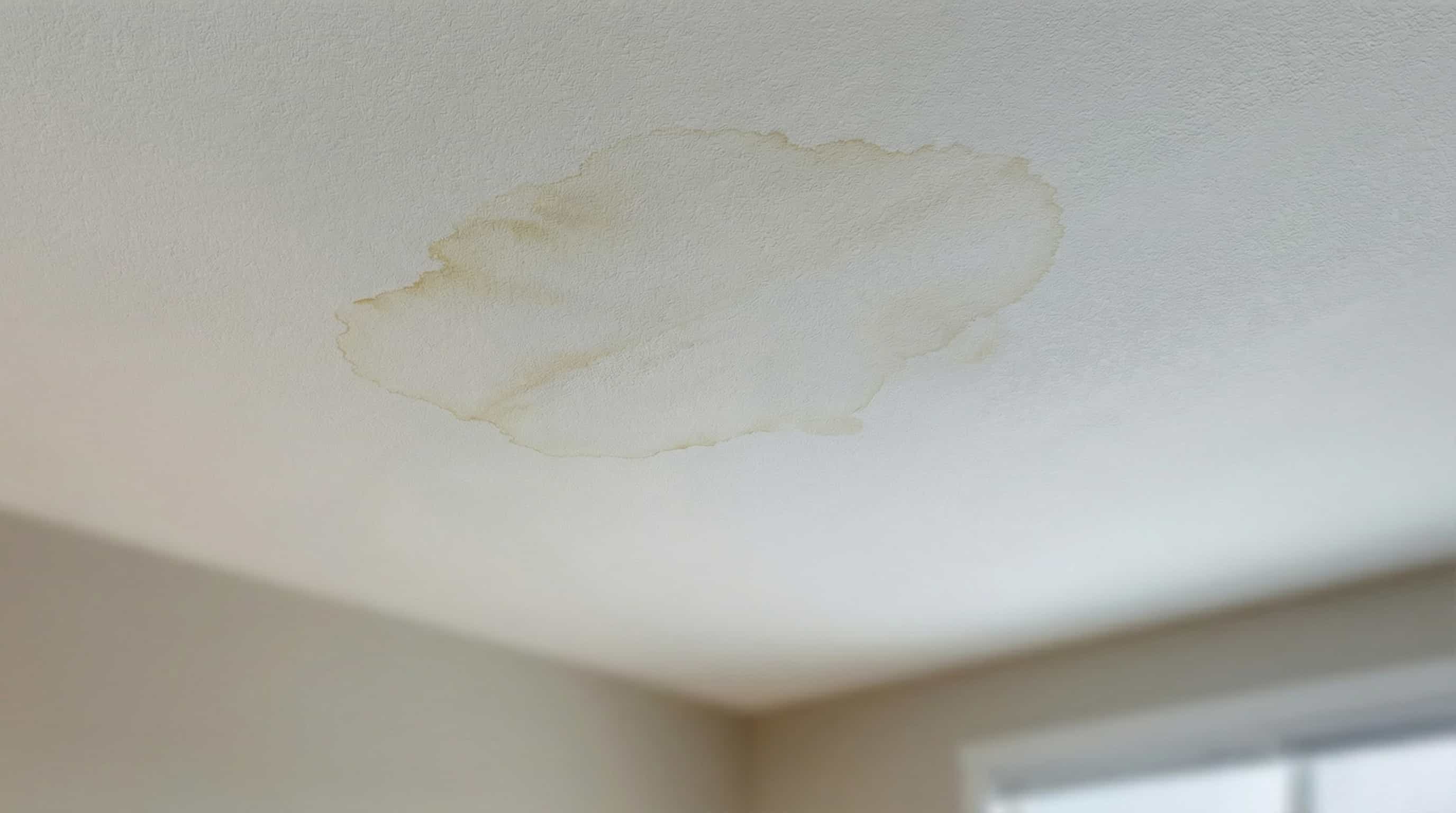
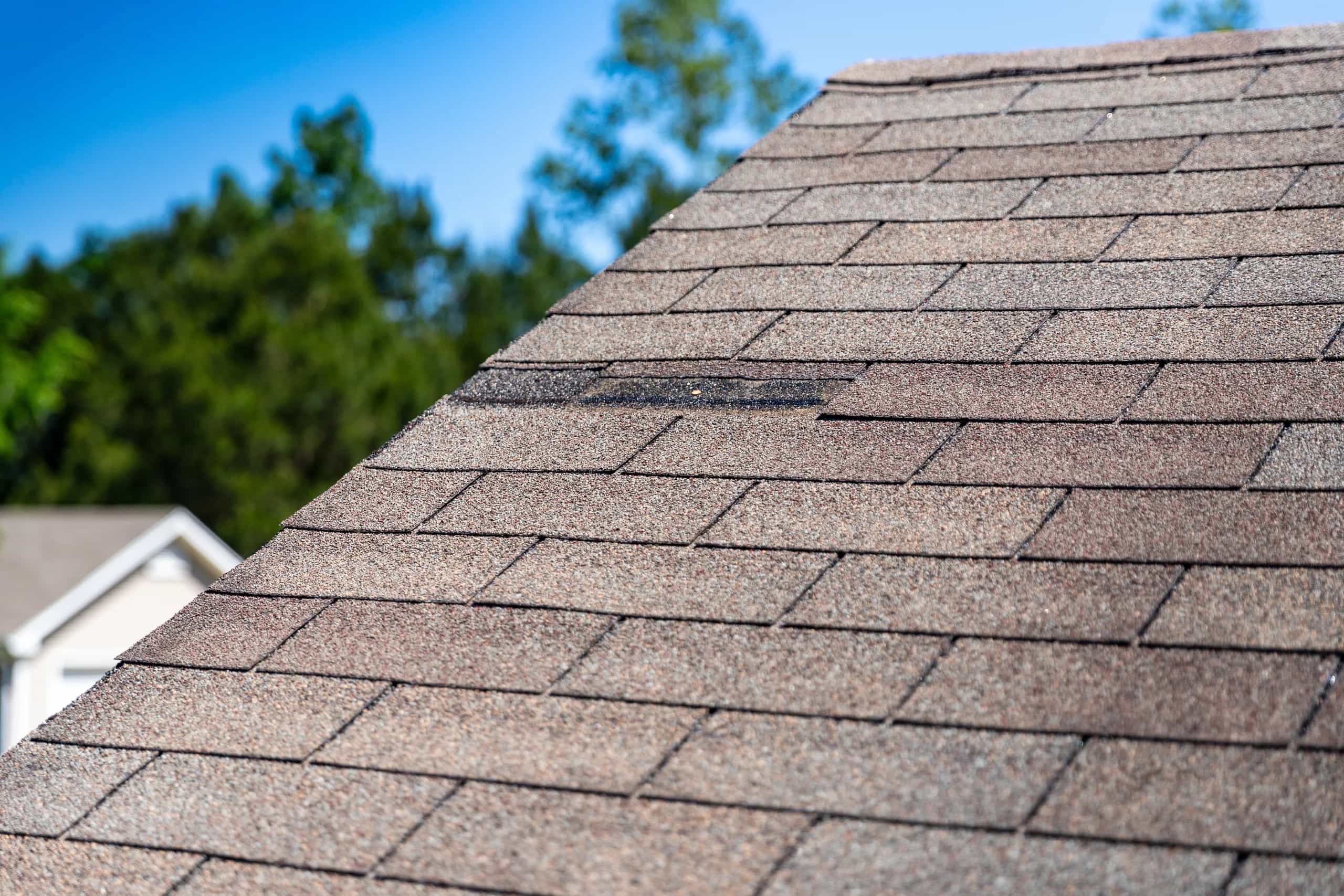
Winter problems rarely start with a single factor. Roof damage and ice‑related leaks usually show up where structure, waterproofing, and building science aren’t working together: a low‑slope section that collects drifted snow, an exposed valley without enough membrane beneath the shingles, or a warm attic that melts snow on the upper roof while the eaves stay frozen. A snow‑ready roof treats all of these as one system.
This guide breaks that system into four practical parts: understanding snow loads and what your roof is likely designed to handle, placing ice and water shield where it does the most good, building a focused pre‑winter maintenance checklist, and reducing attic heat loss so your roof stays colder and less prone to ice dams. Along the way, we will connect back to Canadian building‑code and energy‑efficiency guidance, such as Natural Resources Canada’s Keeping the Heat In series on roofs and attics in Section 5 of its online guide which emphasises that controlling heat and air movement is central to winter roof performance.
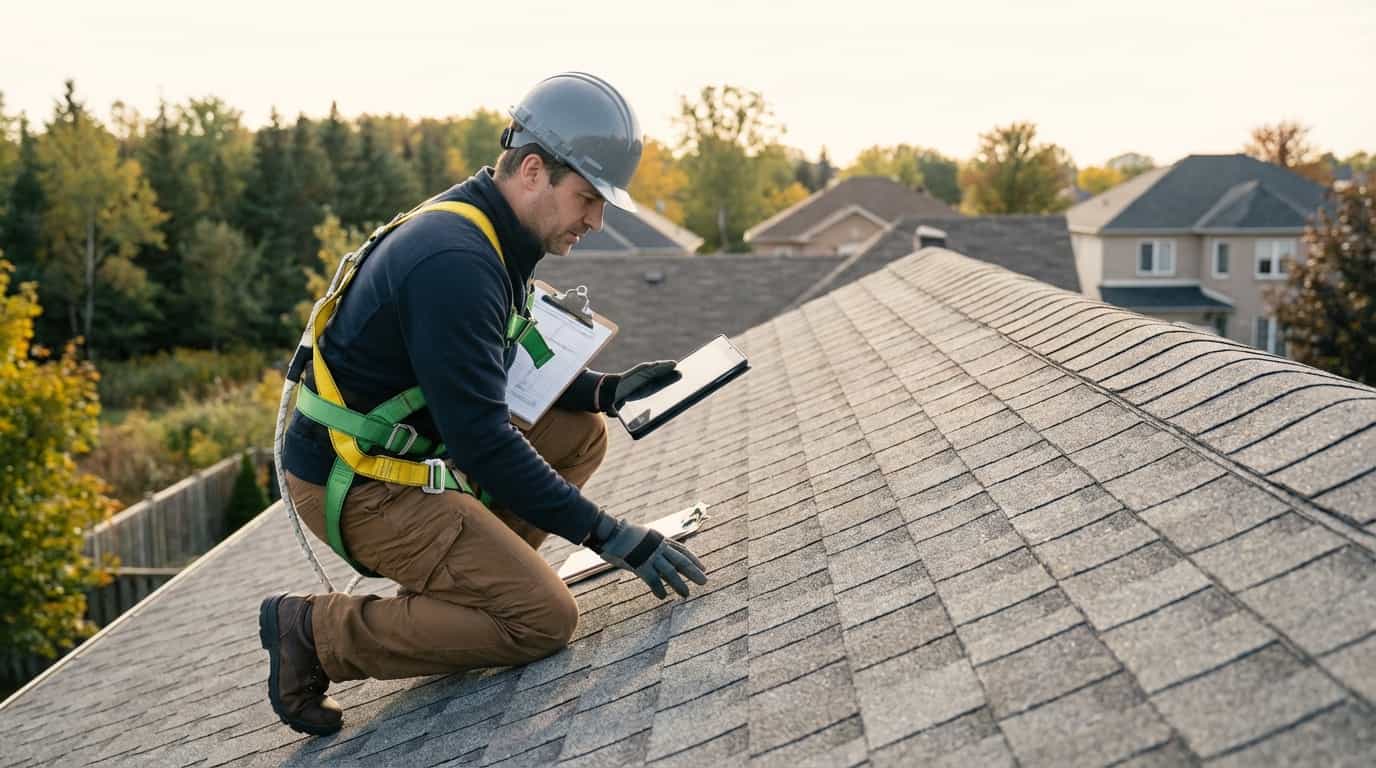
The goal here is not to turn you into a structural engineer or roofing contractor. It is to give you enough context and practical checklists that you can spot risk, ask better questions, and invest in upgrades that actually move the needle before the snow arrives.