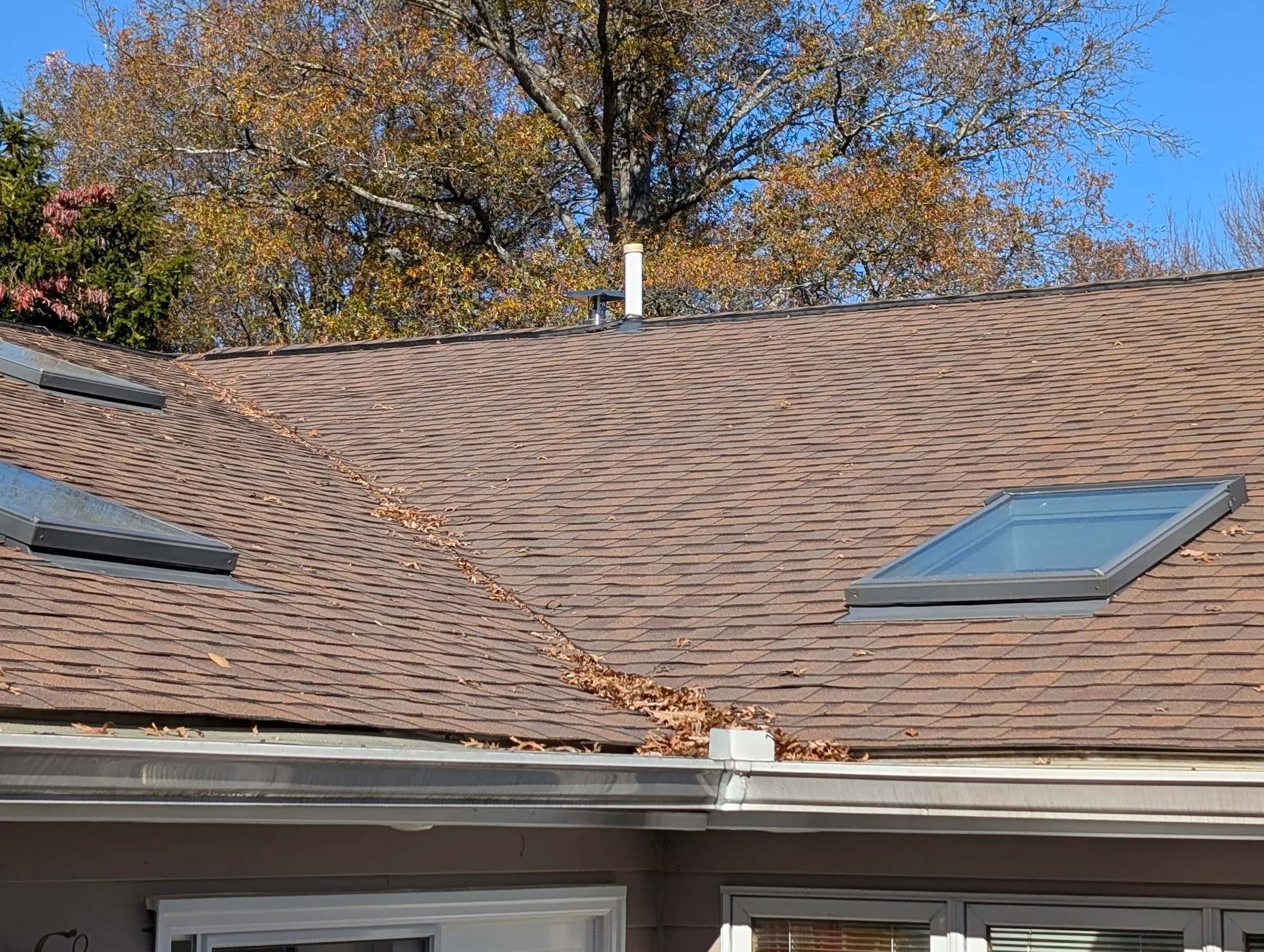
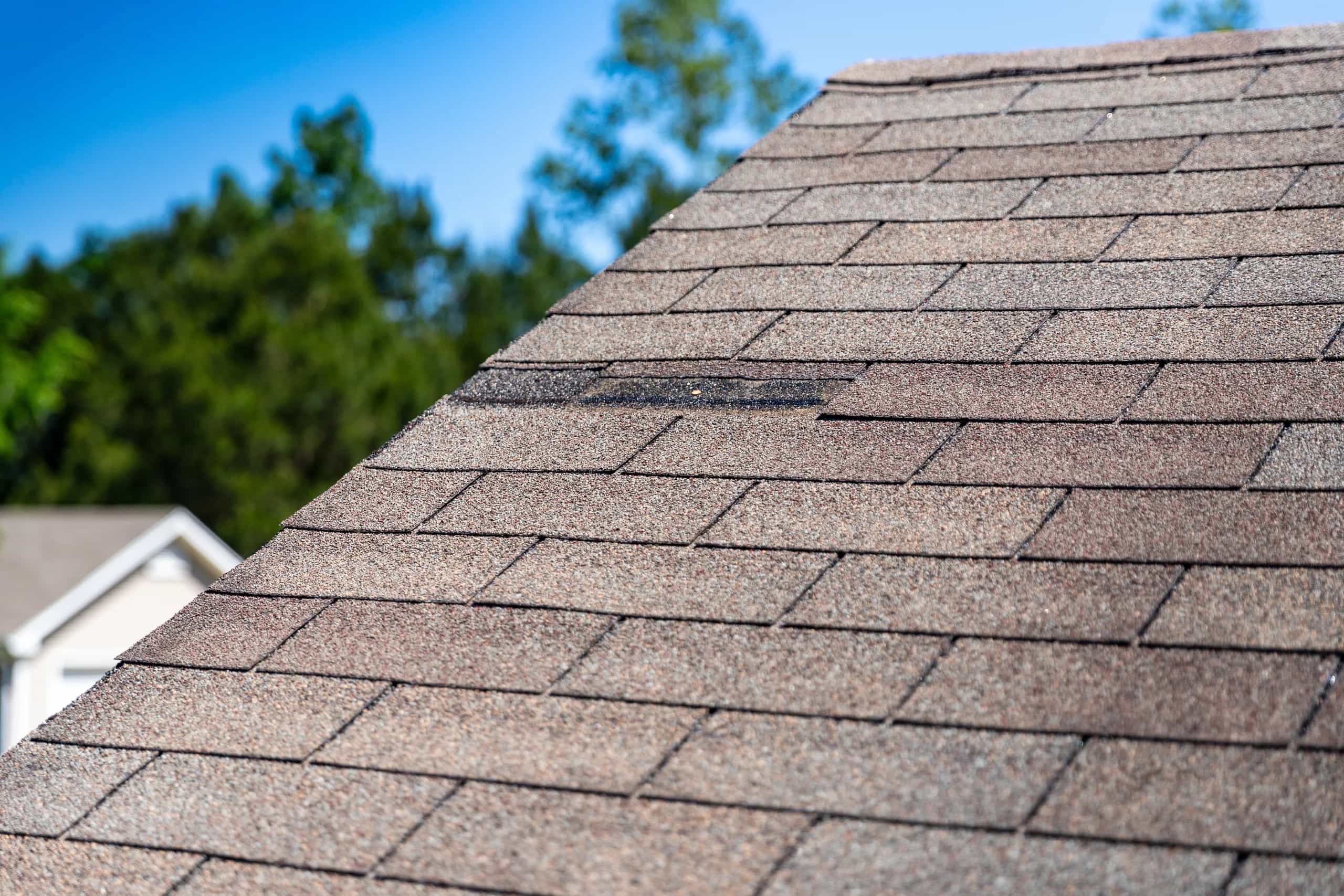
You notice a brown stain blooming on your ceiling or hear the drip of water into a bucket during a thaw. In a Canadian winter, it’s not always obvious whether you’re dealing with a failing roof, an ice dam, or just indoor condensation finding the coldest surfaces in your house. But the clock is ticking: left unchecked, moisture can damage finishes, insulation, and even structural components.
This guide is designed to help you do three things: recognize early signs of roof trouble, quickly decide whether you’re seeing an active leak or a condensation issue, and take safe, effective emergency steps until a professional can assess the roof. You do not need to be a contractor to follow these checklists—just observant, cautious, and methodical.
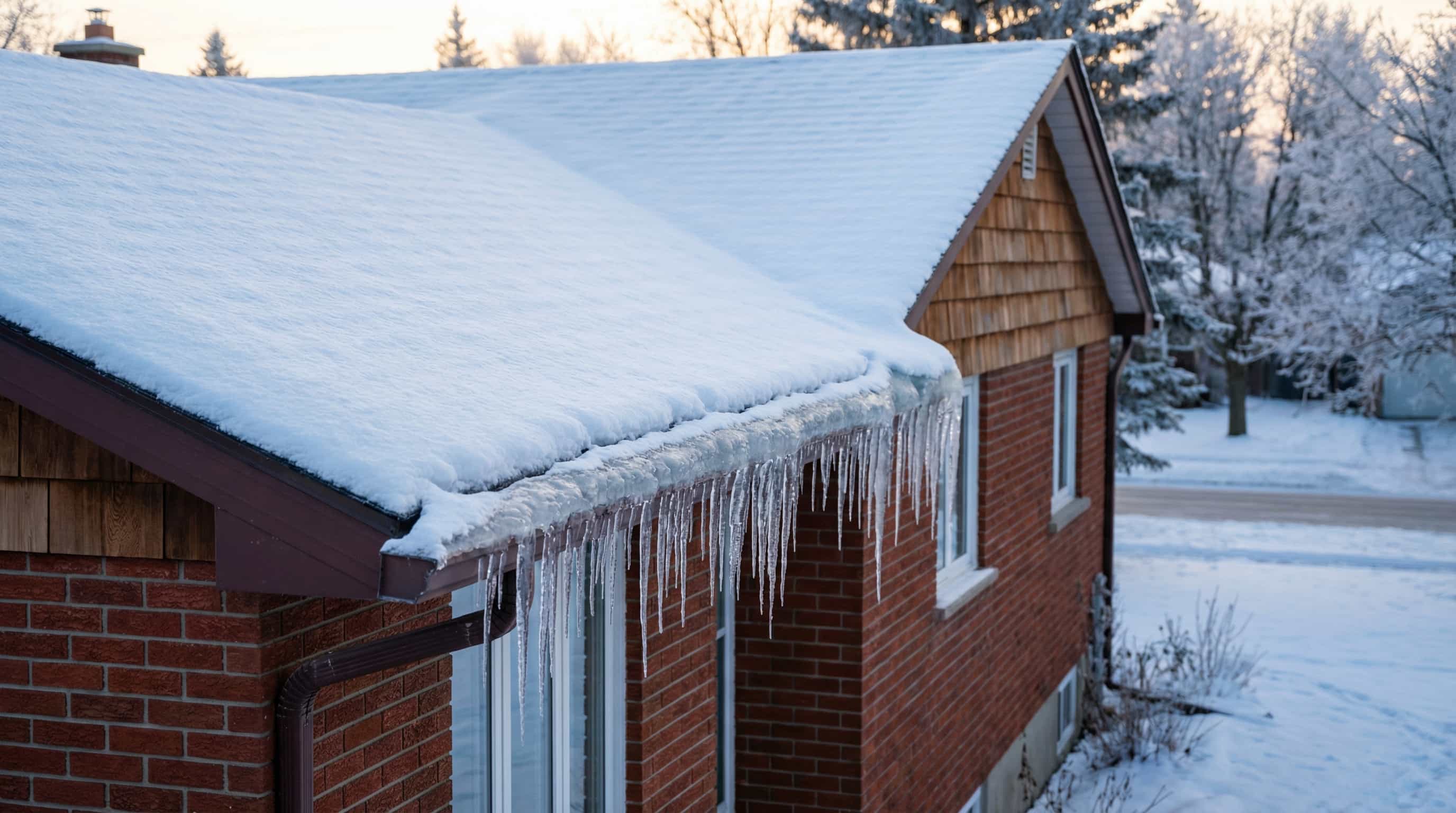
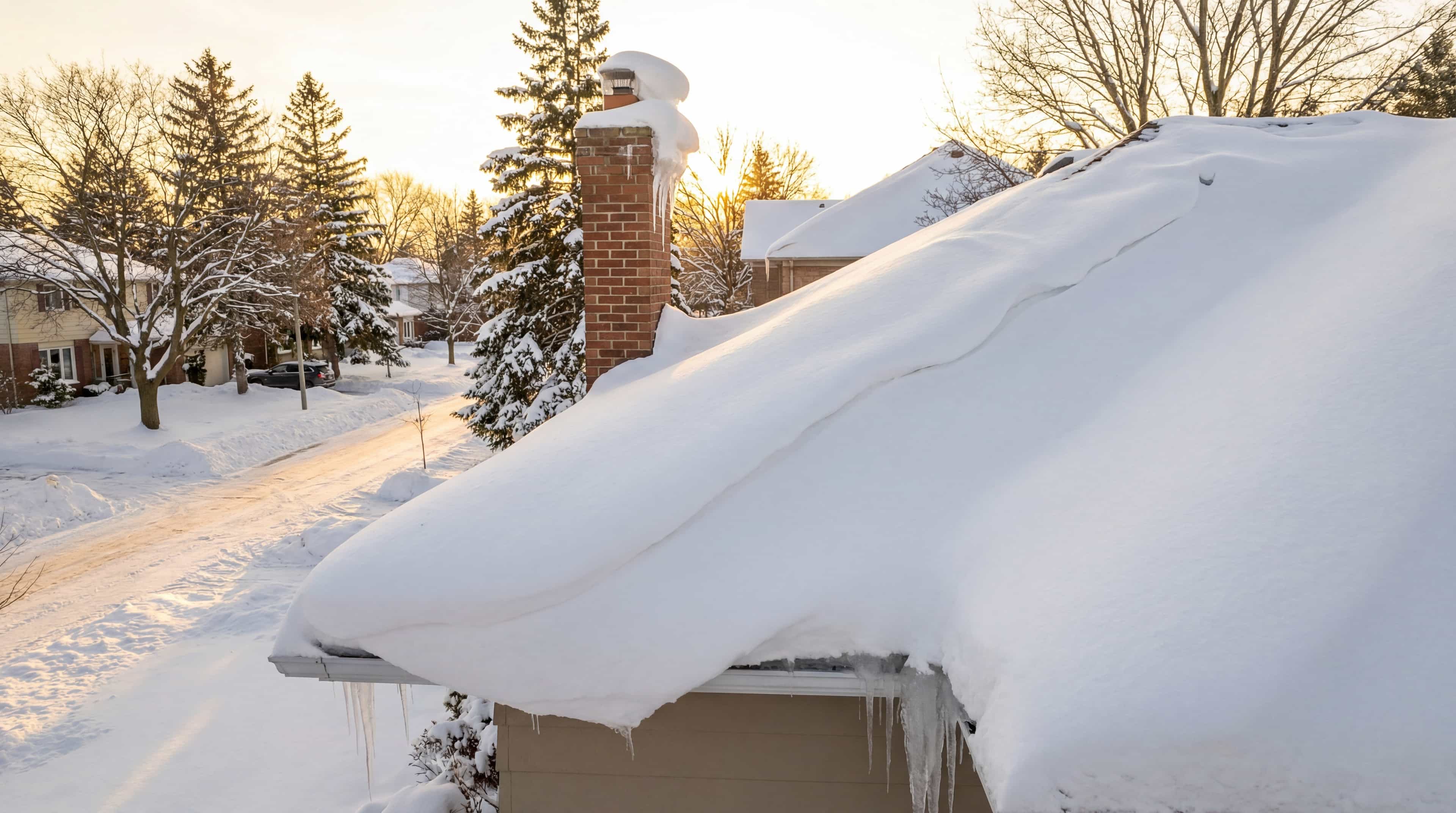
Canada’s climate adds complexity. Heavy snow and freeze–thaw cycles in Ontario and central Canada, frequent heavy rain on the West Coast, and intense hail events on the Prairies all stress roofs in different ways, with federal emergency guidance noting that heavy rain, heavy snow, and hurricane‑strength winds can all drive water into homes through vulnerable roofs and envelopes in different regions of the country, as outlined by the Government of Canada’s Get Prepared program on heavy rain, heavy snow, and hurricane hazards in its national guidance for severe weather preparedness.
At the same time, many “mystery leaks” in winter turn out to be indoor humidity condensing on cold surfaces rather than water coming through the roof at all, with Health Canada explaining that high relative humidity indoors can cause condensation and frost on cold surfaces such as windows, exterior walls, and other building elements even when there is no exterior water intrusion, which can still lead to moisture damage if not managed, as described by Health Canada. Understanding that distinction is one of the fastest ways to protect your home and avoid unnecessary roof work.
What follows is a practical, step‑by‑step framework. You’ll learn how to read indoor clues, connect them to what’s happening on your roof and in the weather, apply emergency “first‑aid” to your interior, and know when to call a professional urgently. Throughout, you’ll see guidance tailored to Canadian climates, so you can translate general advice into what actually matters on your street.