How Long Each Roof Actually Lasts
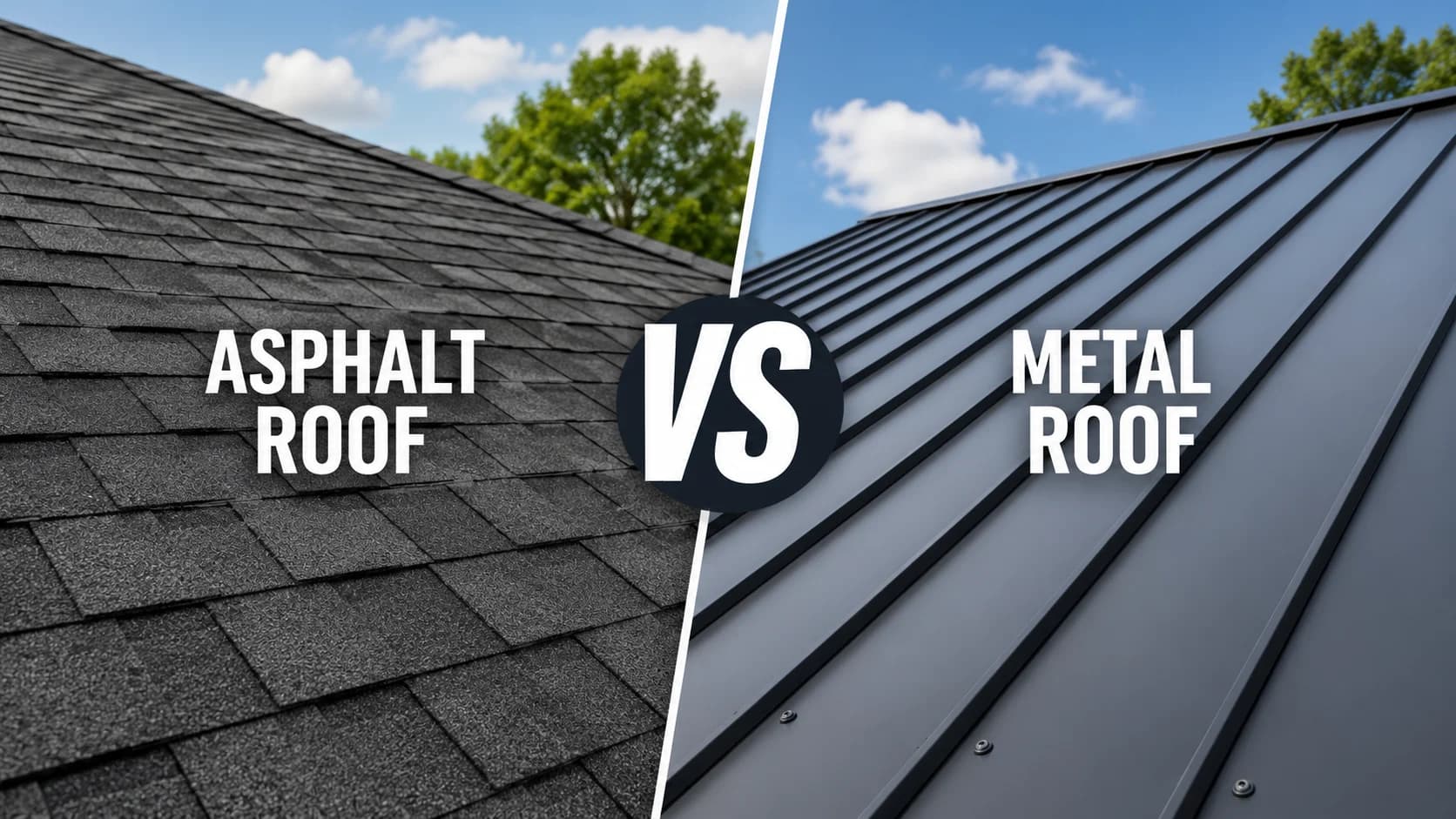
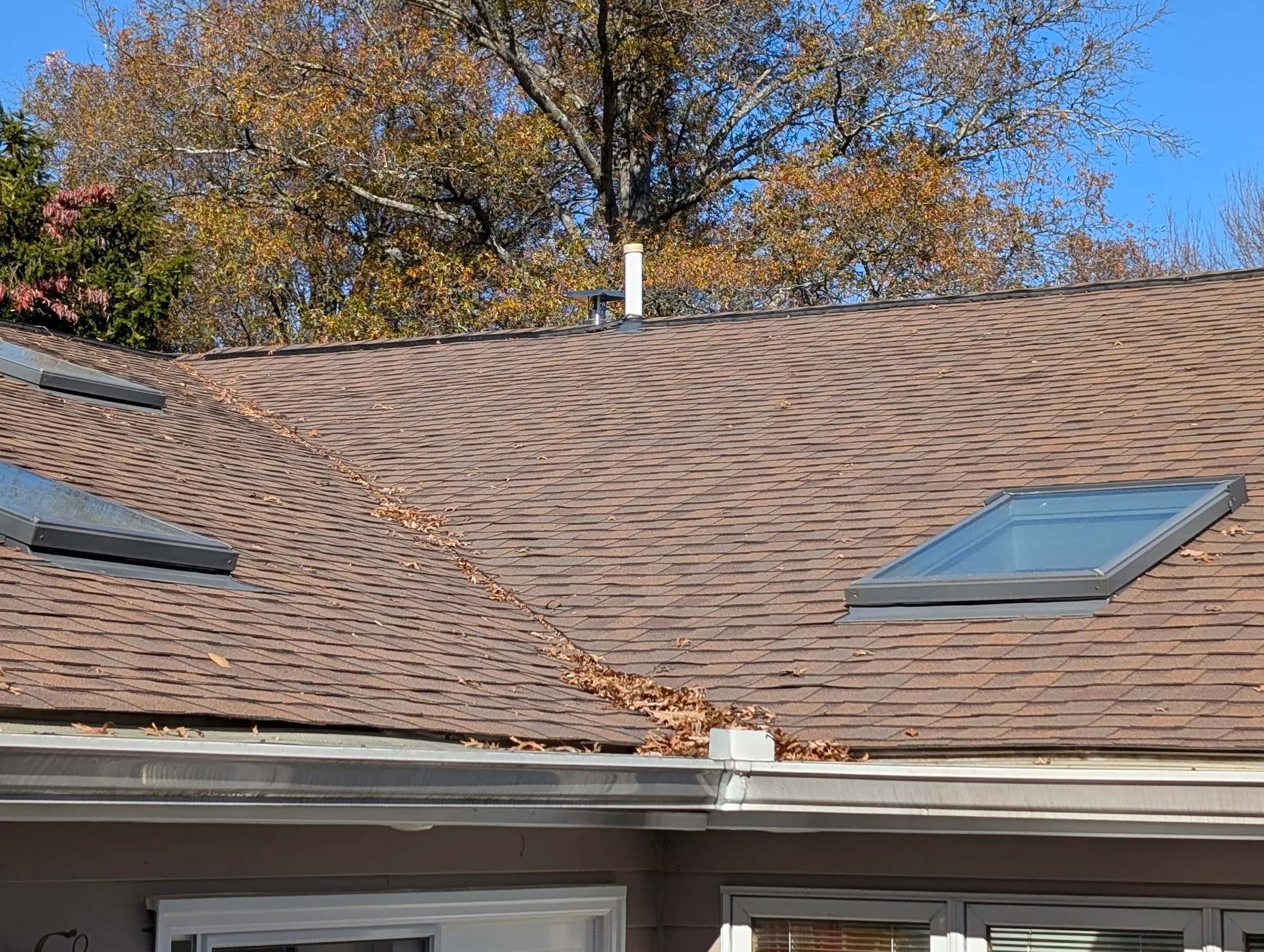
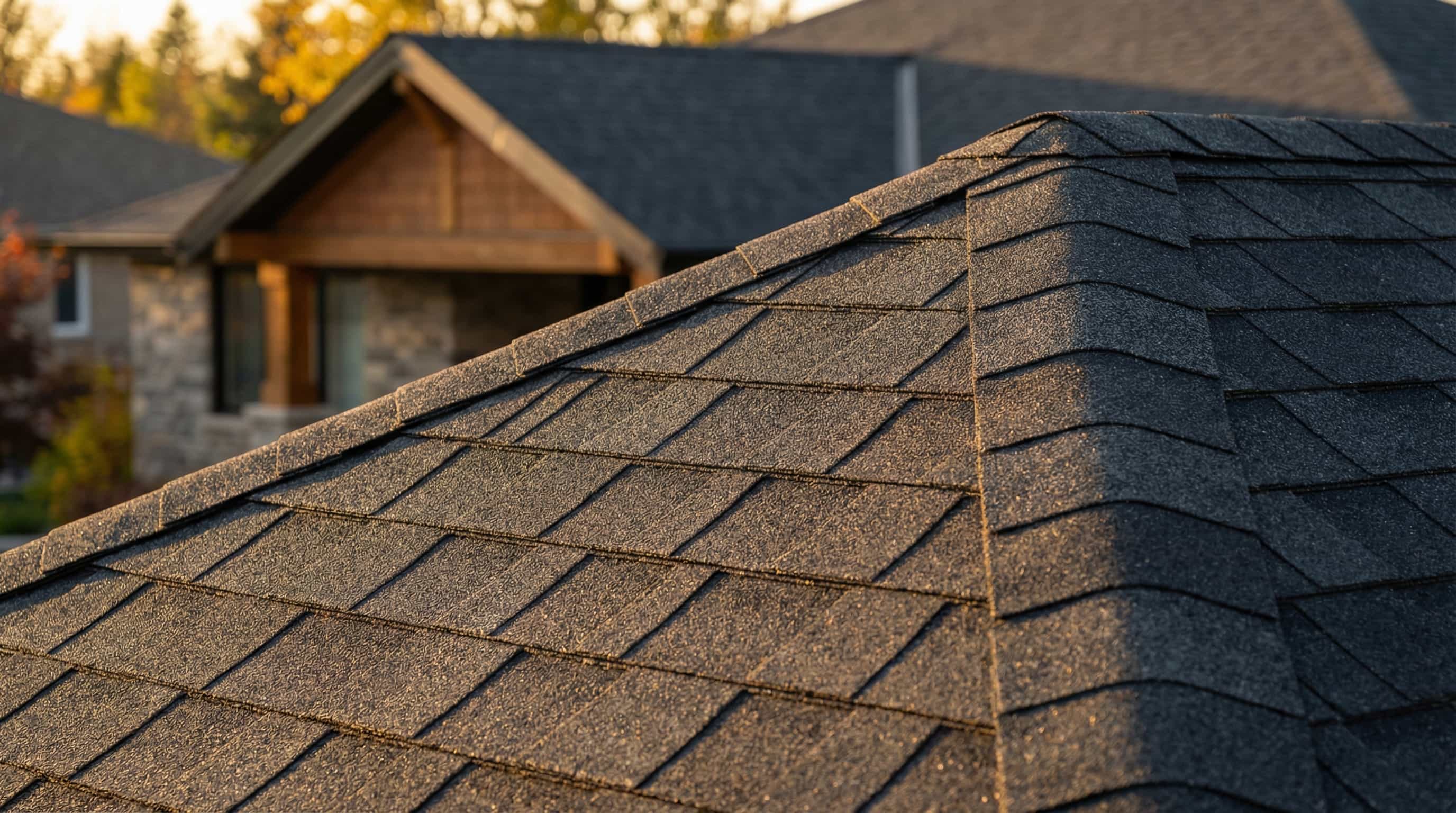
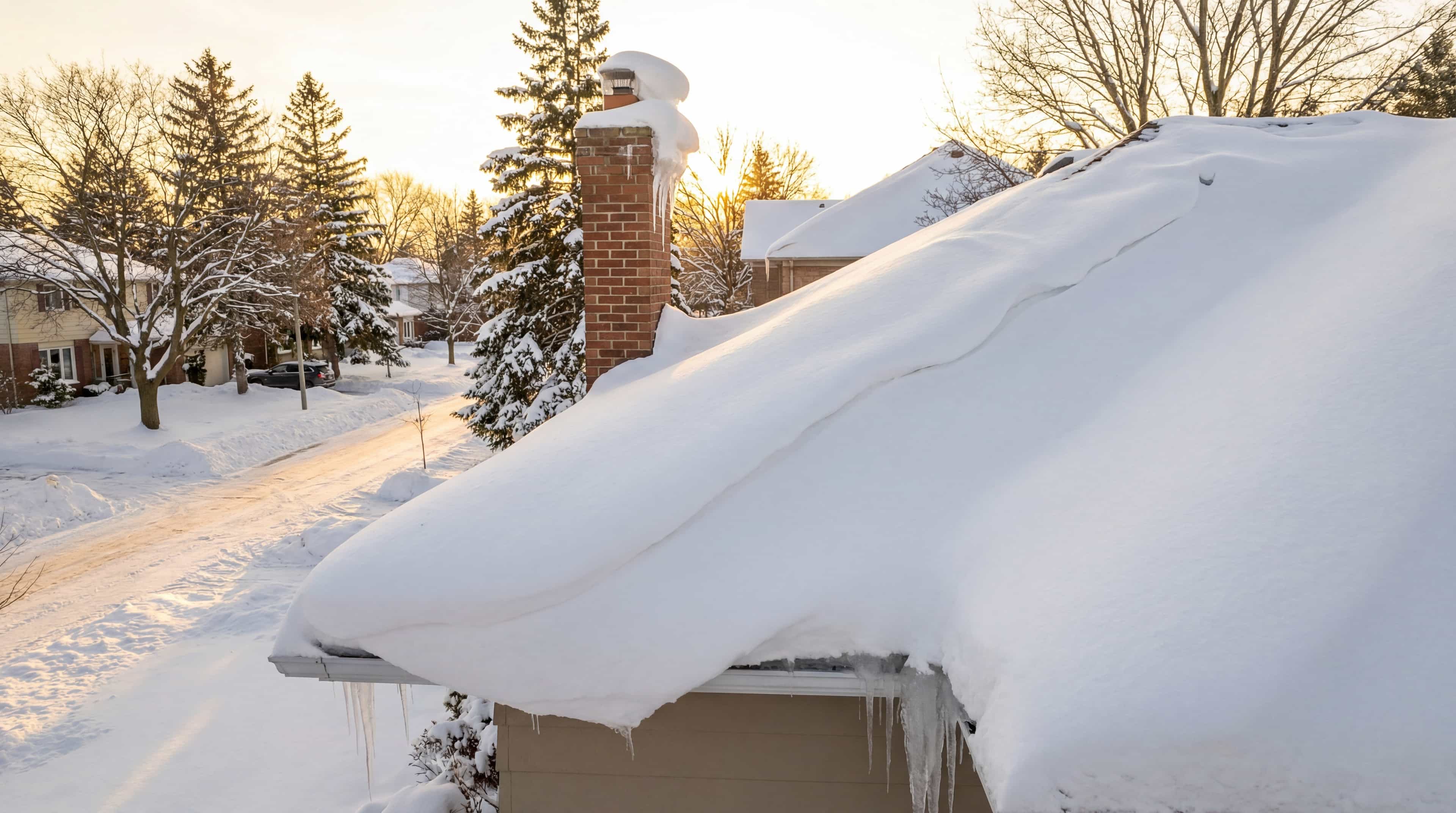
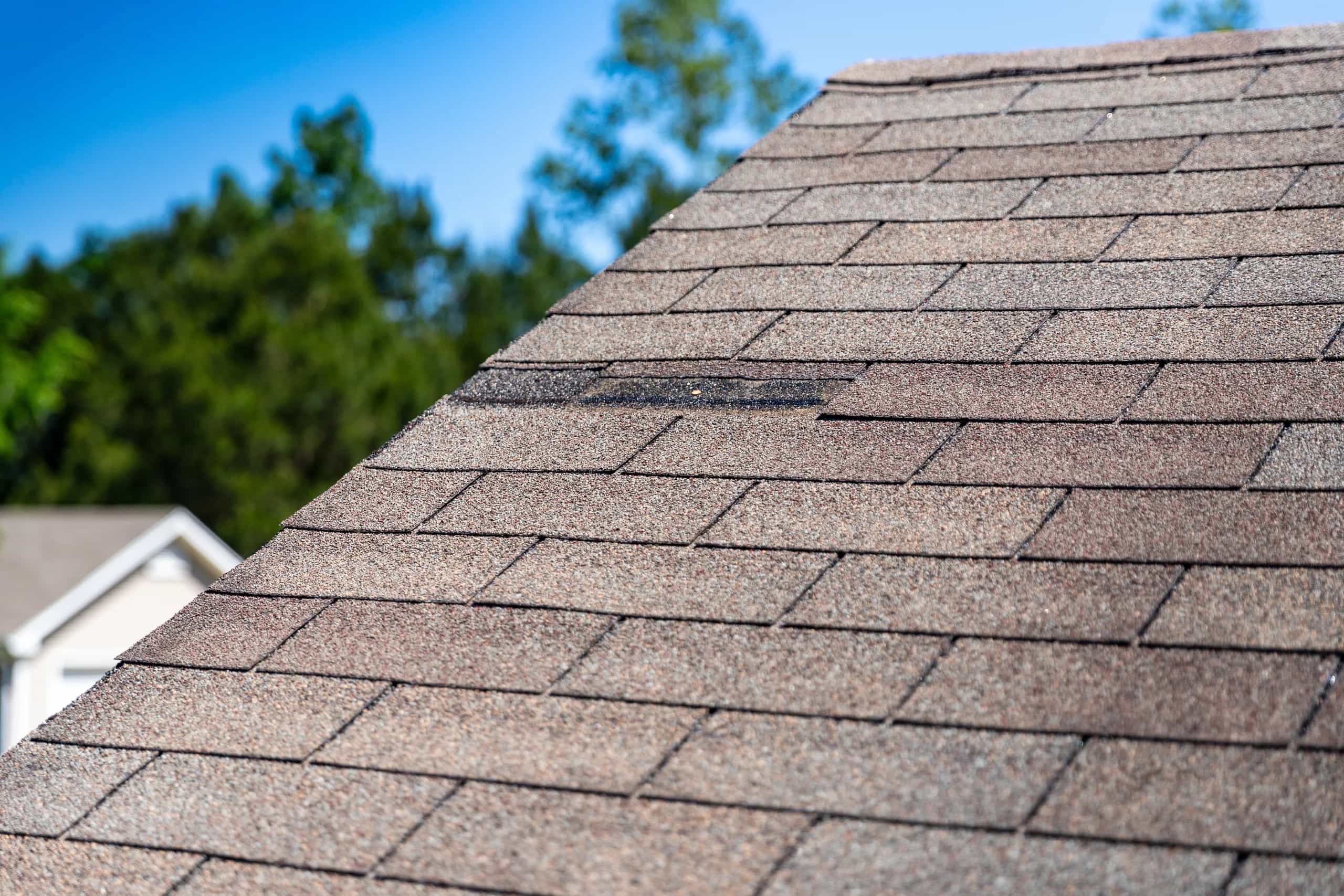
This is where the conversation gets interesting, and where the upfront gap starts to shrink. Asphalt shingles are usually rated for 15 to 30 years, but ratings assume gentler conditions than much of Canada delivers. As Green Building Canada notes in its material comparison, heavy snow and repeated freeze-thaw cycles tend to pull real-world life closer to 10 to 20 years in many regions, with basic three-tab shingles wearing out first and architectural shingles holding on a little longer.
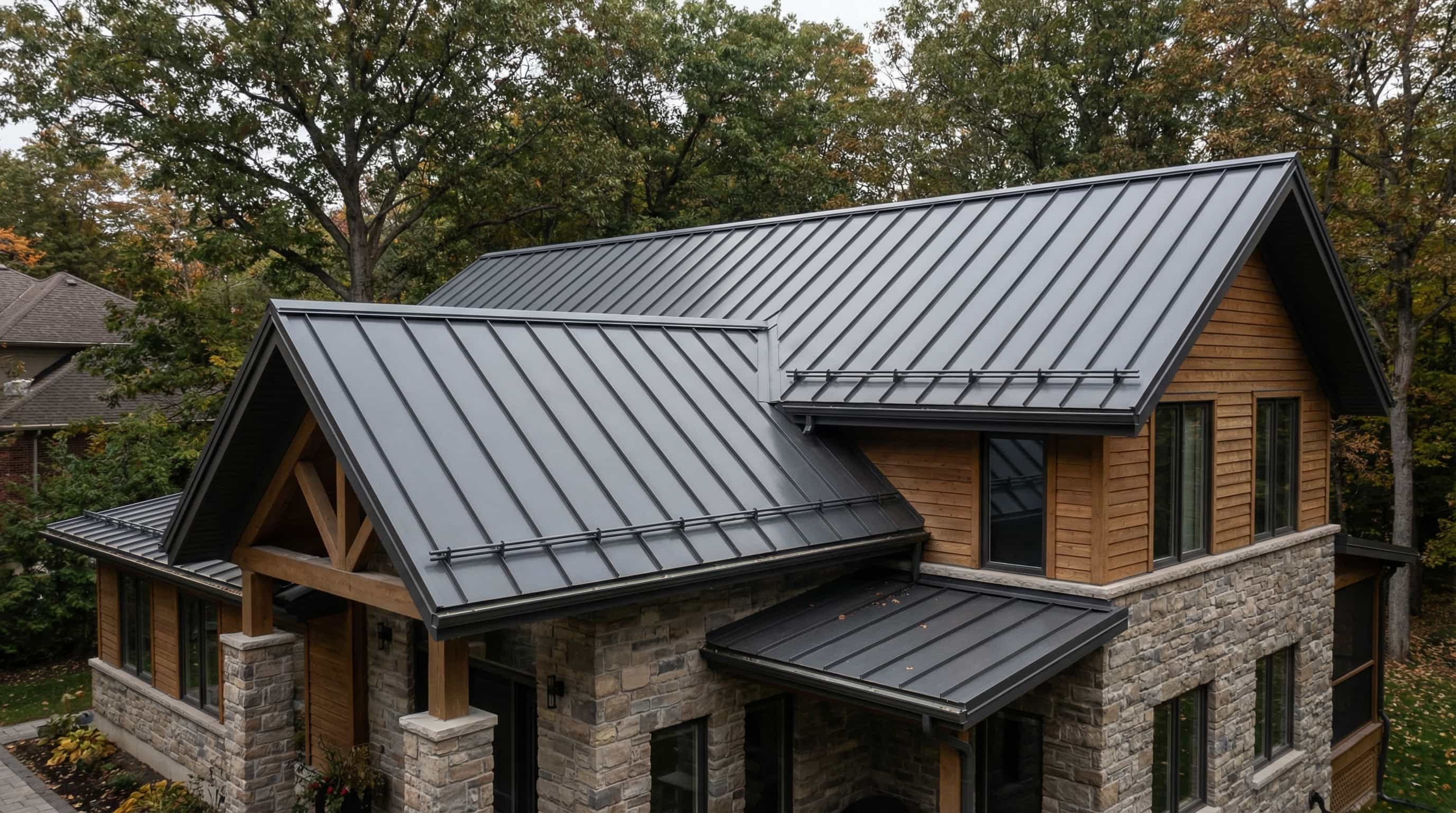
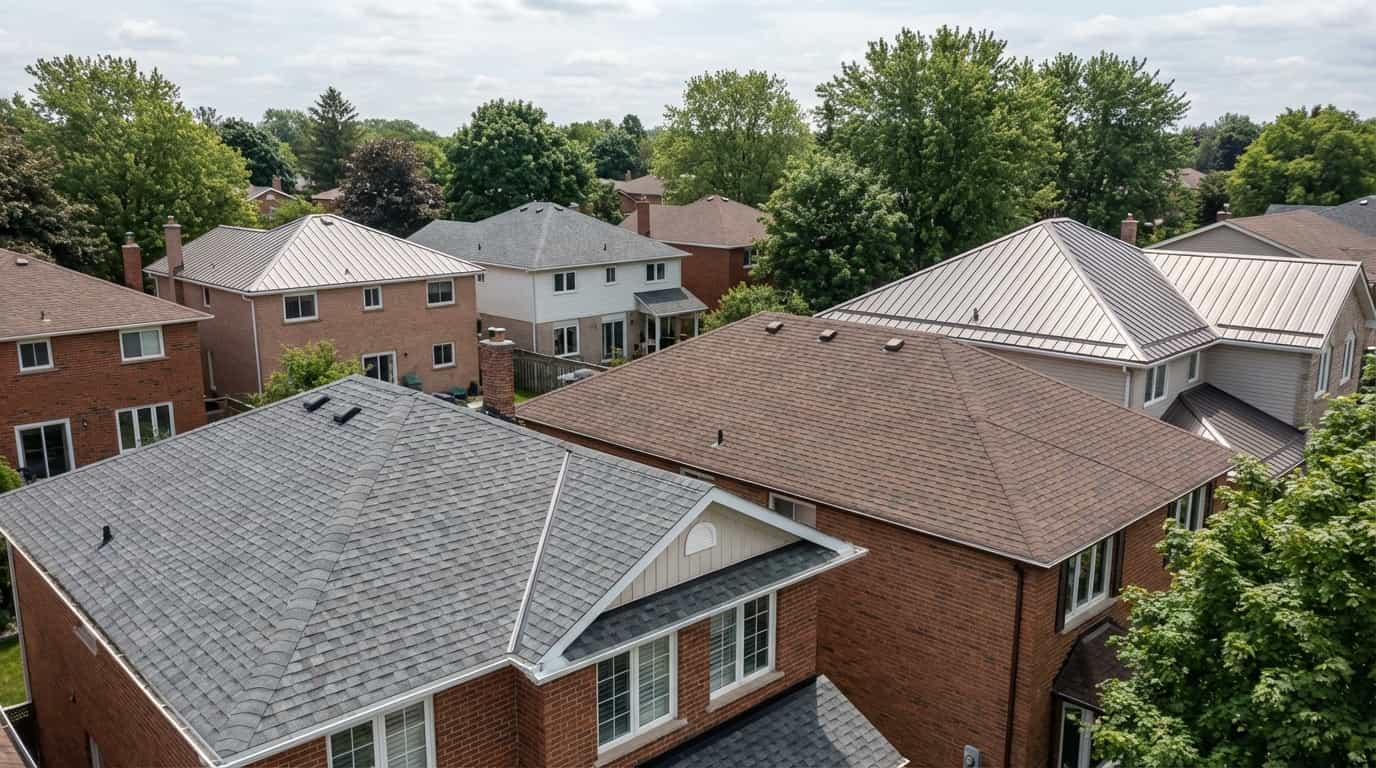
Metal plays a much longer game. Comparisons such as the one from Peace of Mind Exteriors describe properly installed metal roofs lasting roughly 40 to 70 years, with aluminum often in the 40-to-60-year range and premium copper or zinc potentially passing the century mark when maintained. For a long-term owner, metal is frequently a "buy once" roof, something you install and simply stop thinking about.
The Fifty-Year Math
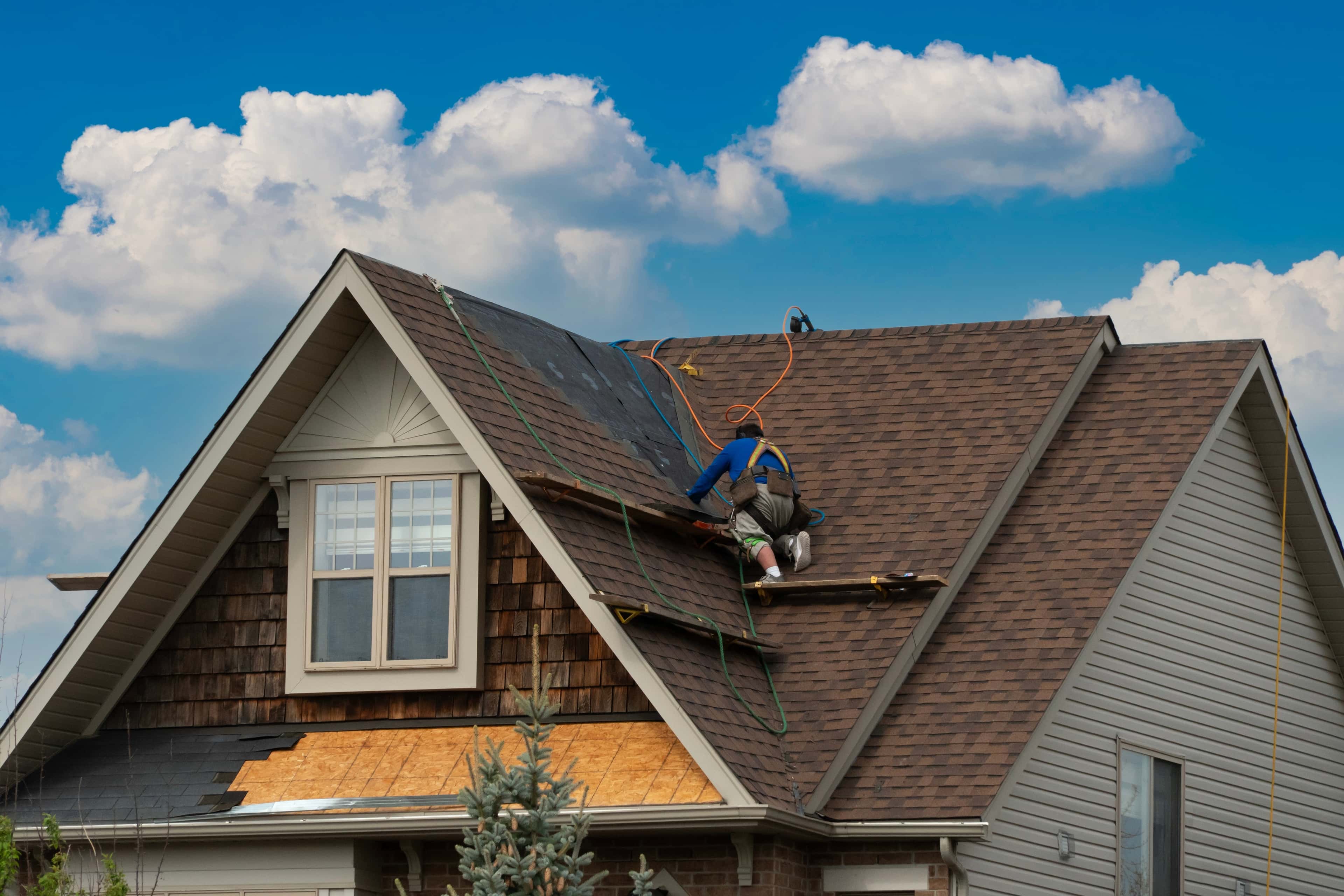
Picture two homeowners who both plan to stay put for decades. The one who chooses asphalt will likely replace that roof two, three, even four times over a 50-year span, while the one who chooses metal may install a single roof and never replace it. KB Better Construction's Canadian cost guide walks through this kind of lifecycle comparison, and the takeaway is consistent: spread over enough years, metal's higher sticker price narrows and can even reverse.
I want to be honest that this is illustrative math, not a guarantee. Labour rates, material prices, and how long you keep your home all move the result. But the principle holds, and it is the single most useful lens for this entire decision. If you will be gone in seven years, asphalt's lower upfront cost is hard to beat. If this is your forever home, metal's longevity is doing quiet financial work the whole time you live there. For a deeper look at one side of this equation, our guide to asphalt shingles in Canada covers types, brands, and when upgrades are worth the spend.