Alberta
Alberta's roofing market is defined by two forces: hail and insurance. Calgary sits in Canada's most active hail corridor, and severe weather events regularly drive demand spikes that push pricing and wait times upward.
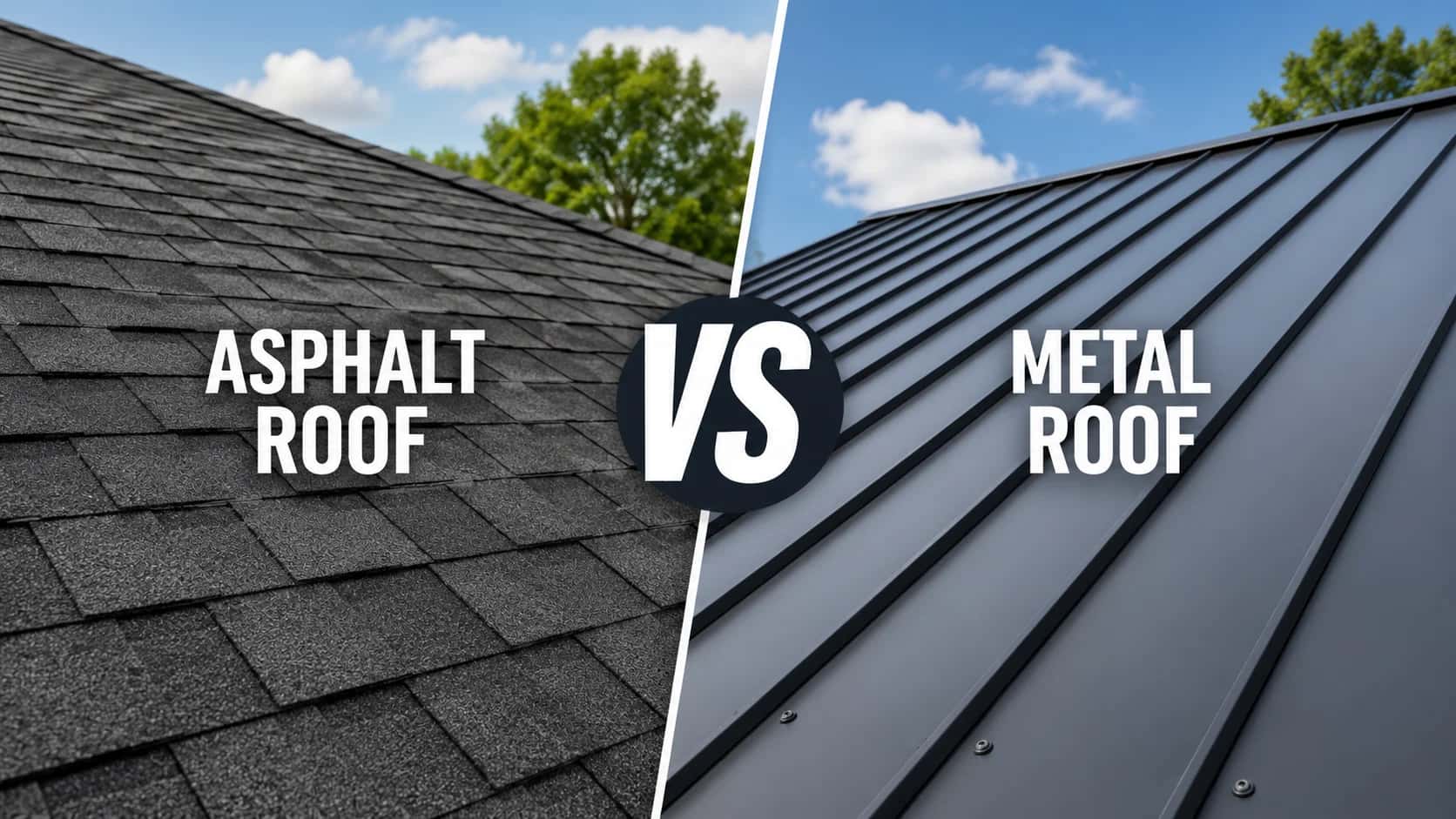
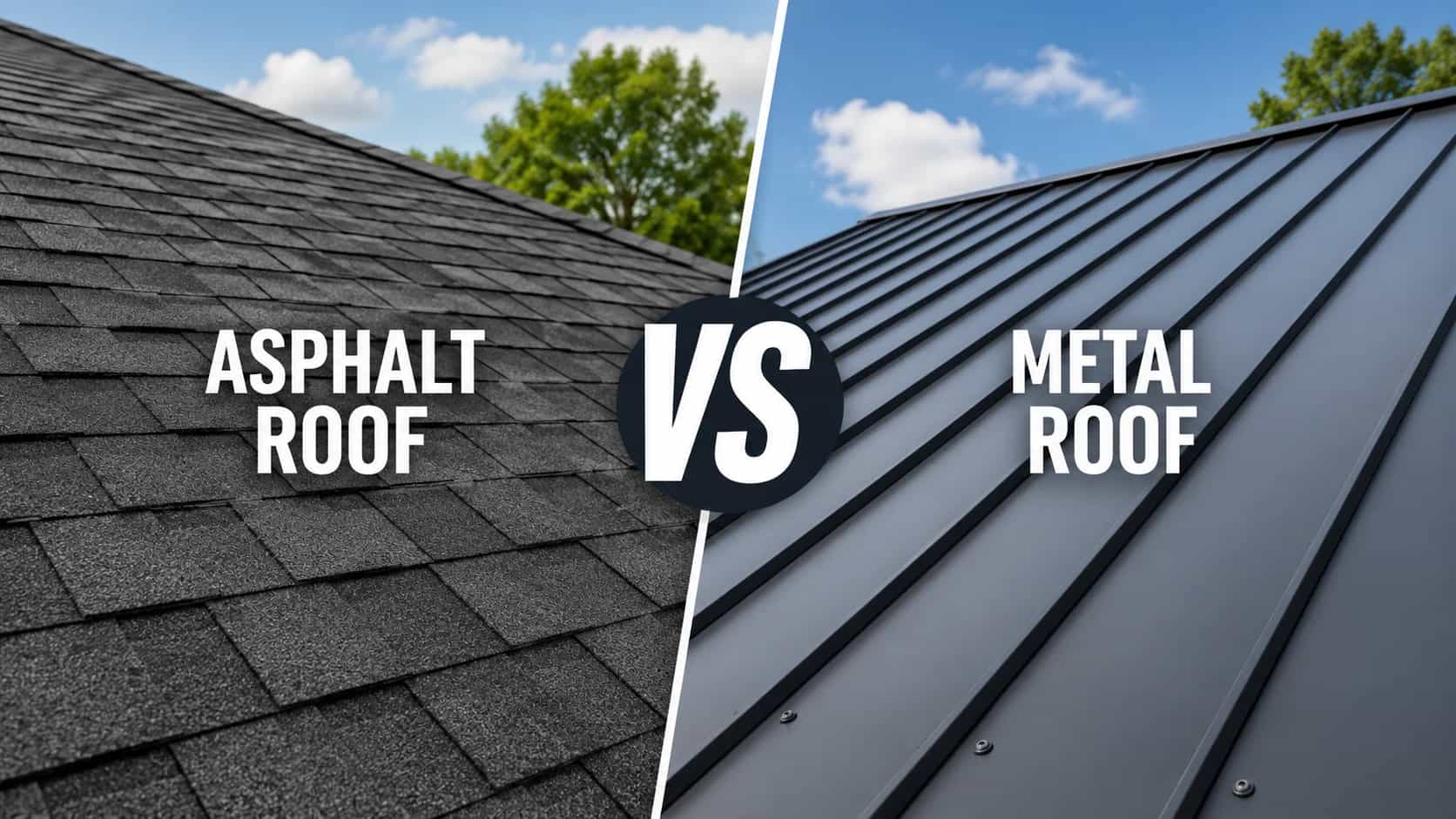
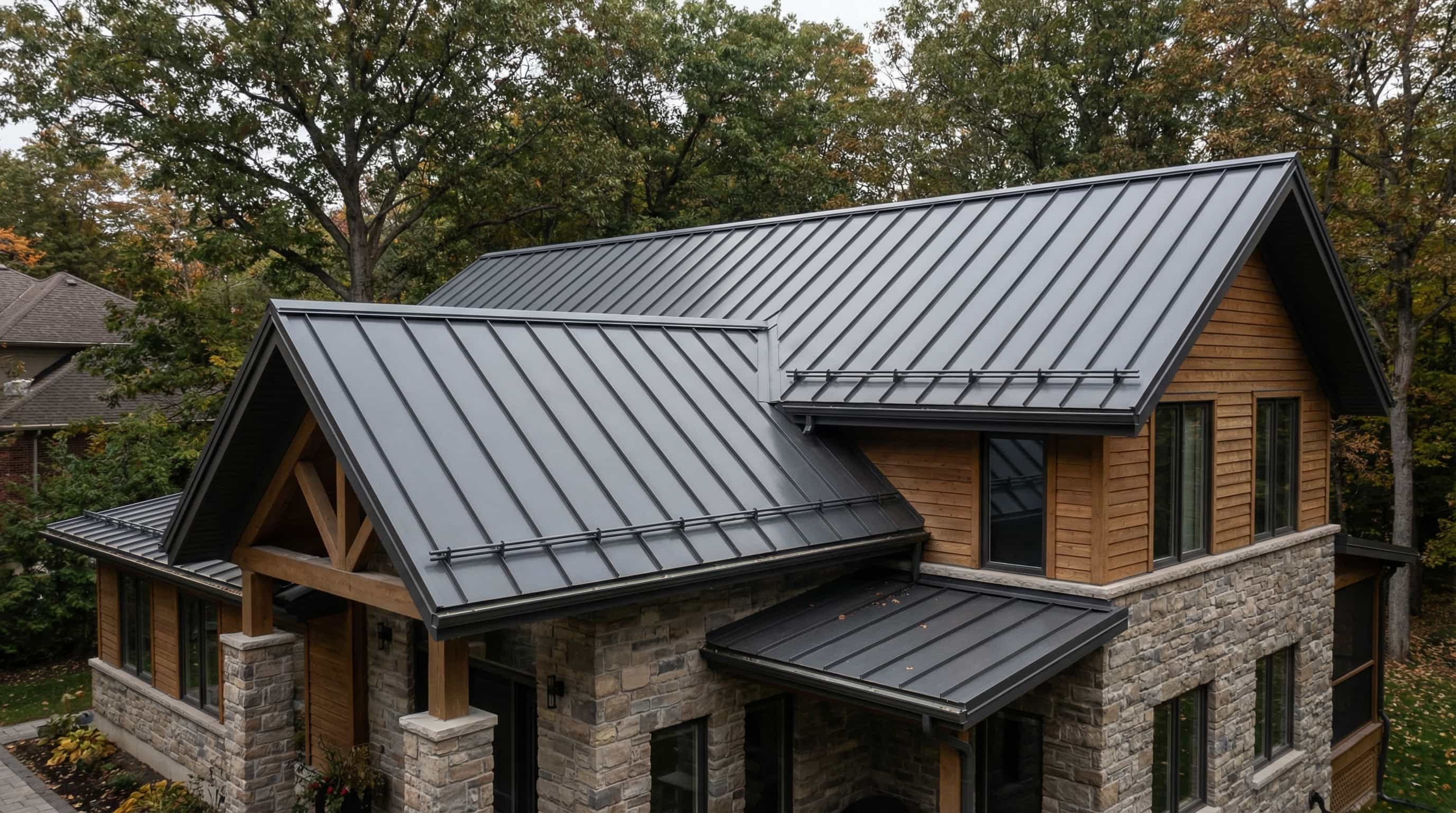
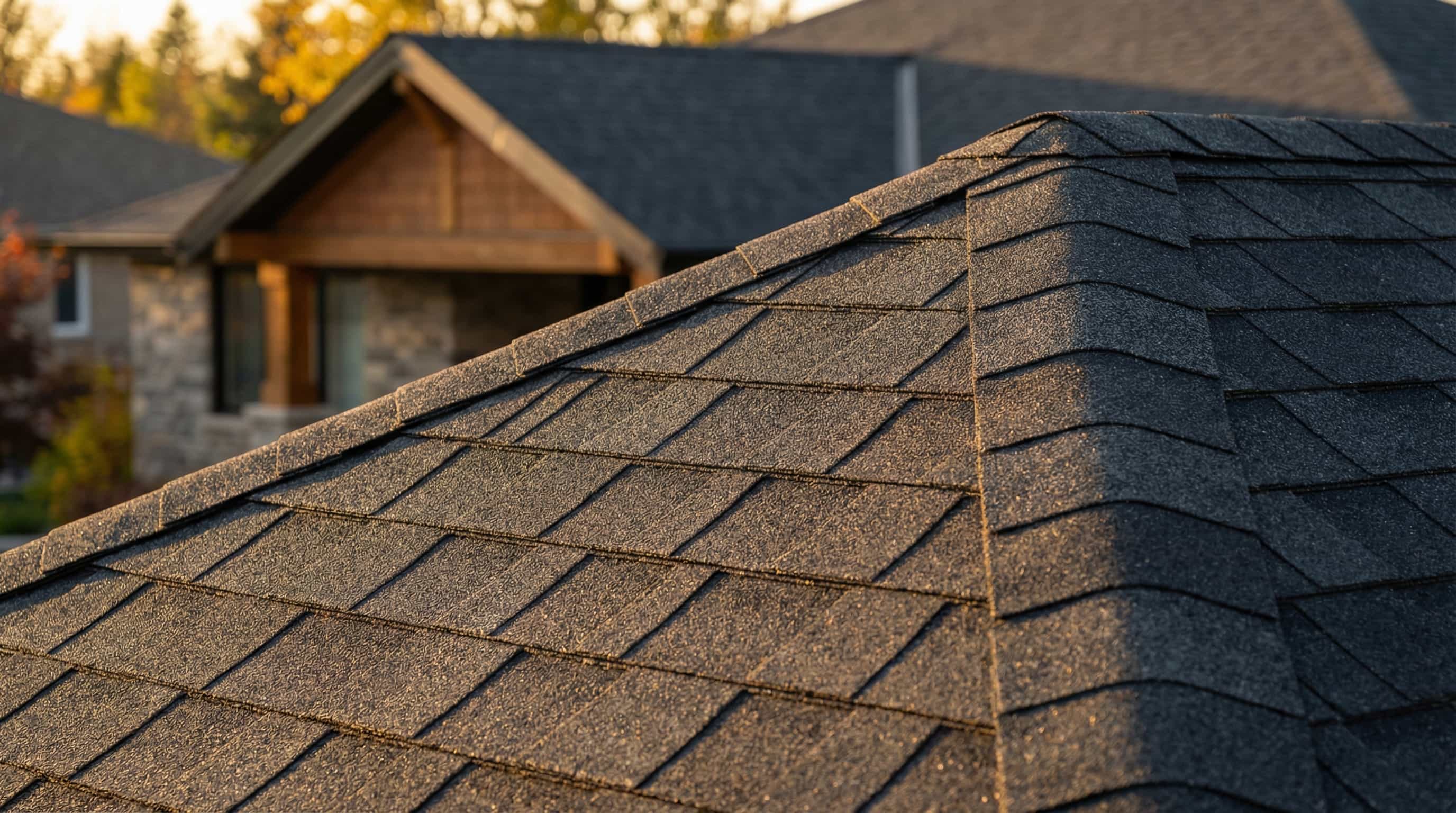
A 2025 Calgary roofing cost guide reports that average full replacement ranges from $8,000 to $26,000, with asphalt shingles at $4.25 to $6.75 per square foot and metal roofing at $9.00 to $14.00 per square foot. Labour costs alone run $2.75 to $5.00 per square foot, depending on material and pitch.
Impact-resistant shingles are gaining traction in Alberta — not just for durability, but because some insurers offer premium reductions for hail-rated products. Older homes in established Calgary neighbourhoods can cost 15% to 25% more due to hidden structural issues, unpermitted prior work, and tight access for equipment.
Alberta Building Code requirements for snow-load tolerance and wind-uplift resistance push material and engineering costs above what you'd see in milder provinces for the same house size and design.
Manitoba
Winnipeg and surrounding communities see pricing that reflects "Prairie" roofing economics: moderate labour costs relative to major urban centres, but climate demands that make proper installation non-negotiable.
A Winnipeg roofing cost guide reports that asphalt or fiberglass shingle replacement typically costs $6,000 to $10,000 for an average home, with metal roofing running $10,000 to $30,000 or more. Installation rates generally fall in the $3 to $5 per square foot range, and the average Winnipeg home has between 1,500 and 3,000 square feet of roof area.
Cold-climate installation details matter enormously here. Ice and water shield in valleys and along eaves, adequate attic ventilation, and proper sealing against spring meltwater infiltration are not optional upgrades — they are the difference between a roof that lasts and one that fails early. Cheap installs that skip these steps will cost more in the long run.
Saskatchewan
Saskatchewan pricing tracks closely with Manitoba, shaped by similar climate and comparable labour markets. For standard asphalt shingle roofs, homeowners in Saskatoon and Regina can expect costs in the $6,000 to $15,000 range, with per-square-foot pricing broadly consistent with the national $4 to $7 band. Smaller communities may see higher logistics costs, and fewer available contractors can reduce competitive pressure on pricing.
Quebec
Quebec's roofing costs sit toward the higher end of national averages, driven by heavy snow loads, stringent building standards, and a labour market with its own regulatory framework.
A Quebec roofing cost guide reports asphalt shingle costs between $6 and $12 per square foot installed, with total prices for sloped-roof replacement commonly starting around $11 to $14.50 per square foot including installation. RenoAssistance estimates that a standard bungalow shingle replacement runs roughly $7,000 to $9,500, with larger or complex homes pushing well above that.
Montreal offers the most competitive market in the province, while Quebec City and smaller regional centres may carry higher pricing due to fewer contractors and seasonal demand compression. Quebec's construction labour regulations and the role of the Régie du bâtiment du Québec (RBQ) in contractor licensing mean that verifying credentials is both more structured and more important than in some other provinces.
Atlantic Canada (New Brunswick, Nova Scotia, Prince Edward Island, Newfoundland and Labrador)
Atlantic Canada's roofing costs are influenced by coastal weather exposure, smaller and less competitive labour markets, and the logistics of material delivery to more remote communities.
For standard asphalt shingle replacement, many bungalow and cottage-style homes in the Atlantic provinces fall in the $7,000 to $15,000 range depending on size and access. Coastal homes exposed to salt air and persistent high winds often require higher-performance materials — or more frequent replacement of standard ones — which shifts the lifecycle cost equation.
The smaller contractor pool in many Atlantic communities means fewer quotes to compare. It also means the quality gap between a good contractor and a poor one can be wider. Checking references and workers' compensation coverage is especially important where the market offers less natural quality filtering.
The Territories (Yukon, Northwest Territories, Nunavut)
Roofing in the territories operates under a fundamentally different cost structure than southern Canada. Three factors drive prices well above national averages.
First, material logistics. There is no local asphalt shingle manufacturing in the territories — every bundle of shingles, sheet of plywood, and roll of underlayment must be shipped north. In many Nunavut and NWT communities, this means barging materials during a short summer shipping window (typically July through September), which compresses supply timelines and adds freight costs that can represent 30% or more of the material bill. Miss the barge season and you're waiting a full year or air-freighting at extreme cost.
Second, extreme climate engineering. Roofs in the territories must withstand some of the most demanding conditions on the continent: sustained cold well below -40°C, heavy snow loads, persistent wind, and extreme temperature differentials between heated interiors and frozen exteriors. This requires highly specialized vapour barriers to prevent interior moisture from condensing inside the roof assembly — a failure mode that can destroy a roof structure from the inside within a few years. Insulation and ventilation requirements are significantly more demanding than even Northern Ontario or the Prairies.
Third, labour supply. Qualified roofing crews are scarce in remote communities, and flying in southern contractors adds travel, accommodation, and per-diem costs to every project. The combination of limited competition and high mobilisation costs means homeowners have less negotiating leverage than in any southern market.
For homeowners in territorial communities, budgeting should start above the upper end of national ranges — often 40% to 60% higher for comparable materials and scope — and include significant contingency for logistics delays and weather-related work stoppages.