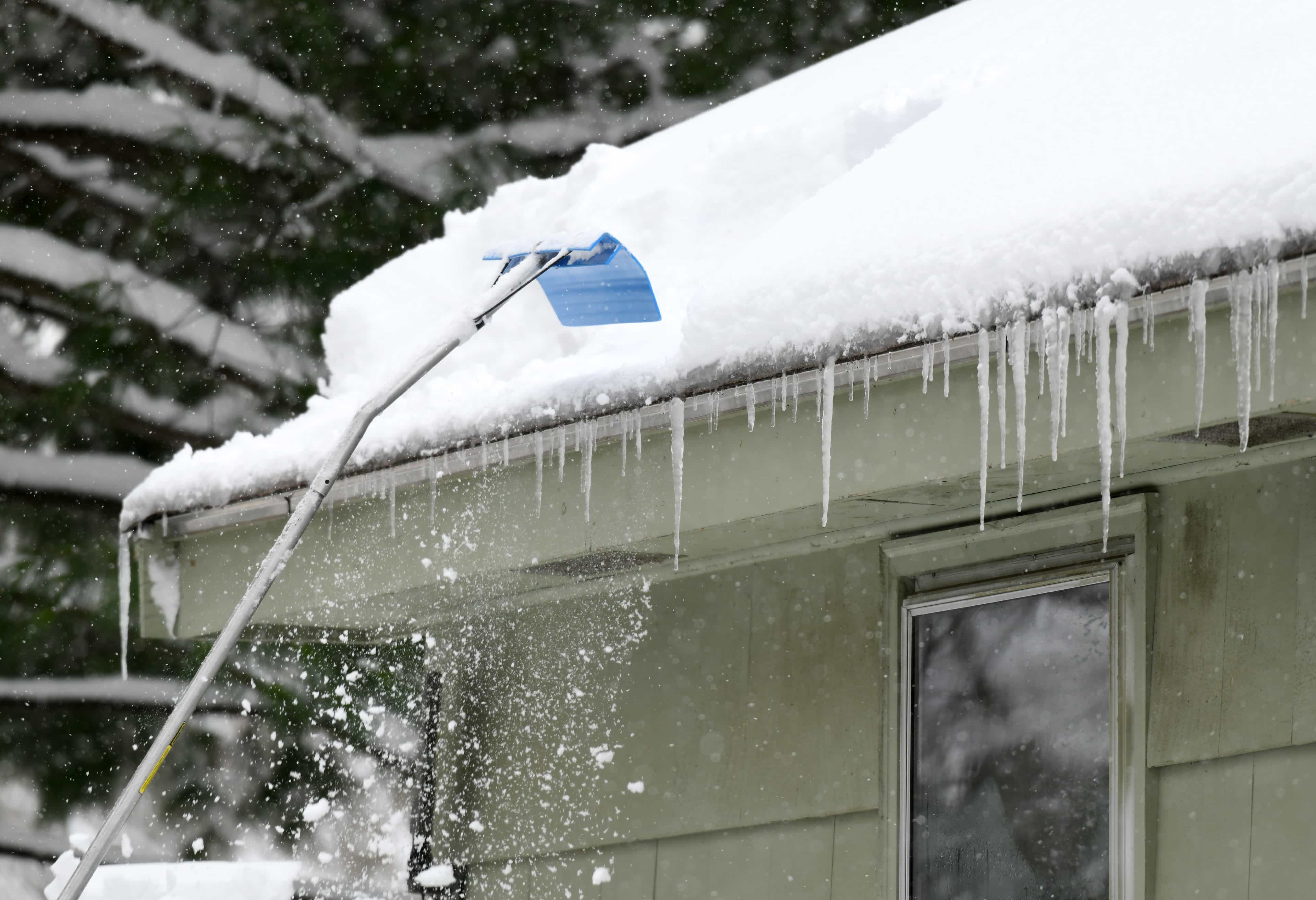
Drainage Pathways, Freeze–Thaw, and Ice Dams
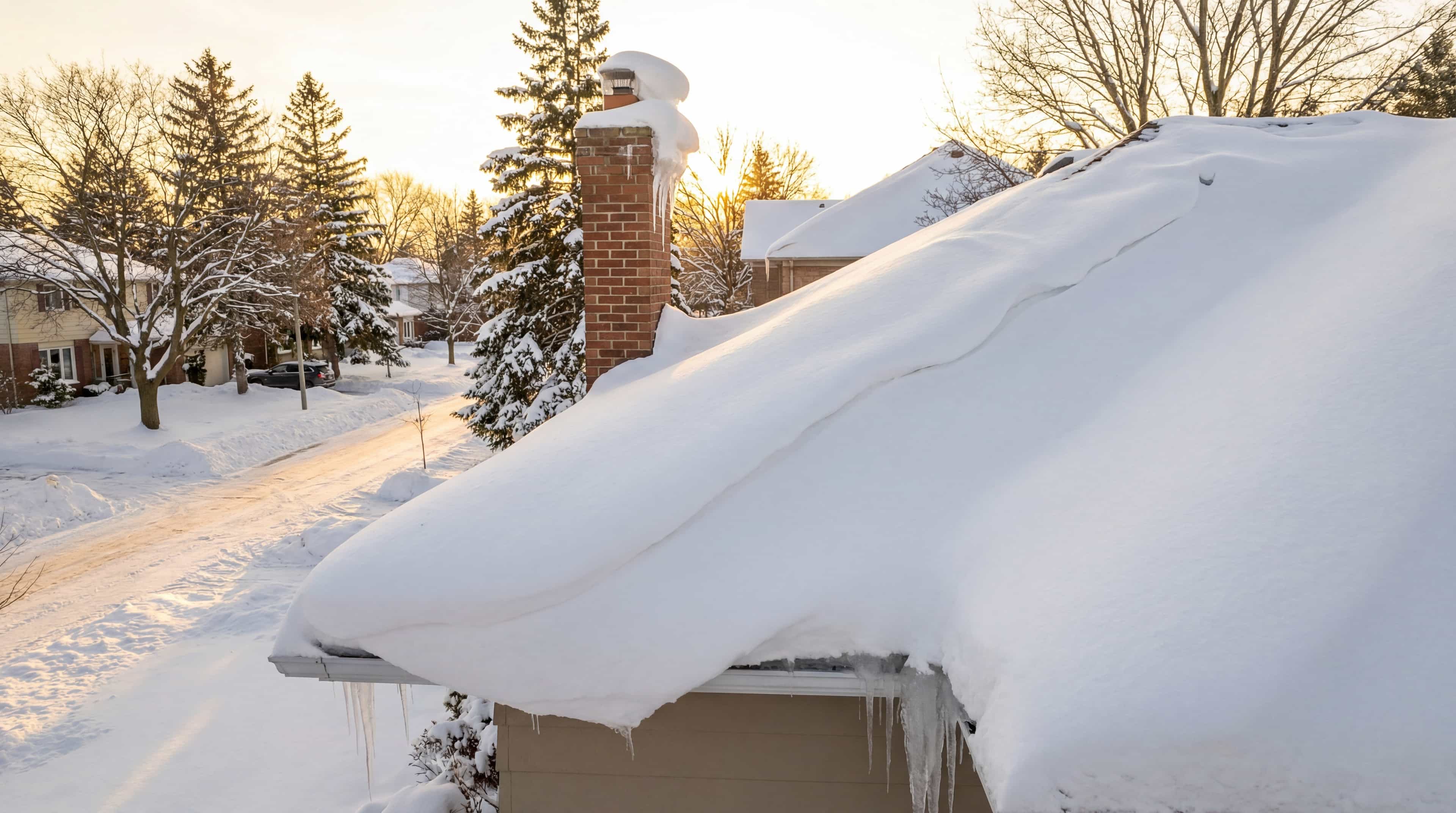
Canadian winter performance is less about “will it keep leaves out?” and more about what happens when snow sits on the roof edge, meltwater runs, then temperatures drop again. The guard you choose changes where water travels, where it slows down, and where ice starts to build.
To ground the winter conversation in reality, consider the scale of snow exposure many homeowners live with:
The Ice-Dam Myth, Cleared Up
A common homeowner worry is: “Will adding guards cause ice dams?” It’s the wrong framing.
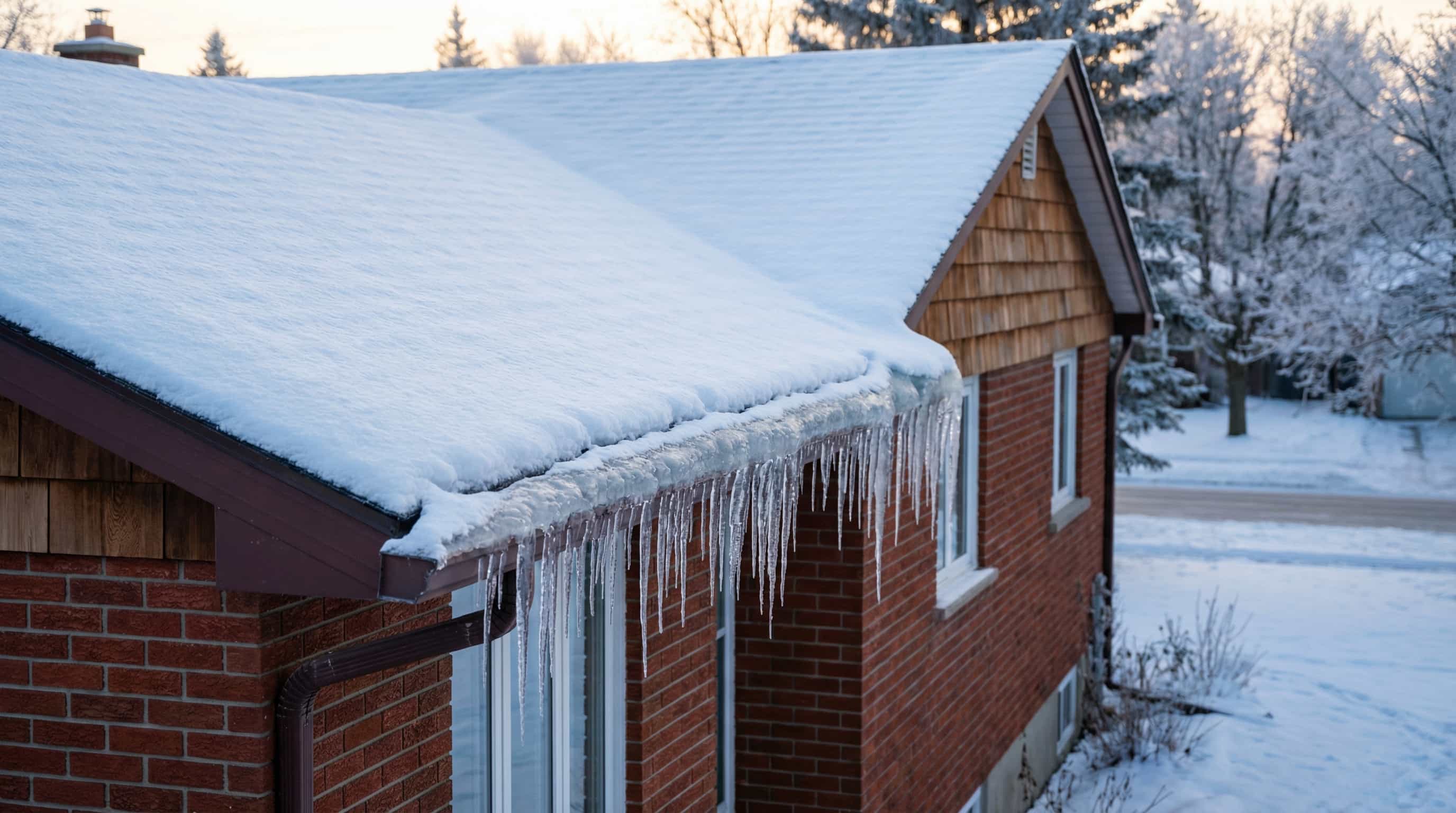
The more accurate framing is: ice dams are primarily driven by roof-edge temperature patterns and refreezing, while eavestroughs (and any guards on them) can influence where that ice accumulates and how fast meltwater escapes. For myth-busting in a Canadian insurance context, ThinkInsure’s ice damming prevention guide explains that gutters do not cause ice dams, but because water freezes there, that’s where they form, and it emphasizes keeping gutters clear while also addressing roof ventilation and insulation.
From another Canadian insurer’s perspective, Westland Insurance’s overview of ice damming lists blocked gutters among the causes because clogs prevent proper drainage and increase the risk of ice accumulation and water backing up under shingles. That’s a useful mental model: guards can reduce one contributing factor (blockages), but they won’t eliminate ice dams if your roof edge is chronically warm and your eaves are chronically cold.
If you’ve dealt with persistent ice dams, the most reliable fixes tend to be “inside the house,” not bolted onto the outside. In an Ottawa-specific guide, Clear Ottawa’s ice dam prevention article emphasizes maintaining an even roof temperature through attic insulation, air sealing, and ventilation rather than relying solely on exterior add-ons, and that logic applies broadly across cold Canadian cities.
How Guards Behave When Ice Shows Up
Most guard failures in winter trace back to one of these pathways:
- Water can’t enter fast enough, so it sheets over the guard and freezes at the edge.
- Water enters but can’t exit, usually due to a blocked downspout or an ice plug near the outlet.
- Snow and ice load deforms the guard, creating gaps or sag that traps debris and water later.
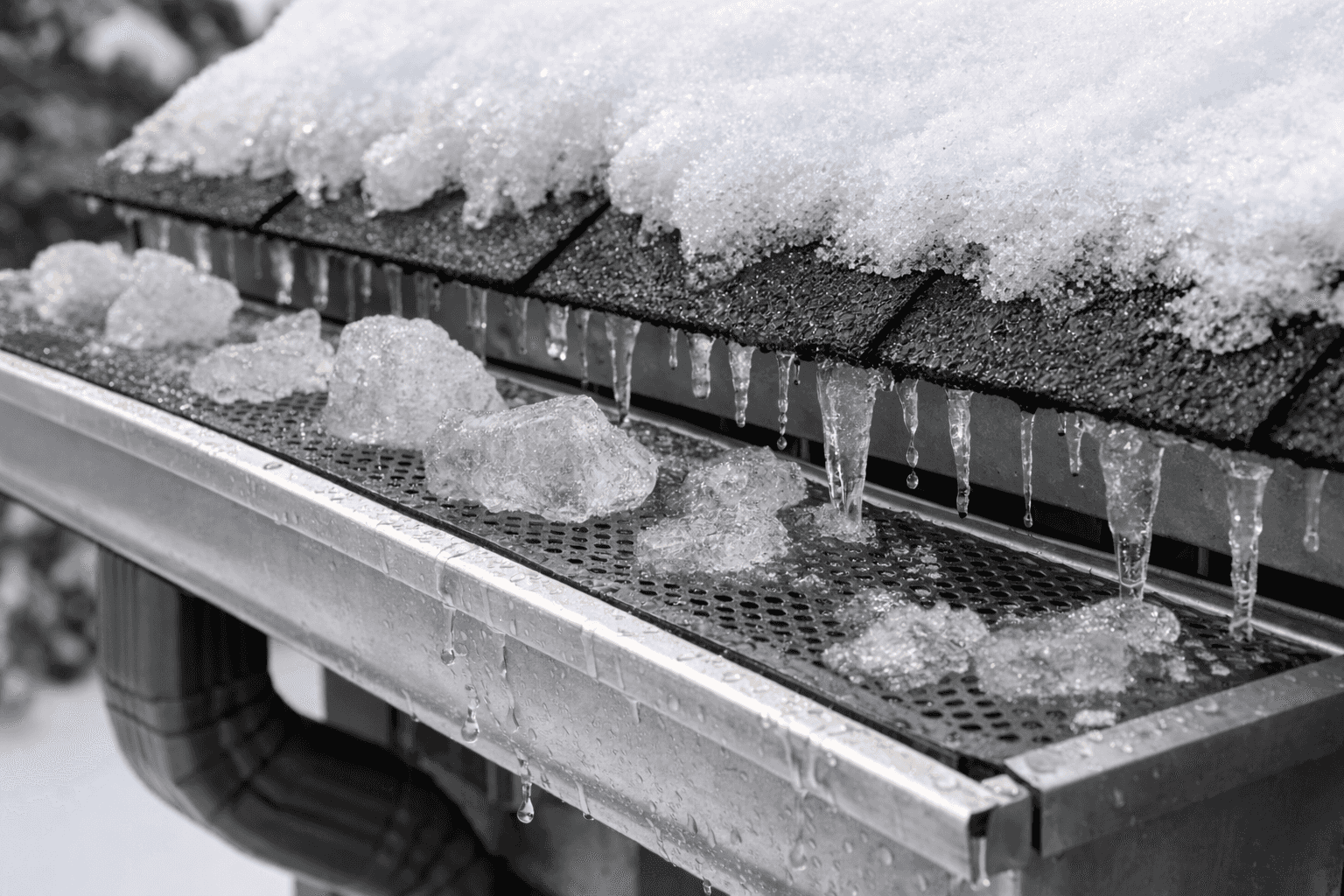
Even when guards don’t “cause” ice dams, they can change the drainage behaviour of ice fragments and refreezing meltwater. As a nuanced technical note, Angi’s explainer on gutters and ice dams states that ice dams can form with or without gutters and that properly installed and maintained gutters can help meltwater drain away, while also noting that guards don’t cause ice dams but some designs can slow the drainage of small ice chunks—making temporary winter removal a consideration in very icy conditions.
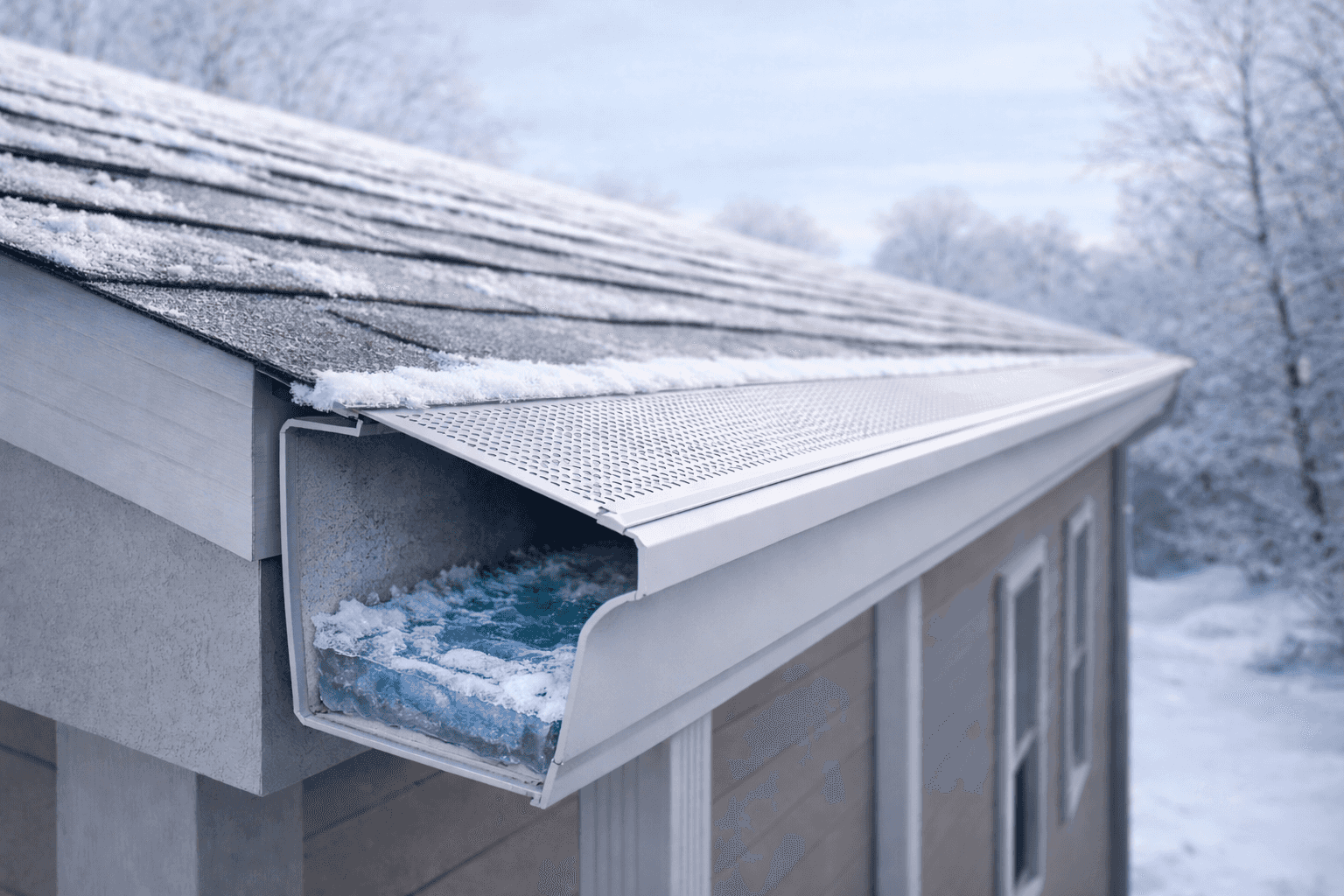
Some Canadian products are explicitly positioned around the idea that keeping the trough cavity open in winter is the whole point. For example, Golden Guard’s FAQ states that when snow and ice clog a bare eavestrough it becomes non-functional, whereas with its guard installed snow and ice remain on top of the product and the eavestrough stays functional so water can drain normally during warmups or rain; the same FAQ also claims its aluminum cover helps distribute snow/ice weight and reduces warping caused by ice expansion inside the trough.
Here’s a winter-centric comparison you can use to predict what each type is likely to do when conditions get ugly.