When Should You Remove Snow From The Roof?
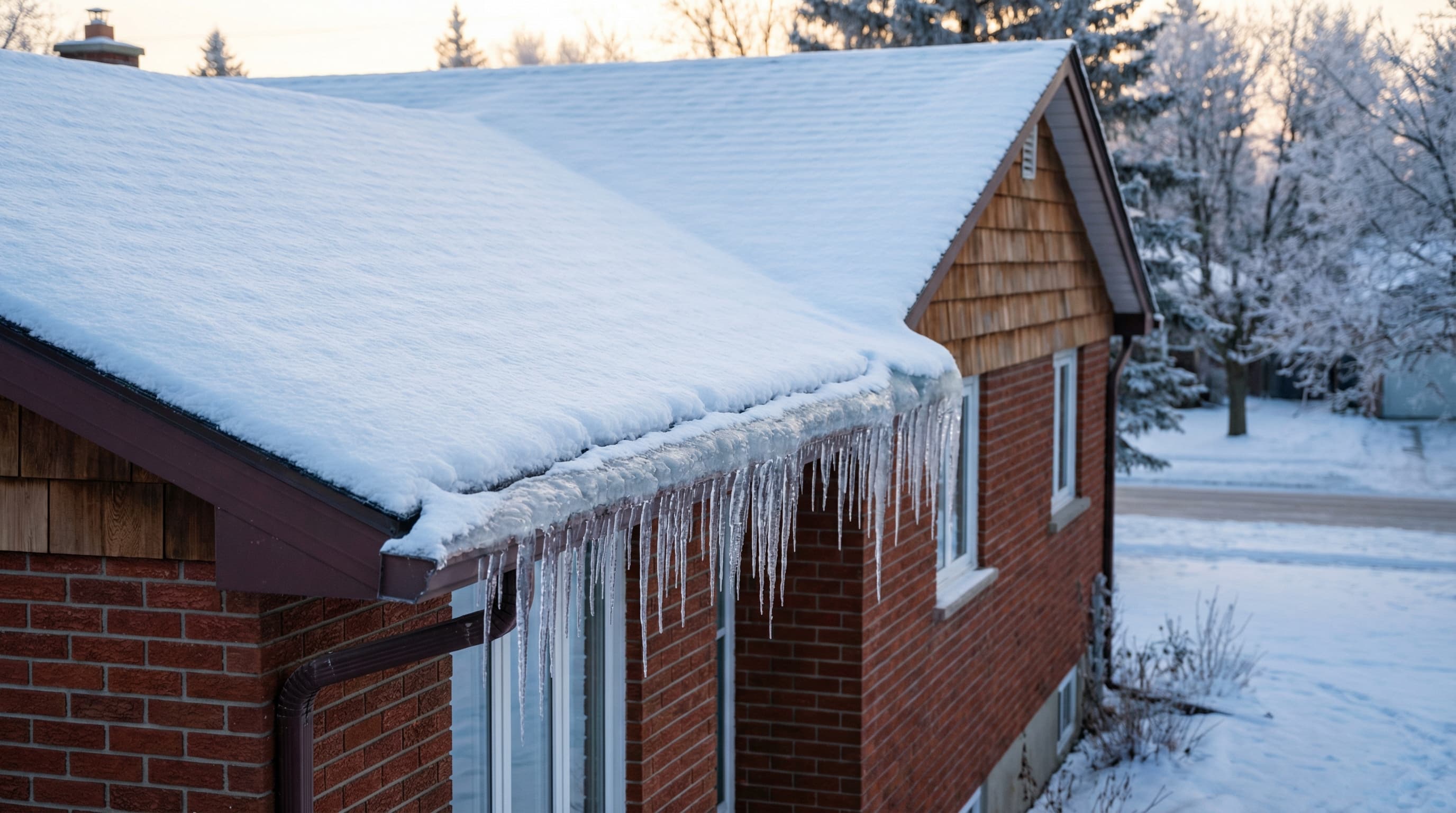
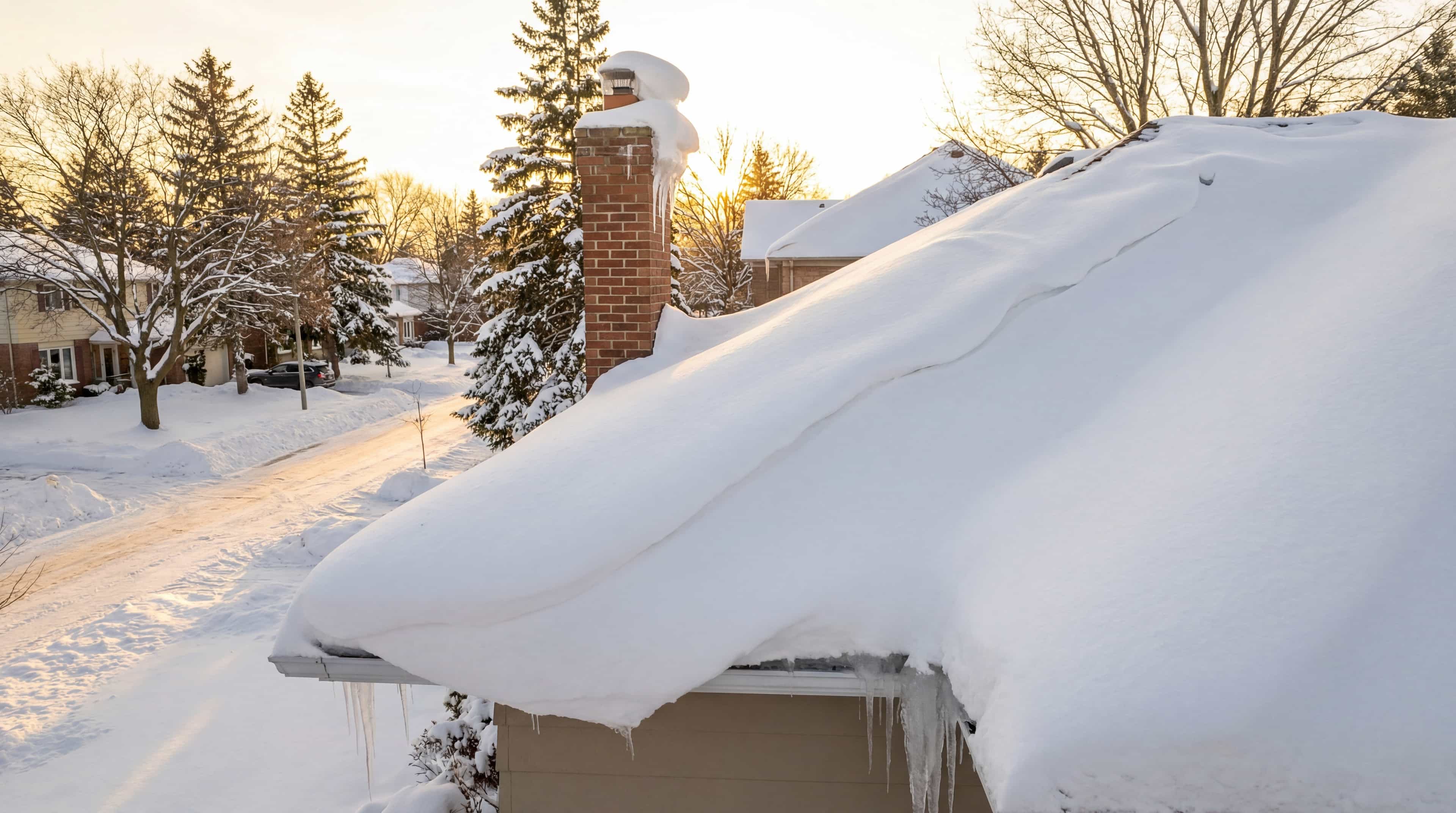
There is no single “magic number” for snow depth, but some practical rules of thumb help. Canadian restoration specialists often suggest considering roof snow removal once accumulations reach roughly 15 cm (about 6 inches), especially if the snow is wet or followed by rain, and they recommend leaving about 5 cm in place to protect roof coverings, as described in PuroClean Canada’s roof snow removal guidelines. This strikes a balance between structural relief and avoiding damage from aggressive scraping.
At the same time, some landscaping and maintenance experts stress that you don’t always have to remove every snowfall, as many roofs are designed for significant loads and constant scraping can do more harm than good; one Canadian contractor’s overview on whether snow must be removed emphasizes assessing roof design, snow type, and warning signs rather than reacting to every storm, as reflected in guidance from Oz Landscaping Group.
Taken together, a practical decision framework is:
- Start monitoring closely once snow reaches 15–20 cm, especially if heavy or wet.
- Prioritize removal on:
- Low‑slope roofs
- Roofs with known structural issues
- Areas with heavy drifts, deep valleys, or uneven accumulation
- Combine snow depth with visual checks for structural warning signs (covered later).
DIY Vs Professional Snow Removal
Snow removal is itself a safety‑critical activity. Falls from icy roofs, collapsing snowpacks, and contact with overhead power lines are real hazards. Occupational health and safety specialists highlight how roof snow work exposes people to falls, avalanche‑like slides, and concealed hazards under snow in their analysis of snow‑related OHS risks, such as the discussion from Tensio. For typical homeowners, that means being realistic about when to stay on the ground and when to call a professional crew.
The Régie du bâtiment du Québec explicitly advises owners to clear snow preventively, paying special attention to arch or curved roofs and uneven accumulations, and to use experienced companies with proper equipment and techniques that avoid damaging roof membranes, as outlined in its snow and ice removal safety advice. Similarly, PuroClean recommends that homeowners in one‑storey homes remain on the ground and use telescopic roof rakes to clear snow, using the same tool from safe positions for higher roofs while exercising caution around power lines, according to its roof snow removal guidelines.
Here’s a comparison to help you decide:
Ground‑Based Tools And Techniques
For homeowners who choose to tackle light‑to‑moderate snow themselves:
-
Use a roof rake with a telescopic handle
- Work from the ground whenever possible.
- Stand back from the fall zone of snow and ice.
- Focus on removing the top layers and clearing the first few feet above the eaves.
-
Leave a thin layer of snow on the roof
- Aim to leave roughly 5 cm of snow as a protective buffer, aligning with PuroClean Canada guidance.
- Scraping to bare shingles can damage granules or membranes, shortening roof life.
-
Plan where the snow will land
- Avoid dumping snow onto walkways, driveways, or gas meters.
- Keep people and pets outside the fall zone while you work.
Several Canadian safety resources stress basic precautions like watching for ice underfoot, ensuring tools do not contact utility lines, and working with another person where possible; these themes are echoed in snow removal safety tips from Park Insurance focusing on homeowner risk reduction.
If you feel you “have” to climb onto a snowy or icy roof to remove snow, that is a strong sign you should bring in a professional crew instead. The fall and avalanche risks are high, particularly on sloped roofs or in windy, cold conditions.