Control Drift Once the Roof Is Open
Once work begins, your job is not to supervise installation technique. It is to keep the live job aligned with the written scope. That means controlling four things: people, materials, surprises, and money.
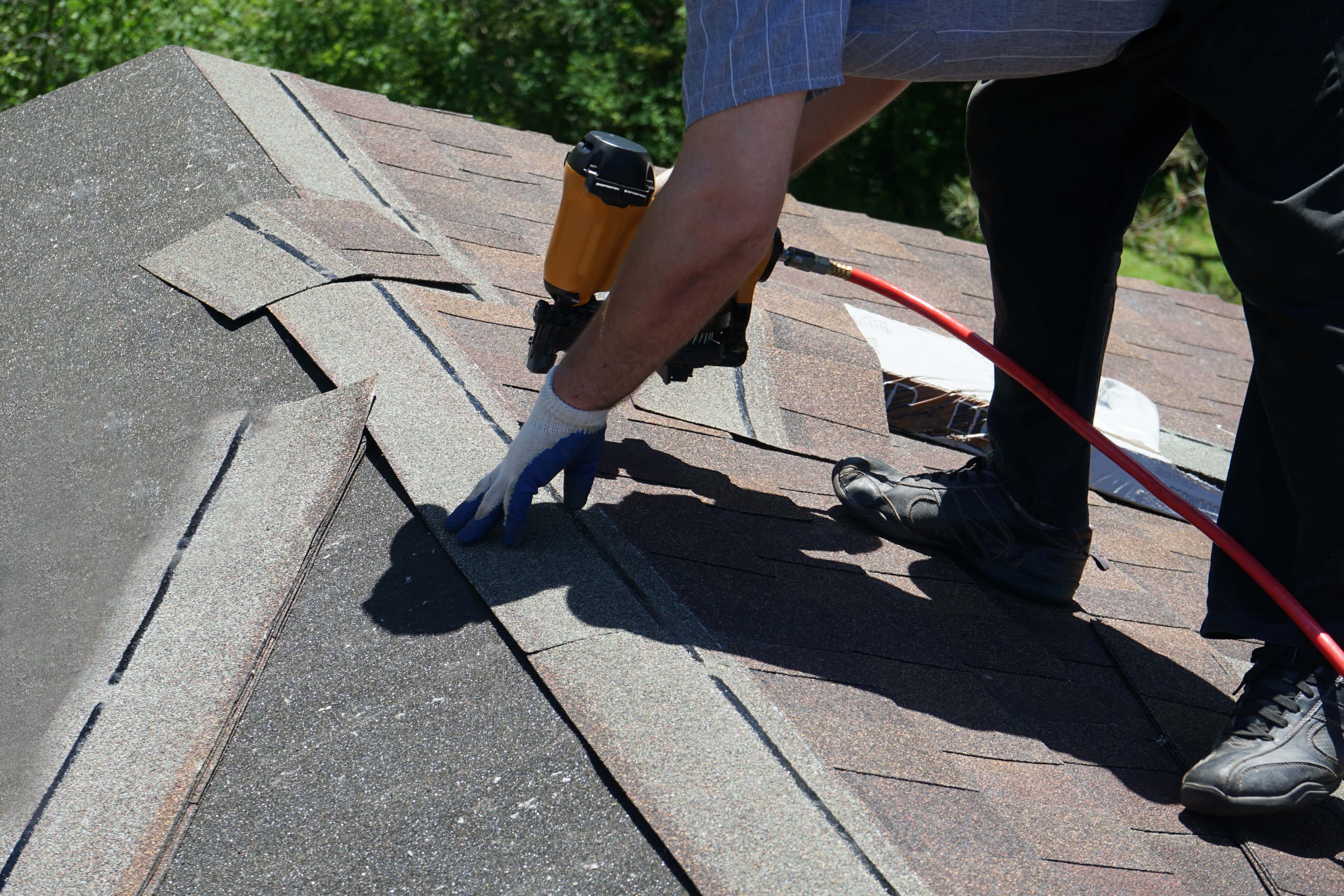
Day one: align before the roof opens. Confirm the crew lead or supervisor by name. Confirm the material delivery matches the quoted system. Confirm the job path has not quietly changed. If the quote described one system and the truck arrives with another, stop and clarify before the first shingle comes off.
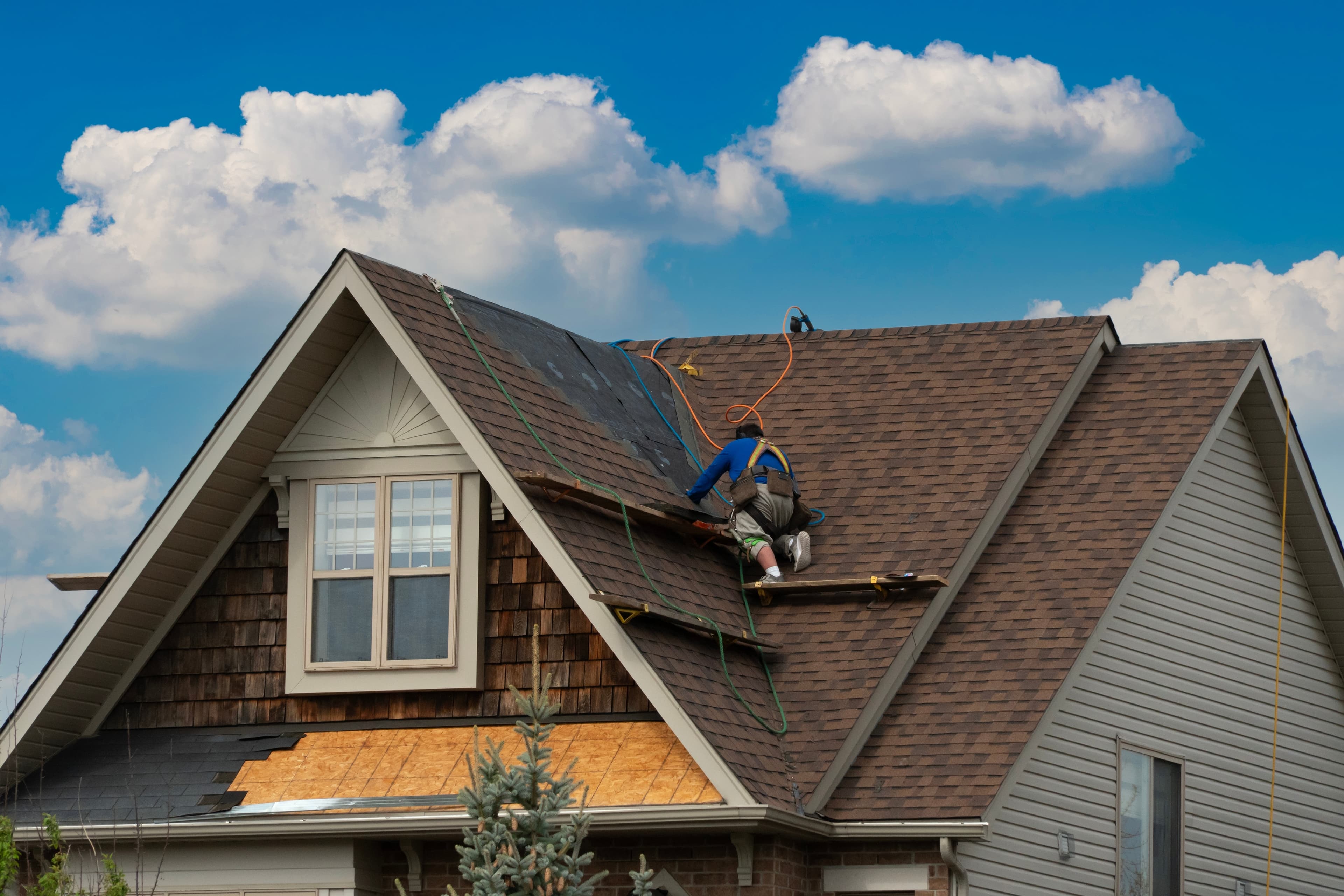
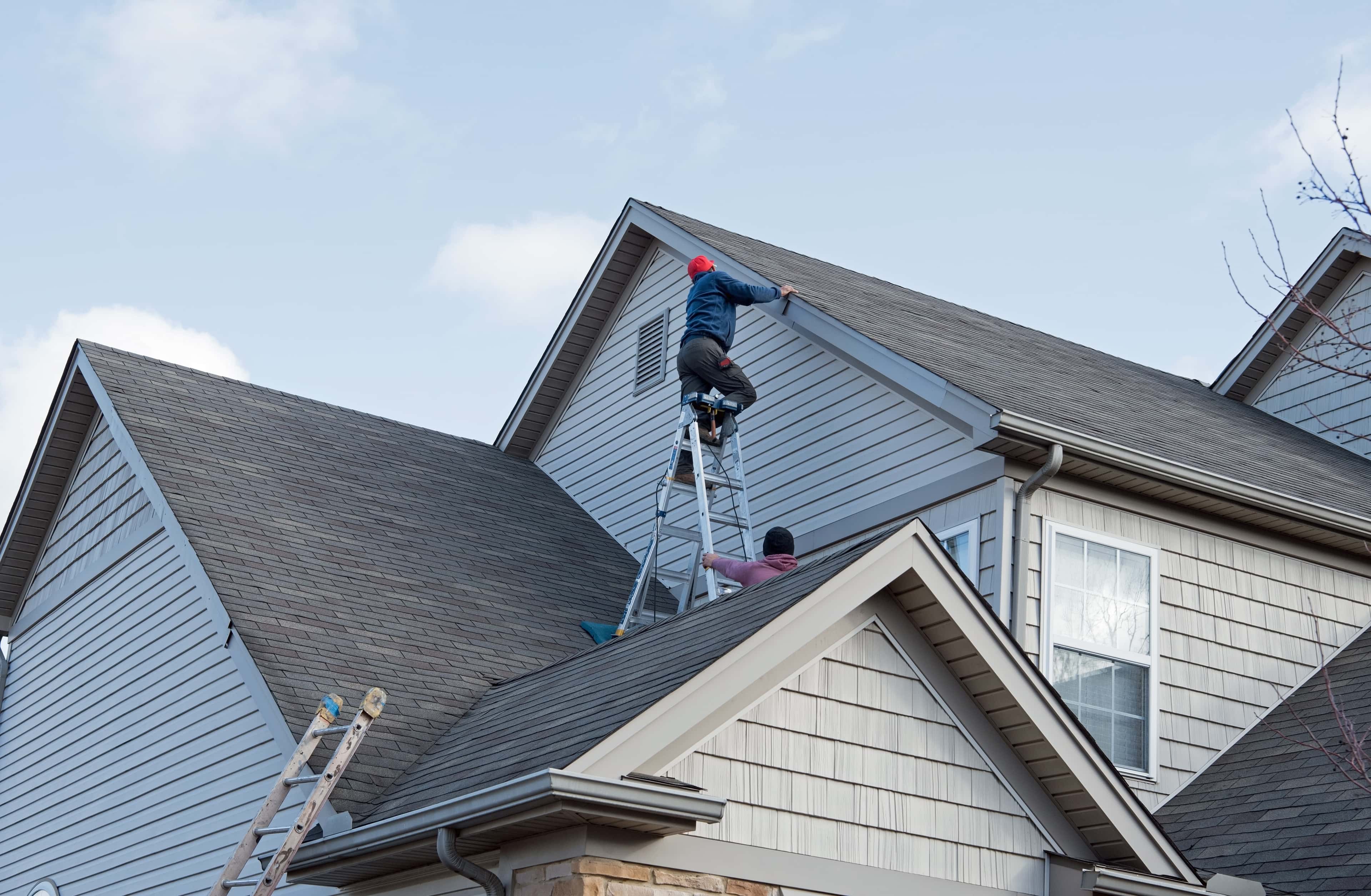
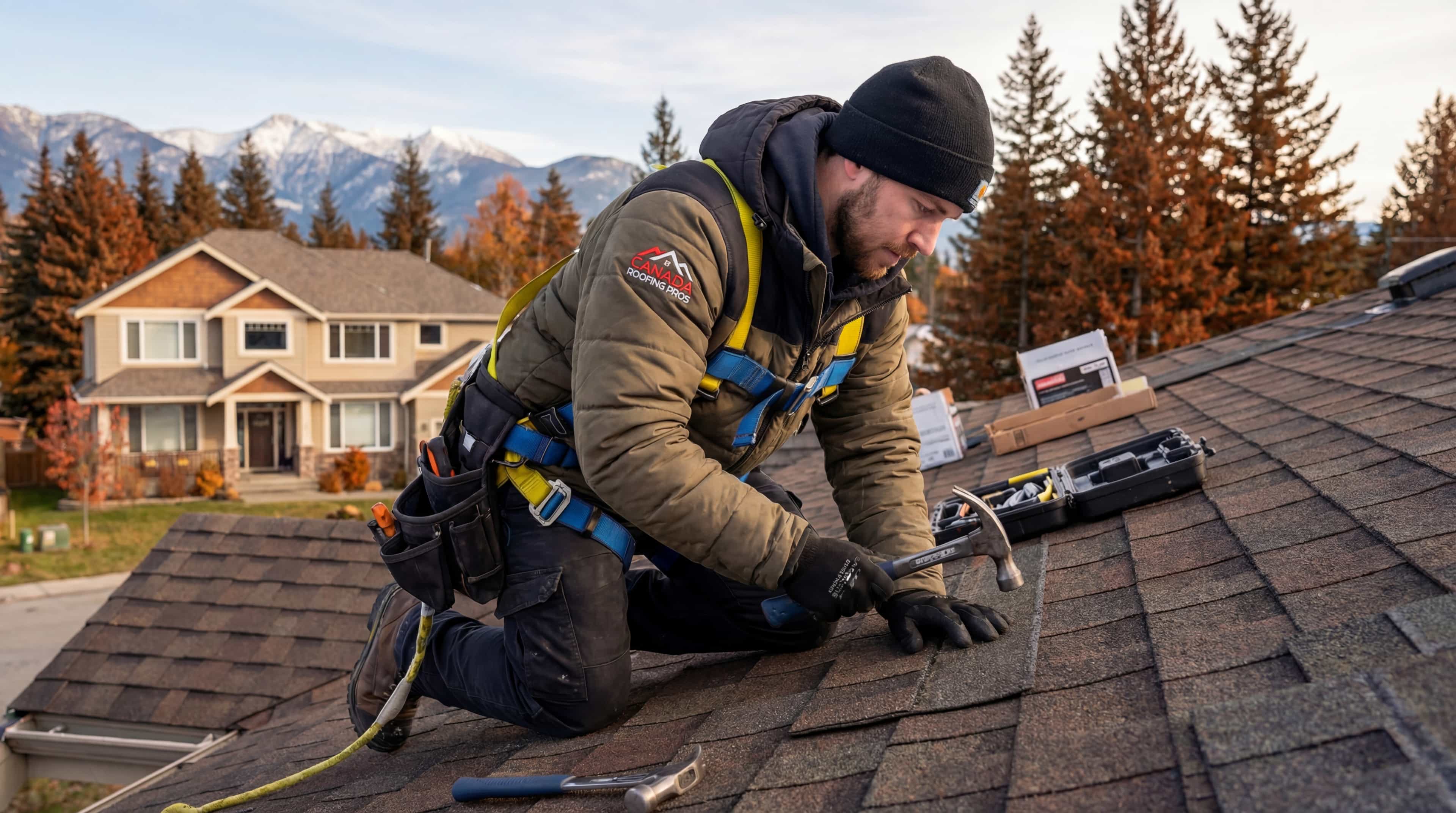
Watch for staffing changes. If the crew that arrives is not the crew you expected, ask who they work for and whether the business on your contract remains fully responsible. This has a particularly clear paper trail in Ontario — WSIB policy documents for construction explain that contractors retaining subcontractors must obtain clearances for each sub. "A different crew showed up" is not a scheduling note. It is a documentation question.
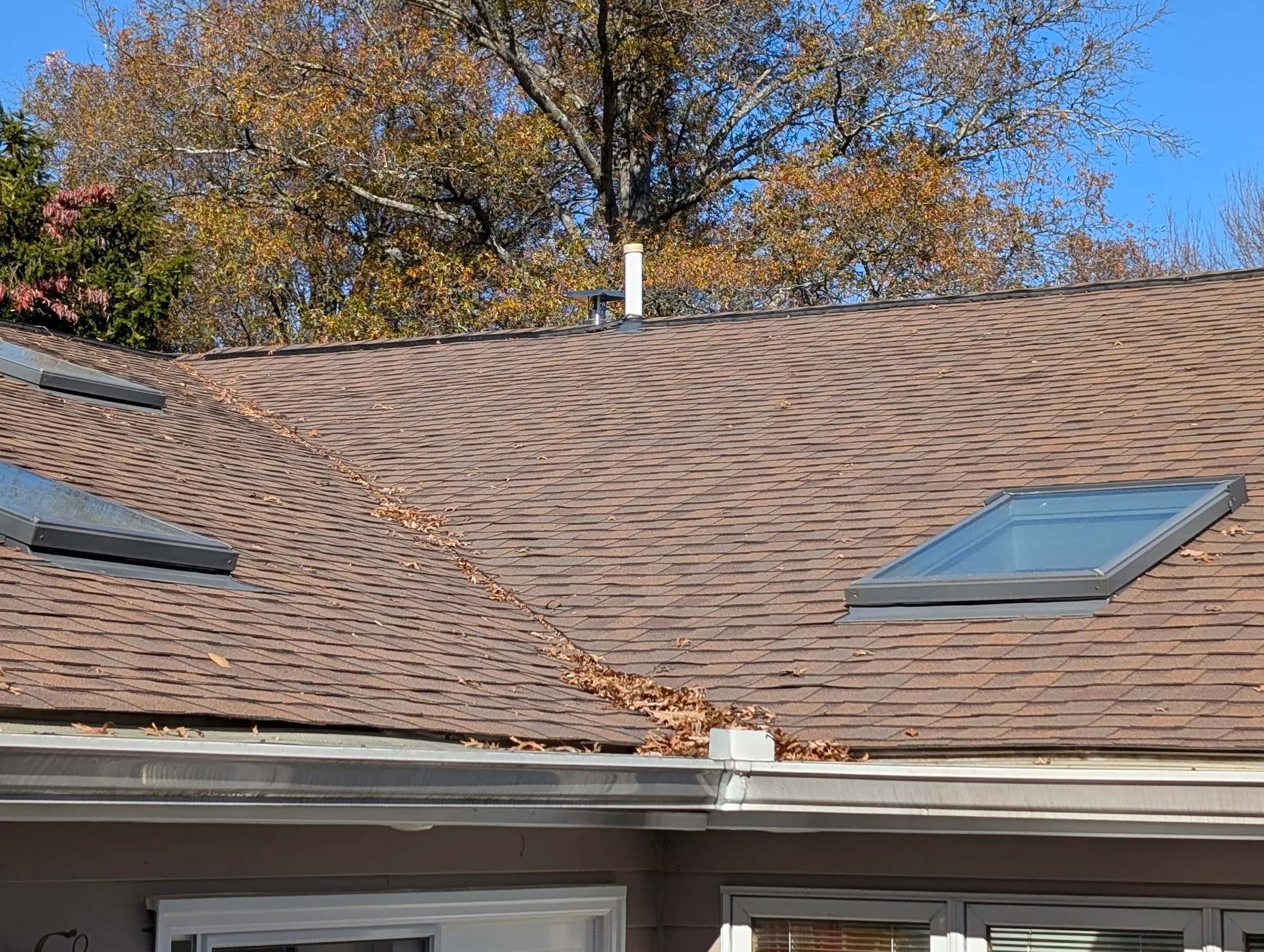
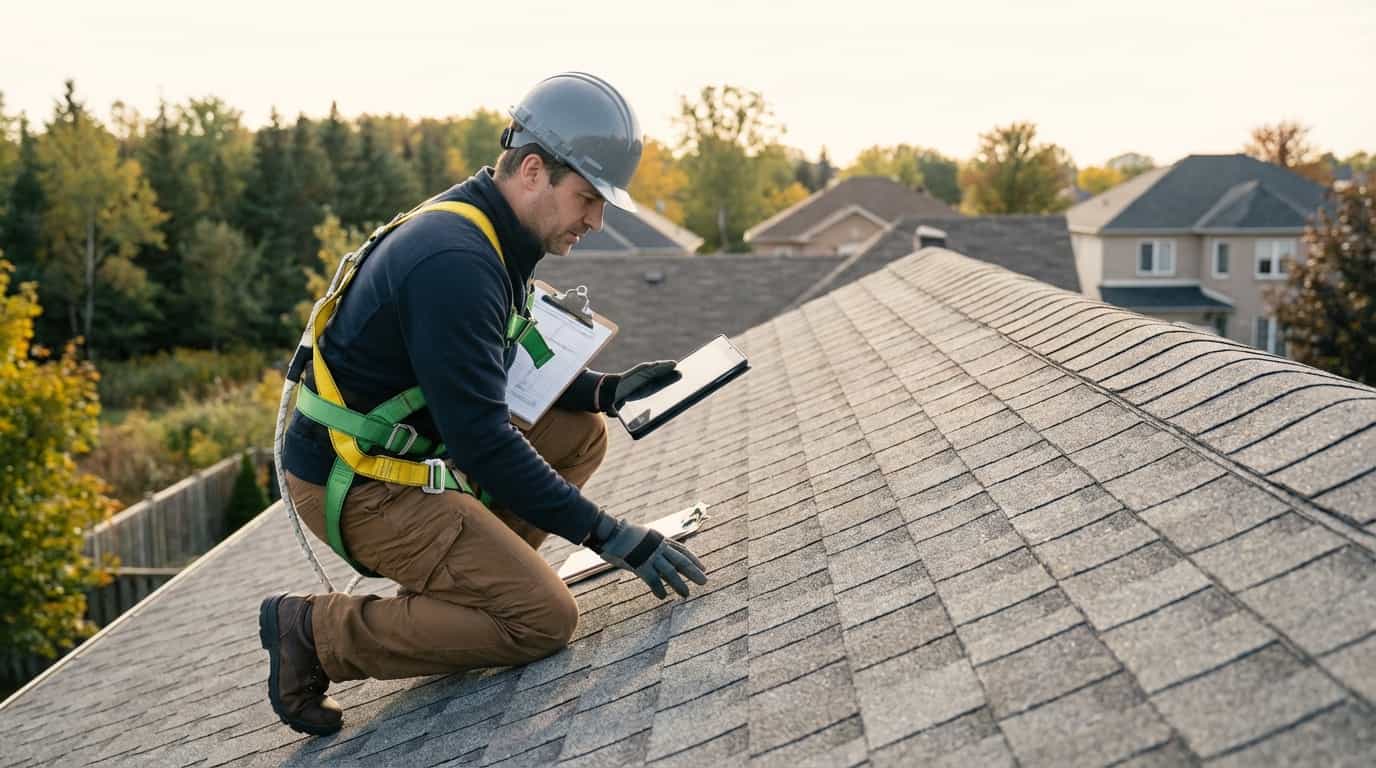
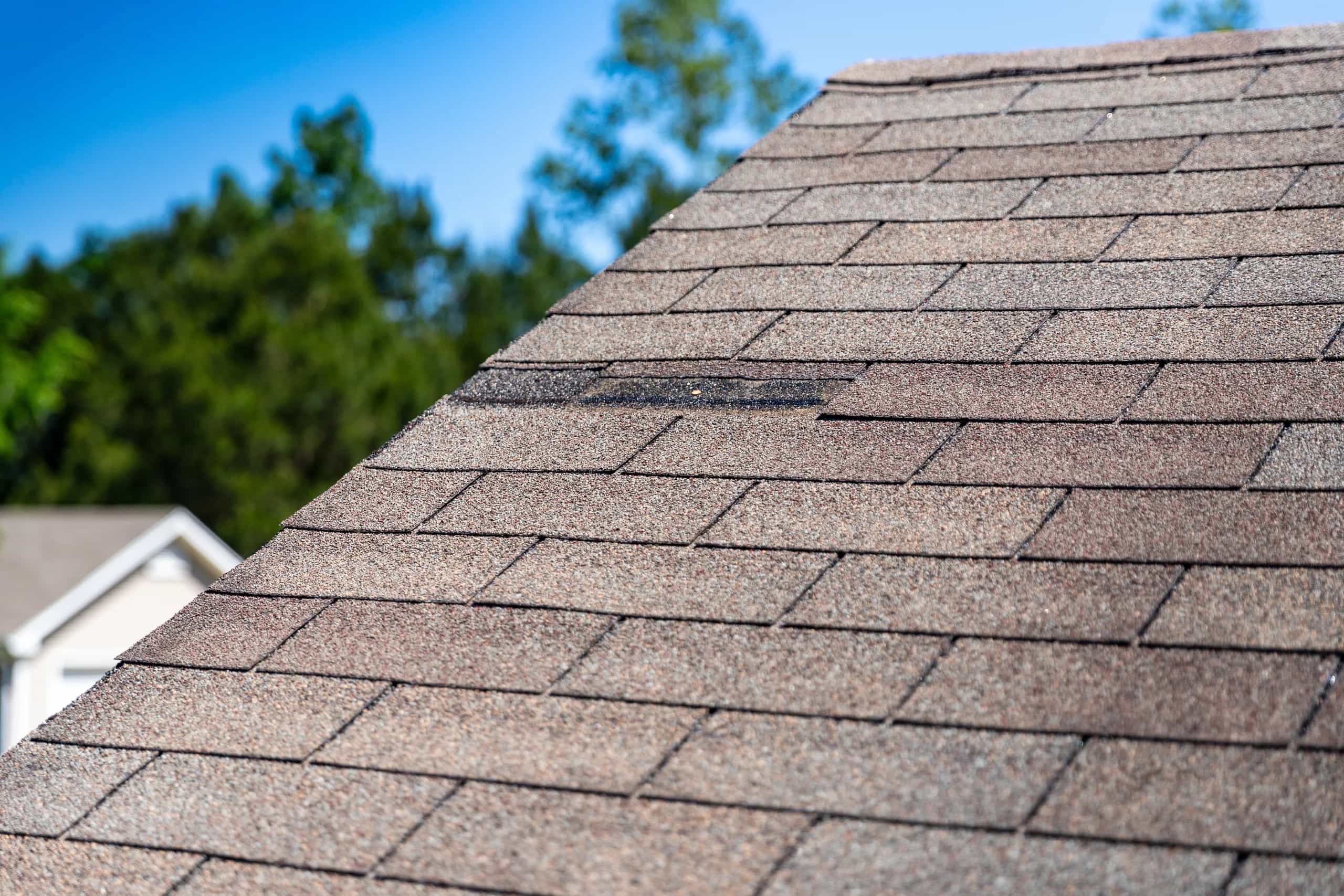
Manage discoveries in writing, not by phone. Roofing regularly reveals hidden damage — rotted decking, deteriorated flashing around chimneys and skylights, old repairs buried under layers. The right response is not to panic and not to approve by phone in the middle of a workday. Ask for photos of the damage, the quantity of material needed, the price, and the schedule impact — in writing. Then approve the change order in writing before the work proceeds.
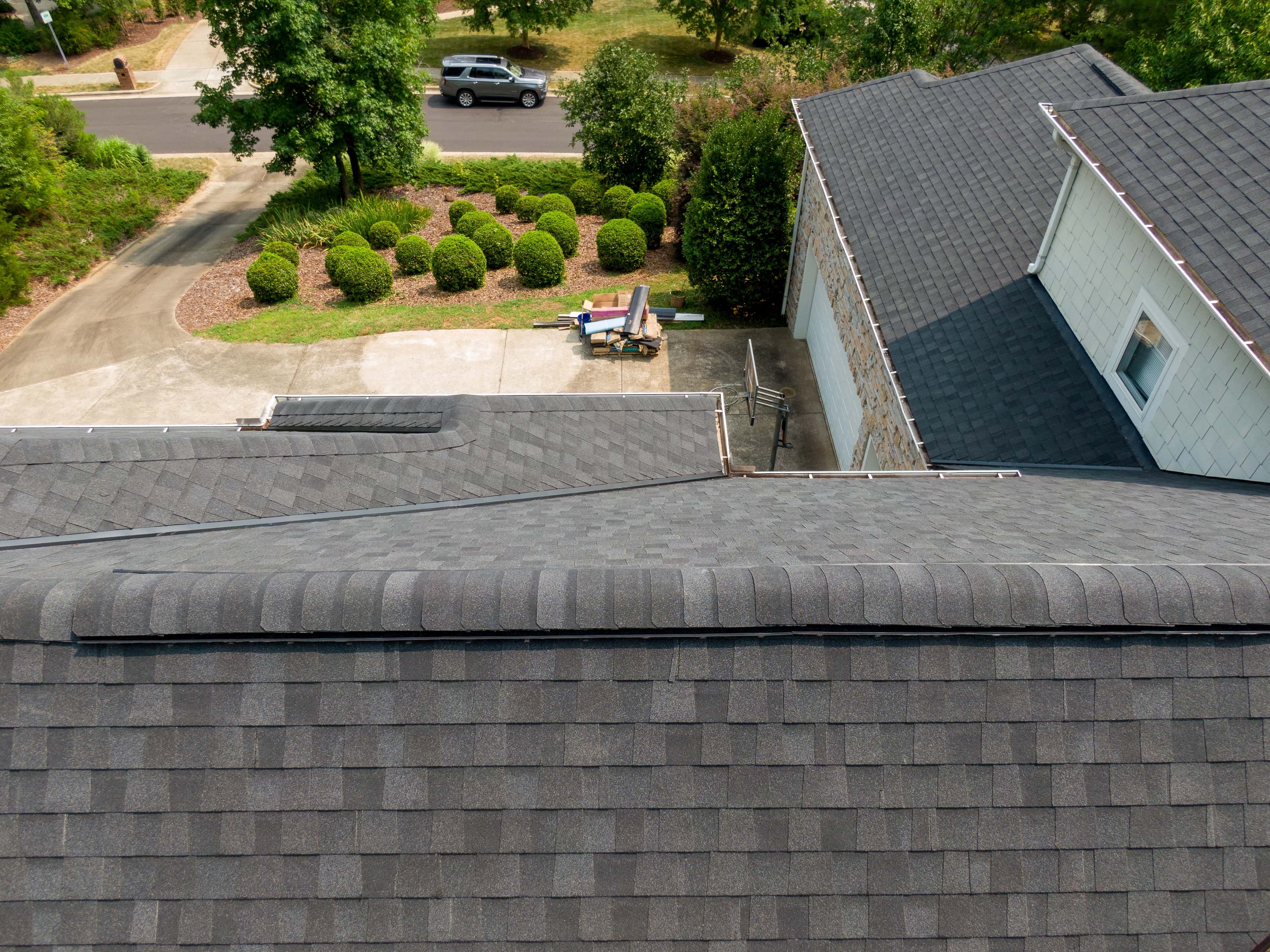
Keep a photo record. You do not need hundreds of images. Photograph the tear-off in progress, any hidden damage that triggers a change order, the materials staged on site, and the finished roof from multiple angles. Time-stamp them. This is not adversarial. It is basic project documentation that protects both parties.
Watch how the site is run. You are not conducting a safety audit. But you can observe whether the site is organized, debris is managed, property protection is in place, and communication stays professional when weather or scope changes the schedule. Good roofers look accountable while the work is happening, not only after the invoice is sent.
Do not let verbal promises replace written ones once the project is live. The speed of a roofing crew can make informal decisions feel harmless. They are rarely harmless when the invoice arrives.