A Pre-Inspection Checklist That Improves Quote Accuracy
The single biggest predictor of a fair, accurate roofing quote is how well-prepared the homeowner is before the inspector arrives. Roofers who walk into a home with no information are more likely to assume the worst case and price accordingly — both because the worst case is what they have to plan for, and because some quoting practices reward selling the larger scope. Walking in with documentation flips the dynamic. You become a credible counterparty, not a sales target.
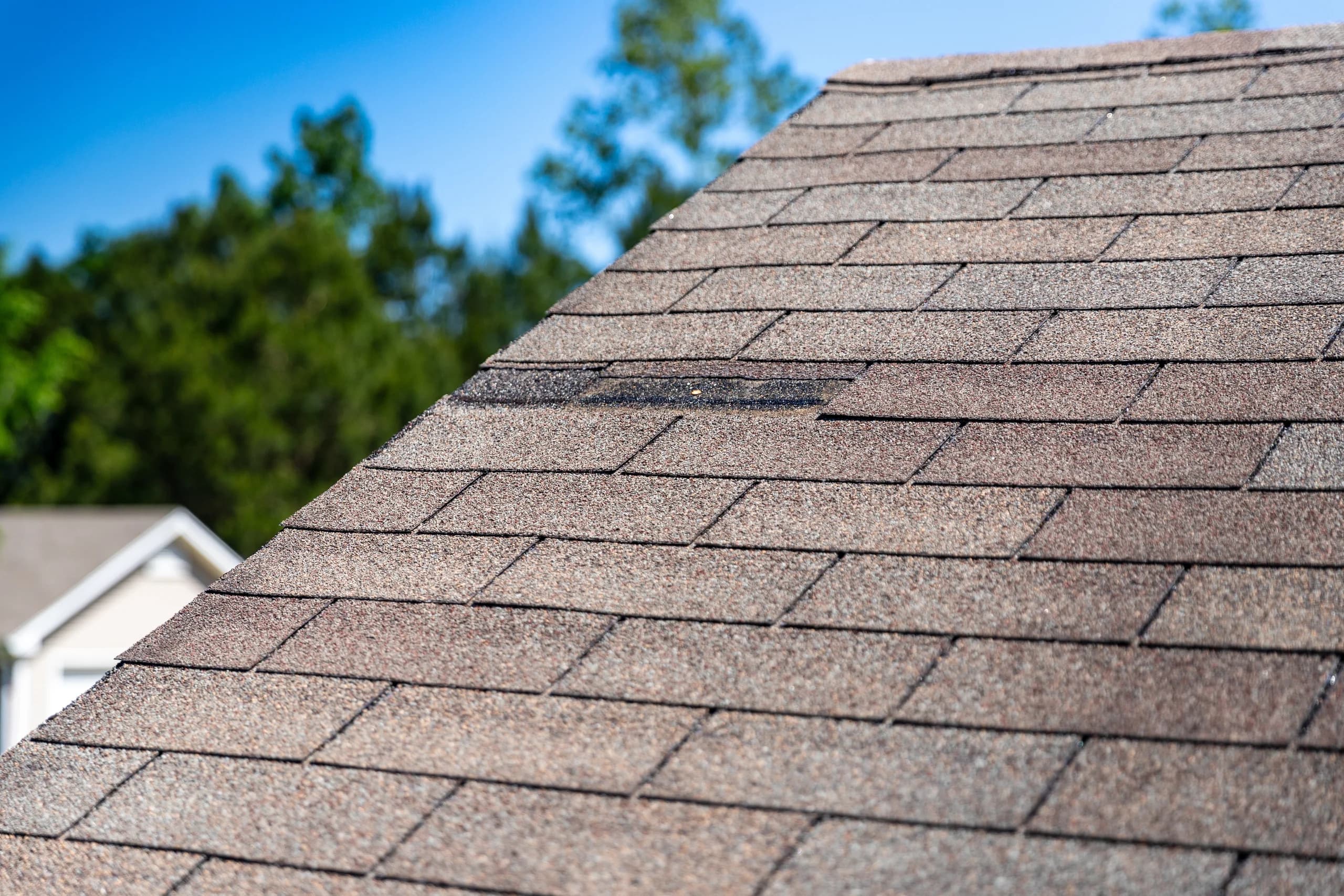
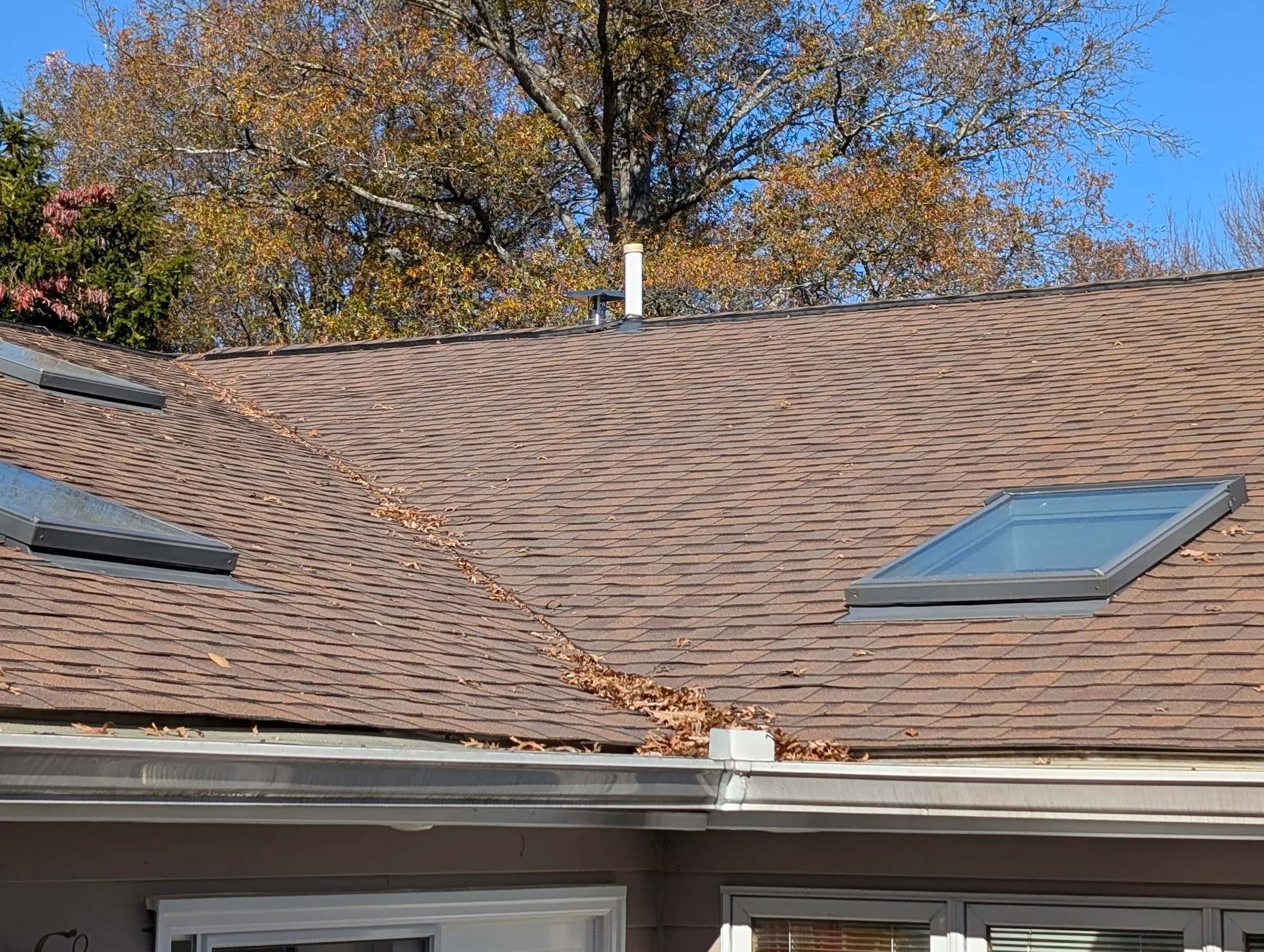
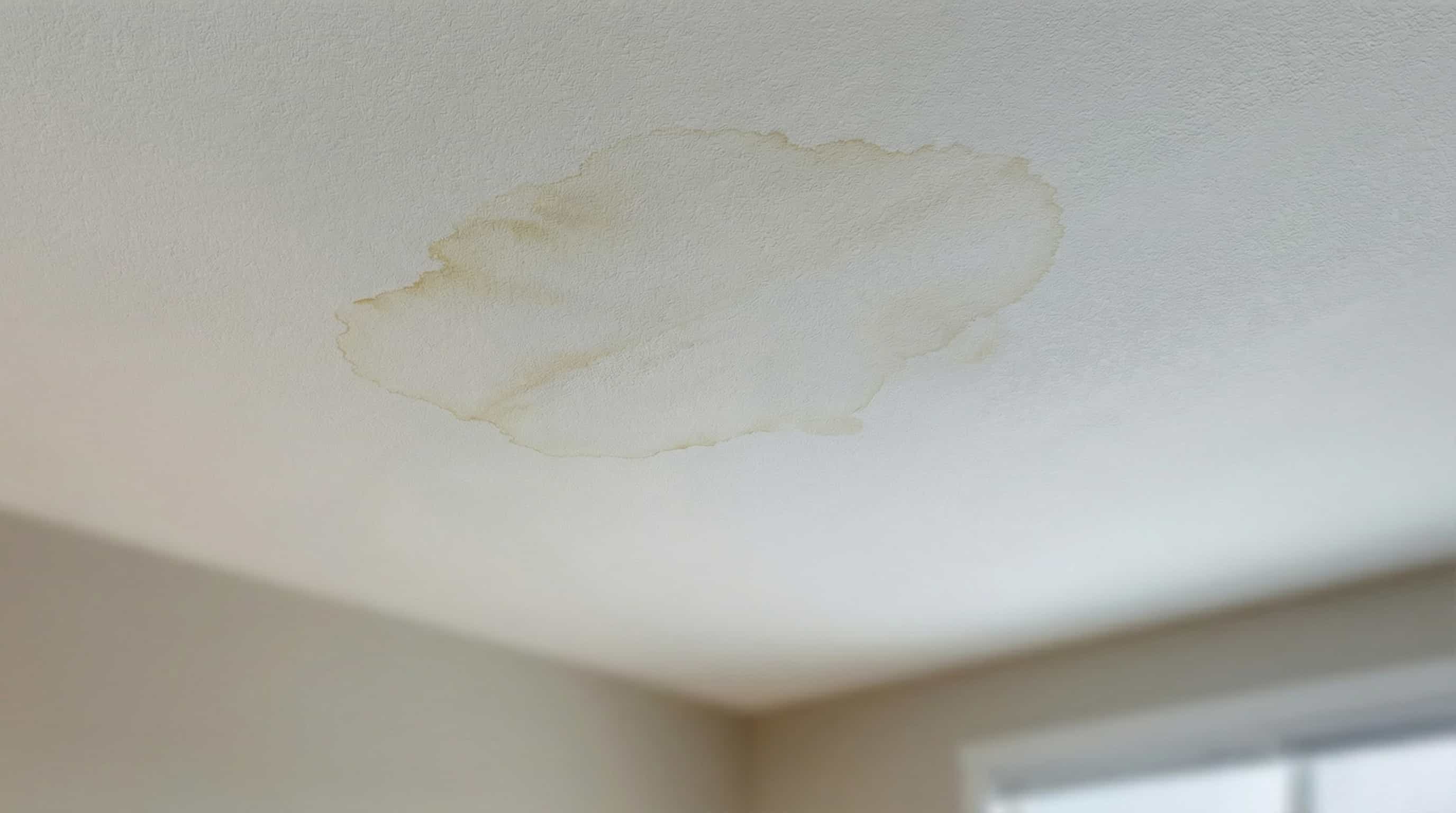
The documentation that matters falls into three buckets. First, a written timeline: when the roof was installed, when (or whether) any layers were added, the date of the last inspection, and a record of every leak or repair you can remember — including the season, the rough location, and what was done about it. Second, photographs: the same exterior shots taken from the same vantage points over time, plus close-ups of any visible damage, plus interior photos of stains, bubbling paint, or warped trim with dates noted. Third, paperwork: any past inspection reports, contractor invoices, manufacturer warranty cards, and home inspection reports from the time you bought the house. A buyer-style roof inspection checklist covers most of the visible cues homeowners can capture from the ground — granule piles in downspouts, lifted shingles along edges, dark or bald patches, water stains under valleys — and translates well into a homeowner's own pre-inspection prep.
Practical preparation matters too. Clear the attic hatch and the path to it. Move vehicles away from eaves so debris from a closer inspection doesn't fall on them. Secure pets. If you have a dehumidifier or HRV running in the attic, note the settings. If you have been roof-raking, note when and how much.
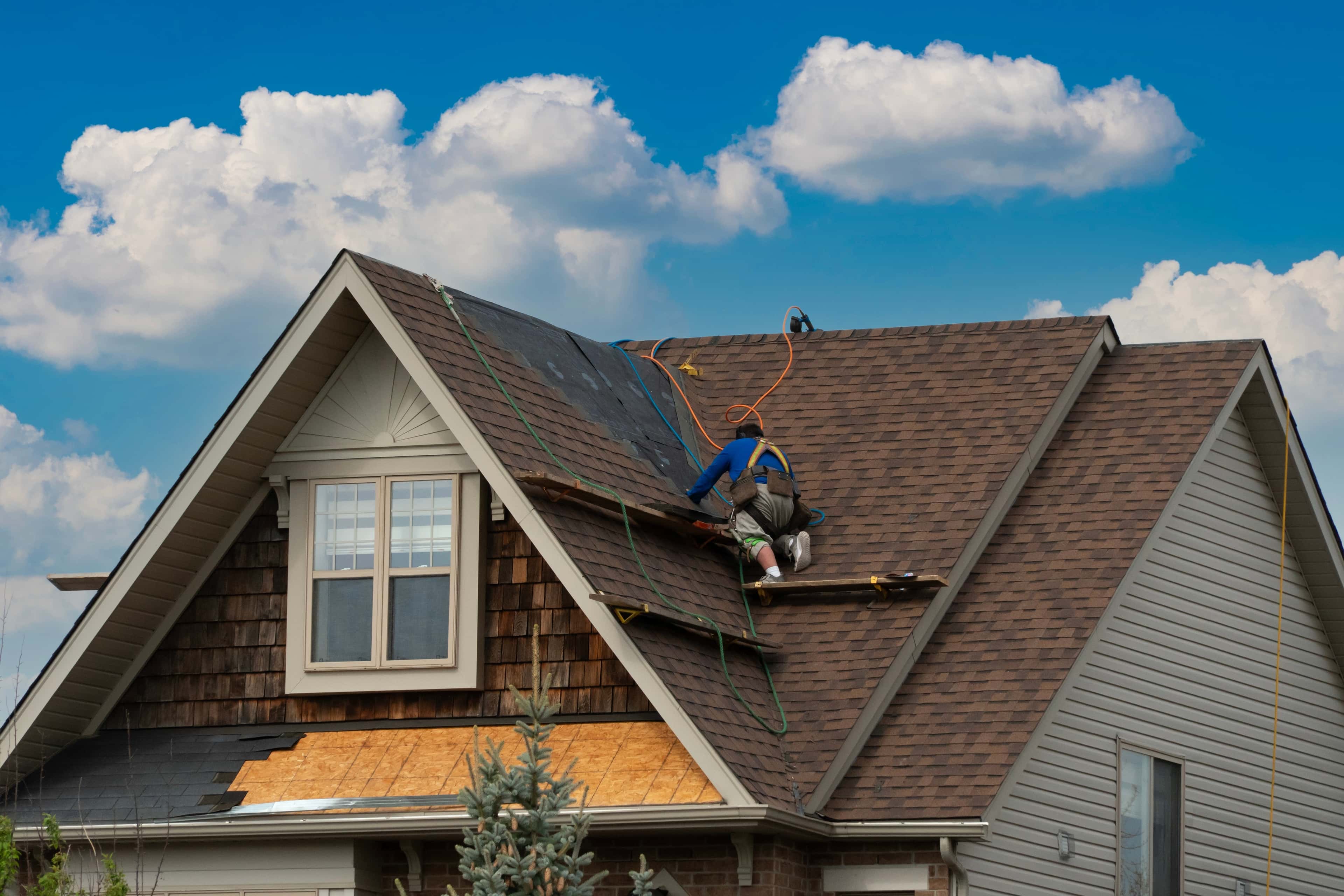
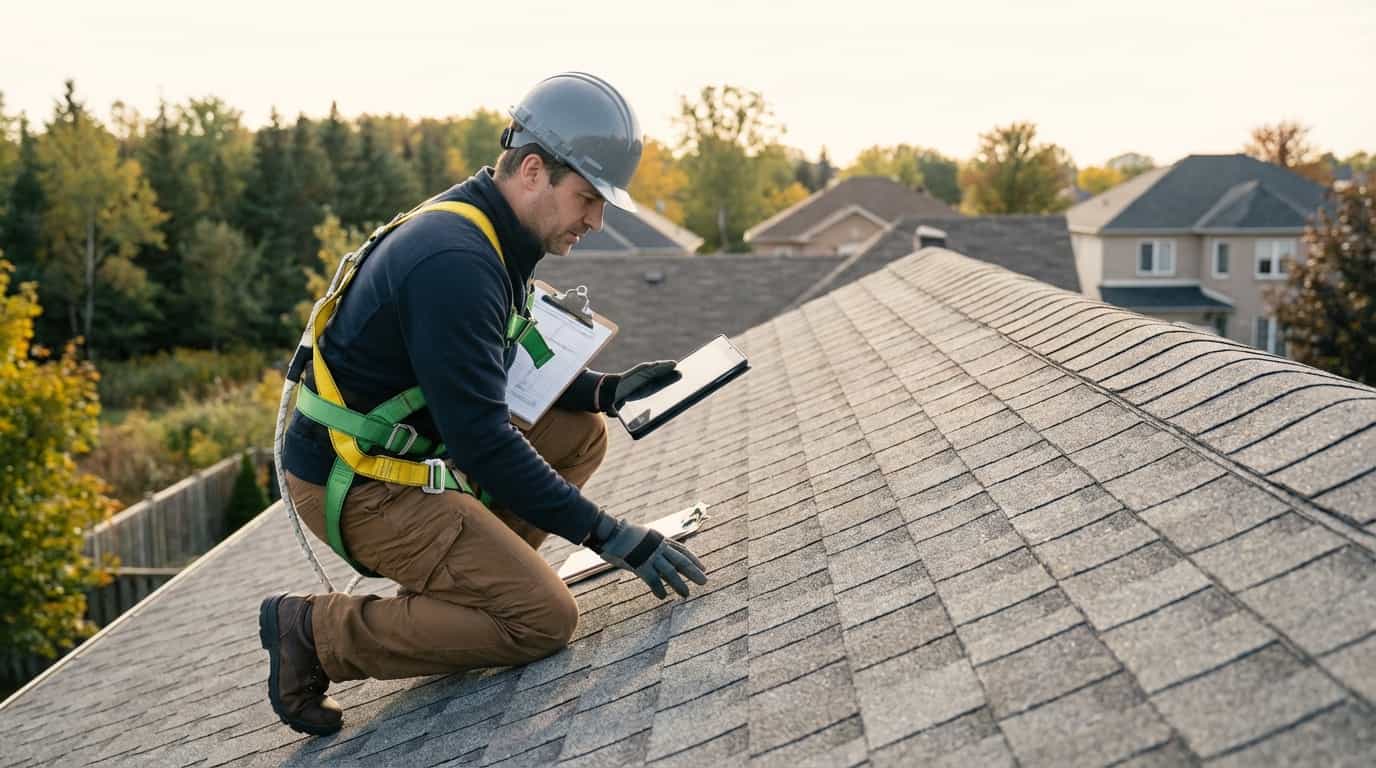
The questions to ask the inspector matter as much as the documentation. Ask what they looked at, what they did not look at, and why. Ask whether the deck appears sound or whether they could not assess it from where they were able to access. Ask whether the attic ventilation is performing adequately. Ask whether what they are recommending is the smallest scope of work that will solve the problem, or the largest scope they could justify. Ask, specifically, what would change in the recommendation if they were not selling the work themselves. The answers — and how willingly they are given — tell you a great deal about whether the quote in front of you is honest. (Our hiring playbook covers the full set of questions, common red flags, and what a good roofing quote actually looks like.)