Yes. Hidden mould can exist behind drywall, above ceilings, under flooring, or inside cavities. A persistent earthy odour without an obvious source is a valid reason to inspect further.
A Practical Guide for Canadian Homeowners to Inspect the Problem, Lower the Risk, and Decide on the Right Next Step

Air freshener masks the musty odour while hidden moisture keeps mould thriving behind walls. (Credit: Shutterstock)
A musty smell can be easy to dismiss. Maybe the basement was closed up for too long. Maybe the bathroom fan did not run long enough. Maybe a wet towel, old cardboard, or a forgotten floor drain is creating the problem. Sometimes that is true. But in many homes, a musty odour is not the problem itself. It is the clue that moisture has been lingering somewhere long enough to support mould growth.
That distinction matters. Homeowners often lose time by treating the smell like a surface nuisance instead of a building-condition issue. They spray fragrance, open a window, wipe a visible stain, and hope the house resets. A week later, the same earthy smell is back. At that point, the real question is not “How do I cover this up?” It is “Where is the moisture coming from, and how far has it spread?”
The good news is that you do not need to guess wildly or jump straight to worst-case thinking. A calm, structured approach works better. This guide breaks the problem into practical checkpoints: what a mould-related smell usually feels like, how to separate it from other household odours, where to inspect first, what you can safely do yourself, and when the smarter move is to bring in a professional.
The goal is not to turn you into a remediation expert. It is to help you make better decisions sooner. If the smell is minor and the issue is small, you can act appropriately. If the smell points to hidden moisture, repeated growth, or a broader indoor air problem, you will know why that changes the plan.
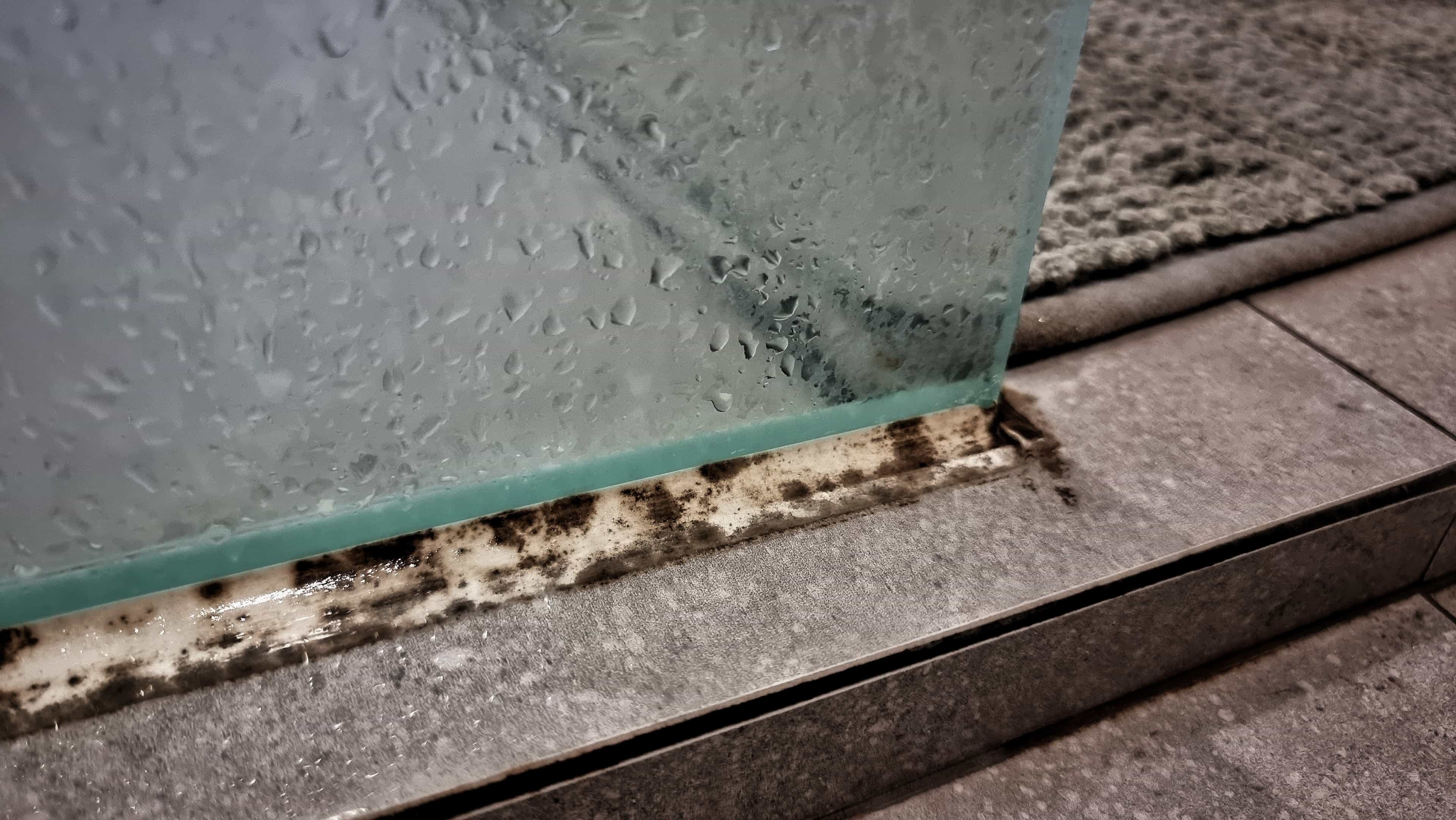
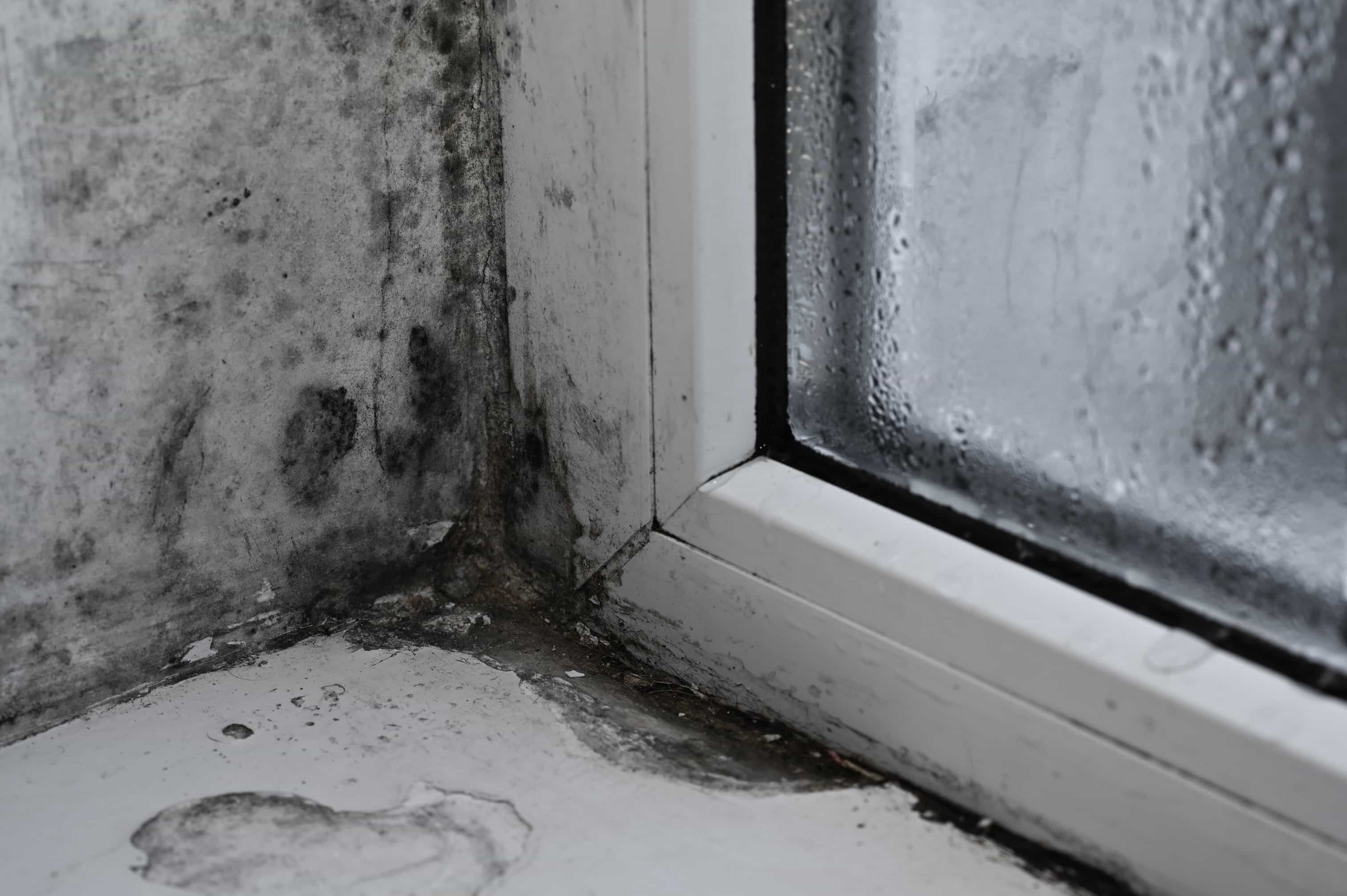
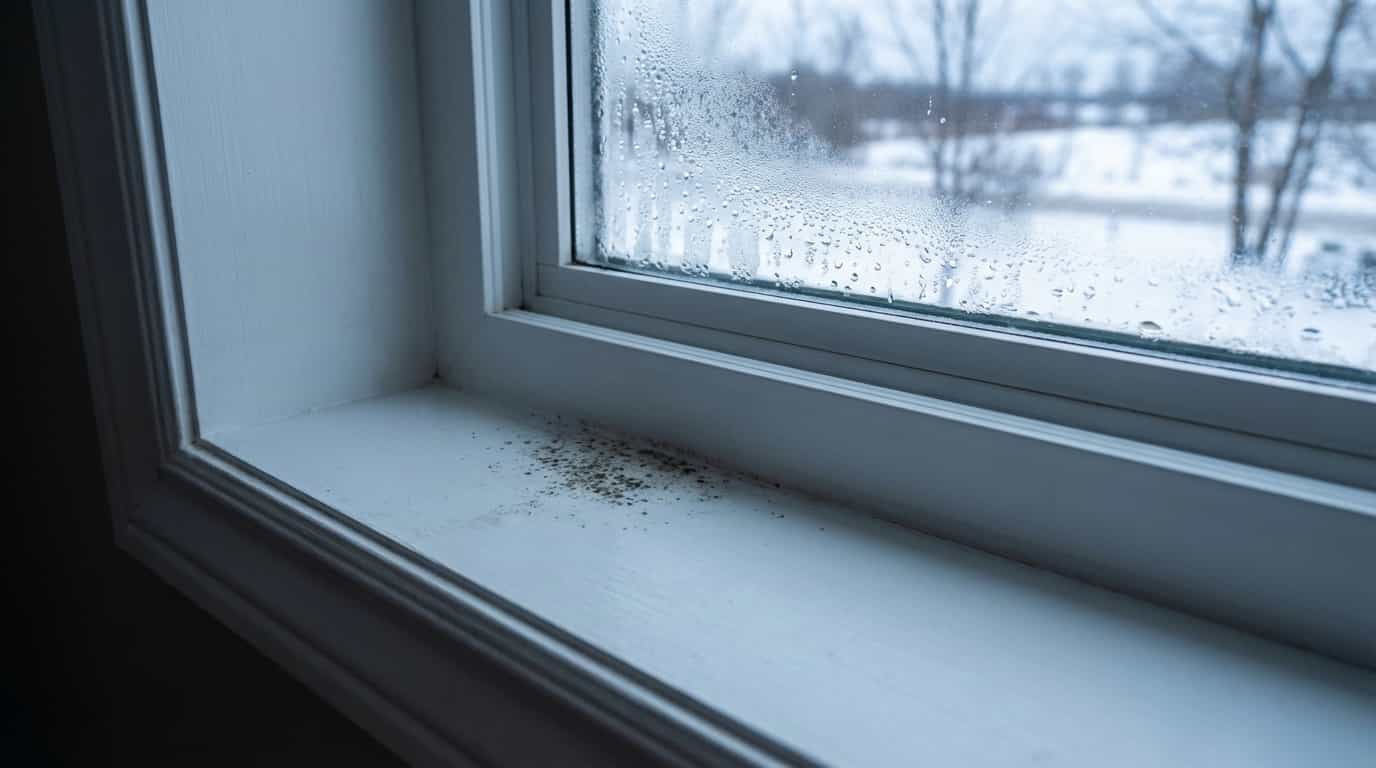
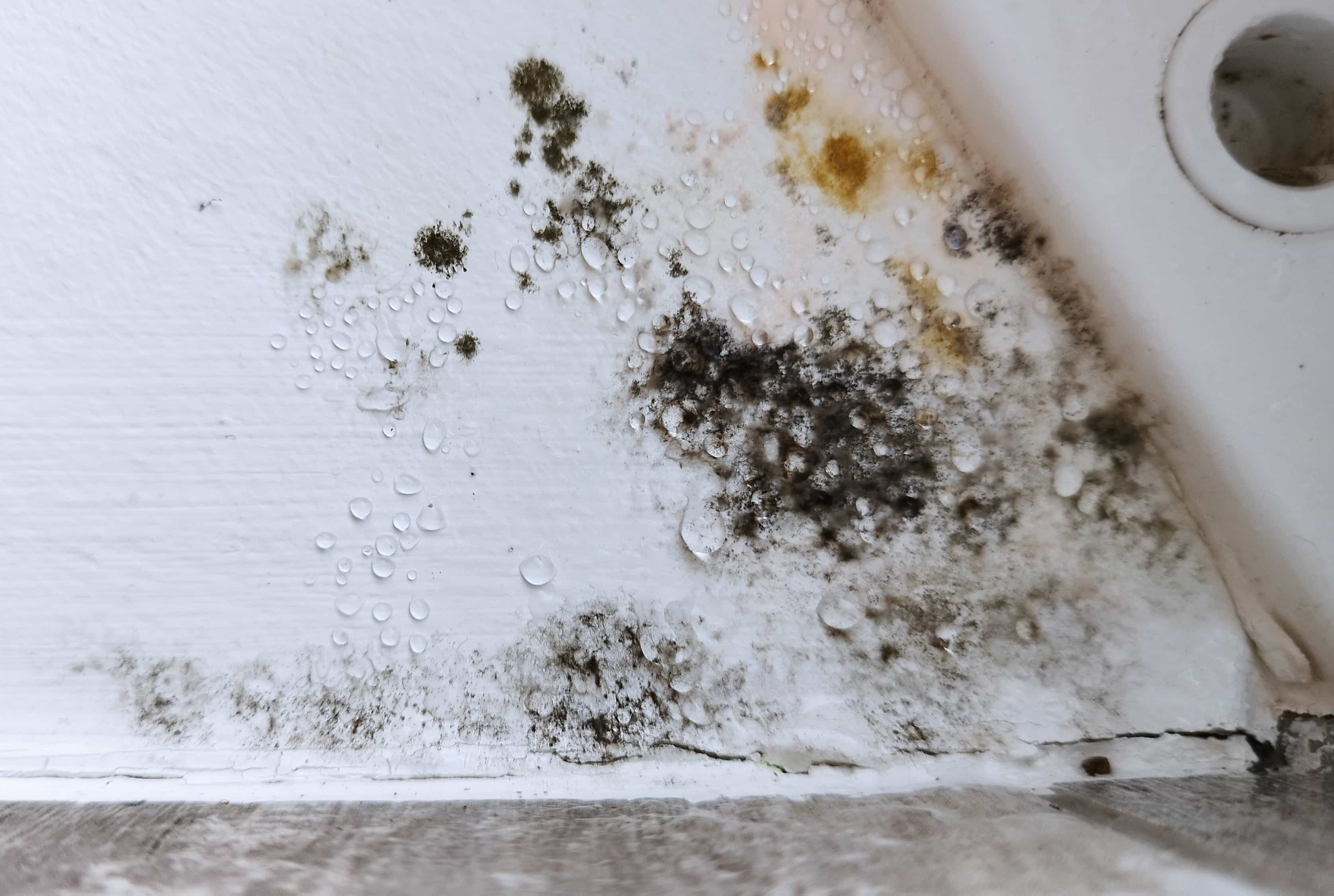
As Health Canada’s Healthy Home guide explains, homeowners should watch for stains or discolouration on floors, walls, window panes, fabrics, and carpets, and treat a musty “earthy” odour as a meaningful sign of excess moisture and mould. That pairing matters: smell plus evidence of dampness is more persuasive than smell alone.
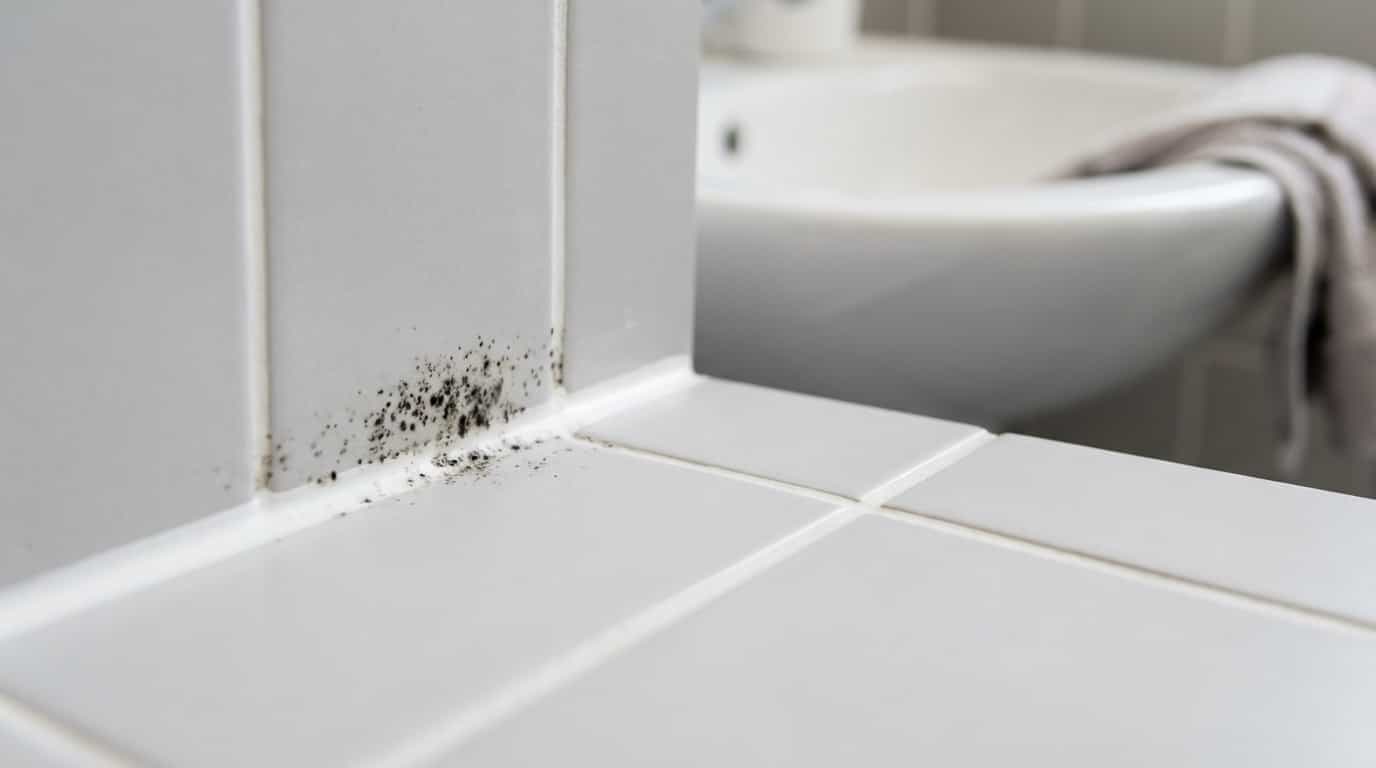
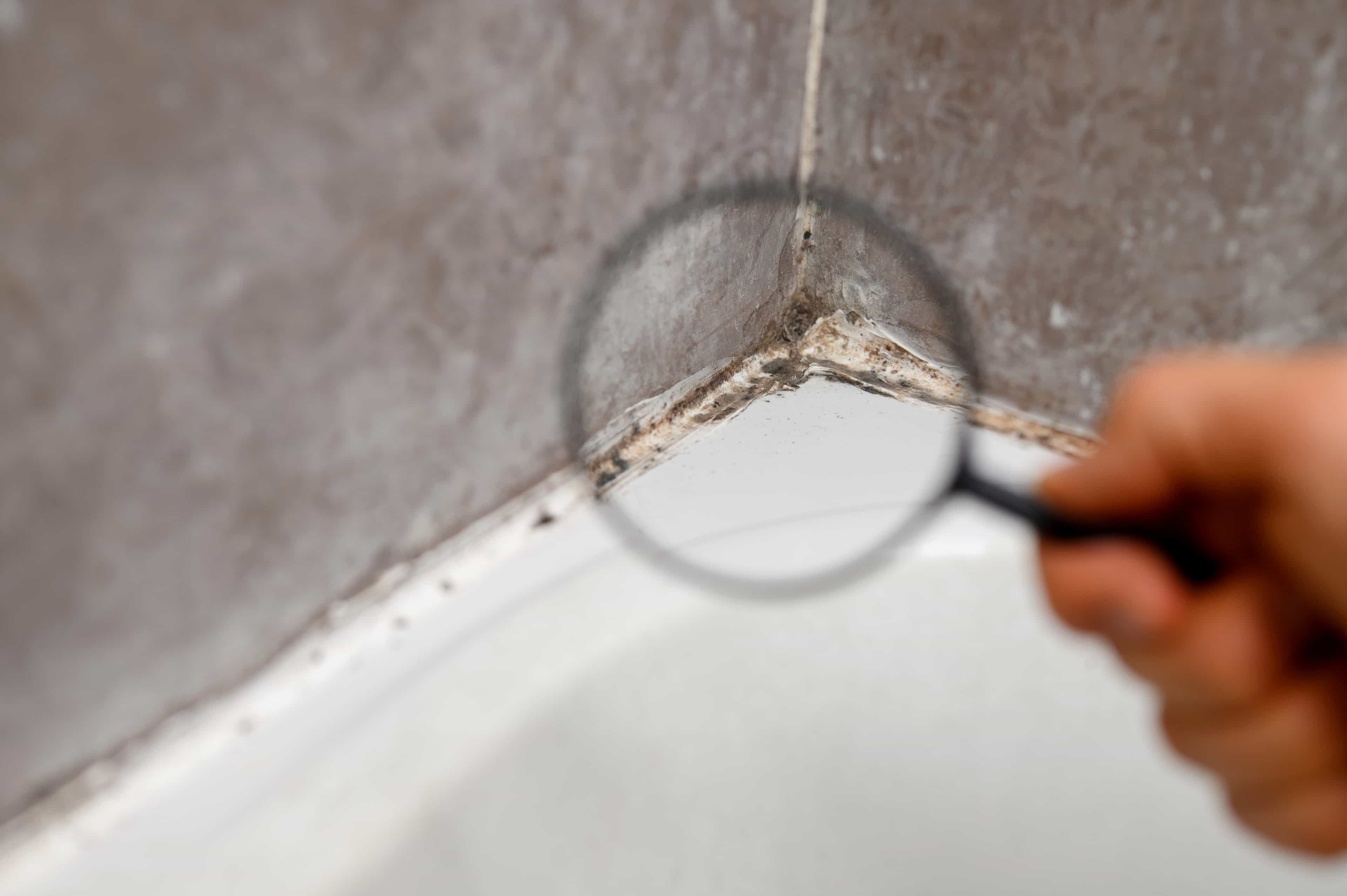
Most everyday odours are event-based. Garbage smells strongest near the bin. Cooking odours fade after ventilation. Pet smells tend to stay close to fabrics, litter, or bedding. A mould-related smell behaves differently. It often seems built into the room. It returns after ordinary cleaning. It gets worse in enclosed, humid, or recently damp areas. It may also be accompanied by peeling paint, wrinkled wallpaper, swollen trim, damp drywall, or white chalky deposits on masonry surfaces, which are often a clue that moisture is moving through the material.
This is also why masking the smell is such a bad diagnostic habit. Plug-in deodorizers and aerosol fresheners may change what the room smells like for an hour, but they do not tell you whether the moisture issue is solved. In some homes, they simply add another layer of indoor air irritation while delaying the actual inspection.
A room that smells “fresh” because of fragrance is not the same thing as a room that is dry. If the odour keeps returning when the scent fades, go back to moisture and surface clues.
As the Canadian Lung Association’s healthy home guidance notes, musty, damp, or earthy odours when you enter a basement can be a sign that mould may be present, in part because basements are often the dampest and least ventilated part of the home. In Canadian houses, that makes lower levels the obvious first stop, especially after flooding, seepage, or long humid seasons.
But basements are only the beginning. Bathrooms, laundry areas, and any room with plumbing fixtures deserve close attention. Look under sinks, around tub and shower enclosures, behind toilets, around window frames, and near door thresholds where condensation or leaks may have been ignored. Pay attention to carpets, drywall, ceiling tiles, and stored belongings that sit against outside walls. Cardboard boxes, old fabrics, and cluttered storage zones can hide the first signs of a problem because they trap moisture and reduce airflow.
The less obvious locations can be just as important. Check around humidifiers, under or behind appliances that use water, and near penetrations where pipes or wires pass through the exterior envelope. If the odour becomes noticeable when the furnace fan, air conditioner, or humidifier starts, add filters, drip pans, nearby insulation, and adjacent building cavities to your suspect list. A good mould inspection is rarely about one dramatic black patch in plain sight. More often, it is about tracing where dampness has been allowed to persist quietly.
In Health Canada’s guidance on humidity, moisture, and mould, the department explains that people living in damp or mouldy homes are more likely to experience eye, nose, and throat irritation, coughing, phlegm build-up, wheezing, shortness of breath, worsening asthma symptoms, and allergic reactions. That does not mean every musty room causes immediate illness, but it does mean the smell should be treated as a potential indoor air quality issue, not just a housekeeping annoyance.
In Health Canada’s “Know Mould, Know Your Health” material, the department highlights children, seniors, and people with asthma, severe allergies, or weakened immune systems as groups that may be more susceptible to mould-related health effects. In a household with one of those risk factors, the decision threshold should be lower. A smell that might otherwise be monitored for a short period should be investigated promptly.
This is one reason timing matters so much after a leak or wet incident. The earlier moisture is found, dried, and corrected, the less likely it is to turn into a recurring air-quality problem. When homeowners delay because the smell seems mild, they often lose the easiest window for containment.
If anyone in the home has asthma, persistent coughing, wheezing, unexplained irritation, or a weakened immune system, treat a recurring musty smell as a priority issue rather than a cosmetic one.
In Health Canada’s guide to addressing moisture and mould in your home, a preliminary inspection starts with a walkthrough of all rooms, attics, basements, crawl spaces, and storage areas, looking for visible mould and for moisture clues such as stains, discolouration, peeling paint, wrinkled wallpaper, warped wood, efflorescence, leaks, condensation, flooding, and musty or earthy odours. That is the right framework for a homeowner inspection: systematic, observational, and tied to building conditions.
Start with the simple question of location. Where is the smell strongest? Does it intensify after showering, rain, snowmelt, or when the HVAC system turns on? Write that down. A smell map is useful because mould problems often follow repeatable patterns. One side of a basement may stay damp. One bedroom wall may get colder and collect condensation. One closet may smell worse because it shares an exterior wall and has poor airflow.
Then inspect likely water paths. Look around plumbing fixtures, under and adjacent to windows and doors, near foundation walls, and where pipes and wires pass through exterior walls. Pull small items away from baseboards. Lift the corner of an area rug if it is safe to do so. Check the backside of stored materials, especially cardboard and fabric. If the smell seems connected to forced-air startup, inspect the filter, humidifier, and any accessible condensate areas.
What you should not do is start random demolition just because you suspect hidden mould. A homeowner-level inspection is about gathering evidence, not opening cavities blindly. If the smell is strong, the clues point inward, and the source is still unclear, that is often the point where professional investigation becomes more useful than more aggressive DIY searching.

As Ottawa Public Health’s mould guidance notes, mould can begin to grow on damp materials within roughly 48 hours. That makes the first response straightforward: stop the moisture source, dry the space, and decide quickly what materials can actually be saved. If a leak is active, fix or isolate it first. If the room is humid, get air moving and bring humidity down. If porous materials have stayed wet long enough to smell musty, assume time is no longer on your side.
Under Health Canada’s mould cleanup thresholds, one to three patches each smaller than 1 m² count as a small problem, a total affected area between 1 and 3 m² is medium, and a single patch larger than 3 m² is extensive; the same federal guidance also advises keeping indoor relative humidity around 30% to 50%. For homeowners, that means a small isolated patch may be manageable, especially if the source of moisture is obvious and already corrected. It also means a low-cost hygrometer and a dehumidifier can be practical tools, not overkill.
For small to medium areas, wear safety glasses, disposable gloves, and a disposable N95 respirator. If dust is likely, isolate the area as best you can. A HEPA (high-efficiency particulate air) vacuum can help before and after cleanup. Use water and dish detergent for routine cleaning. The goal is removal and drying, not chemical theatrics. If drywall, insulation, ceiling tile, carpet underlay, or other porous material is saturated, crumbling, or deeply contaminated, removal is often more realistic than surface cleaning.
Routine bleach use is not the preferred fix for household mould cleanup. Stronger chemicals do not solve the underlying moisture problem, and they can create their own indoor air issues if used carelessly.
In Health Canada’s residential indoor air quality guideline on moulds, the federal position is clear: mould growth in residential buildings may pose a health hazard, there are no health-based exposure limits that define a universally “safe” amount, and the practical response is to control dampness and remove the growth rather than wait for a test result that says it is acceptable.
That changes how homeowners should think about escalation. Call a professional when the affected area is large, when the smell is strong but the source is hidden, when mould returns after cleaning, when flooding or leaks may have reached wall or floor cavities, when water was contaminated by sewage or chemicals, or when people in the home have ongoing symptoms that may be linked to the space. A single patch larger than 3 m², which is about 32 square feet, is a useful hard stop for most DIY plans.
It also helps explain why routine mould air testing is often the wrong first purchase. Air numbers do not reliably solve the moisture question. They do not establish a guaranteed safe threshold. And they can distract from what actually fixes the problem: finding the dampness, correcting it, removing contaminated material where needed, and preventing recurrence.
If you can smell a strong musty odour but cannot find visible mould, the next best move is usually a professional visual and moisture investigation, not a shelf full of test kits.
When Health Canada explains how to choose mould professionals, it points homeowners toward companies with demonstrated experience in moisture problems and mould remediation, training such as Institute of Inspection Cleaning and Restoration Certification (IICRC) credentials or equivalent, liability insurance that specifically covers mould work, and a process built around visual inspection rather than routine air sampling as the main event. That is a strong baseline for evaluating who is actually qualified.
Ask how they identify the moisture source, not just how they remove visible growth. Ask what containment they use, whether HEPA filtration or negative air equipment is part of the plan, which materials they expect to clean versus remove, and how they protect the rest of the house during the work. Ask whether they provide a written scope and whether the company that remediates also expects someone to repair the leak, drainage issue, or ventilation problem that caused the mould in the first place.
If the company recommends testing, ask what question the testing is supposed to answer. If laboratory analysis is involved, ask whether the lab is ISO/IEC 17025 accredited through a recognized body. Be wary of firms that make species identification or dramatic air numbers the centrepiece of the sales conversation while glossing over the source of moisture. For most homeowners, the best contractor is the one who can explain the building problem clearly, define the cleanup boundary, and tell you how recurrence will be prevented.
A good provider should leave you with more clarity, not more mystery. If the proposal sounds like a miracle spray, a vague fogging treatment, or an expensive test package without a clear remediation strategy, keep looking.
According to HealthLink BC’s indoor air guidance, mould prevention depends heavily on moisture-control habits such as using kitchen and bathroom exhaust fans vented outdoors, running bathroom fans for about 30 minutes after showering, and venting clothes dryers outside. Those are simple habits, but they matter because they remove the moisture load before it settles into drywall, framing, and finishes.
From there, prevention becomes a house-specific maintenance routine. Track indoor humidity and aim to keep it in the 30% to 50% range. Use a dehumidifier in damp basements if needed, even outside the peak summer months. Check for sweating pipes and insulate them where appropriate. Keep storage off basement floors and away from outside walls. Use plastic bins instead of cardboard in damp areas. If the basement has a chronic musty history, think hard about whether wall-to-wall carpet is helping or hurting.
The larger principle is simple: mould comes back when moisture stays. If the smell returns after cleaning, do not read that as bad luck. Read it as information. Something is still leaking, condensing, wicking, or staying humid enough to support growth. The fix is almost never more fragrance or more aggressive wiping. It is a better moisture strategy.
A small hygrometer is one of the most useful low-cost tools for this problem. It gives you an early warning when a room is drifting into mould-friendly conditions before the odour becomes obvious.
Yes. Hidden mould can exist behind drywall, above ceilings, under flooring, or inside cavities. A persistent earthy odour without an obvious source is a valid reason to inspect further.
Most homeowners describe it as earthy, damp, stale, or like an old basement. It tends to feel “built into” the room rather than tied to a short-term event.
Not necessarily. For a homeowner, the more useful question is whether moisture is present and whether the material can be cleaned or should be removed. Colour alone does not tell you how to respond.
Damp materials can begin supporting mould growth in roughly 48 hours. That is why drying, dehumidifying, and removing unsalvageable wet materials quickly matters so much.
Usually no. For routine household cleanup of small areas, the better approach is proper protection, physical removal, soap-and-water cleaning where appropriate, and fixing the moisture source.
A practical target is about 30% to 50% relative humidity. A hygrometer makes that easier to track, especially in basements and bathrooms.
Small, isolated areas may be manageable if the moisture source is known, the affected materials are accessible, and you can wear proper protective equipment. Large areas, hidden contamination, repeated regrowth, or contaminated water change the equation.
Usually not. In most home situations, inspection and moisture control are more useful than routine air testing. The key question is where the dampness is and how far the contamination extends.
That can point to a filter, humidifier, condensate area, nearby insulation, or another damp component connected to the system. It is worth inspecting accessible HVAC-related areas and escalating if the source remains unclear.
It can be. Carpet and underlay can hold moisture, trap odours, and hide early contamination, especially in lower levels with chronic dampness.
Ask how they will identify the moisture source, how they define the affected area, what containment they use, what gets removed versus cleaned, and how they verify that the space is dry and stable afterward.