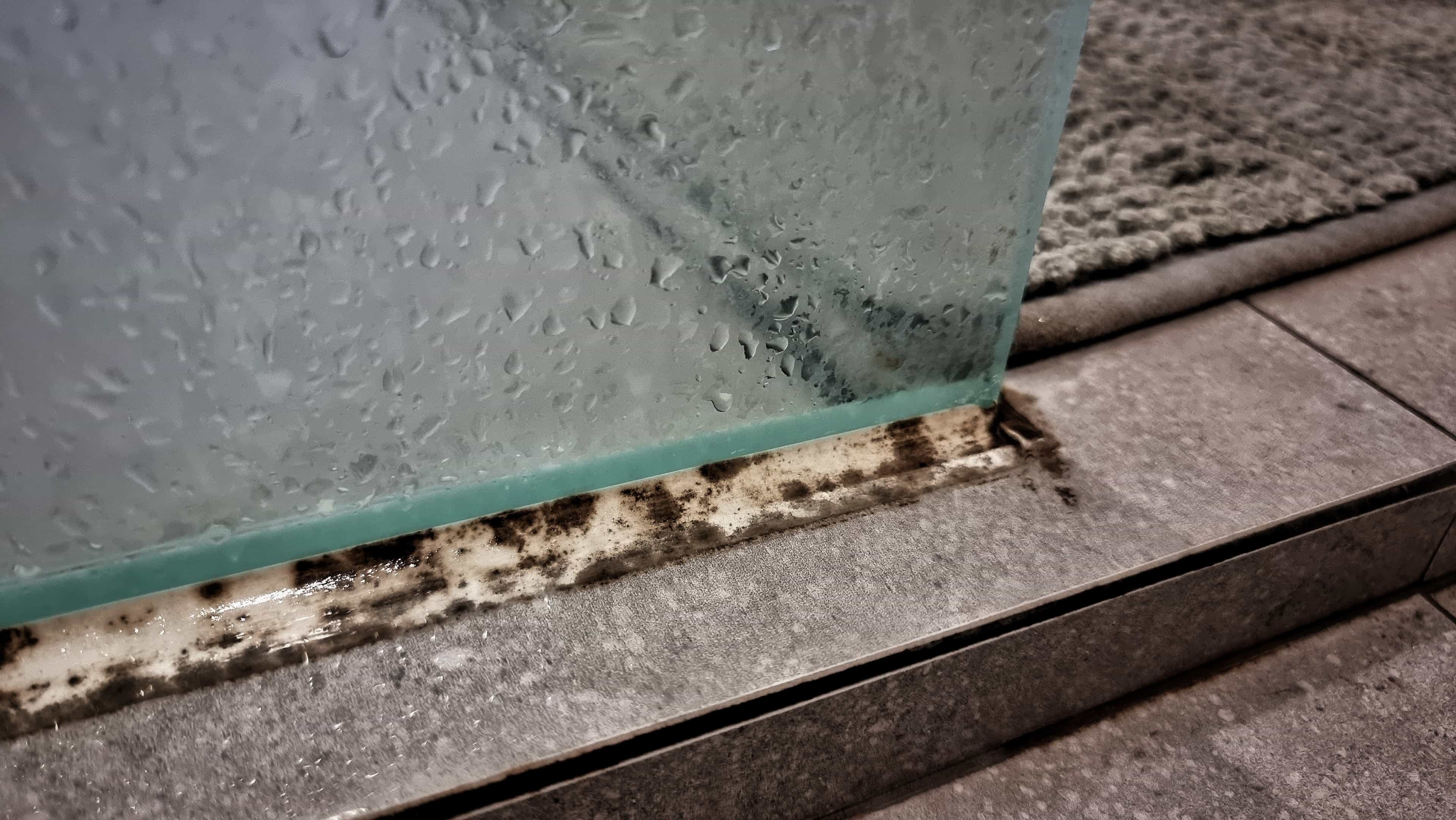
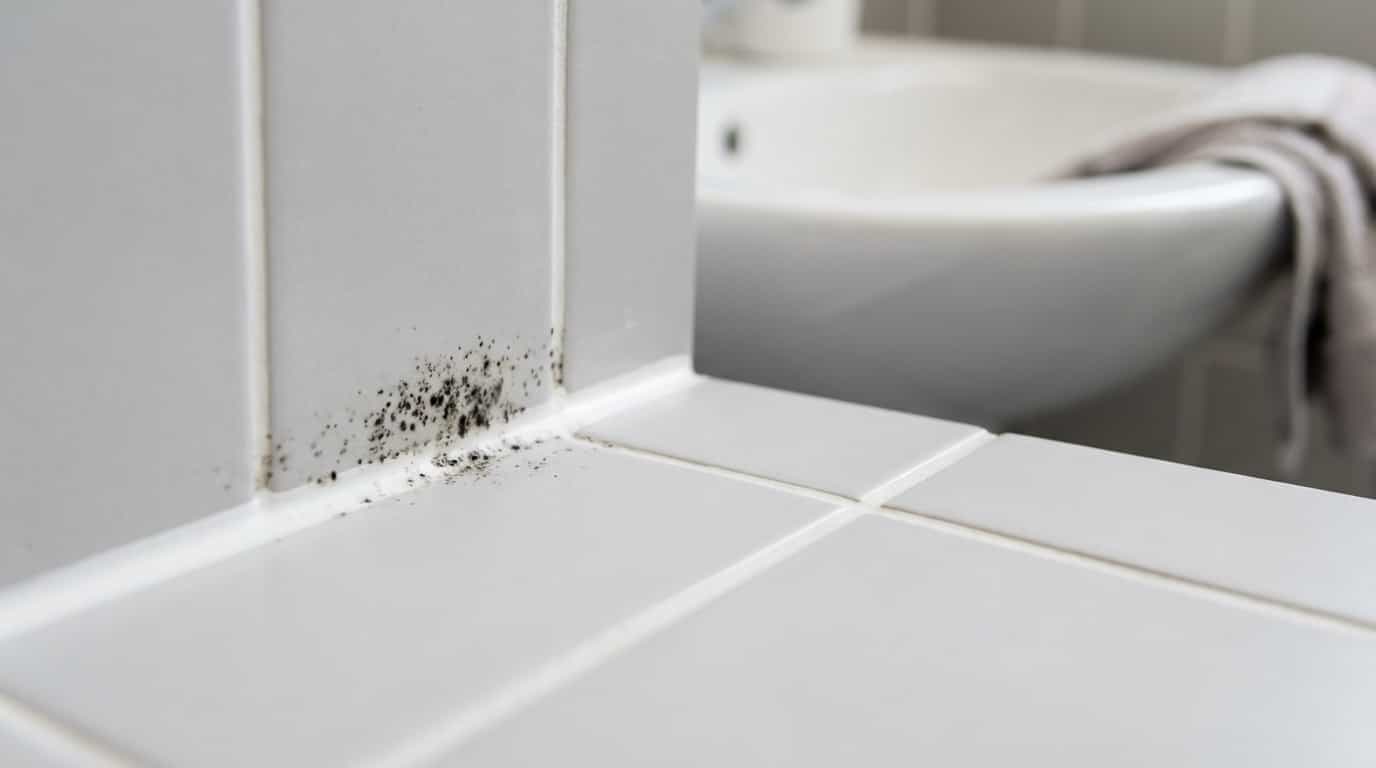
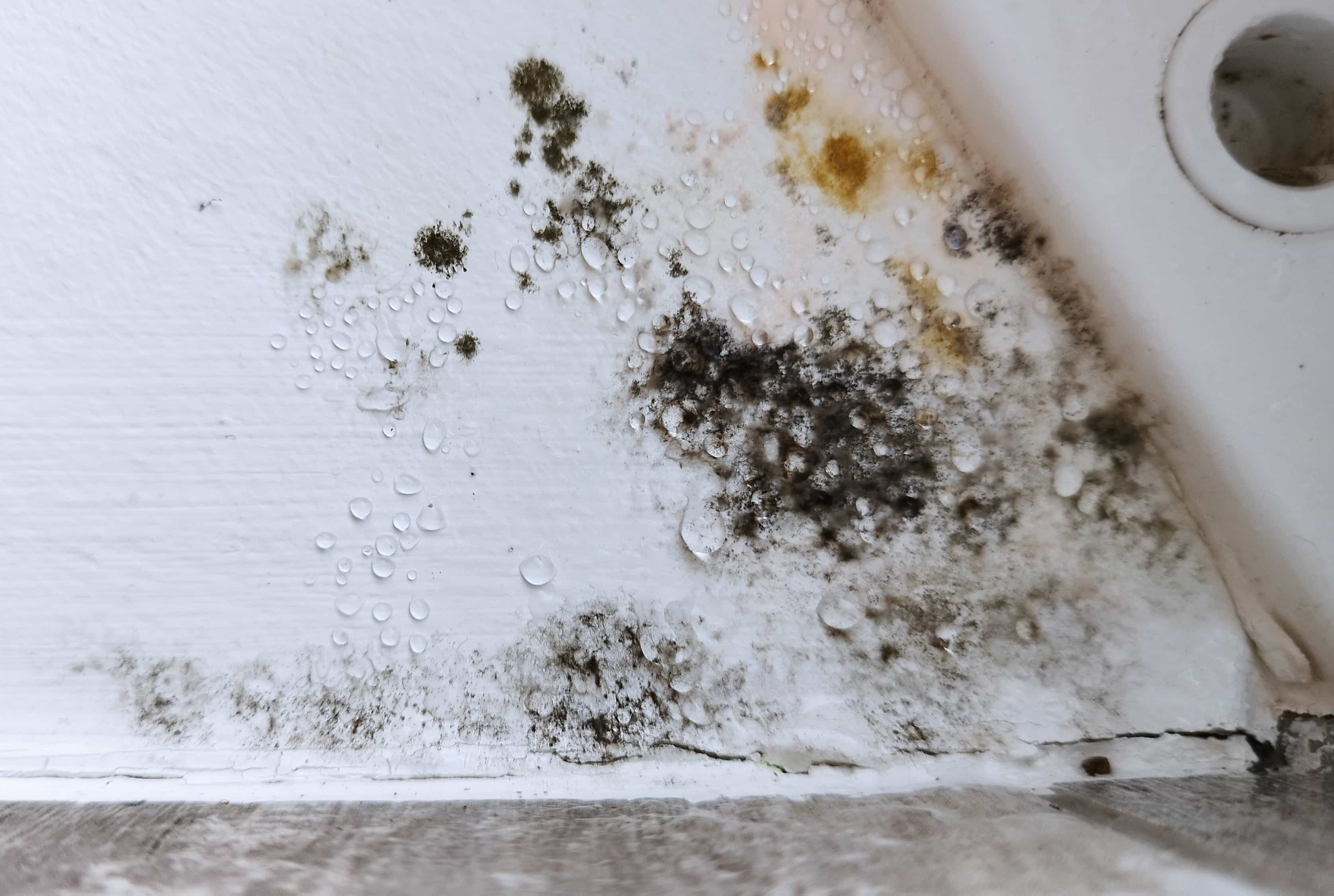
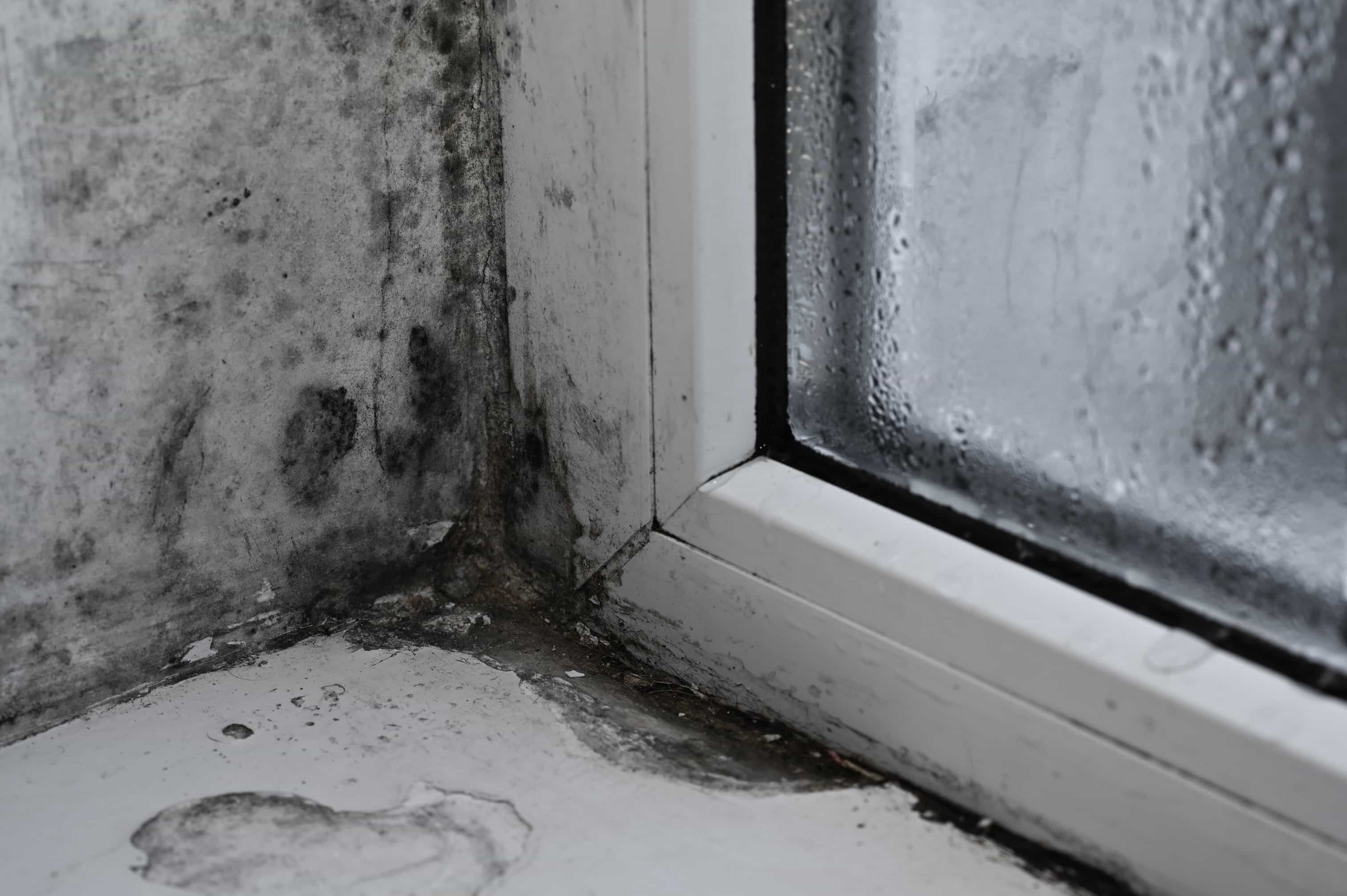
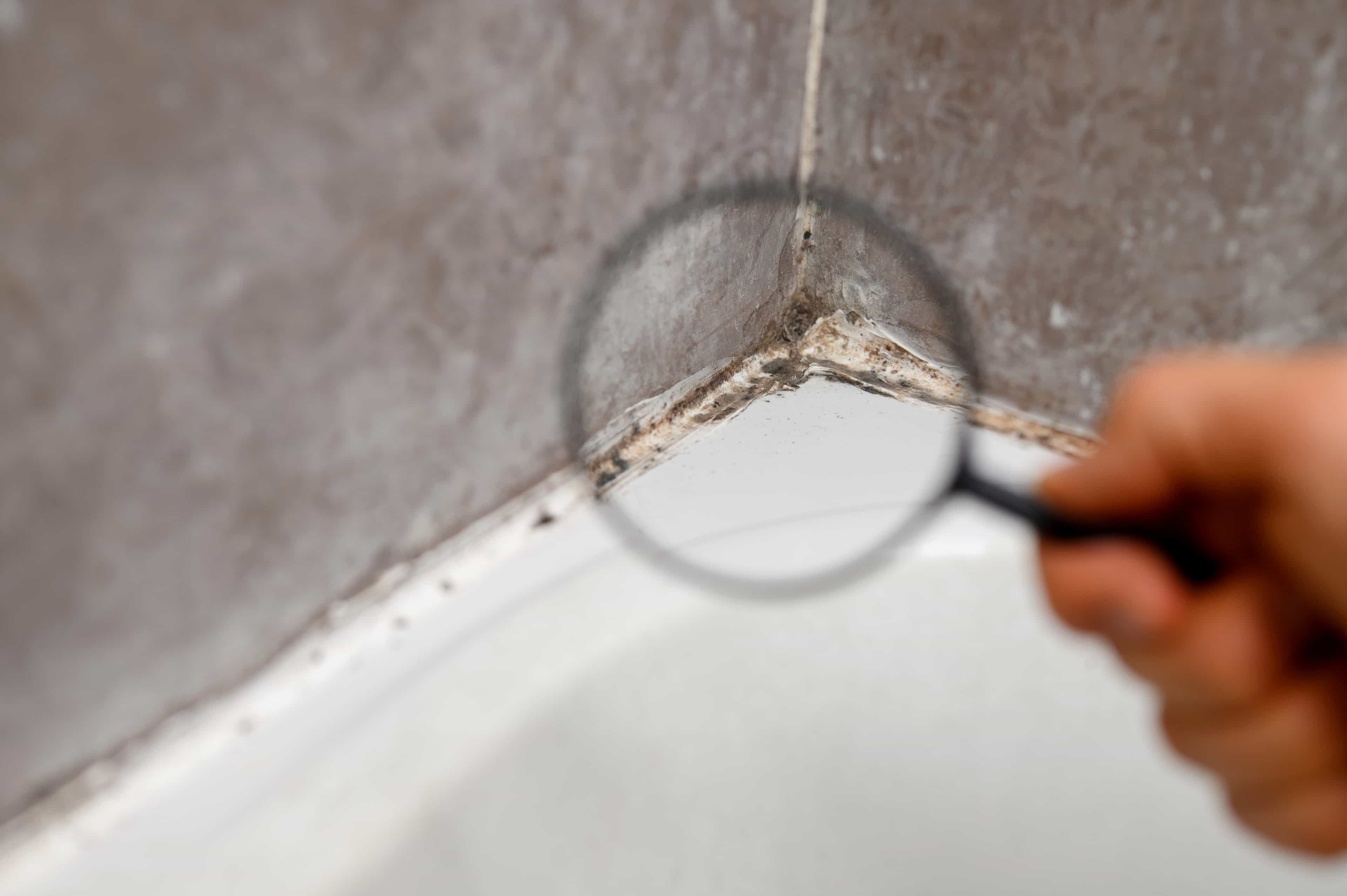
If you own a home in Canada, you’ve probably seen at least one of the warning signs: foggy windows in January, a musty smell in the basement, a dark line on a bathroom ceiling, or a spot of mould on a closet wall behind winter coats. None of these are unusual in a country with long winters, big temperature swings, and homes built to keep heat in. But they are signals that moisture is accumulating where it shouldn’t.
Mould is more than a cosmetic issue. It can damage finishes and building materials, reduce your home’s value, and make indoor air less healthy—especially for people with asthma, allergies, or breathing issues. The tricky part is that much of the damage happens out of sight inside walls, under flooring, or in basements and attics.
The good news: in most cases, mould growth in Canadian homes can be prevented or controlled once you understand the underlying mechanics. At its core, mould is about moisture, temperature, and time—shaped by Canada’s climate, the way homes are built, and how moisture is managed day to day.
This guide walks through that system end-to-end. We’ll look at how Canada’s changing climate affects moisture loads, how common construction details create weak points, how moisture behaves differently in winter versus summer, and how specific rooms become hotspots. From there, we’ll turn the science into practical checklists, seasonal routines, and clear thresholds for when you can tackle issues yourself and when you should bring in a professional.