The Anatomy of a Credible Mould or IAQ Proposal
Because pricing varies by region, house size, and scope, the most reliable way to judge value is to break the quote into components. A quote that is “cheap” because it skips the investigative work is often expensive in the long run because it forces you into retesting, repeated cleanup, or unnecessary demolition.
A useful quote usually contains five cost drivers:
On-site time and thoroughness
The real diagnostic work happens in the walkthrough and targeted investigation. If the scope sounds like “one room” when your concern is “the whole basement,” you’re being under-served.
Instrumentation and method
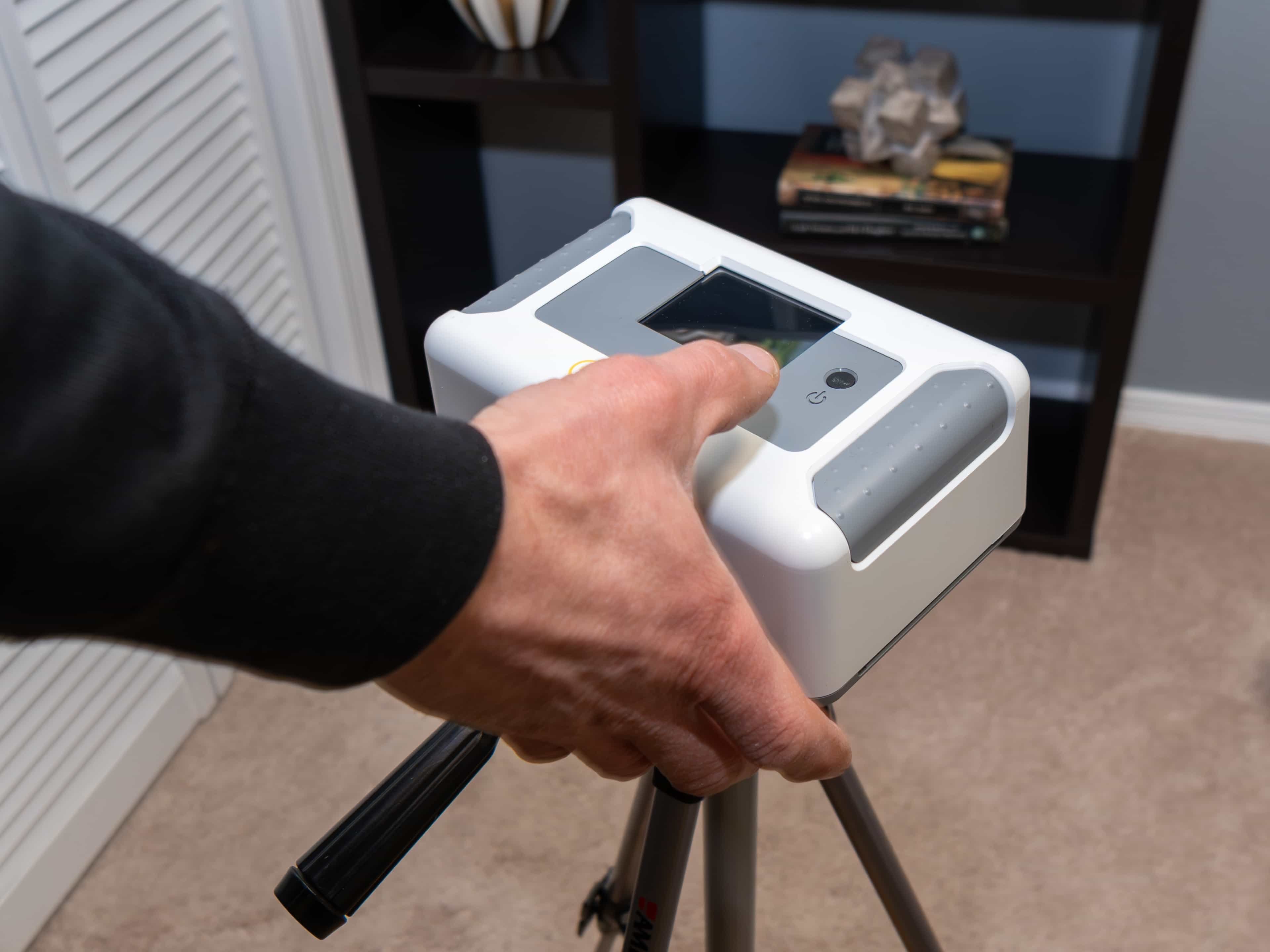
You’re paying for the ability to locate moisture, not just see mould. Many providers describe using moisture detection tools and inspection techniques as part of mould testing services, and Safeway Restoration’s description of mould testing reflects the common industry pattern of combining inspection with tools and, when justified, sampling
Sampling plan (if any)
Sampling should be justified in writing: what question it answers, how many samples, where, and what “comparison” sample is being used.
Lab fees and turnaround
If lab costs are embedded, ask whether they’re passing through lab fees at cost or marking them up. Neither is inherently wrong; you just want clarity.
Reporting and next-step recommendations
A short email that says “elevated mould” is not a report. You’re paying for interpretation and an actionable plan.
A quick sanity check: if the proposal spends more words describing the lab report than describing the building investigation, it’s likely oriented toward selling tests rather than solving the problem.