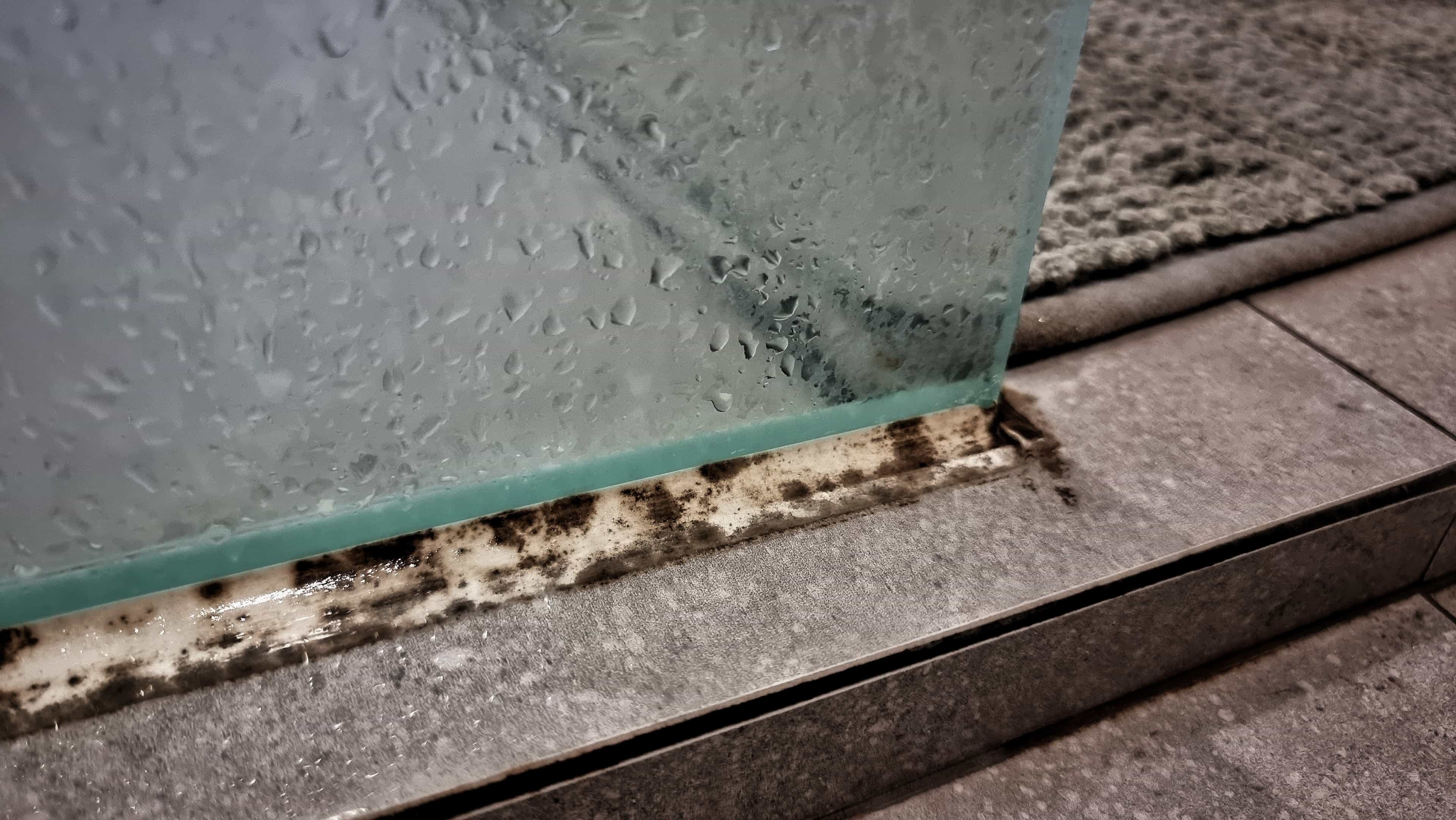
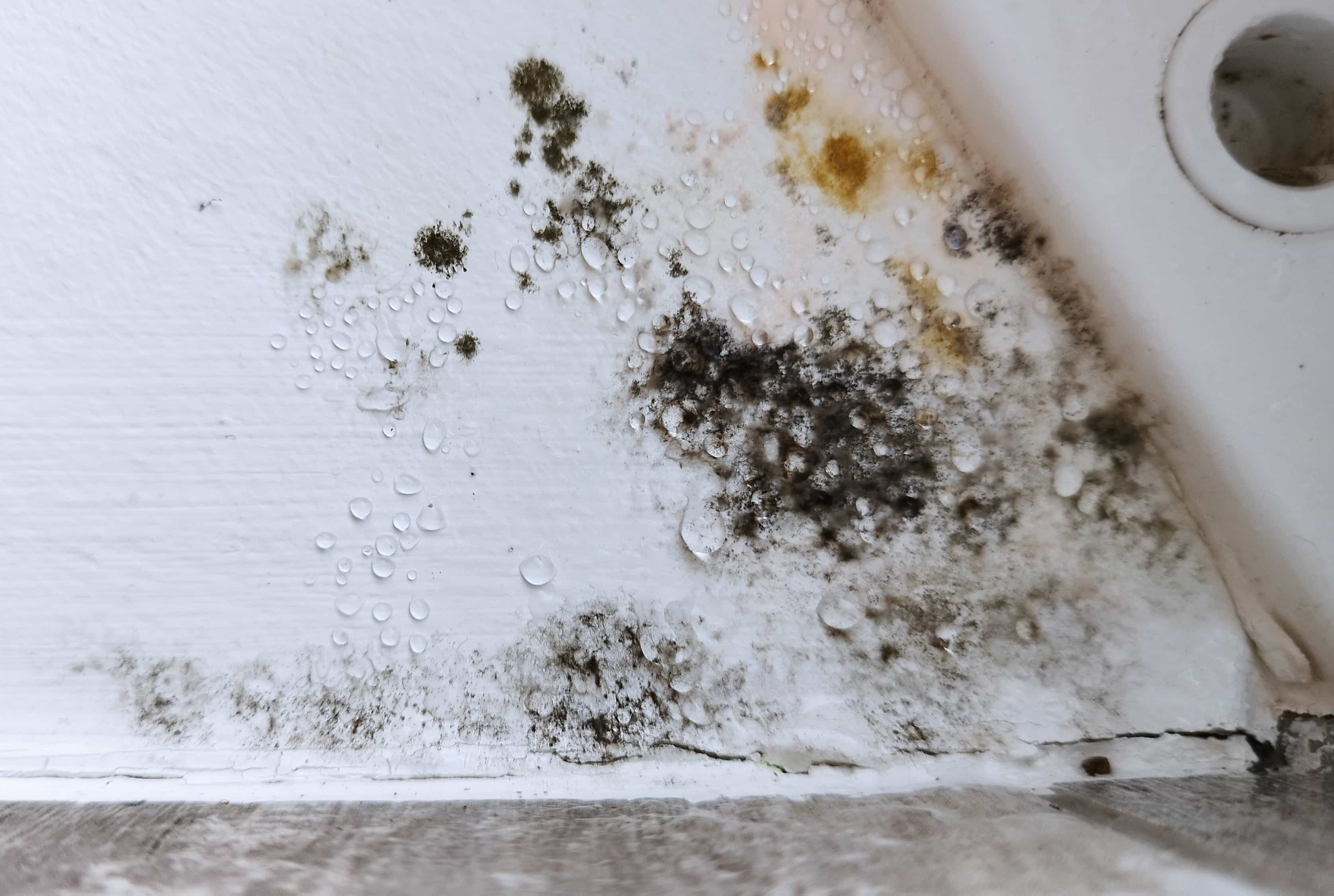
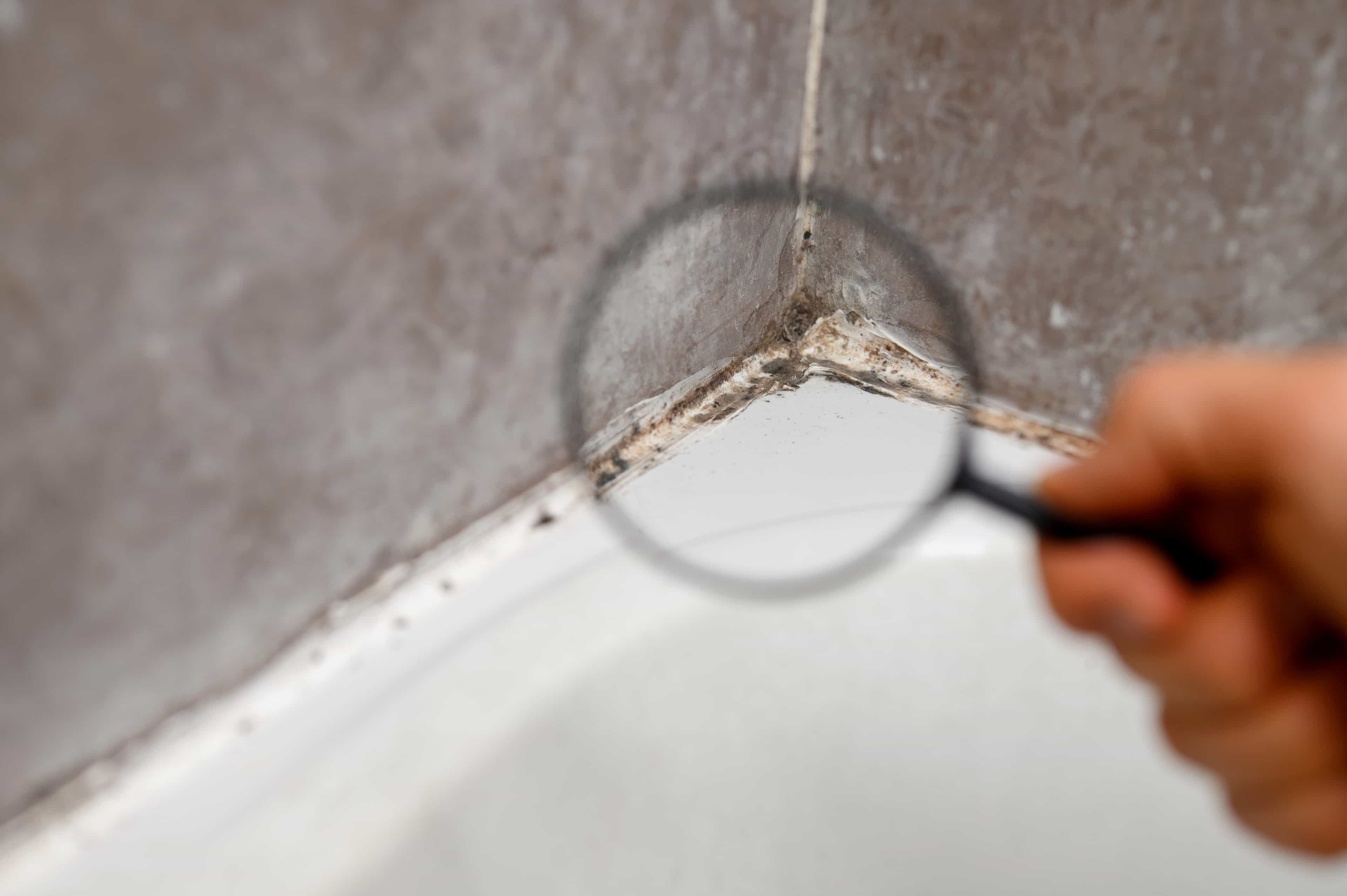
Finding and fixing the moisture source is the single most important step. Everything else is maintenance. Health Canada's prevention guidance centres on controlling indoor dampness, maintaining building components, and monitoring conditions — and it applies whether you've just remediated a mould problem or want to avoid one entirely.
Humidity Control
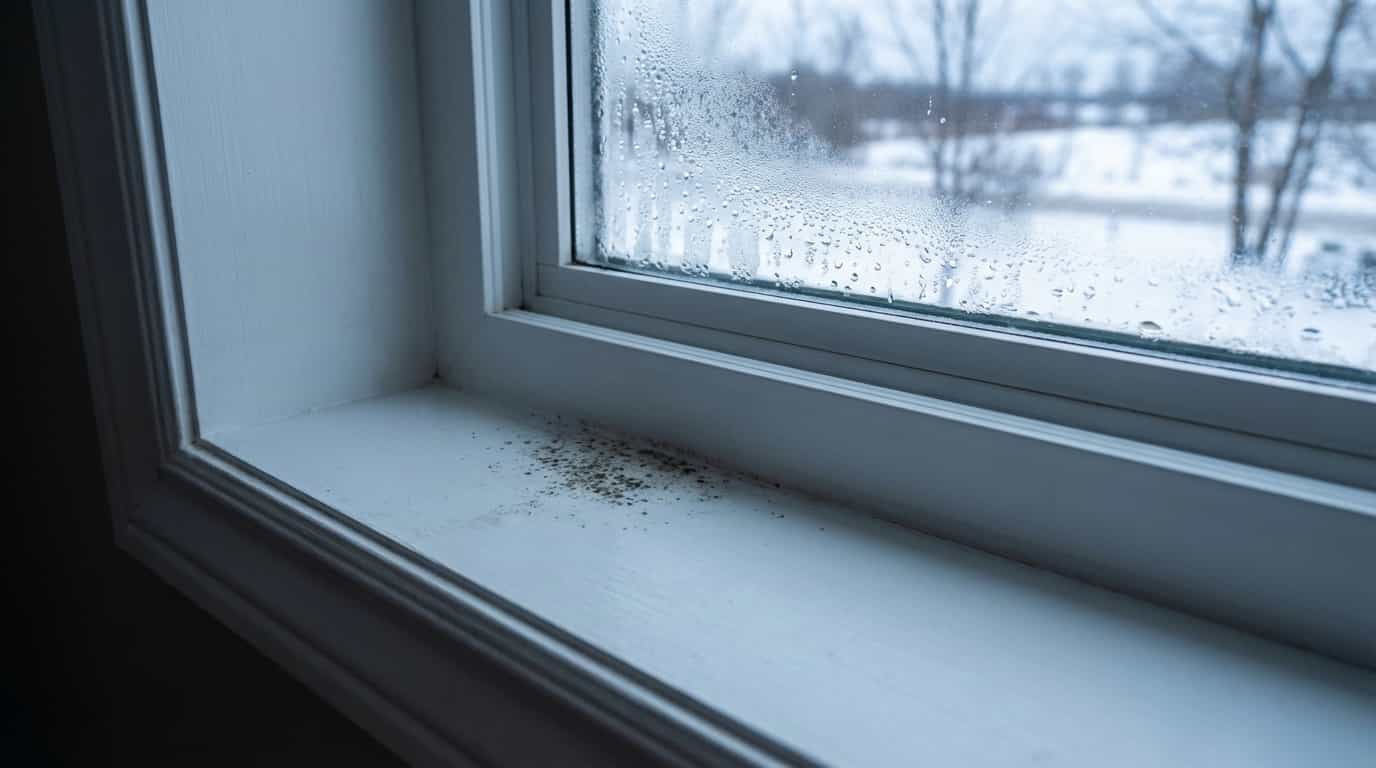
Target 30–50% relative humidity indoors. A basic hygrometer (available for under $20 at any hardware store) tells you where you stand. Run a dehumidifier in basements and any room that trends above 50% during humid months. In winter, watch for over-humidifying — humidifiers that push indoor RH above 60% create condensation problems on windows, walls, and cold surfaces.
Ventilation
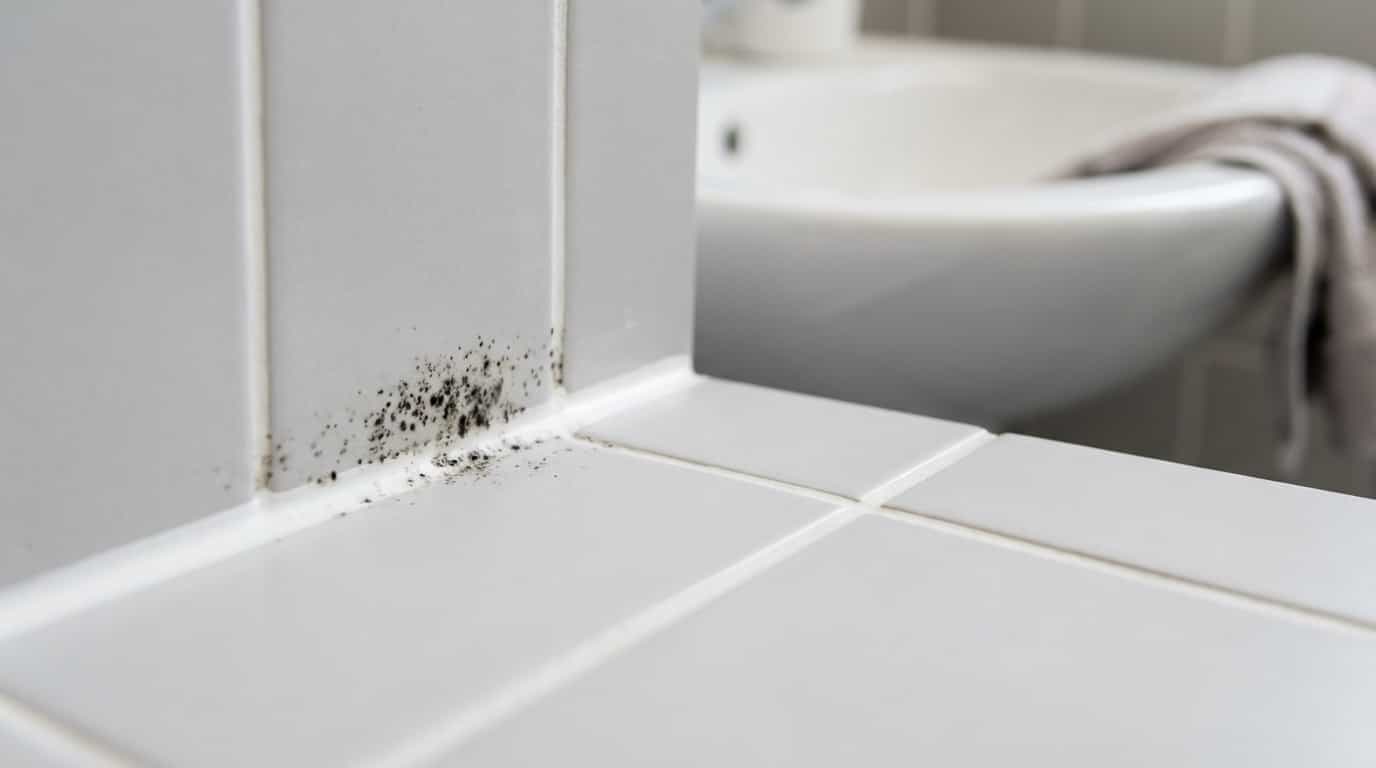
Run bathroom exhaust fans during and for at least 30 minutes after showering. Run the kitchen range hood while cooking. Confirm that all exhaust fans vent to the outside — not into the attic, soffit, or wall cavity. Open windows when weather and air quality allow to flush humid air. For a full overview of mechanical ventilation in Canadian homes, see How HRV & ERV Systems Work.
Seasonal Inspection Cadence
Spring: Check basement walls and floors after snowmelt for new seepage or staining. Inspect the roof and eavestroughs for winter damage. Clear downspouts and verify they discharge away from the foundation.
Fall: Inspect weatherstripping, caulking, and window seals before the heating season. Clean bathroom and kitchen exhaust fan covers. Check attic for moisture or frost accumulation.
Year-round: Fix plumbing leaks immediately. After any flood or water event, begin drying within 48 hours — the Canadian Conservation Institute's technical bulletin identifies this as the critical window for preventing mould establishment.
Storage Practices
Keep porous items — cardboard, books, clothing, bedding — off basement floors and away from exterior walls. Use plastic bins with lids instead of cardboard boxes. Avoid storing items directly against cold walls where airflow is restricted.
The most effective mould prevention doesn't require expensive equipment. It requires habits: drying surfaces after use, running fans during moisture-generating activities, fixing leaks promptly, and inspecting problem areas seasonally. Consistency matters more than intensity.