In most homes, no. Visible growth, musty odours, water staining, and dampness are enough to justify action. Testing often doesn’t change the required next steps, which are moisture control and removal.
A Canadian Homeowner’s Practical Framework for Detection, Cleanup, and Prevention

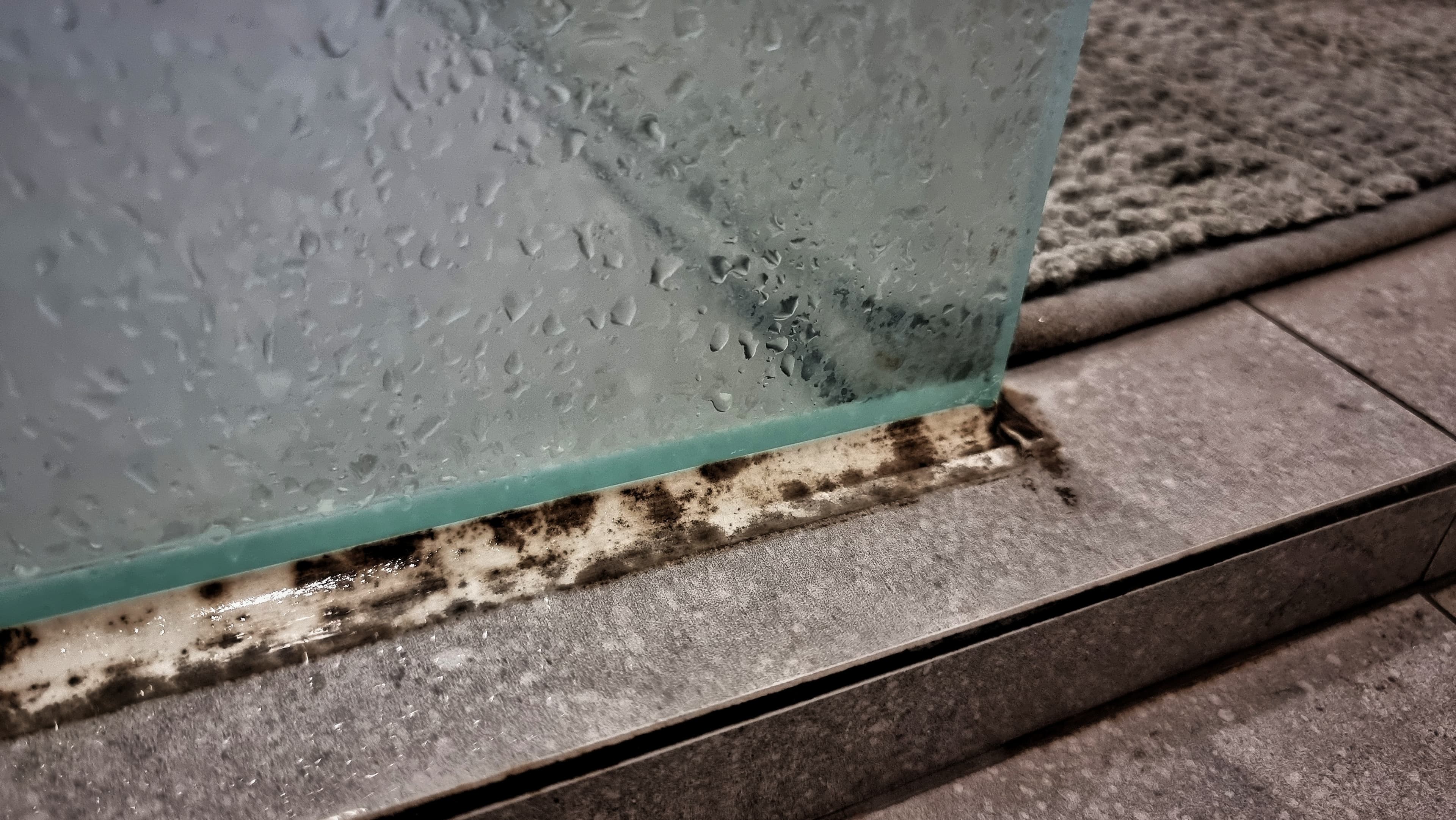
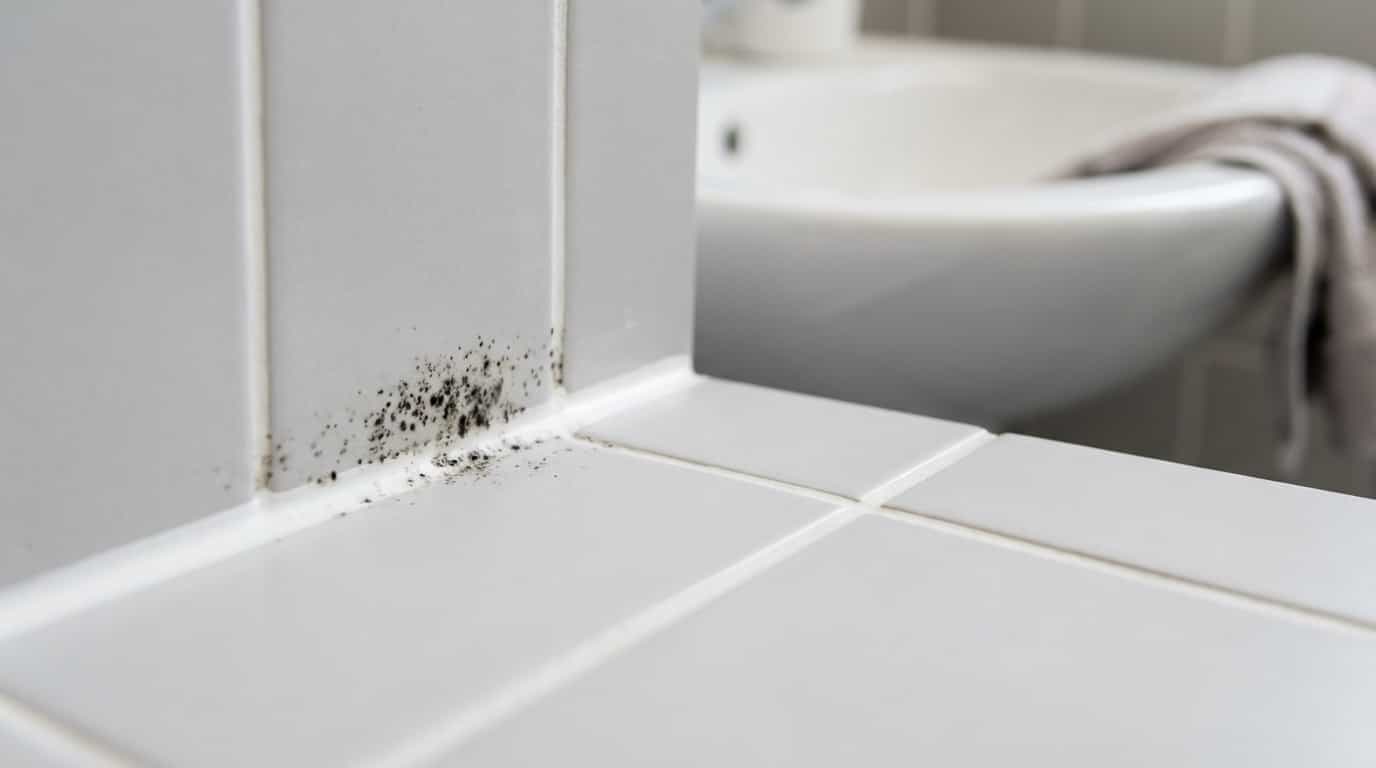
Visible mold accumulates at the base of a glass shower panel, exemplifying common indoor moisture problems in poorly ventilated areas. (Credit: Shutterstock)
Indoor mould is one of those home problems that feels small until it isn’t. A bit of black staining in a bathroom corner, a musty smell in the basement, a damp spot under a window—easy to ignore when life is busy. But mould is a signal that your home is holding moisture somewhere it shouldn’t, and moisture doesn’t stay politely contained.
This is also a very Canadian problem. Our winters push us toward tighter building envelopes, heavy insulation, and humidifiers. Our shoulder seasons bring freeze–thaw cycles, wet basements, and condensation. Summer can spike indoor humidity, especially in basements that stay cool while the air gets warm and damp. The result is that mould prevention isn’t about “cleaning better,” it’s about running a moisture-control system in a real house with real weather.
A peer‑reviewed Canadian study in the International Journal of Environmental Research and Public Health estimated that roughly 14% to 38% of Canadian residences show signs of dampness or mould, with some Montréal neighbourhoods reporting 30% to 52% prevalence. That range matters: mould isn’t rare, and the risk isn’t evenly distributed—it depends on building condition, ventilation, and local moisture pressure.
Older Canadian data shows the same pattern. A large questionnaire study summarized on PubMed reported visible mould in 32.4% of homes and found that many households also experienced flooding and moisture problems. The headline is simple: if you own or live in a Canadian home long enough, the odds of encountering mould are not trivial.
This guide is designed to give you a clean, homeowner‑level framework. You’ll learn how to spot mould (including hidden clues), how to decide whether DIY is reasonable, how to clean small and many medium areas safely, and what to do when the mould keeps coming back.

Mould isn’t a “type-of-home” issue. It’s a physics issue. Most homes have the temperatures and surfaces mould needs, so the deciding factor is almost always moisture.
Health Canada’s Residential Indoor Air Quality Guideline on moulds makes the key point that homeowners should internalize early: there’s no practical health-based exposure limit because people vary in sensitivity and many species can be present, so the recommendation is to control humidity, repair water damage, and clean both visible and concealed mould. Once you accept that, you stop getting distracted by “what kind of mould is it?” and start focusing on the only lever that reliably changes outcomes: moisture control plus removal.
Think of mould as the smoke, not the fire. The “fire” is one (or more) of these moisture patterns:
Timing is what turns a water event into a mould event. Health Canada’s guide to addressing moisture and mould indoors notes that mould can begin to grow within about 48 hours after materials get wet, which is why drying speed is not a nice-to-have—it’s the difference between a one‑day inconvenience and a weeks‑long remediation.
Lab tests and species labels rarely change what you should do in a typical home: fix the moisture source and remove the mould. If you’re choosing where to spend effort and money, spend it on drying, ventilation, and removal rather than on “finding out what it is.”
You don’t need a microscope to find mould. You need a good pattern-recognition loop and the willingness to look in the boring places.
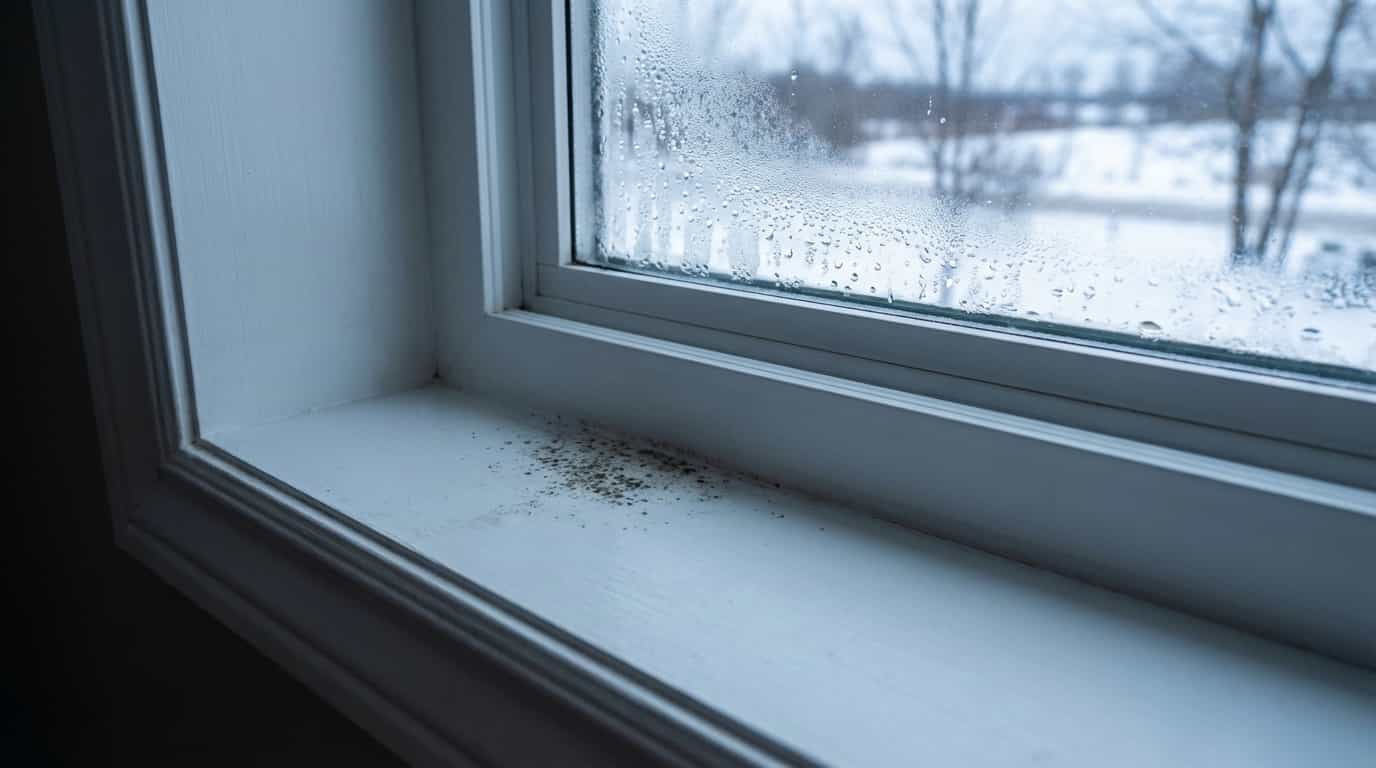
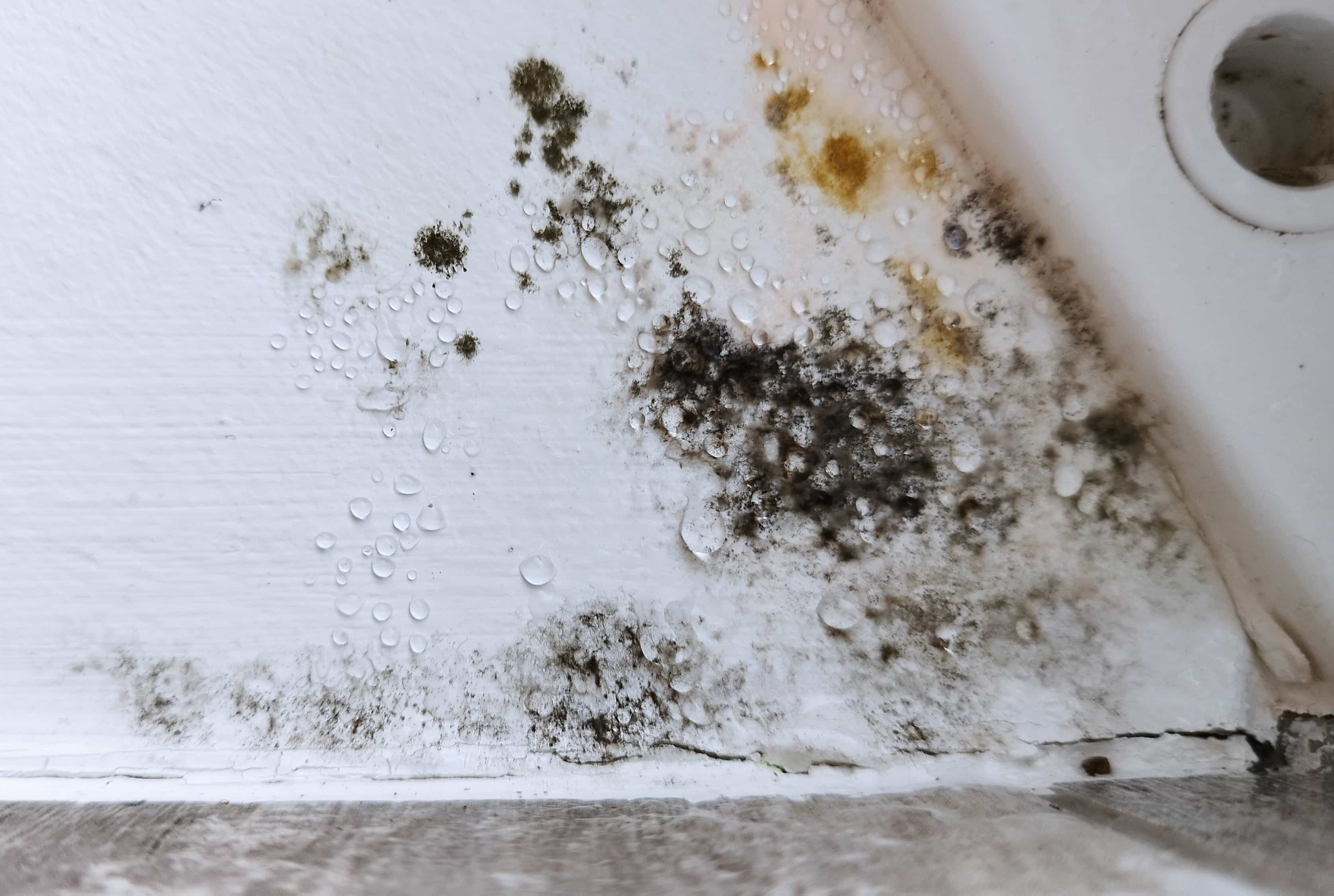
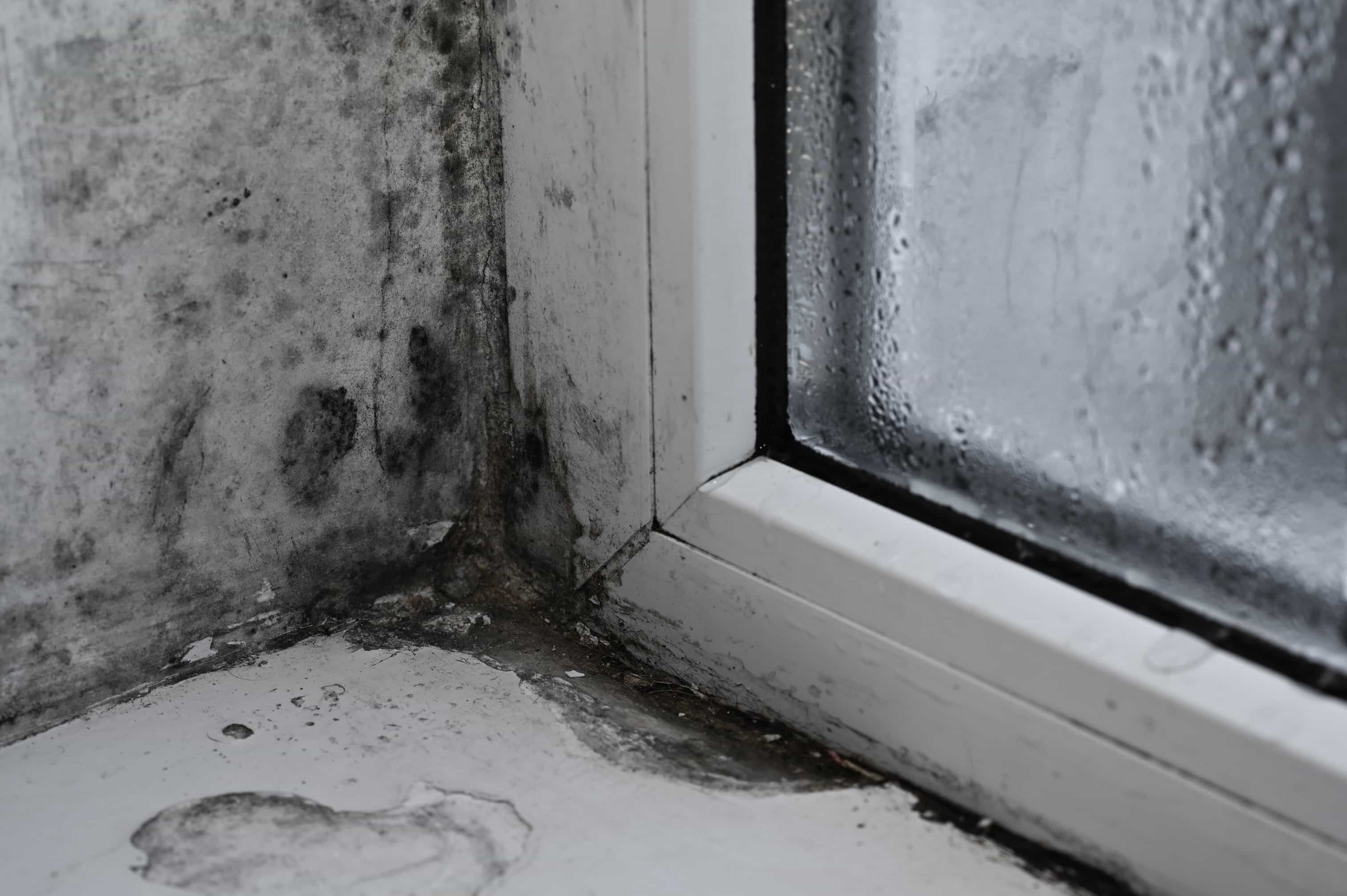
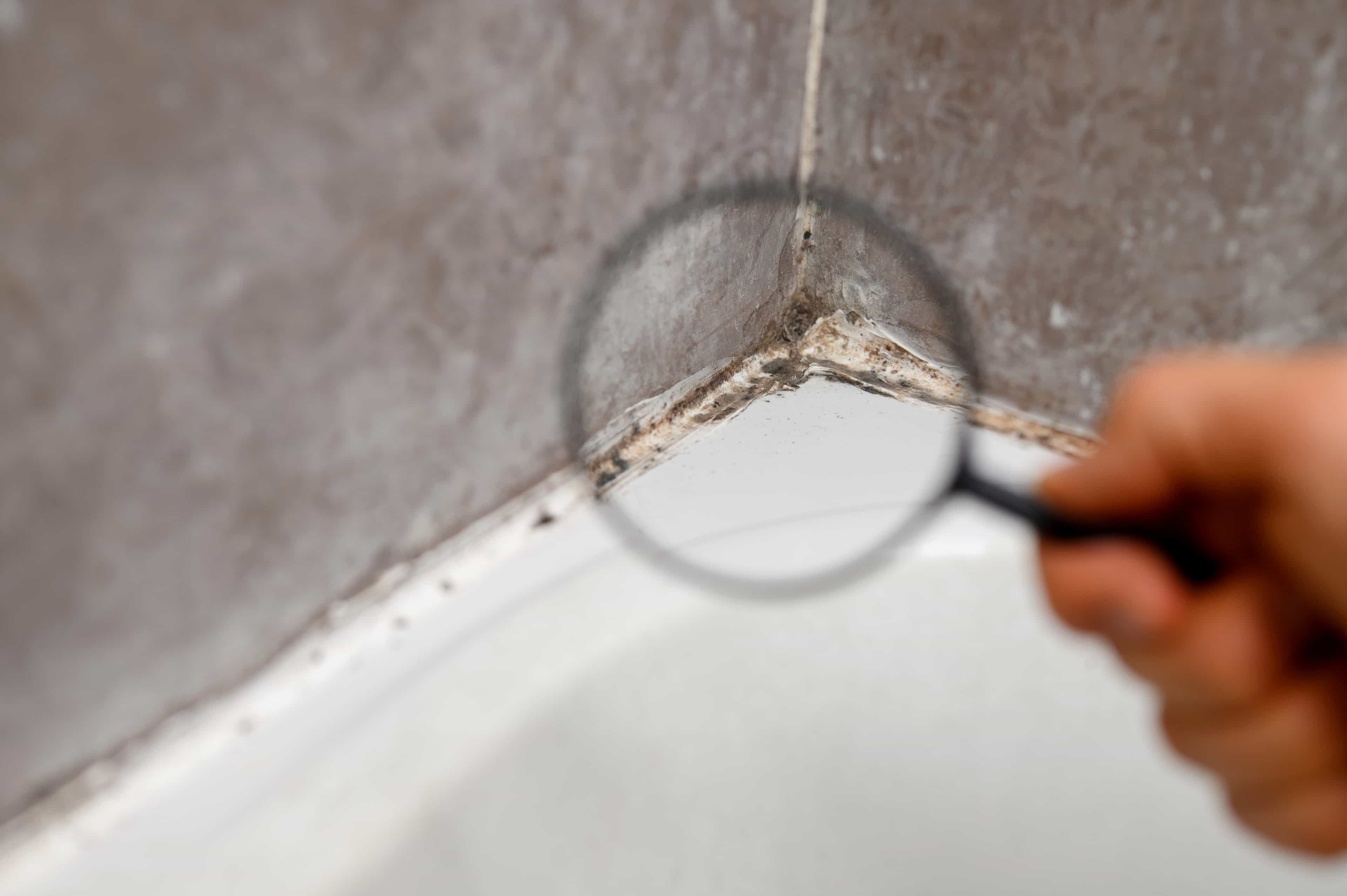
Health Canada’s Reduce Humidity, Moisture and Mould guidance points homeowners to the practical indicators: stains or discolouration on surfaces and fabrics, plus a musty or “earthy” odour that signals hidden growth even when you can’t see it.
Here’s a fast homeowner screen that works surprisingly well:
Do a “seasonal sweep” twice a year: once after spring thaw and once as winter starts. Those are the moments when Canadian homes often shift into higher-risk moisture patterns.
For many households, mould shows up as a building issue first (odour, stains) and a health issue second. But it can also be the other way around—recurring irritation that improves when you’re away from home and worsens when you return.
Health Canada’s archived Know - Mould and Your Health video transcript describes common effects that homeowners often recognize only in hindsight:
Some people are more vulnerable than others, including children, seniors, and people with asthma or other respiratory conditions. The practical implication for homeowners is simple: treat clean‑up like a contained worksite and keep higher‑risk household members away from the area until it’s fully cleaned and dried.
Parents should also know that the evidence base is particularly strong for children. The Canadian Partnership for Children’s Health and Environment’s Mould and Dampness resource highlights links between dampness/mould exposure and worsened asthma, as well as associations with asthma development and other respiratory issues in kids.
Local public health messaging aligns with the federal picture. The Thunder Bay District Health Unit’s mould guidance for homeowners frames mould as a health hazard that can trigger asthma attacks, allergic reactions, and cold‑like congestion symptoms, with “keep the home dry” as the core prevention strategy.
If anyone in your household has asthma, severe allergies, a weakened immune system, or you’re caring for infants, seniors, or a pregnant person, plan mould cleanup so they are not in or near the work area. If you suspect health impacts from mould exposure, treat that as a reason to escalate faster—either to a professional remediator, a clinician, or both.

Most homeowner mistakes happen at the boundary between “small enough to handle” and “big enough to spread.” You don’t need perfection here—you need a conservative, repeatable rule.
Health Canada’s size‑based mould categories classify contamination by area, which is useful because it forces you to stop arguing with yourself and start acting based on a measurable threshold.
To keep your judgement honest, translate 1 m² into something you can visualize. It’s roughly the footprint of a small café table, or a square about 1 metre by 1 metre. A patch that size on a wall is not “just a spot.”
Policy guidance also reinforces the need to act decisively when growth is sustained or widespread. The Government of Ontario’s mould hazard bulletin takes the position that sustained or extensive visible mould growth on interior surfaces is unacceptable and typically results from moisture issues like leaks, flooding, water intrusion, or high humidity.
Renters need one extra step in the process because they may not control building repairs. Health Canada’s Healthy Home Guide advises that if you rent and you find large amounts of mould, you should speak with your landlord and ensure the underlying moisture cause is fixed, since landlord–tenant responsibilities are governed provincially and territorially.
Stop DIY and call a professional if you see any of these red flags: a single large patch (bigger than ~3 m²), mould returning after cleaning, water damage from sewage/contaminated flooding, suspected hidden mould inside walls/ceilings, or a strong musty odour that persists even after drying and ventilation.
DIY mould cleanup is not about “killing mould.” It’s about removing it, drying the materials, and preventing spores and dust from travelling through the house while you work.
Health Canada’s Guide to addressing moisture and mould indoors lays out a practical preparation sequence: fix the moisture issue first, keep susceptible people (and pets) away from the work zone, discard porous items that can’t be cleaned properly, vacuum with a HEPA filter where appropriate, dry thoroughly, and isolate the affected area with plastic sheeting when needed to reduce exposure and spread.
Porous or absorbent materials can hold mould growth and moisture deep inside, which is why surface cleaning often fails. The practical list includes:
A Canada Mortgage and Housing Corporation news release archived as Fighting Mold - Practical Tips for Freeing Your Home From Mold reinforces the same homeowner-level decision rule: small areas around 1 m² may be manageable with proper protection and detergent cleaning, while larger areas or recurring mould should trigger professional assessment and focus on the moisture source.
Do not use bleach for mould cleanup, and do not turn a damp area into a chemical experiment. If the area is wet enough to involve standing water, prioritize electrical safety first (shut off power to the affected area if needed) and treat contaminated floodwater as a professional‑level scenario.
The most effective mould prevention plans are boring: they reduce moisture inputs, increase controlled ventilation, and keep indoor humidity in a safe band.
Health Canada’s Ten Tips for a Healthy Home emphasizes everyday actions that cut mould risk at the source, including cleaning up spills promptly, repairing roof/wall/plumbing leaks, and reducing indoor moisture loads from habits like drying laundry indoors.
Humidity management is the other pillar. Health Canada’s hazards in your home guidance sets a clear target by recommending indoor humidity levels between roughly 30% and 50% and links that target directly to mould prevention. The same guidance also gives room‑specific playbooks, such as ventilating bathrooms during showers and keeping tubs/sinks well sealed to prevent hidden leaks, because bathrooms are one of the most common mould hotspots.
Climate pressures are moving in the wrong direction for moisture. Health Canada’s moisture and mould guidance notes that heavier rainfall, storms, flooding, and tighter energy‑efficient construction without adequate ventilation can increase indoor dampness and mould risk in some regions, which makes prevention systems (fans, dehumidifiers, air sealing done correctly) more important over time.
Buy a simple hygrometer and treat humidity like a home vital sign. If you’re consistently above 50% in a basement or bathroom zone, you’re operating in mould-friendly conditions even if you can’t see growth yet.
Recurring mould is a signal that your process is incomplete. In practice, one of three things is happening:
Use this troubleshooting table to get unstuck:
If you’ve cleaned properly and mould still returns, escalate. Recurrence is one of the strongest indicators that moisture is still present or that mould is hidden in building cavities, and those are the situations where professional assessment is usually worth it.
In most homes, no. Visible growth, musty odours, water staining, and dampness are enough to justify action. Testing often doesn’t change the required next steps, which are moisture control and removal.
Fast. If porous materials stay wet, mould can start within a couple of days. Your priority is to dry quickly and completely.
Picture a square roughly 1 metre by 1 metre. If a single patch approaches that size, treat it as more than a cosmetic issue and consider professional advice.
Small patches and many medium situations can be manageable if you can contain the area, wear proper PPE, and fully address the moisture source. Larger areas or recurring mould usually justify professional remediation.
At minimum, use eye protection, gloves, and a well‑fitting respirator such as an N95. The goal is to reduce exposure when mould is disturbed during cleaning.
Avoid bleach for mould cleanup and use mild cleaning methods with soap/detergent and water on washable surfaces. Bleach isn’t necessary for effective removal in most household situations and brings its own risks.
Only if the surface dries quickly and the moisture source is fixed. If the dampness remains, mould often returns.
Drywall is porous and can be damaged by excessive scrubbing or water. If mould is under paint, in soft drywall, or widespread, removal and replacement is often the safer path.
Carpet and underpad that got wet or mouldy are hard to clean thoroughly and often need to be removed and discarded. Drying the subfloor and controlling humidity becomes the priority.
If the item is truly mouldy or smells musty after drying, it’s often not realistically salvageable because the growth can be internal. When in doubt, prioritize health and replace.
Treat odour as a clue to hidden moisture. Check behind furniture, in closets on exterior walls, around windows, and under sinks, and look for stains or dampness.
It’s better to keep them away from the cleanup area. Disturbing mould can increase airborne particles, and children and some adults are more sensitive.
A practical target is roughly 30% to 50% relative humidity indoors. Use a hygrometer to measure instead of guessing.
Warm humid air can condense on cool basement surfaces, creating dampness even without leaks. Dehumidification and limiting humid air inflow often help.
Document what you see and report it to your landlord promptly, emphasizing that the moisture source needs repair. Tenant and landlord responsibilities vary by province, so use your provincial guidance if escalation is needed.
If the affected area is large, mould keeps returning, water damage involved contaminated flooding, or you suspect hidden mould inside walls/ceilings. Also consider faster escalation if anyone in the home has significant respiratory conditions.