When the Water Was Already in the Air
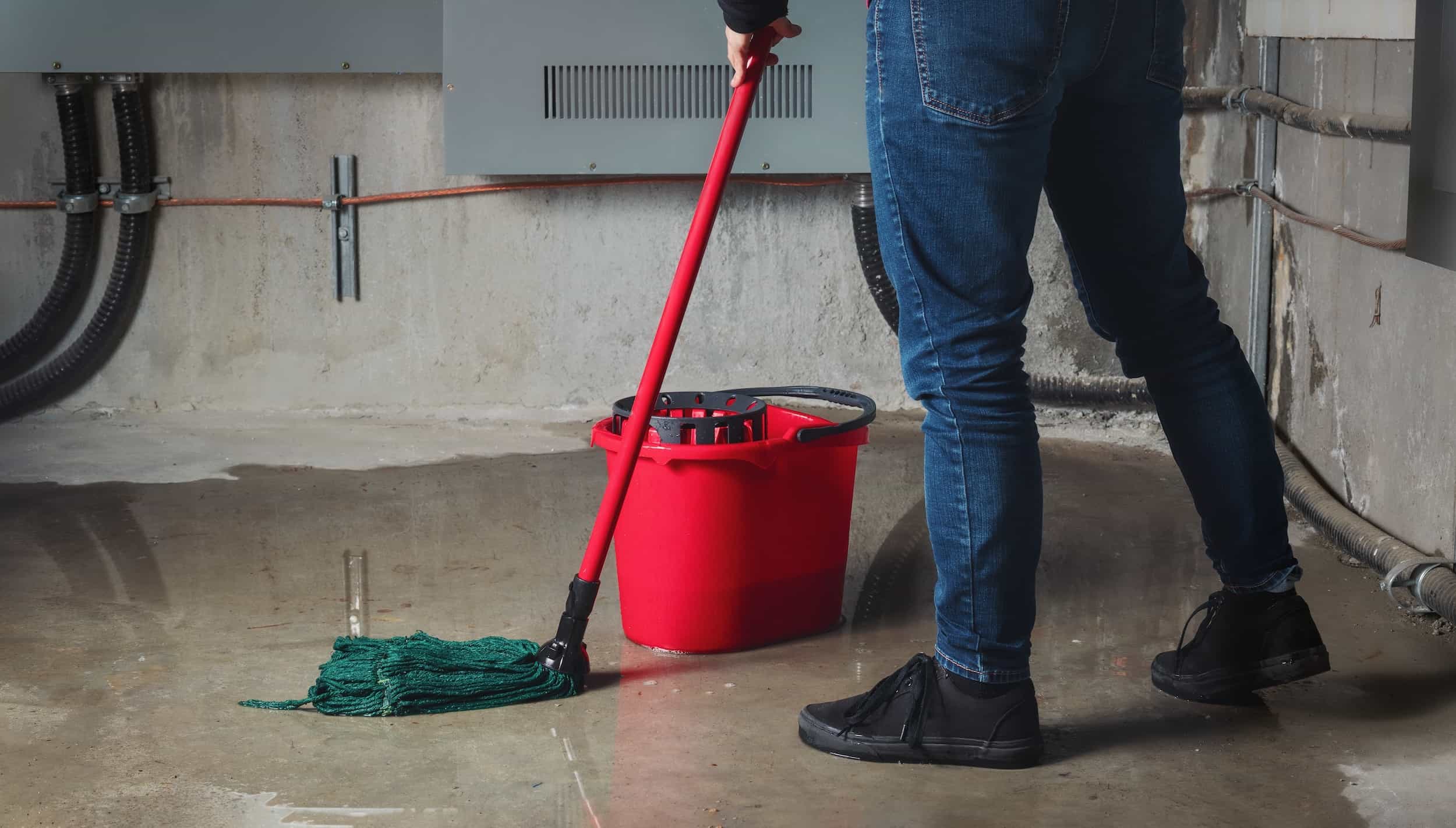
Condensation is the most commonly misidentified basement water source. Cool basement surfaces — walls, floors, pipes, windows — attract moisture from warm, humid indoor air, especially in summer. The result looks like seepage: beaded droplets on pipes, damp patches on walls, film on windows, and a musty smell. But no water is entering from outside.
Health Canada's moisture and mould guidance specifically recommends running a dehumidifier (with windows closed) when condensation appears on cold surfaces or when indoor relative humidity exceeds about 50%. It also advises insulating cold-water pipes with foam to eliminate condensation surfaces.
What you'll see: Beads or film of moisture on cold-water pipes, toilet tanks, ductwork, and windows. Walls may feel clammy to the touch, especially exterior walls that are cooler than interior air. The basement may smell damp or stuffy. Critically, these symptoms appear or worsen during warm, humid weather — the opposite pattern from rain-driven leaks.
Quick Confirmation Checks
Humidity check. A basic hygrometer (available for under $20 at any hardware store) tells you the relative humidity. Above 50% in a basement is a condensation risk. Above 60% is almost certainly producing visible moisture on cool surfaces.
The patch test again. If you ran the polyethylene patch test from the floor crack section, check what happened on the top surface. Moisture on the top = condensation. This is the simplest way to separate "water coming through the slab" from "water already in the air."
Activity correlation. CMHC asks homeowners to consider whether moisture-producing activities — drying laundry, long showers, cooking — occur in or near the basement, and whether the space is adequately ventilated. If dampness increases after laundry days or when a dryer vent is disconnected, indoor humidity is the driver.
What to do right now: Close basement windows during humid summer weather (counter-intuitive, but opening them introduces more moisture). Run a dehumidifier. Insulate exposed cold-water pipes with foam sleeves. Move stored items away from exterior walls to allow air circulation.
Track humidity with a hygrometer for one week while running a dehumidifier. If visible dampness disappears as humidity drops below 50%, condensation was the source — and no foundation work is needed.
Escalation cue: If humidity stays stubbornly above 60% even with a dehumidifier running and windows closed, moisture may be entering the air from a hidden source — capillary action through the slab, a concealed plumbing leak, or bulk water evaporating in a crawlspace. In that case, the condensation is a secondary symptom, not the root cause.