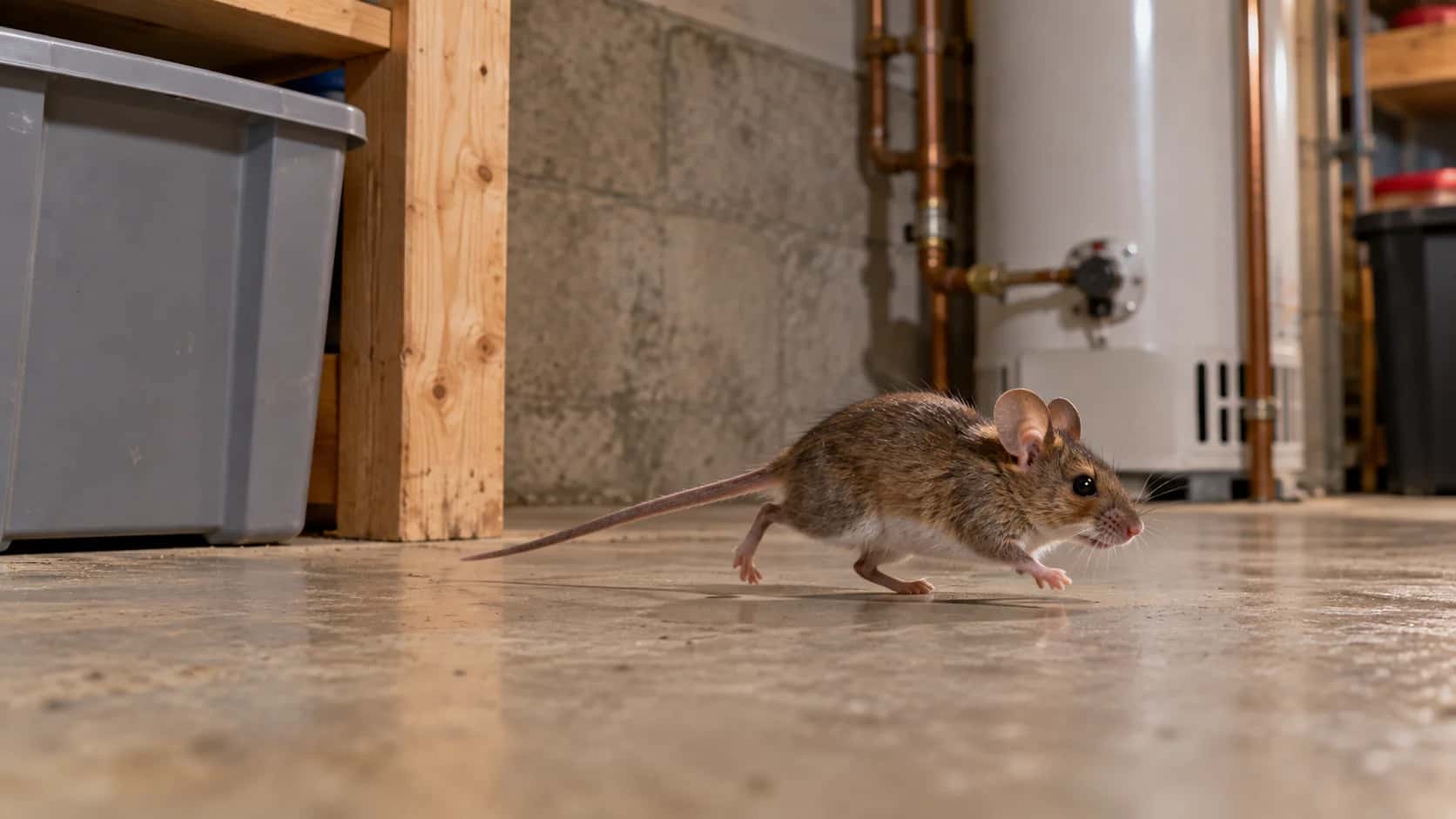
If you've found droppings under the sink, a chewed bag of rice in the pantry, or heard the telltale skitter in the walls at night, your first instinct is probably to act fast. Your second instinct, if you share your home with a dog, a cat, a rabbit, or small kids, is to handle it without the heavy artillery — no tamper-resistant bait boxes, no blue pellets tucked behind the stove, nothing that could end up in tiny curious hands or paws.
That instinct is backed by more than caution. It's shared by Canadian veterinarians, provincial regulators, and the humane-control researchers whose guidance shapes modern pest management. "Natural," in this context, doesn't mean herbal or fragrant or weak. It means a sequence of practical, layered moves that close off the house to mice in the first place, then handle the stragglers without chemicals that can travel up the food chain.
This guide walks through that sequence in the order that actually works. We'll seal the building envelope, cut off the food and shelter mice are looking for, use targeted deterrents where they genuinely help, trap humanely where activity remains, and know when to bring in a professional who shares your values. The goal is a home that's quiet at night again, safe for pets and kids, and difficult for the next generation of mice to rediscover.
One quick note before we dive in. Mice breed quickly, and a handful of signs — a few droppings, one chewed corner in the pantry — can become a much bigger problem in a few weeks if nothing changes. The good news is that the most effective natural methods are also the ones that prevent recurrence, so the work you do this weekend pays off for seasons to come.