You can't control the weather, but you can control how water and frost interact with your foundation. Most of the highest-impact prevention steps are low-cost, low-skill, and should be part of your seasonal routine.
Drainage and Grading
This is the single most important variable. Multiple Canadian technical and municipal sources consistently identify poor surface drainage as the primary factor in basement water infiltration — ahead of crack severity, foundation age, or wall type.
Confirm that the ground slopes away from your house on all sides. Fill any settled areas near the foundation with compacted soil to restore positive drainage. The target is about 1 inch of drop per foot for the first six feet. This is a shovel-and-wheelbarrow job, not an excavation project.
Gutters and Downspouts
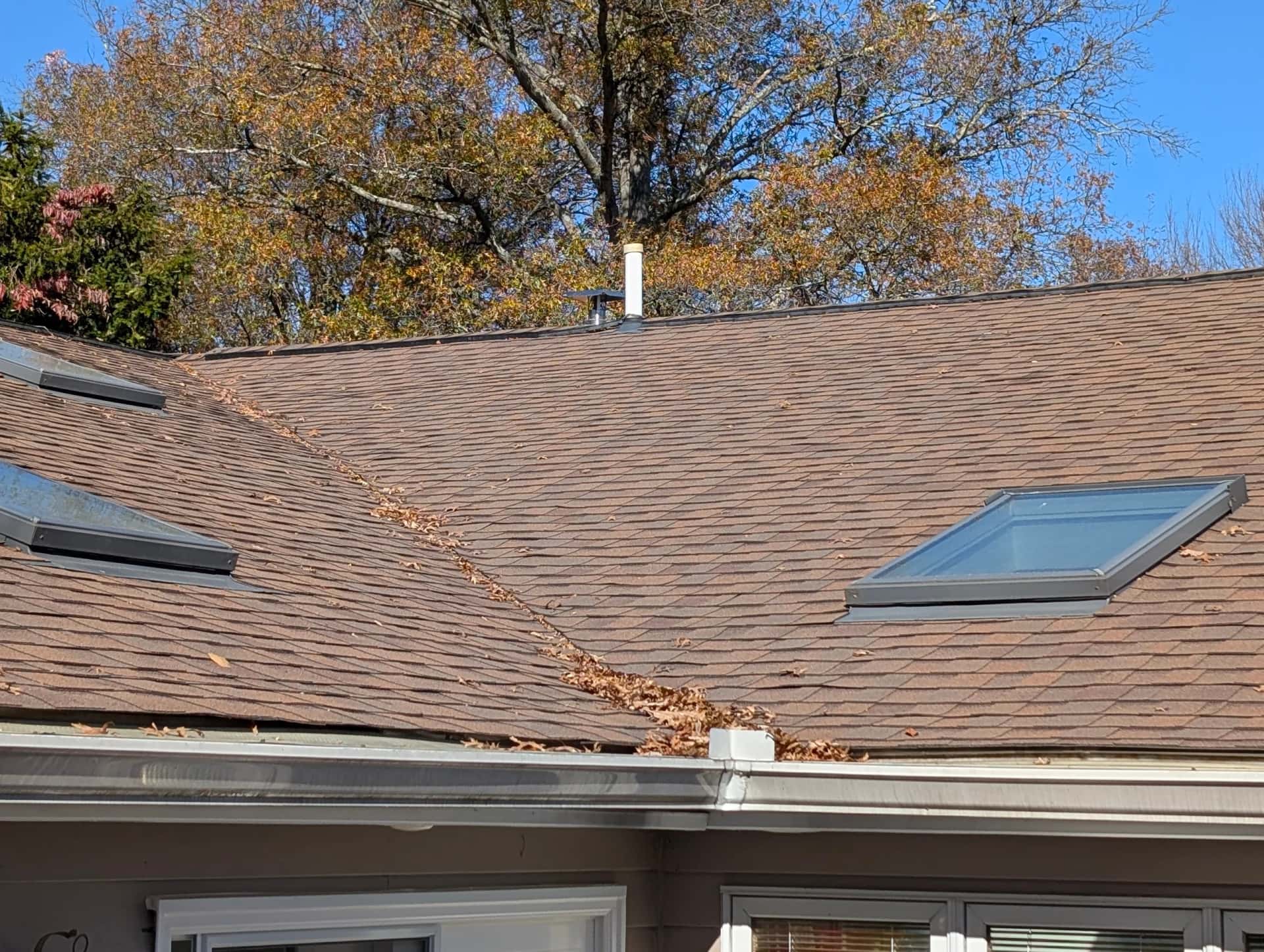
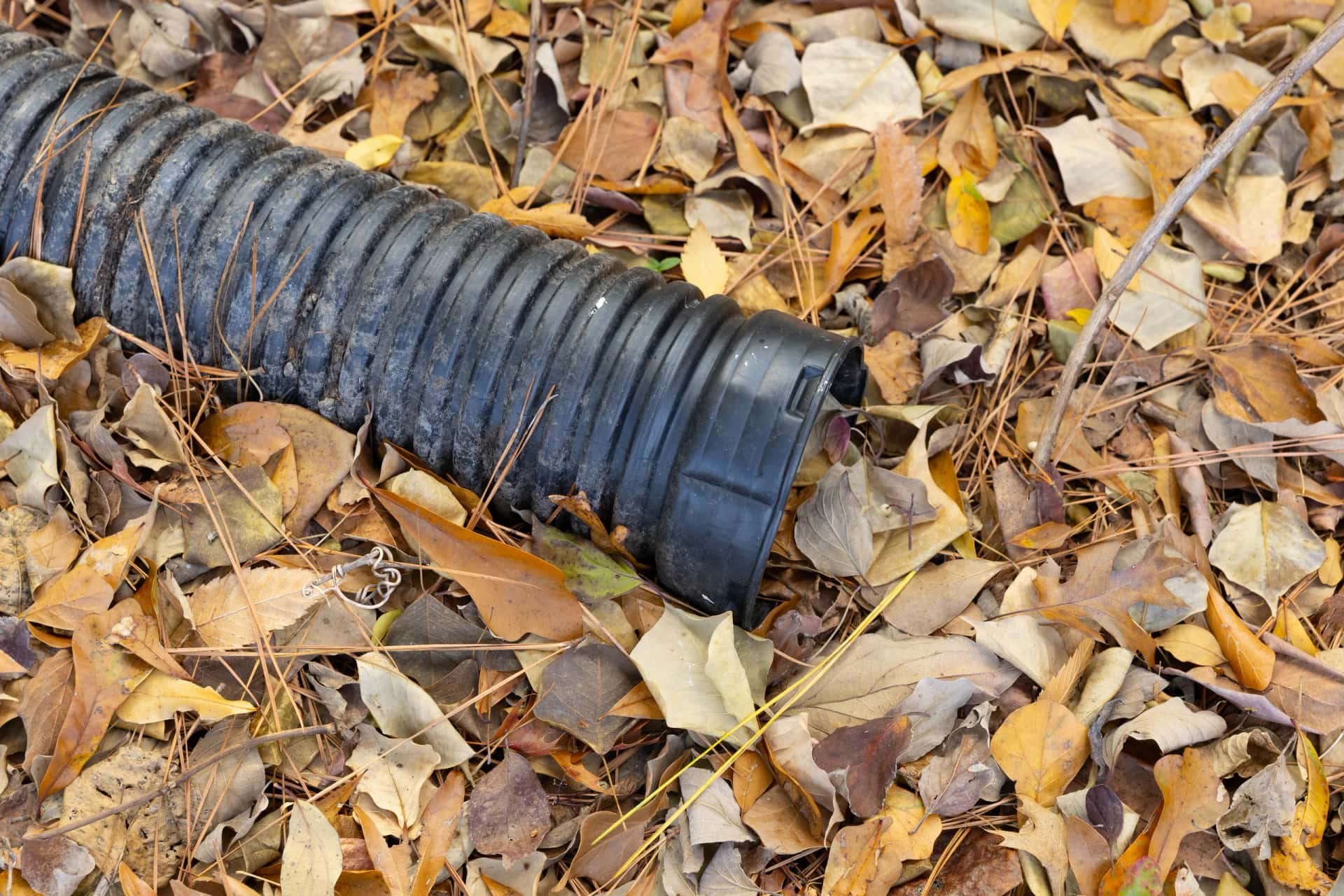
Clean your eavestroughs every spring and fall. Confirm that downspouts discharge at least two metres from the foundation — CMHC's homeowner maintenance guidance specifically ties eavestrough and downspout maintenance to foundation moisture control. Splash pads alone aren't always enough; in heavy rain, the volume of water off a roof can overwhelm a short discharge point. Extensions or underground drainage pipes are inexpensive and make a measurable difference.
If you're considering eavestrough guards to reduce maintenance, our guide to eavestrough guard types breaks down what works best for Canadian conditions.
Snow and Ice Management Near the Foundation
When you pile snow against the house during winter clearing, you're banking moisture that will saturate the soil against your foundation when it melts. Where possible, direct snow away from the foundation — especially on sides of the house that don't get direct sun and are slower to drain.
Ice buildup at the base of walls from freeze-thaw cycling can trap water against the foundation and channel it into cracks. Clearing ice dams at ground level and keeping the immediate perimeter as dry as practical reduces the hydrostatic load your foundation faces in spring.
Insulation and Frost Protection
Adequate insulation around and under foundation elements reduces the depth of frost penetration, which reduces the severity of frost heave. This is more relevant for newer construction or during renovations, but it's worth understanding why: a well-insulated, well-drained foundation experiences less seasonal movement than an unprotected one, even in the same climate and soil conditions.
For existing homes, the focus is on the controllable factors — drainage, grading, and moisture management — rather than retrofitting insulation around footings.
The Seasonal Maintenance Connection
Canadian home care and municipal guides consistently recommend that homeowners perform routine seasonal inspections of the exterior foundation, looking for new or widened cracks, changes in grading, clogged gutters, and downspouts discharging too close to the house. This is the cheapest form of foundation insurance available. Fifteen minutes with a camera and a tape measure, twice a year, gives you the information you need to stay ahead of problems before they escalate.
If you're looking for a broader winter-readiness approach, our winterizing checklist for Canadian homes covers the full exterior and interior system.