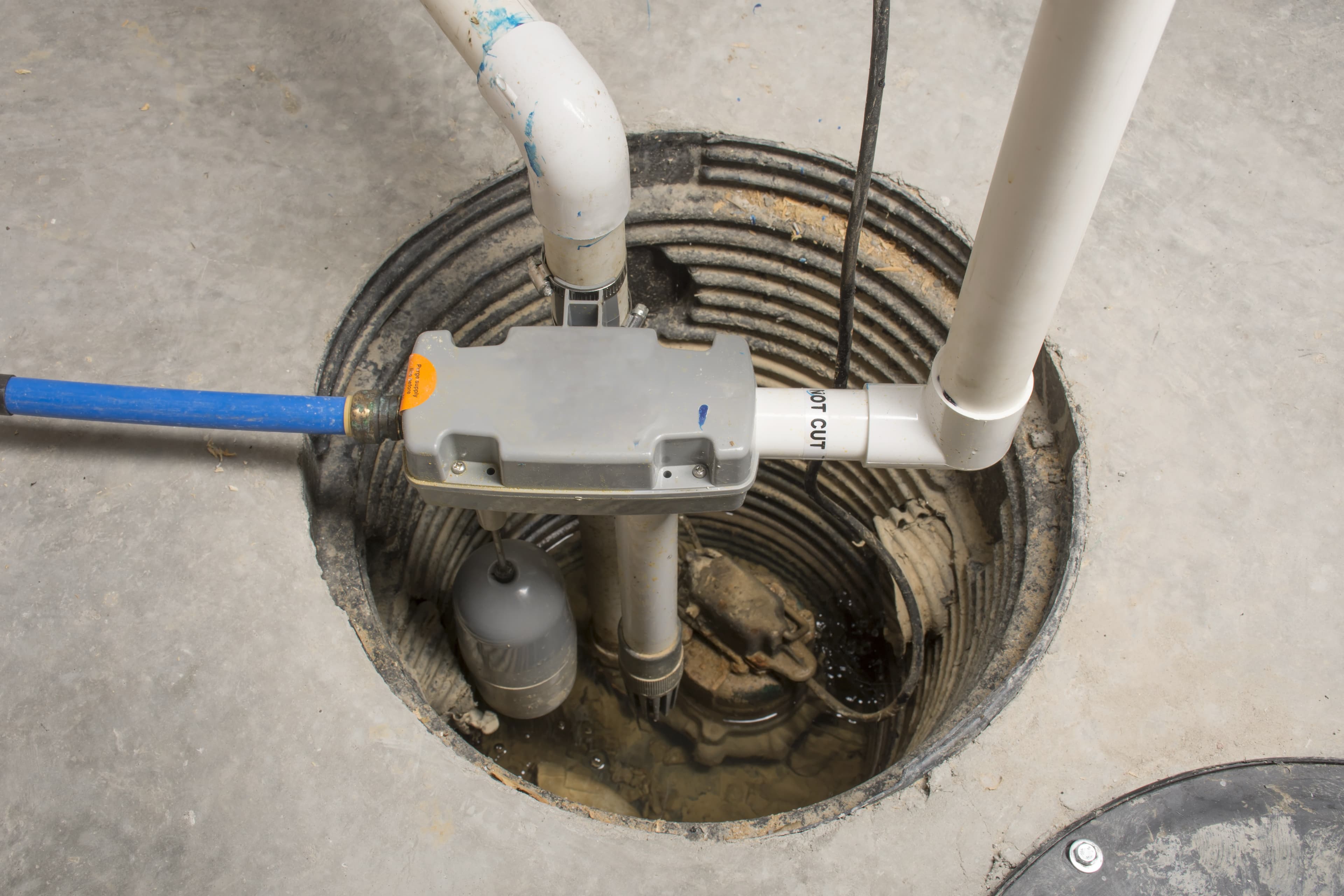
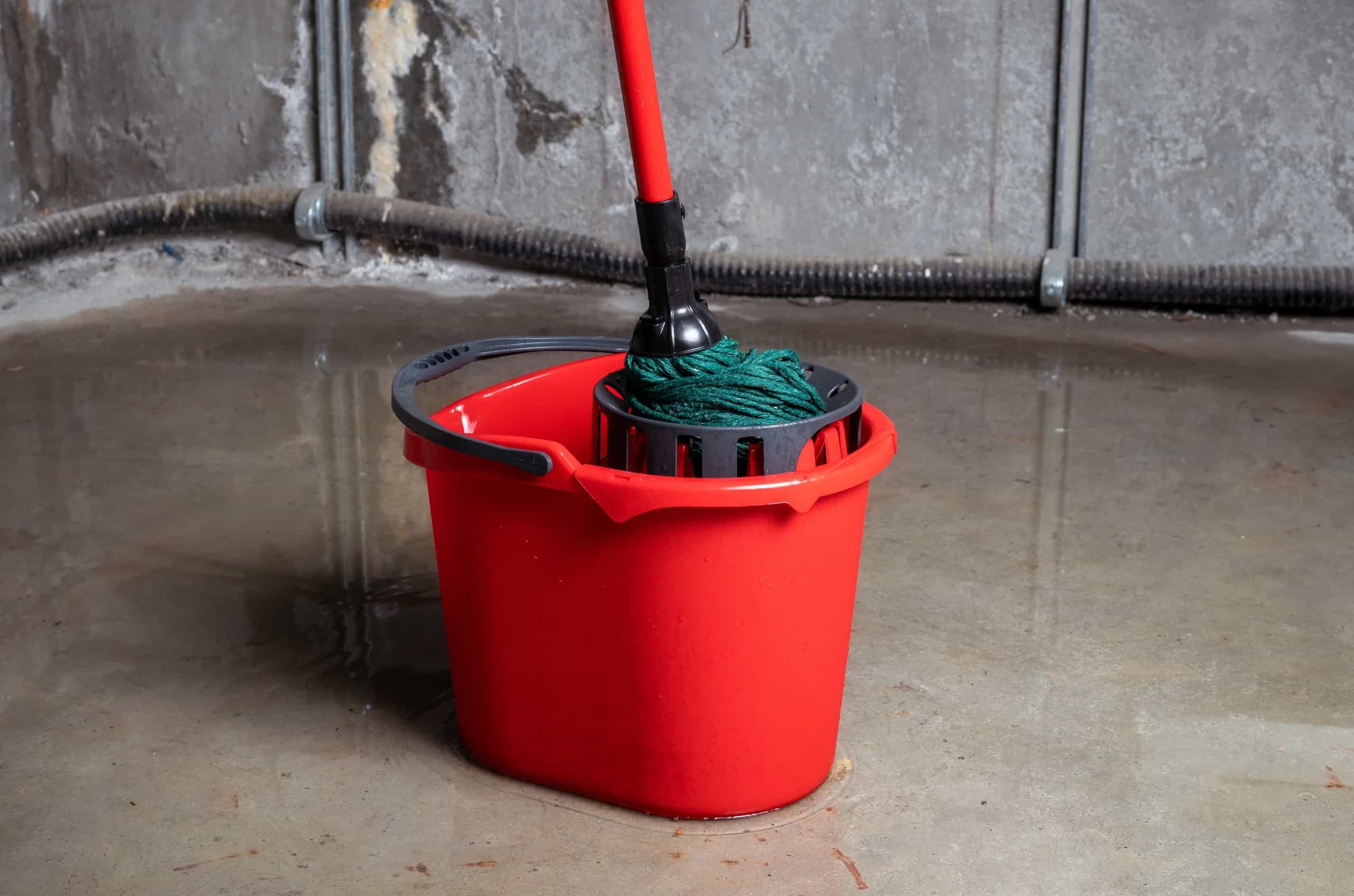
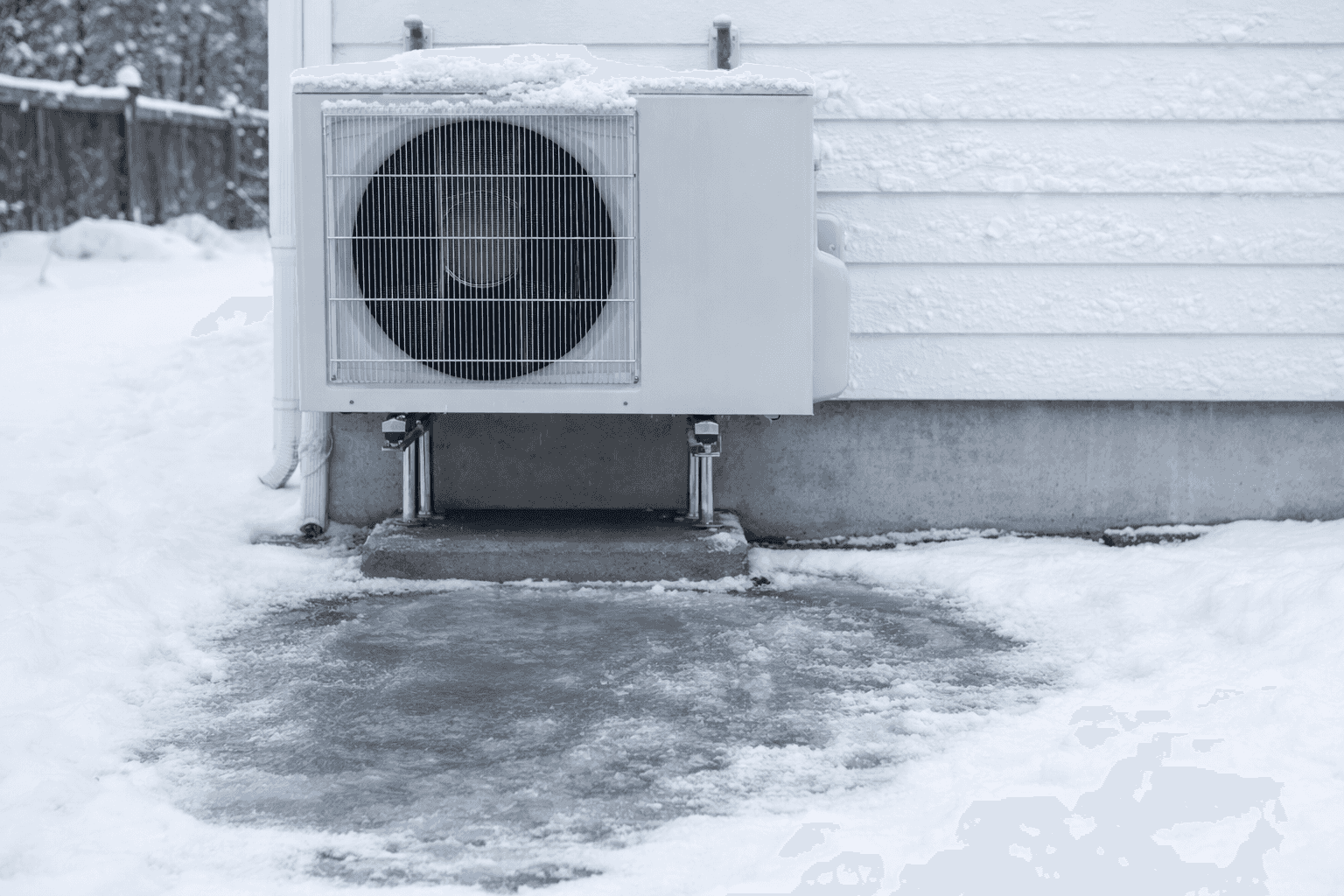
Installed sump pump and discharge line stand ready when winter thaws push groundwater toward the basement floor. (Credit: Shutterstock.com)
A mid-winter thaw can feel harmless—some sun, a little drip off the eaves, maybe rain on top of old snowbanks. But when the ground is frozen, meltwater can’t soak in the way it does in summer. Instead, it runs across the surface, collects beside foundations, and pushes hard on the lowest parts of your home.
At the same time, thaws can stress neighbourhood infrastructure. When meltwater and rainfall arrive together, storm systems and sanitary systems can be forced to handle flows they weren’t designed for at that exact moment. Even if your street looks fine, your basement can still be the low point where problems show up first.
That’s why a winter basement-flooding check shouldn’t be a single-task “test the pump” moment. It should be a short, repeatable inspection that confirms your sump pump can actually move water out of the home and that your backwater valve can do its job if the municipal sewer surcharges.
This guide is built as a practical winter playbook. You’ll learn what typically goes wrong during thaws, how to test your sump pump safely, how to spot discharge-line freeze risks, how to check your backwater valve without turning it into a renovation, and when it’s time to call a licensed professional—especially if you want clean documentation for insurance and warranty conversations later.

Advertisement — Article Continues Below
Set a Winter Maintenance Rhythm
Testing Frequency and Seasonal Tweaks Reduce Surprise Failures
A sump pump is a mechanical device living in the wettest part of your home. It performs best when it’s tested on a calendar rather than only after something feels wrong.
A maintenance cadence described in Plumbing Checkup’s guide to testing and maintaining a sump pump commonly includes testing every few months and increasing attention before high-risk seasons like spring thaw, while also noting that some exterior discharge extensions can create freeze problems in winter if they trap water.
Build your winter rhythm around three checkpoints:
- Early winter (before deep freeze)
- Confirm the pit is clean and the float moves freely
- Verify discharge routing and clear the outlet area
- Mid-winter thaw (first meaningful melt)
- Do the bucket test and confirm outside discharge
- Watch for outlet icing, buried terminations, or slow draining
- Late winter / early spring
- Repeat the discharge confirmation
- Plan any routing or upgrade work before the next freeze season
This rhythm does two things. It reduces surprise failures, and it creates a simple “maintenance record” you can point to if you ever need a plumber, contractor, insurer, or home inspector to understand what changed and when.
Put a reminder in your phone titled “Sump Discharge Check” and tie it to the first warm spell. Thaws are your real test environment, so schedule the check when conditions are most revealing.
Advertisement — Article Continues Below