You don't need to disassemble anything to gather useful information. These five checks take 10–15 minutes and give you (and any professional you call) a clear starting point.
Check the Exterior Vent Hood
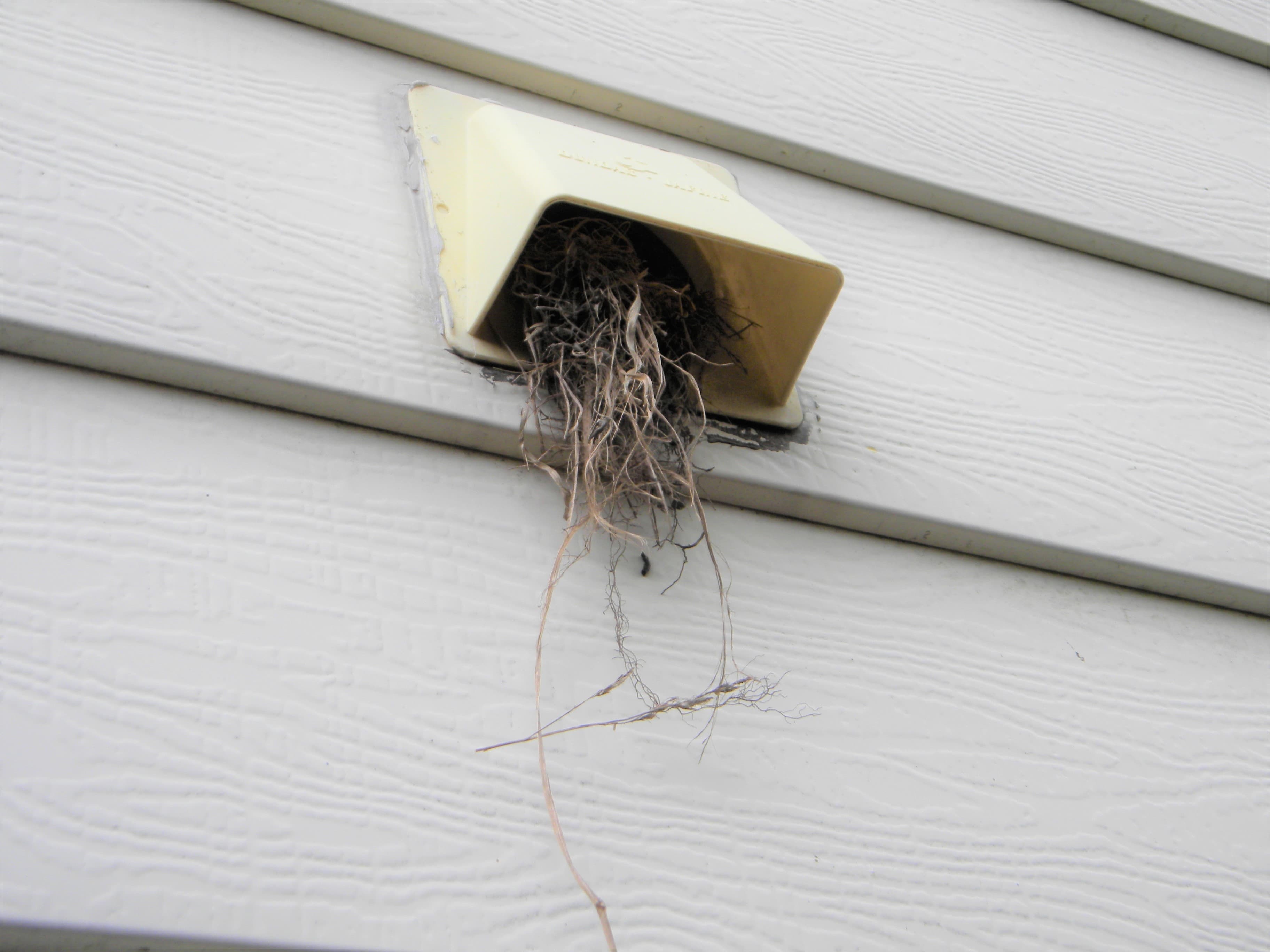
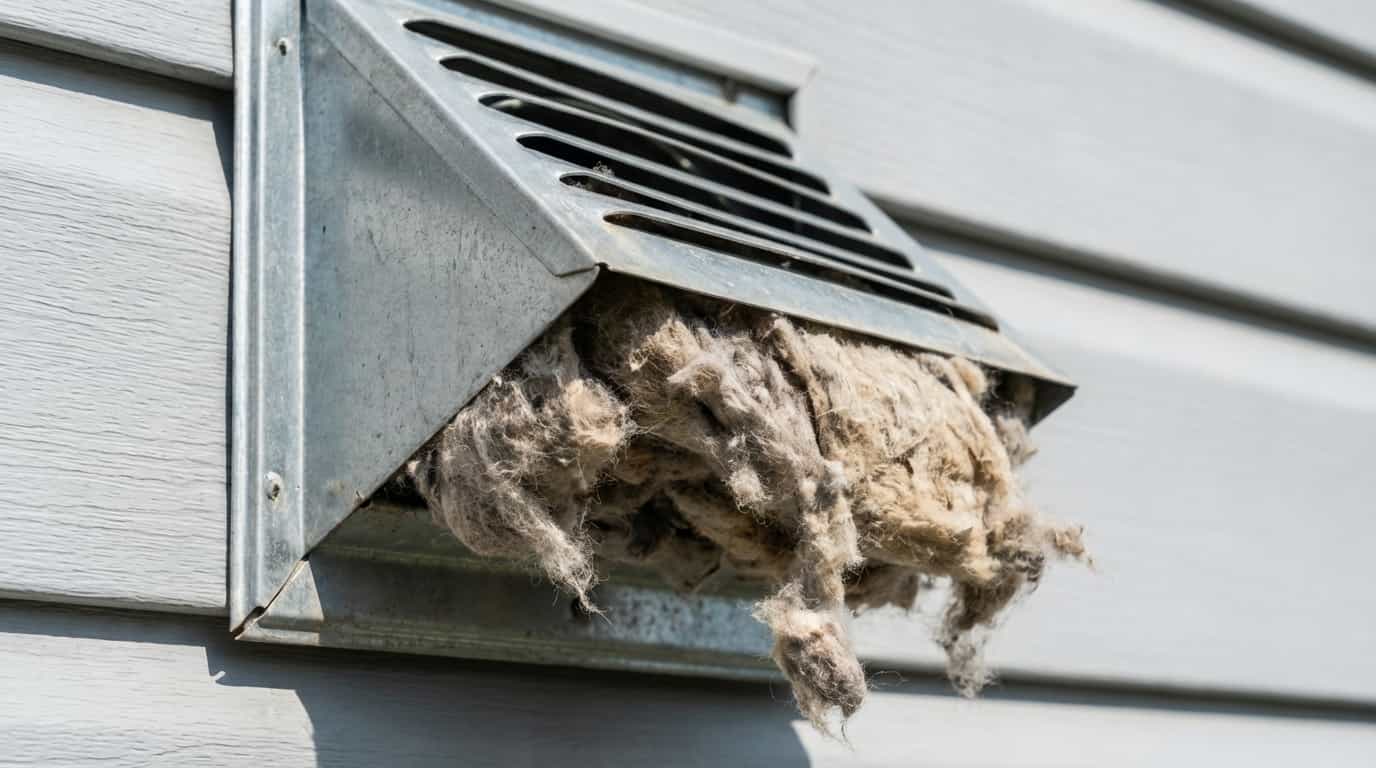
Walk to each exterior vent cap. Look for nesting debris, droppings, or damage. Check whether the flap or louvers move freely — push gently with a finger or a stick. CMHC recommends that homeowners ensure exterior flaps and louvers are clean, in good repair, and not stuck open. A flap that doesn't close on its own is an open invitation.
Test Indoor Airflow With the Tissue Test
Turn on the bathroom fan, then hold a single sheet of tissue paper against the ceiling grille. A properly functioning fan should hold the tissue firmly against the grille by suction alone. If the tissue falls or barely holds, airflow is significantly reduced. Both CMHC and the Canadian Lung Association describe this as a simple, recognized way to verify whether an exhaust fan is moving air effectively.
Feel for Air at the Exterior Outlet
While the fan is running, go outside and hold your hand near the vent hood. You should feel warm, moist air being pushed out. If you feel nothing — or very little — something is blocking the path between the fan and the exterior.
Listen at the Vent
Stand quietly near the exterior vent hood for a minute or two. Scratching, chirping, or rustling from inside the vent confirms activity. Even if you don't see nesting material, sounds from inside the duct mean something is in there.
Note What You Find
Write down which vent, what you saw, what you heard, and when. Take photos of the exterior hood from multiple angles. This information saves time and money when you contact a professional — they'll know exactly which vent to prioritize and what to expect.
Do not attempt to clear or probe inside a vent duct. You risk trapping a bird inside, pushing debris further into the system, or damaging the duct connection. Observation only.