Professional Dryer Vent Cleaning: How It Works, What It Costs, and When to Book It
A Canadian Homeowner’s Guide To Safer Drying, Better Airflow, And Fewer “Why Is This Taking Forever?” Loads
By
Published: March 19, 2026
Fact-checked · , including Natural Resources Canada, Health Canada & Idaho Department of Insurance
Credit: Shutterstock.com
Key Takeaways
•Dryer vent cleaning is about restoring airflow through the entire exhaust path, not just emptying the lint screen.
•Most homes do well with annual service, but long vent runs, pets, and heavy laundry can justify cleaning every six months.
•A reputable provider will define the scope in writing, confirm the vent terminates outdoors, and show evidence of what was cleaned.
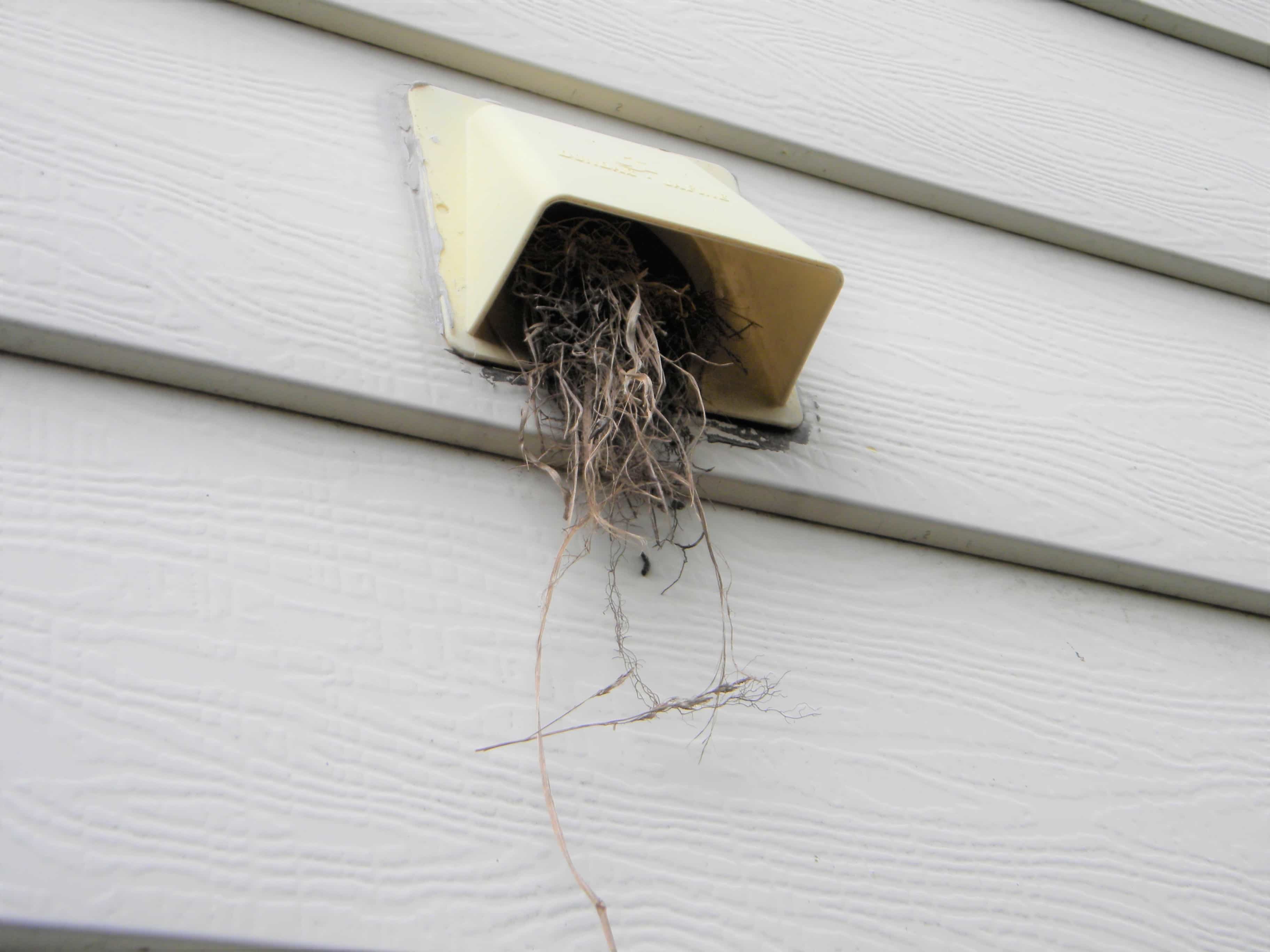
Dryers are deceptively simple machines: they heat air, push it through wet clothes, then send warm, moisture-laden air out of your home. When that exhaust path is restricted—by lint, crushed ducting, bird nests, or a stuck exterior hood—everything gets harder. Loads take longer, the laundry area can feel warmer and more humid, and the dryer works under more strain than it should.
That’s why professional dryer vent cleaning sits in a sweet spot of home maintenance. It’s not a “nice-to-have” like polishing a faucet, but it also doesn’t need dramatic language to justify it. It’s a practical airflow service that lowers avoidable risk, improves performance, and helps keep moisture where it belongs: outside.
Canadian housing layouts make this topic even more relevant. Basement laundry rooms can have long horizontal runs to an exterior wall. Two-storey homes often have vertical venting that’s harder to inspect. Condos may route vents through tight chases or shared building systems where access and responsibilities aren’t always obvious. The result is the same: if you can’t easily see the full vent run, you can’t confidently maintain it with “quick” DIY checks alone.
This guide explains what professional dryer vent cleaning actually involves, what it typically costs in Canada, and how to decide between annual and more frequent service. You’ll also get a provider checklist designed to reduce upsells and ensure you’re paying for real work—not vague promises.
Dryer Vent Cleaning, Defined
Think In Airflow, Not Lint
A dryer is basically a controlled airflow system. The lint screen is only the first filter in that system—and it’s the part you can see. Professional dryer vent cleaning focuses on what you can’t see: the duct from the back of the dryer to the outdoors, plus the exterior termination (the “hood,” flap, or louver).
Here’s a simple mental model to keep things clear:
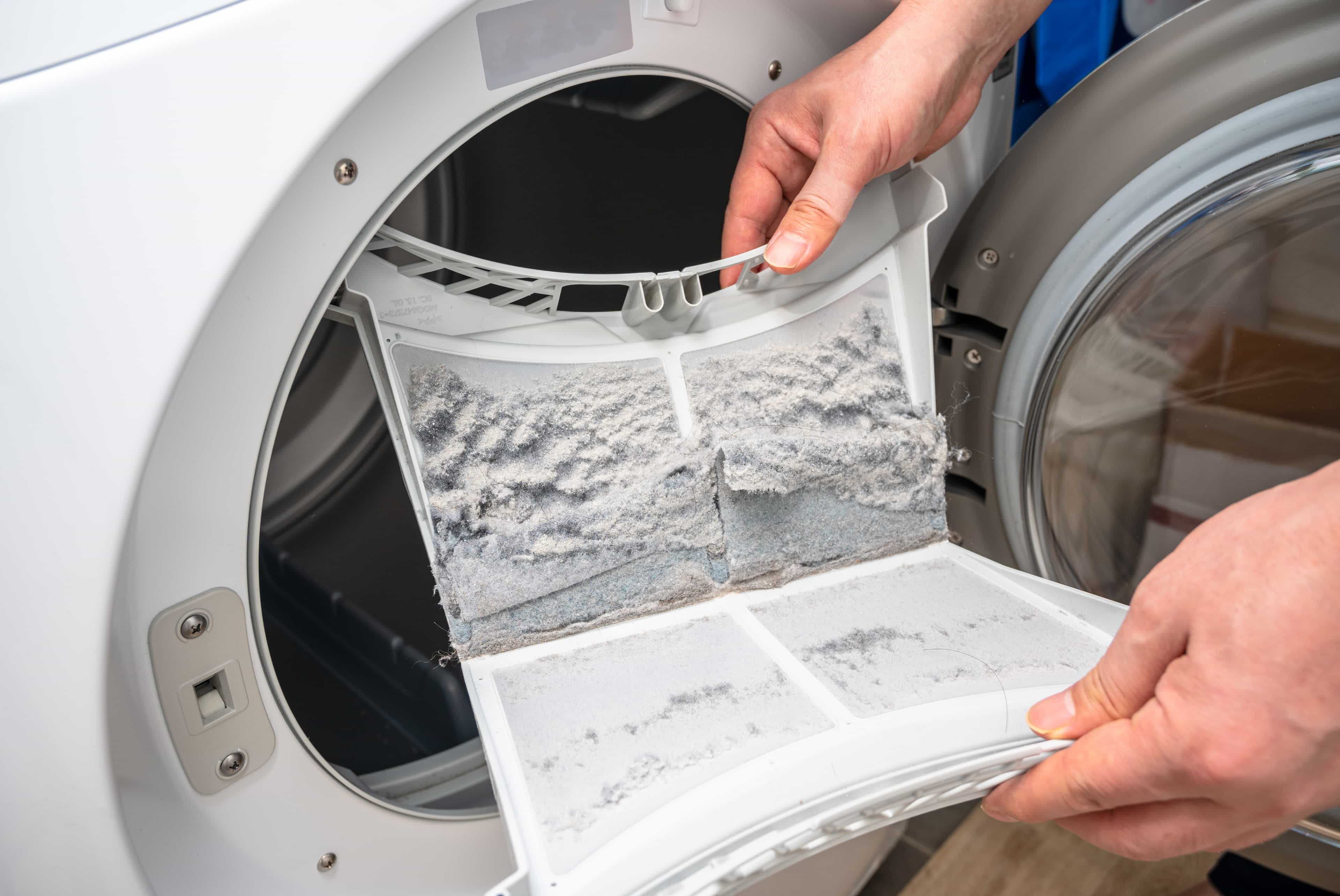
The lint screen catches a lot of lint, but never all of it.
The lint trap housing (inside the dryer body) can accumulate lint around edges and corners.
The transition and wall connection can snag lint, especially if the dryer is pushed back too tightly.
The full duct run accumulates lint at elbows, bends, low spots, and rough interior surfaces.
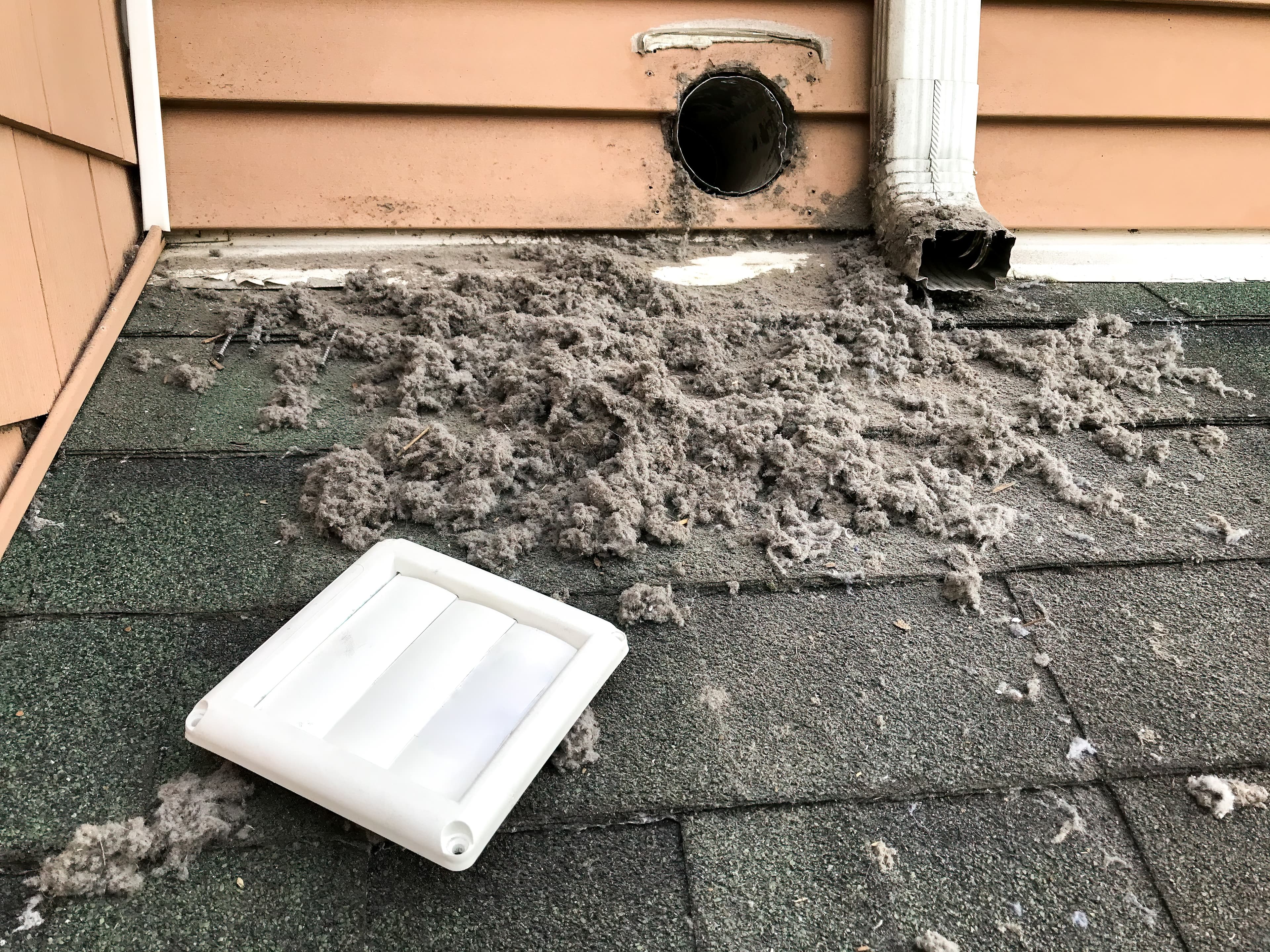
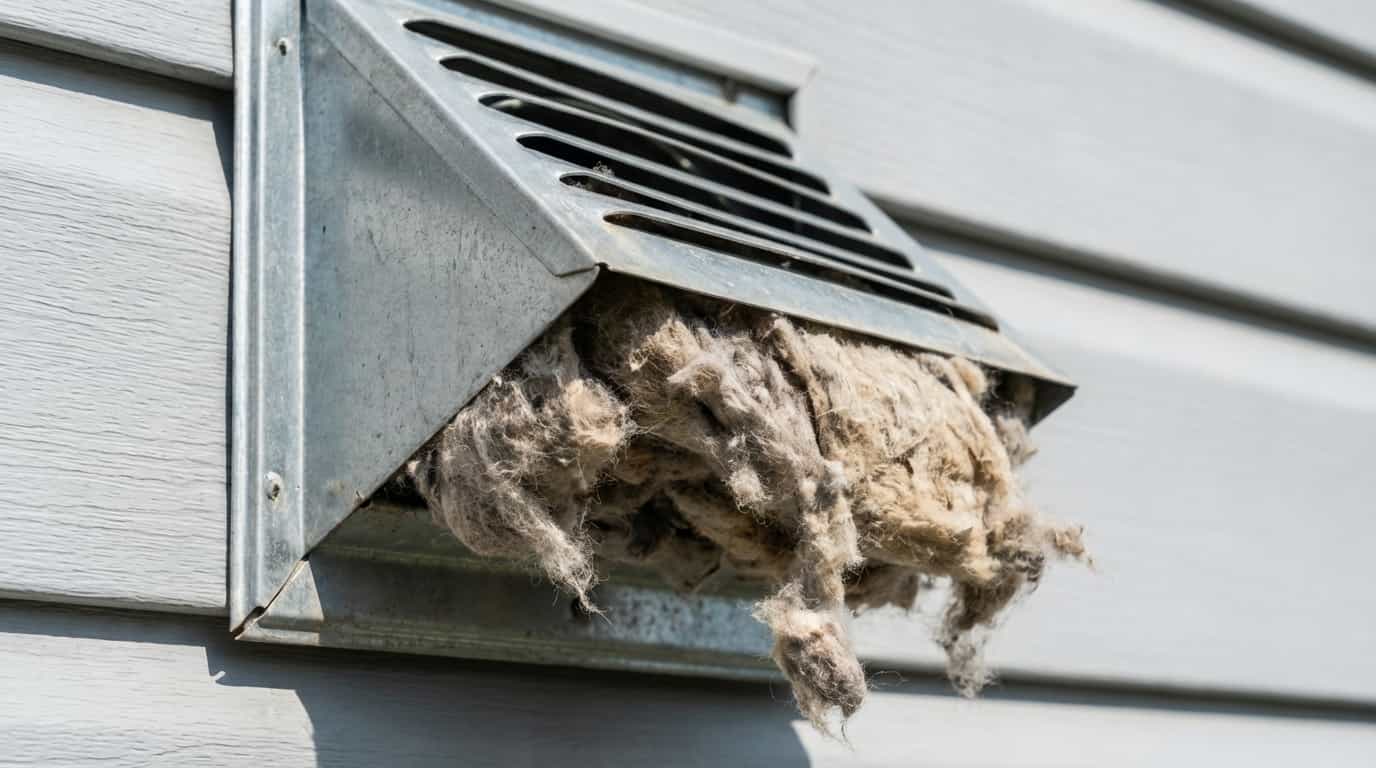
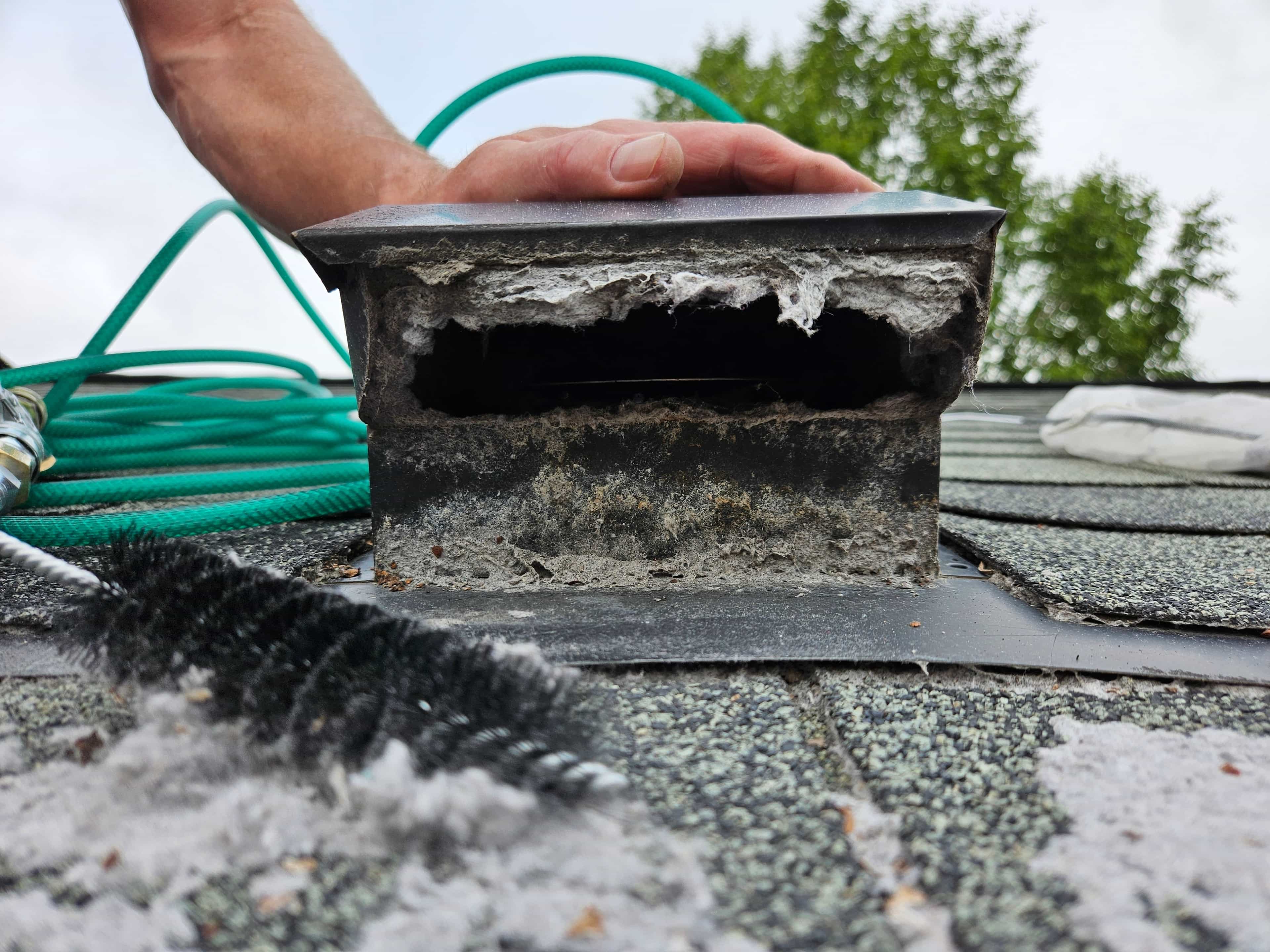
The exterior hood can clog, freeze, or jam—turning the whole run into a bottleneck.
If you only ever clean the lint screen, you’re maintaining the “front door” while ignoring the “hallway.” Dryer vent cleaning is hallway maintenance.
What A Pro Is Actually Cleaning
A complete service typically aims to restore the dryer’s ability to exhaust air freely from end to end. In plain terms, that means removing lint and debris from the ductwork and confirming the outside exit is clear and functioning.
System Component
What Can Go Wrong
What A Pro Should Check
Lint screen + trap housing
Lint bypass, residue buildup, airflow reduction
Screen condition, housing lint, basic cleanliness
Transition duct (dryer to wall)
Crushing, kinks, poor connections
Material type, length, bends, tightness
In-wall / concealed duct run
Lint accumulation, elbows packing, disconnections
Full-path cleaning and verification
Exterior hood / flap
Lint matting, stuck flap, snow/foliage blockage
Operation, blockage removal, hood condition
Vent termination location
Vents into attic/garage (incorrect), shared exhaust in some buildings
Confirms venting outdoors and appropriate termination
Note
“Dryer vent cleaning” should mean the full exhaust route. If a quote sounds like “we’ll vacuum behind the dryer,” you’re buying partial work.
Why Cleaner Vents Matter In Canadian Homes
Fire Risk Without The Fear-Mongering
The risk is real, but it’s also straightforward: lint is combustible, and dryers generate heat. When airflow is restricted, heat can build and lint can accumulate in places you don’t see.
In U.S. national fire data often referenced across North America, a U.S. Fire Administration summary published by Fire Engineering estimates roughly 2,900 residential dryer fires each year and attributes a meaningful share of incidents to preventable maintenance issues. This isn’t Canadian-specific reporting, but the mechanism—lint + heat + restricted exhaust—is the same in Canadian housing stock.
A separate NFPA-based summary from the Cannon Beach Fire District’s dryer and washer fire overview notes that failure to clean is the leading contributing factor and accounts for about one-third of dryer-related incidents in the cited analyses, which is a useful way to frame dryer vent cleaning as a primary control rather than a “bonus” service.
If you want a broader scale reference, a National Park Service bulletin on dryer fire safety cites U.S. Consumer Product Safety Commission figures in the tens of thousands annually, reinforcing the same point: neglected exhaust systems are a common thread.
Important
The goal isn’t to be alarmed—it’s to be systematic. When “failure to clean” shows up as a leading factor, cleaning becomes the simplest lever you can pull.
Moisture, Condensation, And Mould In Tight Homes
Dryers don’t just move heat—they move moisture. If that moisture isn’t exhausted outdoors (or if the vent is leaking/disconnected), it can raise indoor humidity, especially in enclosed laundry closets, basements, and utility rooms.
In its guidance on indoor air quality, Health Canada’s recommendations for improving indoor air in homes emphasizes that laundry activities add moisture and that dryers should vent outdoors, with regular checks to ensure the outside vent isn’t blocked by lint, snow, or debris. That’s a particularly Canadian reality in winter: exterior hoods can be partially buried or iced over, and a “small” restriction can become a major choke point.
Practical takeaway: dryer vent cleaning isn’t only about fire prevention. It’s also about keeping damp air out of the house envelope—especially in colder climates where condensation can show up quickly on cool surfaces.
Drying Time, Energy Use, And Wear
Restricted vents create a performance problem you can feel: longer drying times. Longer drying times usually mean more cycles, more heat exposure, and more wear.
Natural Resources Canada’s guidance on efficient laundry habits in its laundry energy efficiency spotlight links routine lint trap cleaning and vent maintenance directly to airflow, drying time, and reduced strain on the motor, which is a clean way to explain why vent cleaning can pay back in convenience even when nothing is “wrong.”
If you want to zoom out, Natural Resources Canada also notes that household appliances (including dryers) account for up to 14.1% of energy use in the average Canadian home in its ENERGY STAR appliance overview—so airflow problems that quietly extend cycle times can add up across a year of laundry.
Tip
A useful diagnostic question is “Has our ‘normal load’ time crept up?” If yes, airflow is one of the first things to rule out before blaming the dryer itself.
What A Professional Dryer Vent Cleaning Appointment Looks Like
The Typical Service Scope, Step By Step
Most reputable cleanings follow a predictable flow: assess, access, clean end-to-end, verify, and document.
A plain-language template for what’s usually included is well captured in an industry FAQ describing dryer vent service steps—not as a universal standard, but as a good checklist for homeowners to compare against. Expect a professional to:
Confirm the vent route and termination (where it exits outdoors and how it’s routed).
Access the dryer connection (often by pulling the dryer forward to reach the wall connection).
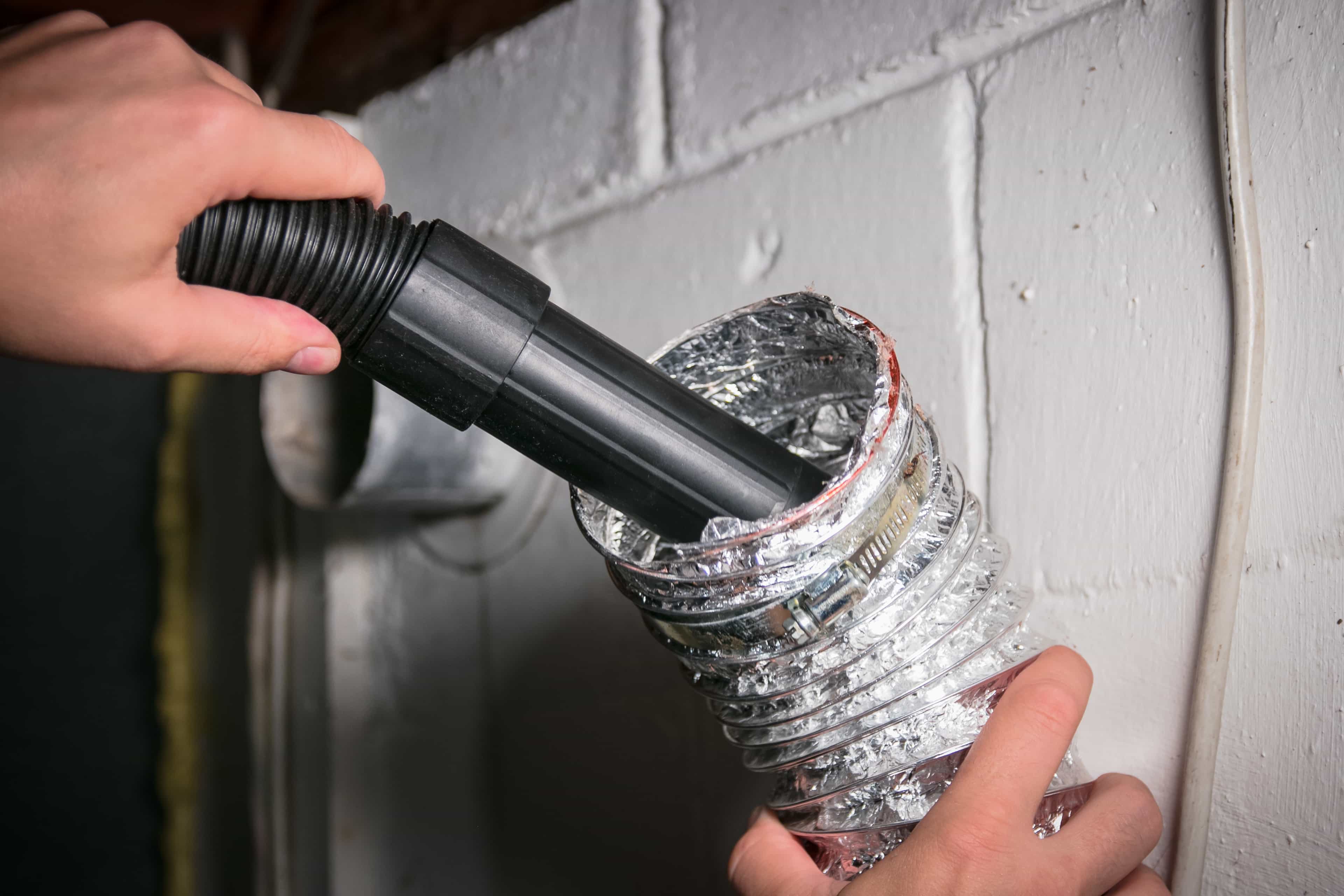
Remove lint and debris through the duct run using appropriate tools (brushes and/or vacuum systems).
Check and clear the exterior hood so the flap/louvers open and close properly.
Re-secure connections so the system is tight and aligned.
Verify airflow (at minimum, a functional check; ideally, a measured test).
Communicate what was found (lint volume, blockages, damaged ducting, or disconnections).
Warning
If a tech suggests running the dryer while the vent is disconnected “to test it,” treat that as a red flag. You don’t want hot, moist air dumping into the home or wall cavity.
Performance Testing And What “Good” Looks Like
“Clean” is useful, but “clean and verified” is better—especially for long, vertical, or complex runs where you can’t visually inspect the full path.
The National Air Duct Cleaners Association describes its Dryer Exhaust Duct Performance standard in a press release on testing residential single-dryer exhaust systems and frames verification as performance measurement, not just debris removal. For homeowners, the practical translation is simple: you can ask whether the provider measures performance (airflow/static pressure) before and after cleaning, and whether they can explain what the results mean.
You don’t need a lab report. You want evidence that the system moves air the way it should when they’re done.
Canadian Setups That Change The Work
Not all vents are created equal. Layout drives both effort and cost.
Common Canadian Setup
Why It’s Tricky
What To Watch For
Basement laundry with long horizontal run
Lint settles at bends/low points
Longer cleaning time, more elbows to clear
Second-floor laundry with vertical route
Access can be harder; blockages can be higher up
Exterior termination may be roof/upper wall
Condo laundry closet
Tight access; vent may run through chases
Confirm building rules and vent ownership
Older flexible ducting
Ridges trap lint; material can sag or crush
Potential recommendation to upgrade ducting
Exterior vent near grade
Snow, leaves, and lint matting are common
Seasonal checks are as important as cleaning
Note
In condos and apartments, clarify whether your unit’s dryer exhaust is a “unit responsibility” or part of a building-maintained system before you book. It affects both access and who is allowed to service it.
What It Usually Costs In Canada
Typical Price Ranges And The Biggest Cost Drivers
Canadian pricing varies by city, access, vent length, and buildup severity—but there are consistent ranges you can use to sanity-check quotes.
A Canada-wide guide on dryer vent cleaning costs reports typical residential pricing of roughly CAD $100–$250 for many single-family homes, with condos and apartments often around CAD $80–$200 per unit, depending on accessibility and vent complexity. Those aren’t fixed prices, but they’re a helpful baseline for planning.
Regional examples reinforce the same pattern. For instance, a Montreal-focused breakdown in Vortex Air’s cost guide shows that “simple and accessible” configurations tend to land lower than vents that exit higher floors or require more time to reach and verify.
In the Greater Toronto Area, pricing pages like City Duct Cleaning’s dryer duct service overview commonly show higher-end ranges for difficult access points (attics, rooftops, long vertical runs), which lines up with the reality of multi-storey housing and condo layouts.
Scenario
What You’re Paying For
Why The Price Moves
Short run to exterior wall
Quick access and straightforward cleaning
Less time, fewer bends
Long run with multiple elbows
More brushing and verification time
Lint traps at elbows
Upper-wall or roof termination
Safe access and time
Ladder/roof work costs more
Condo chase routing
Precision + documentation
Tight access, building rules
Heavy buildup / blockage
More labour and debris removal
Time, tool changes, cleanup
Add-Ons That Commonly Increase The Invoice
A basic cleaning is one thing. Repairs and special removals are another—and they can legitimately change your total.
North American cost guides such as HomeGuide’s dryer vent cleaning cost breakdown consistently separate “base cleaning” from extras like bird-nest removal, vent rerouting, new vent installation, roof vent servicing, and bundled duct-cleaning packages. You don’t need to memorize line items, but you do want to know whether your quote includes only cleaning or also includes materials, repairs, and access work.
Typical Price Ranges And The Biggest Cost Drivers
Canadian pricing varies by city, access, vent length, and buildup severity—but there are consistent ranges you can use to sanity-check quotes.
A Canada-wide guide on dryer vent cleaning costs reports typical residential pricing of roughly CAD $100–$250 for many single-family homes, with condos and apartments often around CAD $80–$200 per unit, depending on accessibility and vent complexity. Those aren’t fixed prices, but they’re a helpful baseline for planning.
Regional examples reinforce the same pattern. For instance, a Montreal-focused breakdown in Vortex Air’s cost guide shows that “simple and accessible” configurations tend to land lower than vents that exit higher floors or require more time to reach and verify.
In the Greater Toronto Area, pricing pages like City Duct Cleaning’s dryer duct service overview commonly show higher-end ranges for difficult access points (attics, rooftops, long vertical runs), which lines up with the reality of multi-storey housing and condo layouts.
Scenario
What You’re Paying For
Why The Price Moves
Short run to exterior wall
Quick access and straightforward cleaning
Less time, fewer bends
Long run with multiple elbows
More brushing and verification time
Lint traps at elbows
Upper-wall or roof termination
Safe access and time
Ladder/roof work costs more
Condo chase routing
Precision + documentation
Tight access, building rules
Heavy buildup / blockage
More labour and debris removal
Time, tool changes, cleanup
Add-Ons That Commonly Increase The Invoice
A basic cleaning is one thing. Repairs and special removals are another—and they can legitimately change your total.
North American cost guides such as HomeGuide’s dryer vent cleaning cost breakdown consistently separate “base cleaning” from extras like bird-nest removal, vent rerouting, new vent installation, roof vent servicing, and bundled duct-cleaning packages. You don’t need to memorize line items, but you do want to know whether your quote includes only cleaning or also includes materials, repairs, and access work.
Important
A good quote explains what’s included and what would trigger extra charges. A vague low price with fuzzy scope is where surprise add-ons are born.
A Simple Quote Comparison Template
When you’re comparing providers, aim for clarity over cleverness. Ask every company to quote the same scope:
Clean dryer exhaust duct from dryer connection to exterior termination
Clear and test exterior hood operation
Reconnect and seal connections as needed (within the basic scope)
Provide before/after evidence (photos/video) when feasible
State add-on pricing triggers (bird nests, rerouting, replacements)
You’re not shopping for the cheapest number—you’re shopping for the cleanest definition of work.
When To Book: Annual Vs. Biannual In Plain Language
Start With Annual As A Baseline
If you want a default schedule that fits most households, annual cleaning is a reasonable starting point.
Fire safety guidance like the Idaho Department of Insurance’s consumer bulletin on clothes dryer safety recommends cleaning lint from the vent pipe at least once a year and booking sooner when drying times increase, which neatly combines a time-based baseline with a performance-based trigger.
That logic works well in Canada because housing layouts and winter conditions often create the same “hidden restriction” problem.
The Factors That Push You Toward Every Six Months
Some homes load the vent faster than others. A consumer checklist from American Home Shield’s guidance on how often to clean dryer vents highlights practical accelerators like larger households, shedding pets, lint-heavy fabrics, and long vents with multiple bends.
Canadian contractors often echo the same idea in local language. For example, an Alberta service provider’s rule-of-thumb in a Sherwood Park dryer vent frequency guide suggests annual cleaning for many smaller households and every six months for heavy use, pets, and longer/more complex vent runs.
If you want a usage-based schedule, a Toronto-area guide in NIKA Appliance Repair’s dryer vent maintenance overview describes 12-month intervals for moderate use, six months for heavy use (often framed around several loads per week), and more frequent service for very heavy usage—again, not as law, but as a practical calendar homeowners can actually follow.
Household Pattern
Suggested Booking Rhythm
Why
1–2 people, moderate laundry
About once per year
Lower lint volume
Family household, frequent laundry
About every 6 months
Higher lint throughput
Pets that shed + frequent laundry
About every 6 months
Hair + lint mats form faster
Long vent with multiple elbows
About every 6 months
Elbows are lint collection points
Very heavy use (constant loads)
Every 3–4 months (case-by-case)
Fast accumulation and higher heat exposure
Start With Annual As A Baseline
If you want a default schedule that fits most households, annual cleaning is a reasonable starting point.
Fire safety guidance like the Idaho Department of Insurance’s consumer bulletin on clothes dryer safety recommends cleaning lint from the vent pipe at least once a year and booking sooner when drying times increase, which neatly combines a time-based baseline with a performance-based trigger.
That logic works well in Canada because housing layouts and winter conditions often create the same “hidden restriction” problem.
The Factors That Push You Toward Every Six Months
Some homes load the vent faster than others. A consumer checklist from American Home Shield’s guidance on how often to clean dryer vents highlights practical accelerators like larger households, shedding pets, lint-heavy fabrics, and long vents with multiple bends.
Canadian contractors often echo the same idea in local language. For example, an Alberta service provider’s rule-of-thumb in a Sherwood Park dryer vent frequency guide suggests annual cleaning for many smaller households and every six months for heavy use, pets, and longer/more complex vent runs.
If you want a usage-based schedule, a Toronto-area guide in NIKA Appliance Repair’s dryer vent maintenance overview describes 12-month intervals for moderate use, six months for heavy use (often framed around several loads per week), and more frequent service for very heavy usage—again, not as law, but as a practical calendar homeowners can actually follow.
Household Pattern
Suggested Booking Rhythm
Why
1–2 people, moderate laundry
About once per year
Lower lint volume
Family household, frequent laundry
About every 6 months
Higher lint throughput
Pets that shed + frequent laundry
About every 6 months
Hair + lint mats form faster
Long vent with multiple elbows
About every 6 months
Elbows are lint collection points
Very heavy use (constant loads)
Every 3–4 months (case-by-case)
Fast accumulation and higher heat exposure
Tip
If you’re unsure whether you’re “moderate” or “heavy,” estimate loads per week for a month. It’s a simple input that makes scheduling far less guessy.
Performance Clues That You’re Due Earlier
Time-based schedules are helpful, but your dryer also gives you signals. Book sooner if you notice:
Loads taking longer than your “normal”
Clothes feeling hotter than usual at the end of a cycle
The laundry area becoming noticeably warmer or more humid
The exterior vent flap barely opens during operation
Lint collecting outside near the vent termination
A new musty/damp smell around the laundry area (especially in basements)
These aren’t guaranteed “vent clog” symptoms—but they’re strong enough to justify checking airflow before you assume the appliance is failing.
Choosing A Provider Without Getting Upsold
Credentials, Standards, And Business Basics
Dryer vent cleaning sits in a market where excellent companies and sloppy operators can look similar in a quick search result. Your job is to filter for professionalism.
A good starting signal is whether a provider aligns with recognized standards. The National Air Duct Cleaners Association maintains information on standards and publications used by industry professionals which can help you ask better questions about scope and cleaning expectations, especially if the same company also offers air duct cleaning.
If you want to understand the broader ecosystem of manufacturers and organizations tied to this space, NADCA also lists allied industry partners which can be a useful reference point when you’re evaluating whether a company works with established tools, systems, and professional networks.
Finally, industry associations often publish membership updates and announcements like NADCA’s new member press release, and while a press release isn’t a guarantee of quality, it’s a reminder that legitimate businesses tend to leave a trail of verifiable participation rather than operating anonymously.
Important
Credentials aren’t a substitute for a clear scope. The best providers combine both: a defined standard of work and a written description of what they’ll do in your home.
Scam-Resistant Questions To Ask Before You Book
Canadian consumer warnings about duct-cleaning scams translate well to dryer vent services because many companies offer both. For example, a Canadian overview of common red flags in Cando Duct Cleaning’s scam guide emphasizes basics like proof of liability insurance and clear written estimates rather than vague verbal pricing.
A second Canada-focused checklist in Hy-Mark’s duct cleaning scam guidance recommends asking for photo or video evidence before paying for extra services beyond the agreed scope, which is especially relevant if a tech tries to upsell “urgent” add-ons mid-appointment.
Use those ideas to structure your questions:
Can you provide proof of liability insurance?
Will you clean from the dryer connection all the way to the exterior termination?
Will you check the exterior hood operation and confirm it vents outdoors?
Will you provide a written scope and price before starting?
If you recommend extras, will you show evidence (photo/video) first?
What “Proof Of Work” Should Look Like
For dryer vent cleaning, proof doesn’t need to be theatrical. It should be practical:
A before/after photo from the vent interior (when feasible)
A photo of the exterior termination after clearing lint or debris
A short note of what was found (blockage, crushed duct, disconnection)
A simple airflow/performance statement (especially for long runs)
If none of that is offered—and the service ends with “all good” and a bill—you’re not wrong to feel uncertain.
Between Cleanings: The Routine That Keeps The System Healthy
Every-Load, Monthly, And Seasonal Tasks
Professional cleaning is periodic. Your day-to-day routine is what prevents the system from getting out of control between visits.
Health Canada’s moisture and mould checklist in its guidance for addressing moisture and mould recommends practical measures like venting dryers outdoors, sealing duct joints with foil tape, cleaning the lint tray every use, and routinely inspecting the exterior vent for lint, snow, and foliage. Turn that into a simple cadence:
Frequency
What To Do
Why It Helps
Every load
Clean the lint screen; check it seats properly
Maintains airflow and reduces lint carryover
Monthly
Look behind the dryer for crushed/kinked ducting
Prevents self-inflicted restrictions
Seasonally
Inspect the exterior hood; clear lint/snow/leaves
Keeps the termination functional year-round
After moving/reno
Confirm the vent is connected and vents outdoors
Prevents hidden disconnections and indoor moisture
For a quick, safety-oriented reinforcement, Canada Safety Council’s fire safety tips recommends cleaning the dryer lint filter before and after each use as a simple habit that reduces risk.
If you’re shopping for a new dryer and want efficiency benchmarks, Natural Resources Canada maintains an up-to-date list of ENERGY STAR certified clothes dryers which helps you compare models—but even the best dryer can’t perform well if the vent path is restricted.
Tip
If you like data-driven comparisons, Natural Resources Canada’s Office of Energy Efficiency publishes a clothes dryer profile in its AHAM statistics page for dryers, and it can be a helpful companion when you’re weighing replacement versus maintenance.
The “Two-Minute Winter Check” For Canadian Weather
In many regions, winter is where vents quietly fail. Add this to your cold-weather routine:
Make sure snow hasn’t drifted over the exterior termination
Confirm the flap opens during a cycle
Clear lint mats that stick to louvers and screens
It’s small effort with high leverage—especially for vents that terminate near grade.
Ryan is the founder of Homeowner.ca and a proud Canadian homeowner based in Guelph, Ontario. Over his 25-year career in digital publishing, he has focused on transforming complex information into clear, practical guidance that helps people make confident, well-informed decisions.
No—lint screen cleaning is necessary, but it only addresses what the dryer catches at the front end; vent cleaning targets the concealed duct run and exterior termination where lint still accumulates over time.
A practical baseline is annual service, and guidance like the Idaho Department of Insurance’s bulletin on cleaning dryer vent pipes at least once a year ties that schedule to earlier booking when drying times increase.
The clearest real-world signal is longer drying time for the same type of load, because restricted exhaust is one of the first causes of “cycle creep.”
Yes, and the non-dramatic way to say it is that maintenance is a leading controllable factor; NFPA-based summaries like Cannon Beach Fire District’s overview describe failure to clean as a leading contributor in a significant share of incidents.
A complete service should clean the full exhaust path, clear the exterior hood, reconnect the system properly, and verify airflow, and a practical checklist for homeowners is outlined in an industry FAQ describing end-to-end service steps as a reference point for what to expect.
For long or complex runs, performance verification is a strong quality marker, and the National Air Duct Cleaners Association’s description of dryer exhaust performance testing standards is a useful way to frame what “verified” can mean.
Many Canadian households will see typical ranges in the low hundreds depending on access and vent length, and a Canada-wide baseline is summarized in a dryer vent cleaning cost guide as a planning reference rather than a guaranteed price.
Access constraints, longer hidden routing, and building rules can add time and documentation requirements, and city-specific pricing discussions like a Montreal cost guide often reflect that “access” can matter as much as “lint.”
They can be legitimate add-ons because they’re not “basic cleaning,” and pricing breakdowns such as HomeGuide’s overview of common extras show why some invoices jump when repairs or special access are involved.
Yes—if moist exhaust air doesn’t reliably leave the home, humidity can rise in the laundry area, and Health Canada’s indoor air quality guidance connects laundry moisture to the importance of venting dryers outdoors and keeping the outside vent clear.
In most standard residential setups, venting outdoors is the expected approach because it removes moisture from the home, and Health Canada’s moisture and mould guidance frames outdoor venting and exterior vent inspection as part of keeping laundry moisture under control.
A classic pattern is “unexpected contamination” that requires immediate paid add-ons without evidence, and Canadian scam checklists like Hy-Mark’s guidance on avoiding duct cleaning scams recommend asking for photo/video proof before approving any extra work.
Ask for proof of liability insurance, a written scope, whether they clean from dryer to exterior termination, and whether they will provide evidence of what was cleaned.
Yes—efficiency certifications help, but airflow restriction can still negate performance, and Natural Resources Canada’s list of ENERGY STAR certified clothes dryers is best treated as a “good appliance” starting point rather than a replacement for vent maintenance.
Clean the lint filter every time, and the Canada Safety Council’s seasonal reminders in its fire safety tips reinforce lint removal as a basic, repeatable step.