A natural-draft appliance in the house
Vent type, not house age, decides how much tightening is safe. An appliance relying on natural draft depends on a modest pressure difference to push exhaust up the flue. Lower the pressure in the house and that push weakens.
Technical Safety BC states the mechanism directly in its bulletin on appliance and fan effects: excessive depressurization reduces the pressure differential that moves exhaust gases in a vent and will cause a natural-draft appliance to vent back into the building, potentially spilling carbon monoxide into the home. The provincial authority tells occupants to verify that an adequate, functioning fresh air supply is in place for all fuel-burning equipment — and is explicit that carbon monoxide alarms are a backup, not a substitute for maintenance and for validating correct operating conditions.
How much depressurization is too much depends on the appliance. The Canadian spillage test standard, CAN/CGSB-51.71-2005, exists to determine whether depressurization of a dwelling by air-moving devices is enough to stop vented fuel-burning appliances exhausting properly outdoors. Its allowable limits differ sharply by vent type — roughly five pascals for natural-draft appliances against roughly twenty for sealed combustion and power-vented equipment. A natural-draft appliance tolerates something like a quarter of the depressurization a sealed-combustion one does. Running that test is qualified work, not a DIY job. But knowing which category your equipment falls into costs nothing and changes how far this weekend should go.
If you are unsure, look at the venting. A single pipe rising into a masonry chimney with an open draft hood is natural draft. Two plastic pipes through a side wall is sealed combustion. When in doubt, ask a licensed gas contractor before tightening further — and keep your alarms current in the meantime, which our coverage of Ontario's carbon monoxide alarm requirements sets out.
Condensation that arrives after the work
Water on the inside of your windows in January, where there was none last winter, is your house reporting a change. Moisture that used to leave through the leaks you closed is staying indoors and finding the coldest surface available. Federal guidance flags an ironic version of this: homeowners replace old windows expecting less condensation and find it worse, because the old leaky windows were helping reduce humidity.
The answer is not to reopen the leaks. Run bathroom and kitchen exhaust fans deliberately and for longer, cover pots while cooking, confirm the dryer vents outdoors, and watch whether things settle. If condensation persists through a cold snap, or turns up in closets and corners rather than only on glass, book an EnerGuide evaluation or start a heat recovery ventilator conversation with a qualified contractor.
Radon that has never been measured
This is the condition with no sensory warning at all. You can feel a draft and see condensation. Radon gives you nothing.
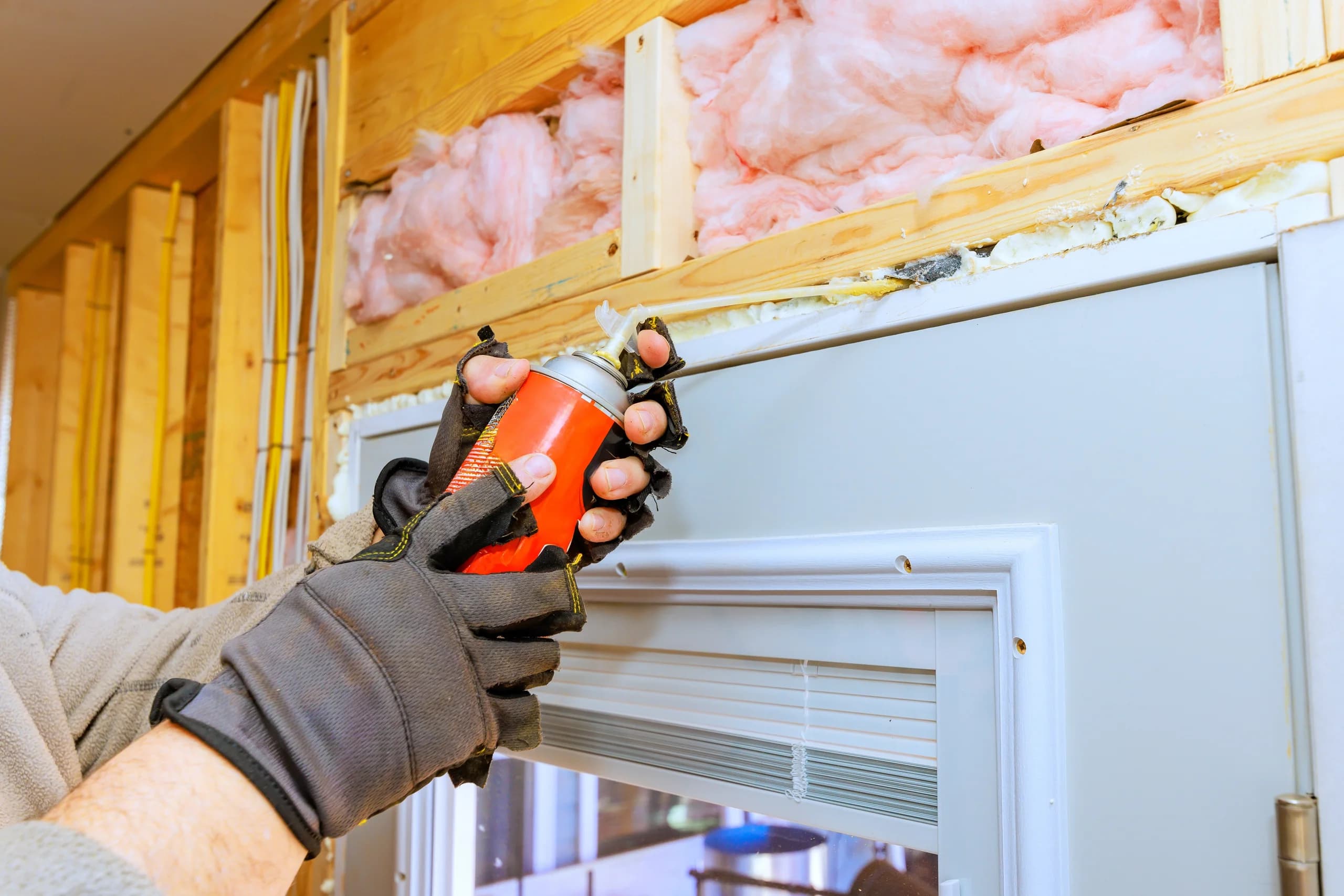
Health Canada names the exact measures this article recommends — increasing air tightness, sealing cracks and openings, replacing windows and doors, adding insulation — in its guidance on radon and energy retrofits, noting that airtight buildings reduce energy loss but can also affect indoor air quality, since retrofits reduce air exchange and can inadvertently increase radon levels.
The response is measurement, not worry. All Canadian homes should be tested, and a long-term kit run over the heating season asks nothing but patience. Above the Canadian guideline of 200 becquerels per cubic metre, the federal advice is to engage a mitigation professional certified under the Canadian National Radon Proficiency Program.
Resist the tempting inversion — that if sealing raised radon, more careful sealing will lower it. Federal guidance is explicit that sealing may help but is not a standalone technique, because all the openings cannot realistically be found and permanently sealed. Ventilation has a bounded effect too. Neither replaces testing first.