Ottawa's $2-Billion Heat Pump Rebate Pays Up to $10,000 When Your Furnace Dies: What To Know About Applying
A Plain-Language Guide to the National Heat Pump Rebate, Who Qualifies for Which Amount, and What Is Still Unannounced as of October 29, 2026
By
Published: October 8, 2026, 1:52 p.m. ET
Updated: November 2, 2026, 10:28 a.m. ET
Fact-checked · , including Government of Canada, Natural Resources Canada & Home Renovation Savings
Credit: Shutterstock
Key Takeaways
•The new National Heat Pump Rebate offers up to $10,000 to households below their province's median after-tax income and $2,000 to other eligible homeowners, with no energy audit required.
•Applications open in early 2027, but Ottawa's campaign page now says the retroactivity period starts November 1, 2026, so an eligible heat pump installed from that date can be claimed once the portal launches.
•The rebate is designed to be paid after installation, so the most useful steps this fall are a quote that prices a heat pump option, a model check and a tidy folder of receipts.
Prime Minister Mark Carney stood in Sherbrooke, Que., on Oct. 8, 2026, and announced a $2-billion federal rebate program meant to help up to 820,000 homeowners install heat pumps over the next eight years. Households that earn below the median after-tax income in their province can receive up to $10,000, while other eligible homeowners can receive $2,000. The program is called the National Heat Pump Rebate, it applies in every province, and it is built to work alongside the provincial rebates that already exist.
What makes this announcement feel different for an ordinary household is the moment it is designed around. Earlier federal heat pump money was tied to oil heat or to a home energy evaluation booked weeks in advance, which suited people who were planning a renovation and had time on their side. This program is aimed at the far more common situation, which is the cold morning when the furnace will not light and a decision has to be made within days. Ottawa says that is how most heating equipment in this country actually gets bought, and it has shaped the application process to match.
The catch is timing, and it is worth being clear about it from the start. Heating season is beginning now, and the program is not expected to open until early 2027. So this guide walks through what has been confirmed, what has only been described by officials, and what has not been announced at all, and then it turns to the sensible things you can do this fall if the system in your basement is getting on in years.
Stay on top of Canadian homeowner news
What Ottawa announced on October 8
The core of the announcement is a $2-billion investment spread over eight years, with rebates for up to 820,000 homeowners who replace an existing heating system with an eligible heat pump. According to CBC News, federal officials said about one million Canadian households replace their heating system every year, and 80 per cent of those replacements happen because the old system has broken down. In the vast majority of those cases, the officials explained, people simply install the same kind of system they had before, and that habit is what the government wants to change.
The program is meant to catch people at exactly that point, although a breakdown is the target and not a condition. Homeowners will also be able to apply when a system is approaching the end of its life and they would like to make the change before it fails. That detail matters if your furnace is fifteen or twenty years old and still running, because it means a planned replacement is treated the same way as an emergency one.
The same announcement carried several housing measures that are easy to confuse with the homeowner rebate, so it helps to set them to one side. Ottawa said the Canada Mortgage and Housing Corporation would help rental housing providers finance retrofits in up to 250,000 units, that the Canada Infrastructure Bank would target up to 30,000 more, and that nearly $110 million over three years starting in 2027-28 would renew the Deep Retrofit Accelerator Initiative. Those are programs for apartment and multi-unit building owners, and none of that money flows to an individual homeowner replacing a furnace.
If the federal language sounds familiar, that is because heat pump support has been promised in several forms over the past year, and our earlier report on Carney's commitment to restart home retrofit funding traces how the idea developed.
Who gets $10,000 and who gets $2,000
There are two rebate levels, and the line between them is your household's after-tax income compared with the median in your province. Households below that median can receive up to $10,000. For everyone else, the wording varies a little depending on where you read it. The Prime Minister's news release says other eligible households "will receive $2,000," which reads as a flat amount, while several news reports from the technical briefing describe it as "up to $2,000." Until the program rules are published, it is safest to think of $2,000 as the most a higher-income household should plan around.
How the income test is expected to work
Update, November 2, 2026: Ottawa published the official income thresholds for every province and territory on November 1. In Ontario, the line for a family of four is $146,217 in after-tax household income, and the calculation uses your 2025 tax return. The background below describes the closed program the method was modelled on.
At the October 8 announcement, officials told reporters that the income cutoff would be calculated the same way it was for the Oil to Heat Pump Affordability program, which stopped taking applications on July 31, 2026. The method for that program is still posted.
Under that method, set out in Natural Resources Canada's median income threshold table, you take line 23600 of your income tax return, which is your net income, and subtract line 43500, which is your total taxes payable. If you have a spouse or common-law partner, you do the same calculation with their return and add the two results together. That combined figure is your after-tax household income, and you compare it with the amount for your province and your household size, counting yourself, your partner and any dependants supported by the household.
The table below shows the thresholds the closed program used in the jurisdictions where Ottawa delivered it directly. A household at or below the figure met the income test.
5 rows · 6 columnsTap a header to sort
1 person
$48,760
$41,400
$39,560
$43,700
$68,540
2 persons
$95,450
$82,225
$78,775
$89,125
$129,950
3 persons
$118,450
$102,350
$103,500
$108,100
$154,100
4 persons
$139,150
$120,750
$128,800
$128,800
$179,400
5 or more
$146,050
$123,050
$134,550
$127,650
$180,550
Please treat these numbers as a guide to the method and not as the new program's thresholds. They were adjusted for inflation for the oil program and were tied to the 2024 tax year, and either of those could change. They also cover only part of the country, since British Columbia, Ontario, the Atlantic provinces and Yukon handled income eligibility through their own co-delivered programs. For a sense of scale in Ontario, the Toronto Star reported that a family of four qualified under the previous program with an income defined at $96,439.
One further rule is worth knowing early if you own more than one property. Under the November 1 rules, only one rebate is available per household, even if you own more than one property, so a landlord who claims it for a heat pump in a rental cannot also claim it for the home they live in.
Which heating systems count, and the savings figure that leaves out gas
This is where the new program is much broader than what came before. The oil program covered one fuel and was delivered directly in only some provinces. The National Heat Pump Rebate covers households across the country, and it supports the replacement of systems that run on natural gas, propane, oil, diesel or electricity. An existing heat pump that has reached the end of its life can be replaced through the program as well.
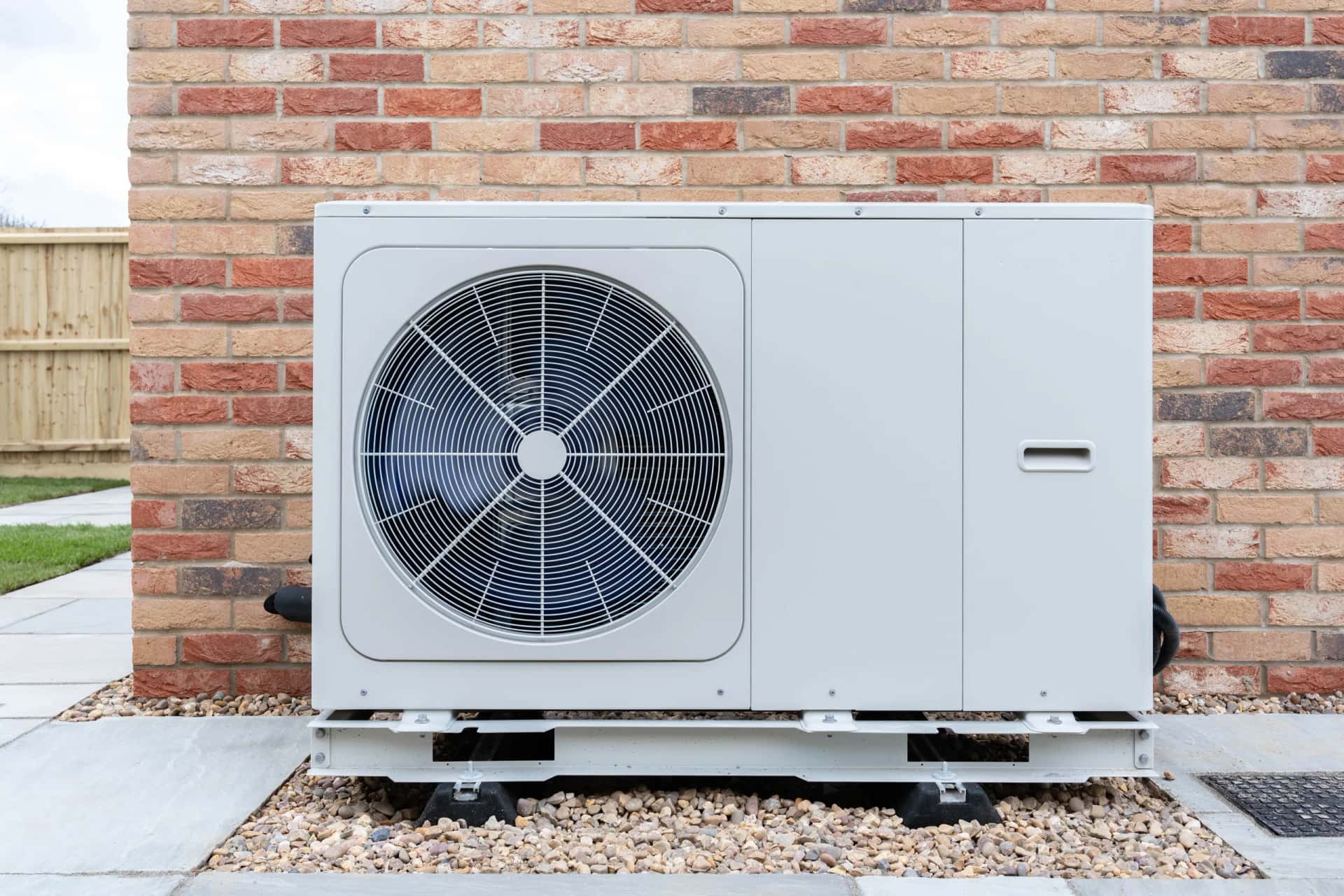
On the equipment side, the wording is narrower than the headlines suggest. The federal backgrounder describes the rebate as being for homeowners "installing eligible electric cold climate air source heat pumps." It does not mention ground-source systems, and it would be a mistake to assume they are included until the program rules say so.
Then there is the savings number, which deserves a careful read. Ottawa says the average household will save more than $1,400 a year, and that figure has travelled widely. In the government's own documents, however, it is limited to homes that currently heat with oil, propane or electric resistance, meaning electric furnaces and baseboards. No estimate has been published for a household moving from a natural gas furnace, which is the system many Canadian homes rely on. A gas-heated home can still apply for the rebate, but its owners should not carry the $1,400 figure into their own budgeting. It is an attributed program estimate for particular fuels, and what any one home saves will depend on its local energy prices, its insulation and the system it is replacing.
The Eligible Products List and why the model number matters
To qualify, the heat pump you buy must appear on the federal Eligible Products List, which the government describes as more than 100,000 options at various price points and configurations, all suited to the Canadian climate. That sounds generous, and it is, but the list works at the level of a specific matched system and not a brand name. Two units from the same manufacturer can sit on opposite sides of the line.
The existing version of the list, which Natural Resources Canada has maintained for earlier programs, shows how to check. The department's searchable product list for air source heat pumps advises homeowners to ask the contractor to include the AHRI number, the brand name, and the model numbers of the indoor unit, the outdoor unit and the furnace, where there is one, right in the quote. The AHRI number is a certification reference for one particular combination of equipment, and it is the quickest way to look a system up. The same page notes that the list is updated quarterly, that it was last updated on Aug. 7, 2026, and that equipment must be purchased in Canada.
Ottawa has not said whether the new rebate will use that list exactly as it stands, so a model that appears today is a good sign and not a guarantee. It is also worth remembering that eligibility for a rebate and suitability for your house are separate questions, and our guide on how to properly size a heat pump for a Canadian home explains the second one.
How applying is expected to work
The application process has been described in outline, and its shape is simple. Before any installation, a homeowner will fill in a form on a secure online portal, providing basic personal information and the details of the eligible heat pump they would like to buy. The government says the program will confirm approval within 24 hours, and reporters at the technical briefing were told that this response will include the rebate level the household qualifies for. The pace is deliberate, since it is meant to let a heat pump be installed as quickly as a replacement furnace would be.
Once the pre-approved heat pump has been purchased and installed, the homeowner returns to the portal and uploads the receipts. Payment is to be approved within five days and sent by direct deposit to the homeowner's bank account. Throughout, there is no home energy audit, either before the work or after it, which removes the step that slowed earlier federal programs most.
What this sequence means in practice is that you pay your installer first and are reimbursed afterward. That is a real change from the oil program, where, as the Oil to Heat Pump Affordability program page explains, approved applicants received a cheque up front and usually had the money in hand before any bills came due. Under the new design, a household approved for $10,000 will still need a way to cover the full installed cost for the days or weeks between the invoice and the deposit. It is a small detail on paper, and it can be a large one at the kitchen table, so it is worth raising with your installer and your bank well before you need to.
Important
The 24-hour and five-day timelines are announced targets for a portal that does not exist yet. The actual form, the list of documents you will need and the portal address have not been published.
What is confirmed and what is still unannounced
Because so much of this story will be filled in over the coming months, it helps to sort the details by how firm they are. The table below reflects what was available on Oct. 29, 2026, with the income and one-rebate rows updated on Nov. 2.
11 rows · 3 columnsTap a header to sort
Budget and reach
Confirmed in federal documents
$2 billion over eight years, up to 820,000 homeowners
Rebate levels
Confirmed, with one wording gap
Up to $10,000 below the provincial median income; $2,000 for others, described elsewhere as "up to"
Energy audit
Confirmed
None required, before or after
One rebate per household
Confirmed Nov. 1
Replaces the earlier "one per person" wording; applies even if more than one property is owned
Eligible Products List
Confirmed in principle
The heat pump must be listed; the final list for this program is not posted
Launch date
Confirmed on the federal campaign page
Early 2027, with no specific date yet
Income thresholds
Confirmed Nov. 1
Official after-tax table for all 13 provinces and territories, based on 2025 tax returns
Installations before launch
Confirmed on the federal campaign page
Eligible installs from November 1, 2026 can be claimed once the program launches
Portal address and required documents
Unannounced
Nothing published
Ground-source and other heat pump types
Unannounced
Only cold climate air source models are named
Remote and off-grid homes
Unannounced
The oil program required a connection to an integrated grid
The line that will matter most to anyone with a failing furnace is the one about installing before launch. At the announcement, CTV News reported that officials were still exploring retroactive eligibility. On October 23, the federal campaign page settled it: the retroactivity period starts on November 1, 2026, and households that meet the eligibility criteria and install an eligible heat pump from that date will be able to apply once the program launches. A system installed before November 1 falls outside that window. For installs on or after it, keep every receipt and confirm the model is on the federal list, since the full rules are due on November 1.
It is fair to add that the Prime Minister framed the program around this very winter, saying in prepared remarks that tens of thousands of furnaces will stop working over the coming months and that families will now have help "right when they need it." The gap between that framing and an early-2027 opening is why the retroactive question mattered so much, and why the November 1 start is the most useful detail published since the announcement. As The Canadian Press summarized it, the program details have not been finalized, and officials have said consultations with the heating and cooling industry begin immediately.
Carney said the federal rebate can be combined with existing provincial programs, and the government's release repeats that both rebate levels stack. That is good news, and it comes with a practical wrinkle. Each provincial program has its own approval steps, its own contractor rules and often its own product list, so collecting two rebates means satisfying two sets of conditions, sometimes in a particular order.
Three of the larger programs show how much the details differ.
3 rows · 4 columns
Province
Program
Heat pump amount
The rule to watch
Ontario
Home Renovation Savings
Up to $2,000 for gas-heated homes; up to $7,500 for homes heated with electricity, oil, propane or wood
Pre-approval is mandatory, and a participating contractor submits it before installation
British Columbia
CleanBC Energy Savings Program
Up to $13,000, scaled to income
Pre-register for a code valid for three months; a registered contractor installs and receives the rebate
Quebec
Hydro-Québec LogisVert
Up to $6,700
The model must be on the LogisVert list of eligible heat pumps
In Ontario, the Home Renovation Savings Program is blunt about sequence, stating that installations done before approval are not eligible. In other words, an Ontario household hoping to combine both rebates will eventually need two approvals in hand before the installer arrives, one provincial and one federal.
British Columbia adds a different twist, because the CleanBC Energy Savings Program measures household income before tax while the federal method uses income after tax. A family could reasonably land in one tier provincially and another federally, so it is worth running both calculations.
Quebec, meanwhile, maintains its own roster of qualifying equipment, and Hydro-Québec's LogisVert program recommends using its search tool before you buy. A heat pump there may need to appear on two lists, the federal one and the provincial one, to earn both amounts.
What to do this fall if your furnace is on borrowed time
The first thing to say is the most important. If your heating system fails in the cold, replace it with whatever keeps your household safe and warm, on the timeline your home needs. A rebate that opens next year is not a reason to go without heat. What has changed is that Ottawa now says an eligible heat pump installed from November 1, 2026 can be claimed once the portal opens, provided the household and the model meet the rules due that day, so if you do choose a heat pump, the receipts folder matters.
If your system is still working and you simply know its days are numbered, you have the gift of a little time, and there are a few calm, low-cost things you can do with it.
Ask for a quote that prices a heat pump option. When a contractor visits to service or assess your furnace, ask for a heat pump alternative alongside the like-for-like replacement, so you can compare real numbers for your own house.
Get the identifying details in writing. Ask for the AHRI number, the brand and the indoor and outdoor model numbers on the quote, then look the system up on the federal product list.
Work out your after-tax household income. Line 23600 minus line 43500 on your most recent return, plus the same for your partner, will tell you roughly which rebate level to expect once thresholds are published.
Start your provincial paperwork in the right order. Where a provincial rebate requires approval before installation, that step cannot be done after the fact.
Keep every receipt and invoice. Itemized, dated documents showing the equipment, the installer and proof of payment are what any reimbursement program asks for, and they cost nothing to keep.
Sign up for the official updates. The federal One million home energy retrofits page has a sign-up form for news on launch dates, eligibility, rebate amounts and how to apply.
Be cautious with anyone who phones or knocks offering to "register" you for the new federal rebate. There is no portal to register on yet, and under the previous program the government stated that it never solicits by telephone, by email or door to door.
It is easy to read an announcement like this one and feel that you are supposed to act on it immediately. In truth, the program is still being built, and the most valuable thing you can do right now is quiet preparation: a clear quote, a model number you have checked, and a folder with your paperwork in it. With those in hand, you will be ready to move the day the portal opens, and you will be making the decision about your home's heat on your own terms.
Angela Nightingale is the Senior Editor at Homeowner.ca with two decades of experience in digital publishing and content strategy. She has owned two homes, taken on her share of DIY projects, and learned what most guides fail to mention. She writes from the belief that the best home guidance comes from people who have lived through the decisions — and her goal is always to leave readers feeling confident, not overwhelmed.
CBC News. (2026). Ottawa to provide $2B in rebates for homeowners who install heat pumps. Retrieved from https://www.cbc.ca/
Environment and Climate Change Canada. (2026). Backgrounder: Prime Minister Carney announces landmark investment to retrofit one million homes, cutting energy costs and emissions. Retrieved from https://www.canada.ca/
Environment and Climate Change Canada. (2026). One million home energy retrofits. Retrieved from https://www.canada.ca/
Show 12 more sourcesHide additional sources
Prime Minister of Canada. (2026). Prime Minister Carney announces landmark investment to retrofit one million homes, cutting energy costs and emissions. Retrieved from https://www.pm.gc.ca/
Natural Resources Canada. (2026). Median income threshold table - Oil to Heat Pump Affordability program. Retrieved from https://natural-resources.canada.ca/
Natural Resources Canada. (2026). How products are listed with the Canada Greener Homes Initiative. Retrieved from https://natural-resources.canada.ca/
Natural Resources Canada. (2026). Air Source Heat Pumps and Cold Climate Air Source Heat Pumps: Searchable product list. Retrieved from https://spl-lpi.nrcan-rncan.gc.ca/
Charron, J., CTV News. (2026). In the market for a new heating system? Federal government unveils $2B heat pump rebate program. Retrieved from https://www.cp24.com/
The Canadian Press. (2026). Ottawa launching heat pump rebate program, Carney says. Retrieved from https://globalnews.ca/
Tumilty, R., Toronto Star. (2026). Mark Carney unveils new rebate program for home heat pumps. Retrieved from https://www.thestar.com/
Enbridge Gas and Independent Electricity System Operator. (2026). Home Renovation Savings Program: Heat pumps. Retrieved from https://www.homerenovationsavings.ca/
Government of British Columbia, CleanBC Better Homes. (2026). Energy Savings Program. Retrieved from https://betterhomesbc.ca/
Hydro-Québec. (2026). LogisVert Program: Grants for residential customers. Retrieved from https://www.hydroquebec.com/
Hydro-Québec. (2026). Financial assistance application guide: LogisVert Efficient Homes Program, Heat Pumps. Retrieved from https://www.hydroquebec.com/