Heat Pumps vs. Air Conditioners in Canada: Pros & Cons Guide for Canadian Use Cases
What Canadian Homeowners Are Really Comparing Before They Request a Quote
By
Published: June 19, 2026
Fact-checked · , including Natural Resources Canada, Canada Energy Regulator & Government of British Columbia
Credit: Homeowner.ca
Key Takeaways
•A heat pump is essentially an air conditioner that also runs in reverse to heat, so the real comparison is "one system for both seasons" versus "a cooling-only AC plus a separate furnace or baseboards."
•The smartest answer is regional: electricity prices, the fuel you would displace, your winter lows, and your grid's emissions all change the verdict from one province to the next.
•Cold-climate models work far colder than most people assume, but in the harshest parts of the country they are usually sized for most of the load and paired with backup heat.
Most people think they are choosing between two cooling machines. They are not. The moment you put a heat pump next to a traditional air conditioner, you are really comparing two different jobs: a single system that both heats and cools, or a cooling-only unit that needs a furnace or baseboards working beside it. That distinction changes everything that follows, from the sticker price to the line item on your hydro bill in February.
This guide is built for the research you do before a contractor ever walks through the door. It will not tell you that one option always wins, because in Canada it does not. The honest answer bends with your postal code, the fuel your home burns today, how cold your January gets, and how long you plan to stay. A heat pump that is an easy call in coastal British Columbia can be a much closer decision in a gas-heated Prairie city.
So we will work through the trade-offs the way a careful buyer would: how the two approaches compare on efficiency and lifetime cost, why your province quietly rewrites the math, what cold-weather performance actually looks like, where the environmental case is strongest, and how upkeep and home type tip the scale. By the end, you should be able to sit at your kitchen table with a few quotes and know which questions matter most for your situation.
What You're Actually Comparing: One System, or Two
Start with the mechanics, because the rest of the decision rests on them. A central air conditioner does one thing. It pulls heat out of your house in summer and dumps it outside. When the weather turns, it sits idle while a separate system — usually a gas furnace, oil furnace, or electric baseboards — takes over the heating.
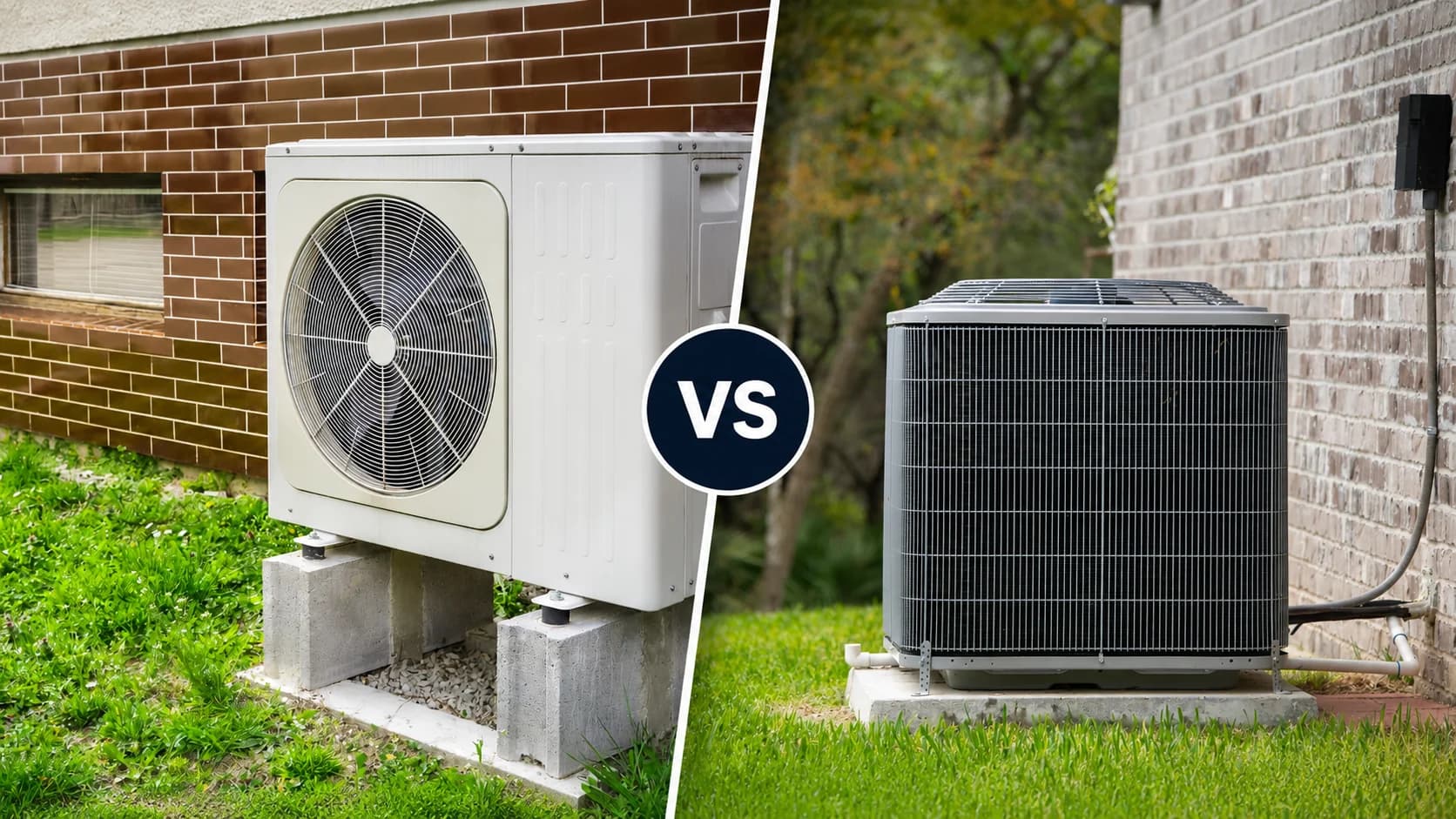
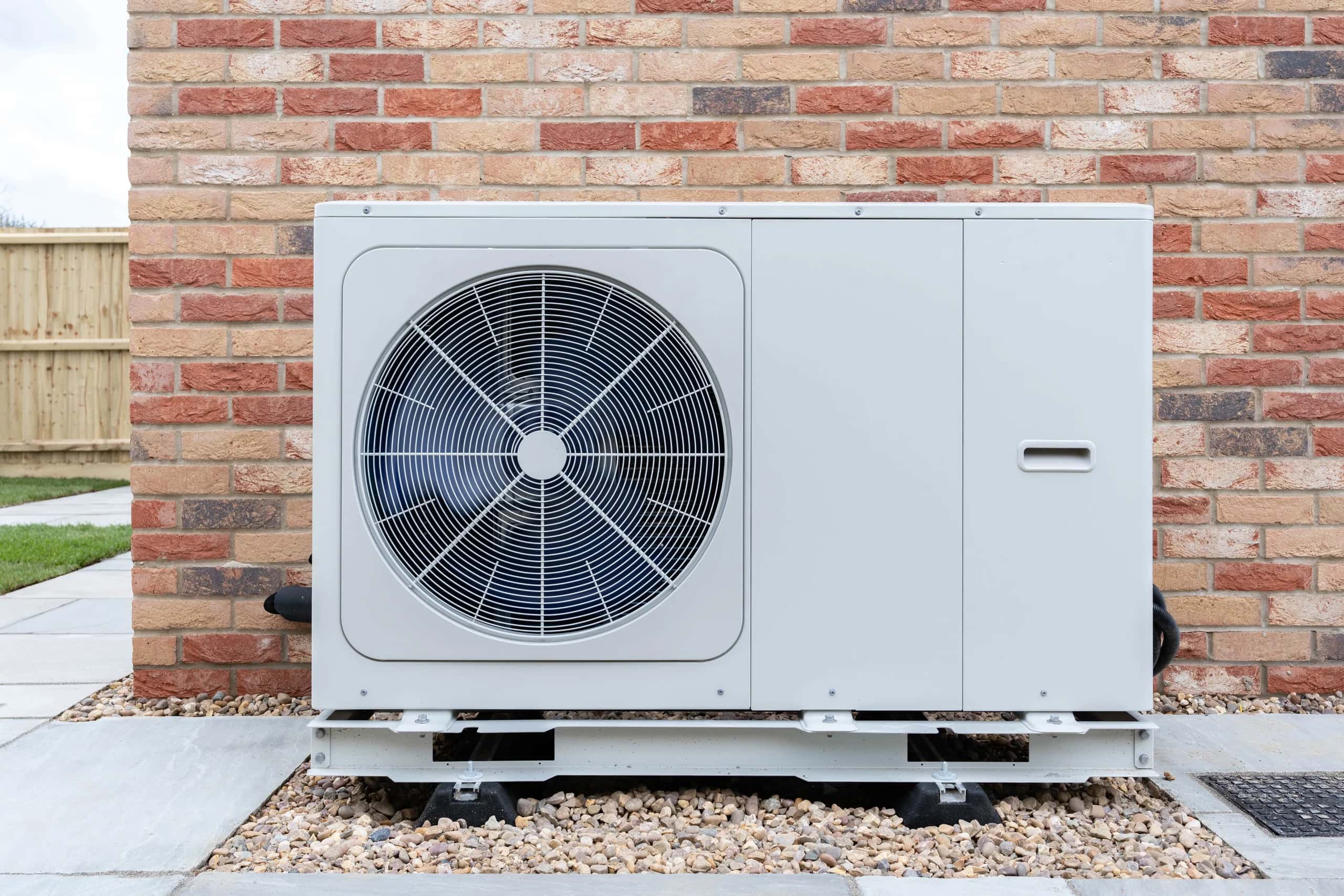
A heat pump uses the same refrigeration cycle, but it can flip direction. In summer it cools exactly like an AC. In winter it reverses, pulling heat from the outdoor air and moving it indoors. As Natural Resources Canada explains in its guidance on heating and cooling with a heat pump, a heat pump is best understood as a high-efficiency air conditioner that can run in reverse, while a conventional central AC provides cooling only and must be paired with a separate heat source.
That is the whole reframe. You are not weighing "AC versus heat pump" so much as "cooling plus a furnace" versus "one box that does both." Most Canadian homes run air-source systems, either central and ducted or ductless mini-splits, rather than the niche ground-source or air-to-water options — which keeps this a fair, like-for-like comparison since a central AC is also an air-source, often-ducted machine. Once you see the choice this way, the pros and cons stop being abstract and start mapping onto your actual house.
Efficiency and the Real Cost of Ownership
Here is where the heat pump earns its reputation. Because it moves existing heat rather than generating it by burning fuel or running electric resistance coils, it delivers far more heating energy than the electricity it consumes. Natural Resources Canada frames this as the core advantage of an air-source heat pump: much higher heating efficiency than a furnace, boiler, or electric baseboards. Research reviewed through federal and academic channels puts seasonal coefficients of performance for cold-climate units in the range of roughly two to three or higher across many Canadian climates, which is another way of saying a heat pump can deliver two to three units of heat for every unit of electricity it draws, as documented in peer-reviewed analysis of cold-climate performance.
Cooling efficiency is close to a wash. A modern heat pump and a modern AC cool with comparable seasonal ratings, since they are doing the same job with the same technology. The efficiency story is really a heating story, and it only counts if your home would otherwise heat with something the heat pump can beat.
Now the money. Upfront, a heat pump usually costs more than a cooling-only air conditioner — often several thousand dollars more — because you are buying the heating function too. In practice, installed central AC pricing in Canada tends to run a few thousand dollars at the low end into the low five figures, with heat pumps sitting a meaningful step above that. But the upfront number is only the first line of a longer ledger. The right comparison is total cost of ownership: purchase price, the operating cost over the years you will run it, and the lifespan you spread that capital across.
Tip
When you collect quotes, ask each contractor to separate the cost of the cooling equipment from the cost of the heating function. It turns a single intimidating number into two decisions you can actually evaluate — and it makes a heat pump quote directly comparable to an AC-plus-furnace quote.
Federal incentives complicate the upfront picture in a useful way. Rebates for ENERGY STAR-certified and high-efficiency heat pumps can meaningfully cut the purchase cost, but programs change and vary by province and utility, so treat them as a variable rather than a guarantee. They can tip a close decision, not define it. Because the rebate landscape shifts year to year, it is worth confirming what is current where you live before you commit.
This is the spine of the whole decision, and it is the part most generic comparisons skip. The value of a heat pump depends on two regional levers: what you pay for electricity, and what fuel the heat pump would replace.
Electricity prices vary enormously across the country. Drawing on residential price data compiled by the Canada Energy Regulator, hydro-rich provinces such as Quebec, Manitoba, and British Columbia sit at the low end, while Alberta, Saskatchewan, the Maritimes, and especially the territories pay substantially more. Cheap electricity makes a heat pump's running costs easy to love. Expensive electricity narrows the gap, particularly against inexpensive natural gas.
The second lever is the fuel you would displace. A federal technical report on the cost-effectiveness of cold-climate heat pumps found the economics are generally most favourable where homes heat with expensive fuels — oil-heated Atlantic homes are the textbook case — and lower electricity prices, while savings are less certain where cheap natural gas competes against pricier power, as in parts of the Prairies. The publication is candid that this is a "generally," not a rule.
Put the two levers together and a rough regional map emerges:
Region
Electricity price
Heat pump operating-cost case
Typical nuance
Quebec, Manitoba
Lowest in Canada
Very strong
Clean, cheap power; heat pumps run economically
British Columbia
Low
Very strong
Mild coastal winters plus low rates; often whole-home heating
Ontario
Moderate
Strong
Many homes displace electric or older systems; good fit
Atlantic provinces
Moderate to high
Strong where displacing oil
Oil-heated homes see the clearest savings
Alberta, Saskatchewan
Higher
Mixed
Cheap natural gas competes hard; dual-fuel often wins
Territories
Highest
Challenging
High rates and extreme cold; careful design essential
Read this as a starting point, not a verdict. Your home's insulation, the system you are replacing, and your contractor's design will move you within your region. But the pattern holds: a heat pump is an easier financial call in a low-rate, oil-or-electric-heated home than in a gas-heated home where power is dear — though a strong provincial rebate can still shift a borderline case.
Cold-Weather Performance: What Canadian Winters Actually Demand
The oldest objection to heat pumps in Canada is that they quit in the cold. That was once a fair complaint. It no longer describes the technology most homeowners are buying.
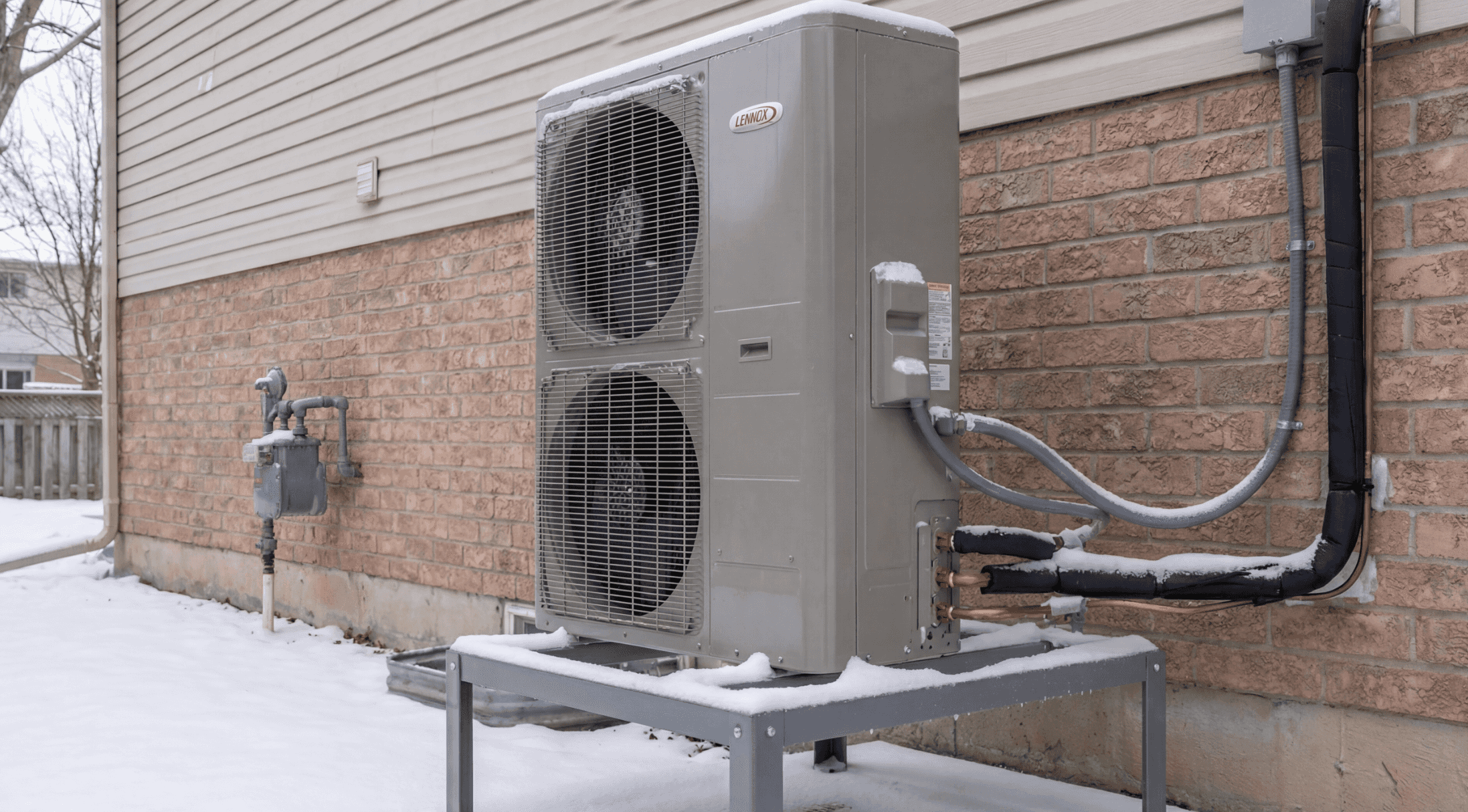
Natural Resources Canada's guidance on cold-climate systems is explicit that modern cold-climate air-source heat pumps are designed to keep operating at the sub-zero winter temperatures typical of Canadian regions, unlike older or mild-climate models that lost capacity or shut down. The performance is not just a lab claim, either. Testing at the Canadian Centre for Housing Technology evaluated a cold-climate mini-split providing both cooling and heating in a typical Canadian house under real seasonal weather, not idealized conditions.
There are concrete benchmarks behind the marketing term. The cold-climate specification maintained by the Northeast Energy Efficiency Partnerships, which underpins product lists used in Canada, requires qualifying units to report strong heating capacity down to around −15°C (5°F), with many models continuing to operate well below that. Natural Resources Canada also publishes a list of certified air-source heat pumps, including cold-climate models, so "cold-climate" is a defined standard a homeowner can verify, not a sales adjective.
The honest caveat is capacity, not survival. The federal sizing and selection guidance notes that many standard heat pumps see their capacity "drop off quickly" as the temperature falls, which is why cold-region installs are typically designed for the heat pump to carry most of the load down to roughly −15°C, with auxiliary heat — electric elements or a gas furnace in a dual-fuel setup — covering the rare extreme lows. How much of your annual heating a heat pump can shoulder depends on local climate and how it is sized: in milder regions it can often handle nearly all of it, while in the coldest zones it is sized for partial load. Getting that split right is the heart of properly sizing a heat pump.
Important
In subarctic and far-northern climates, an air-source heat pump may not reliably meet design-day heating loads on its own. Federal guidance is clear that these settings call for careful design, dependable backup heat, or alternative technologies such as ground-source systems. A heat pump is not a universal answer for the coldest corners of the country — and a good contractor will say so.
A quieter upside often goes unmentioned: because Canadian heat pumps are frequently sized primarily for heating, they tend to run longer, gentler cycles. That can mean more even temperatures and less of the short-cycling blast-and-stop feeling of an oversized AC sized only for peak cooling.
"Heat pumps are greener" is true often enough to be a reasonable headline and false often enough to deserve a footnote. The deciding factor is the electricity that powers them.
Environment and Climate Change Canada's national greenhouse gas inventory shows provincial emissions profiles differ sharply, largely because of how each grid makes its power. Hydro-dominated provinces such as Quebec and British Columbia carry very low electricity-sector emissions; fossil-heavy grids like Alberta's and Saskatchewan's carry much more. British Columbia, for instance, publishes electricity emission-intensity factors on the order of only a few tens of grams of CO₂e per kilowatt-hour, reflecting its mostly hydro-electric supply.
The implication is direct. Swap a gas or oil furnace for a heat pump in a province with clean, low-carbon electricity, and you cut a large share of your home's operational heating emissions. Do the same in a province where electricity still leans on fossil generation, and the carbon benefit shrinks — sometimes a lot. Because buildings and heating are a significant slice of national emissions, the equipment in your basement is not trivial, but its climate payoff is regional, just like its cost payoff. Refrigerant handling matters too, which is one more reason professional installation and servicing earn their keep.
Maintenance, Repairs, and Lifespan
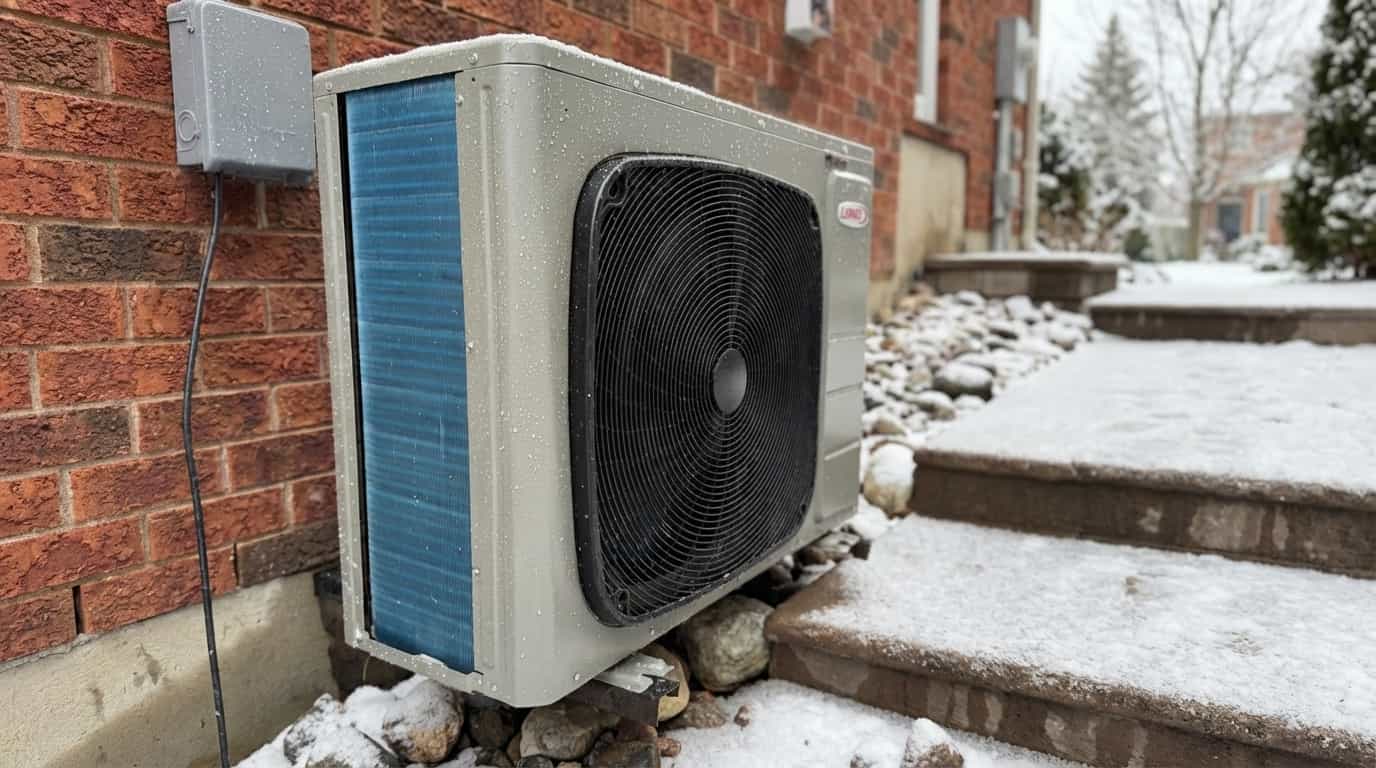
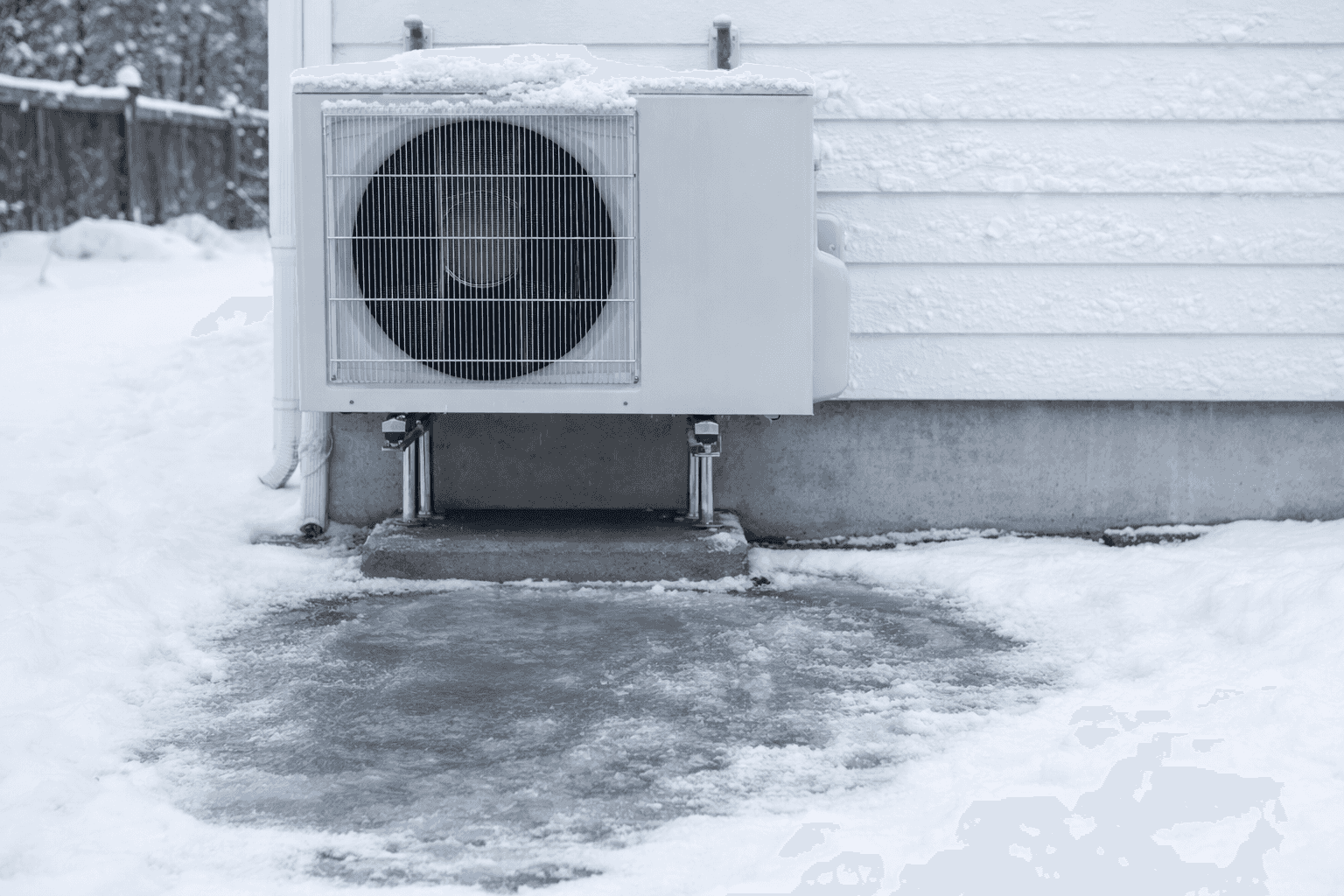
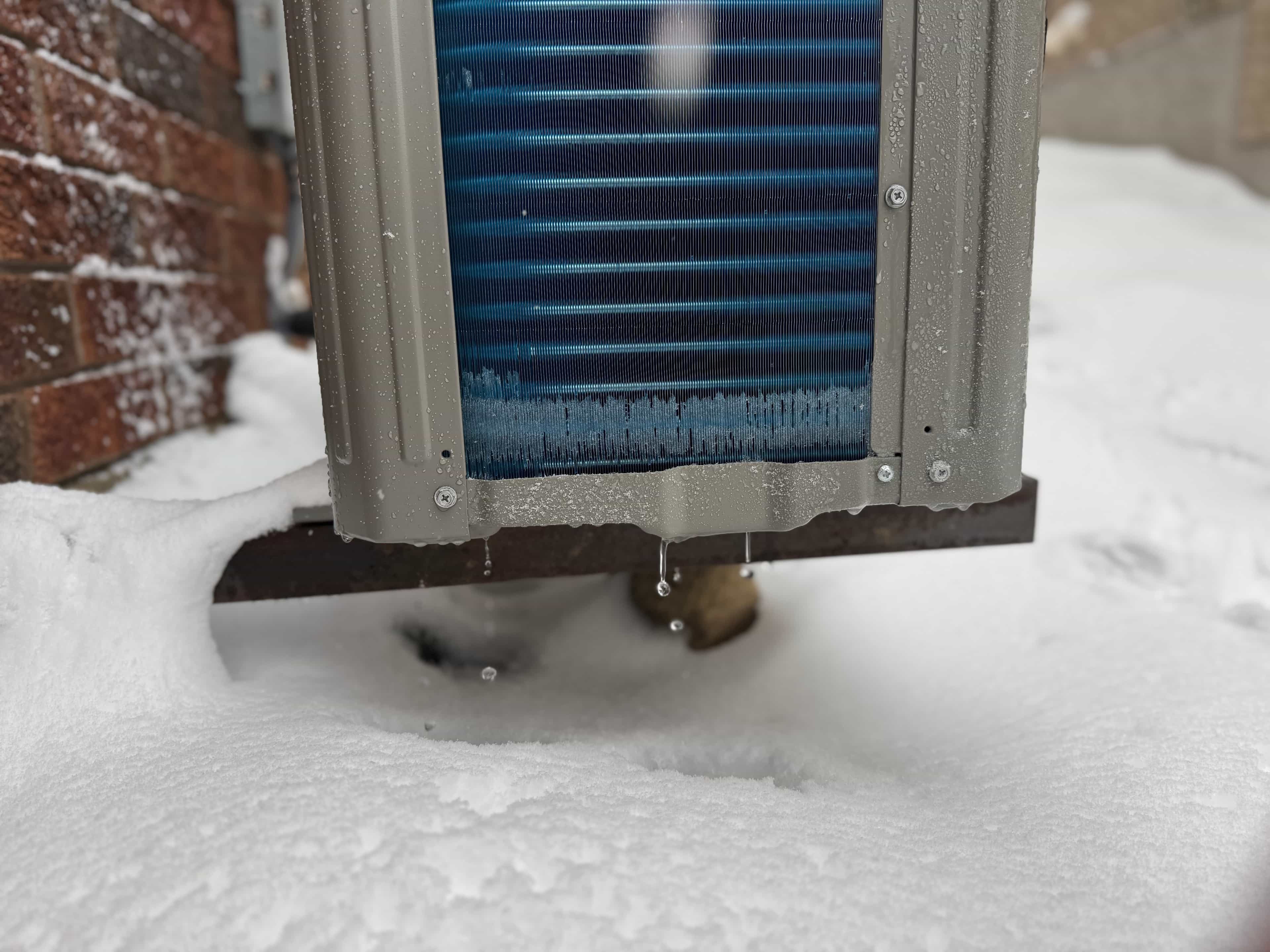
On day-to-day upkeep, a heat pump and a central AC are close cousins. Both want clean air filters changed on a regular schedule, both need the outdoor unit kept clear of leaves and debris, and both benefit from periodic professional servicing to hold their efficiency. Natural Resources Canada's maintenance guidance treats them in much the same breath, with one Canadian wrinkle for heat pumps: the outdoor unit has to stay clear of snow and ice through the winter, since it is working year-round rather than hibernating from October to May.
That year-round duty is the real difference. An air conditioner rests for two-thirds of the year. A heat pump runs in both seasons, so it accumulates more operating hours over the same calendar period. Typical well-maintained central air-source systems — AC or heat pump — often last on the order of 15 to 20 years, though real-world lifespan swings with climate severity, installation quality, and upkeep. Run harder across both seasons, a heat pump can land at the lower end of that band without diligent maintenance, which makes a service routine less of a nicety and more of an investment-protection habit. A simple seasonal maintenance checklist goes a long way here.
For lifetime budgeting, fold lifespan into the cost math rather than fixating on the purchase price. A system that costs more upfront but reliably delivers 18 comfortable years can be cheaper per year than a bargain unit that fades early. Amortized cost per year of comfort is the number that actually matters.
Cost and climate narrow the field. Your house makes the final call. Natural Resources Canada's consumer guidance stresses that household realities — existing ductwork, preferred temperature zoning, noise sensitivity, and available outdoor space for equipment — strongly shape whether a ducted system, a ductless multi-split, or a furnace-plus-AC setup is the better fit.
A few patterns are worth holding in mind as you evaluate quotes:
If your home already has ducts and a working furnace, a central heat pump can integrate with the existing forced-air system, and a dual-fuel arrangement lets the heat pump handle efficient everyday heating while the furnace covers extreme cold.
If you have no ductwork — an older home, a condo, a townhouse — a ductless mini-split heat pump adds both heating and cooling room by room, often where a central AC retrofit would be invasive and expensive.
The decision lens, then, is not a single winner but a short set of questions. Which fuel would the new system displace, and how much does that fuel cost where you live? How cold does your January actually get, and do you need backup heat for the worst days? Do you have ducts, or would zoning suit you better? And how long do you plan to stay, since a longer horizon rewards the system with the better operating economics? Lean toward a heat pump when you would displace expensive fuel or electric resistance heat, when your winters sit within cold-climate range, and when you value one system doing both jobs. Lean toward a cooling-only AC with a separate heater when natural gas is cheap, your existing furnace is healthy and recent, and you mainly need summer comfort.
Note
Efficiency ratings like SEER for cooling and HSPF or seasonal COP for heating are useful shorthand, but nameplate numbers can overstate real-world results in very cold provinces, which is why Canada uses climate-adjusted ratings that better reflect cold-weather reality. Ask a contractor to translate the ratings into expected performance for your climate zone, not just the sticker figure.
One more situational note worth flagging: if you currently heat with oil, the calculus often tilts decisively toward a heat pump, and in much of Atlantic Canada that conversion comes bundled with oil tank removal decisions worth planning in the same project.
Ryan is the founder of Homeowner.ca and a proud Canadian homeowner based in Guelph, Ontario. Over his 25-year career in digital publishing, he has focused on transforming complex information into clear, practical guidance that helps people make confident, well-informed decisions.
Essentially, yes. A heat pump uses the same refrigeration cycle as an AC to cool in summer, but it can reverse to pull heat from outdoor air and warm your home in winter. A central air conditioner only cools and needs a separate furnace or baseboards for heat.
Modern cold-climate models are designed to keep operating at the sub-zero temperatures typical across Canada, with strong capacity down to around −15°C and many units running well below that. In the coldest regions they are usually sized for most of the load and paired with backup heat.
It depends on your electricity price and the fuel you would replace. Savings are strongest in low-electricity-price provinces and where you displace expensive fuels like oil or electric baseboards, and less certain where cheap natural gas competes against higher power rates.
Provinces with cheap, clean electricity such as Quebec, Manitoba, and British Columbia offer the strongest case on both cost and emissions. Oil-heated homes in Atlantic Canada also see clear savings. Gas-heavy Prairie homes are a closer call.
Upfront, usually yes, because you are also buying the heating function — often several thousand dollars more. The fairer comparison is total cost of ownership, including operating costs and lifespan, plus any rebates you qualify for.
It is a unit that meets a defined performance standard for low-temperature operation. Natural Resources Canada maintains a list of certified air-source heat pumps, including cold-climate models, so you can confirm a unit qualifies rather than relying on a salesperson's label.
In milder regions, often not — a well-sized heat pump can carry nearly all the heating load. In colder regions, a backup or dual-fuel setup is common, with a furnace or electric elements covering the rare extreme lows.
Only as clean as the grid behind it. In hydro-rich provinces the emissions cut versus gas or oil heating is large; in fossil-heavy grids the benefit is smaller. The carbon case is regional.
Well-maintained central systems often last roughly 15 to 20 years. Because a heat pump runs in both seasons rather than only summer, it logs more hours, so consistent maintenance matters for reaching the upper end of that range.
Mostly similar — regular filter changes, keeping the outdoor unit clear, and periodic professional servicing. The Canadian difference is keeping the outdoor unit free of snow and ice in winter, since a heat pump runs year-round.
Homes with existing ductwork can use a central ducted heat pump, often in a dual-fuel pairing. Homes without ducts, including condos and older houses, are well suited to ductless mini-splits, which also allow room-by-room zoning.
Natural Resources Canada. Cooling and Heating Season Performance Assessment of a Mini-Split Cold-Climate Air-Source Heat Pump (Canadian Centre for Housing Technology). Retrieved from natural-resources.canada.ca
Natural Resources Canada. List of certified air-source heat pumps. Retrieved from natural-resources.canada.ca
Natural Resources Canada. Energy efficiency regulations: central air conditioners and central heat pumps. Retrieved from natural-resources.canada.ca
Natural Resources Canada. Cost-effectiveness of cold-climate air-source heat pumps in Canadian homes (M154-149-2022). Retrieved from publications.gc.ca
Canada Energy Regulator. Market Snapshot: How much do your neighbours across Canada pay for electricity? Retrieved from cer-rec.gc.ca
Environment and Climate Change Canada. Greenhouse gas emissions indicators. Retrieved from canada.ca
Environment and Climate Change Canada / Canada Energy Information. National Inventory Report on greenhouse gas emissions. Retrieved from energy-information.canada.ca
Government of British Columbia. Electricity emission-intensity data. Retrieved from gov.bc.ca
Northeast Energy Efficiency Partnerships. Cold Climate Air Source Heat Pump Specification and Product List. Retrieved from neep.org
Cold-climate air-source heat pump performance (peer-reviewed review). Retrieved from sciencedirect.com
Canadian Heat Pump Hub. Best cold-climate heat pump guide. Retrieved from canadianheatpumphub.ca
Canadian residential electricity rates overview. Retrieved from offgridsolarsystem.ca