Heat pumps absolutely can work in Canadian winters, but the “feel” of the heat is different than what many homeowners expect—especially if you’ve lived with a furnace that throws very hot air in short bursts. A heat pump tends to run longer, more gently, and more consistently. For many homes, that translates into fewer big temperature swings and fewer “cold-then-hot” cycles.
The catch is that winter performance isn’t a single number. It’s a system outcome that depends on three things working together: the house (air sealing and insulation), the heat pump (cold-climate capability and sizing), and the controls (thermostat strategy plus when and how backup heat engages). If any one of those is weak, comfort drops fast in a cold snap.
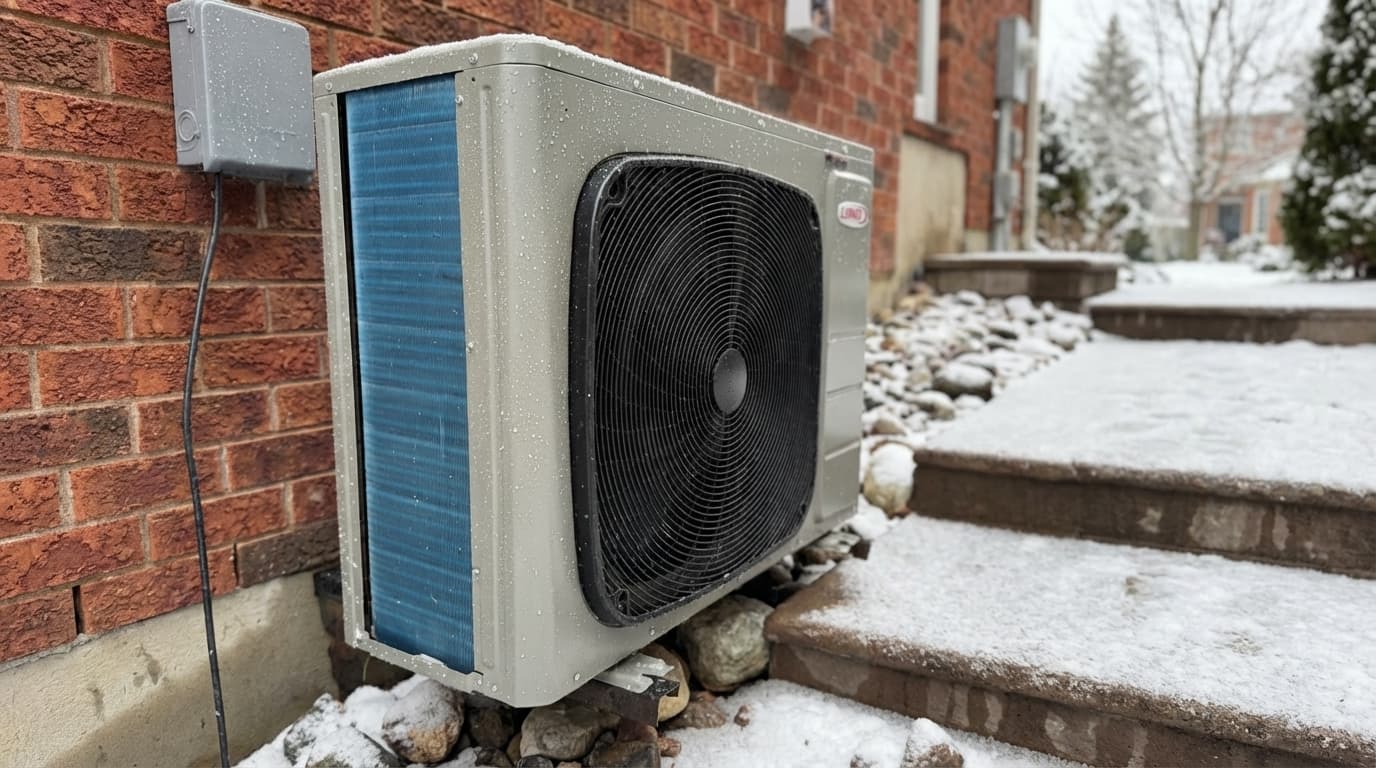
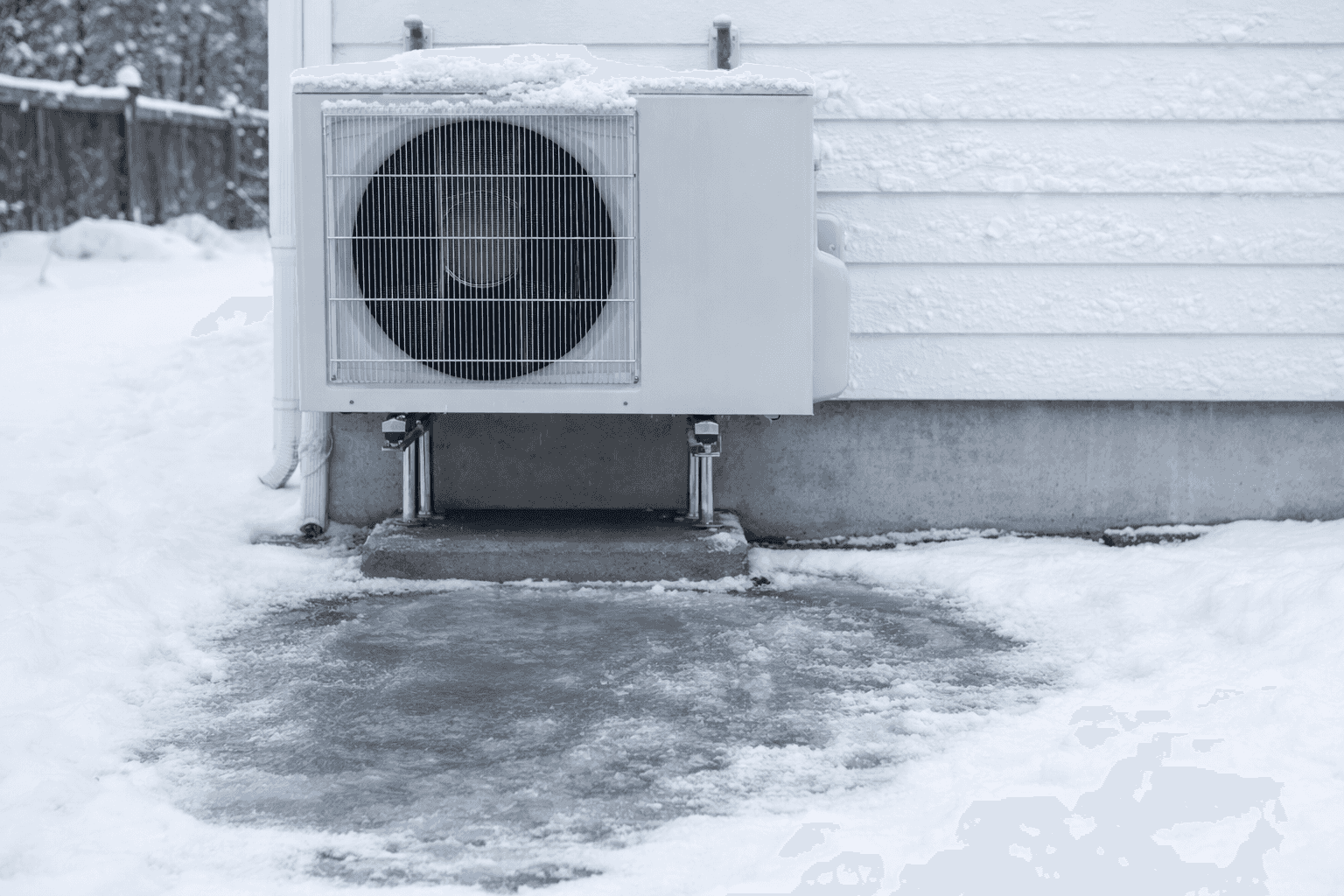
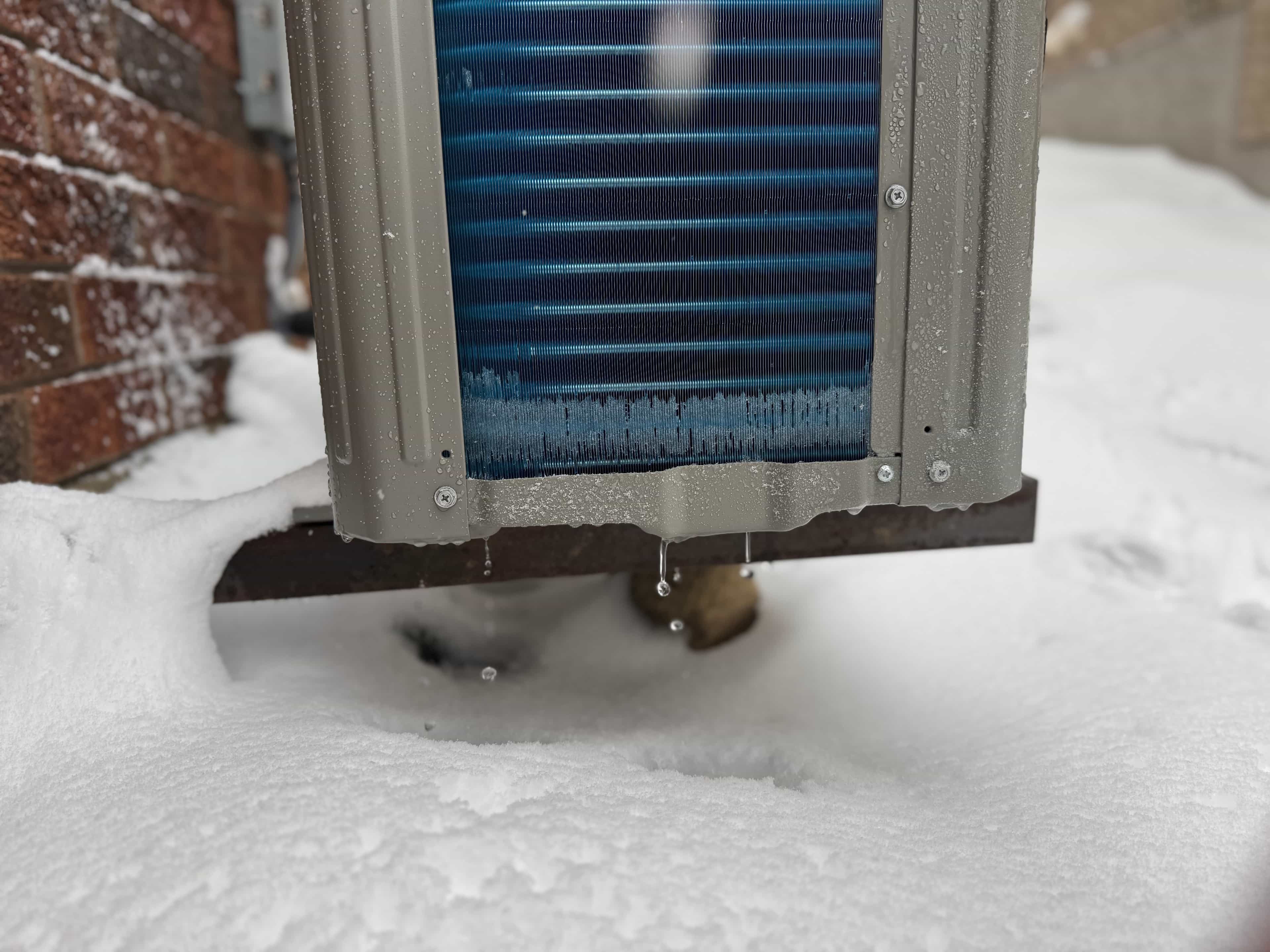
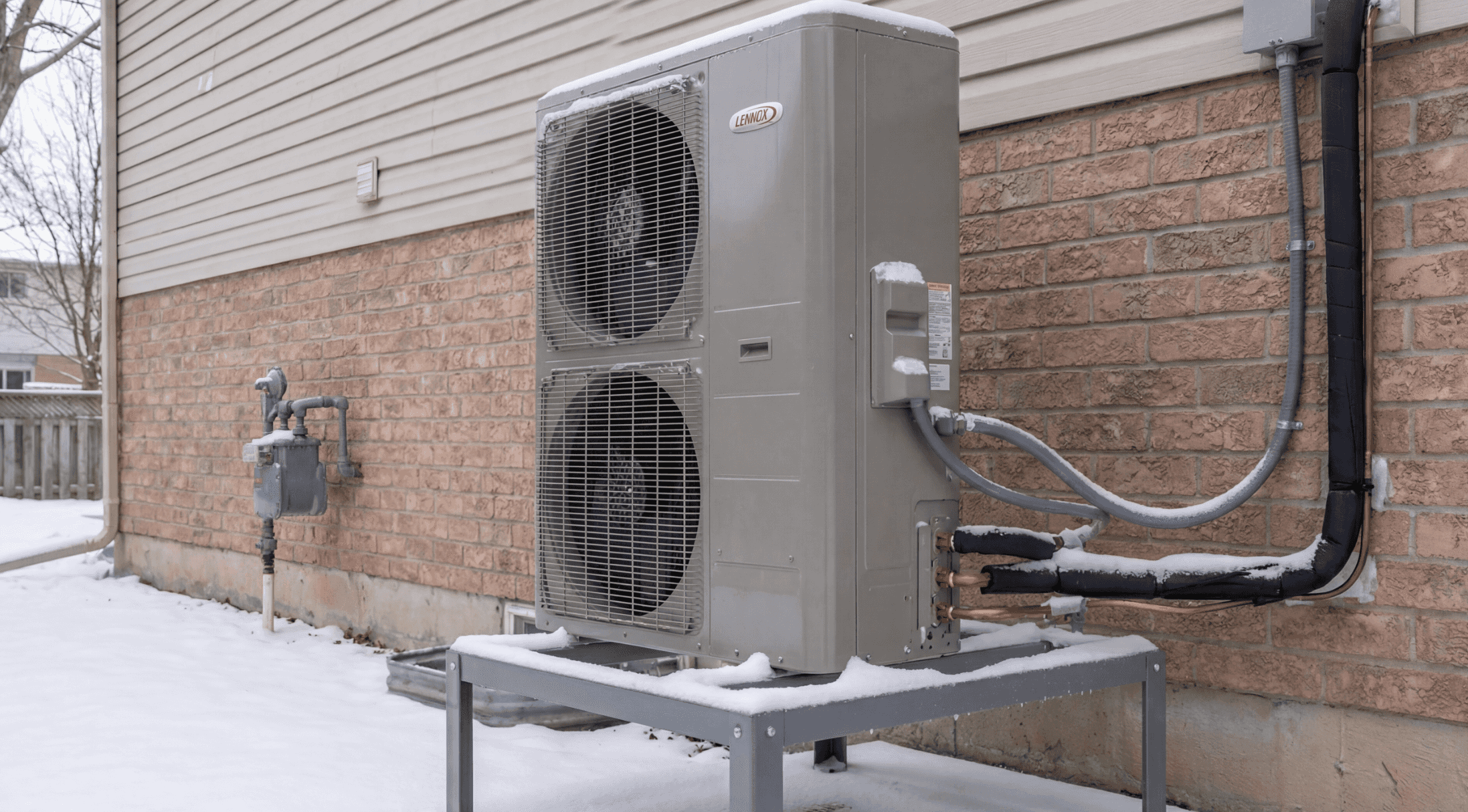
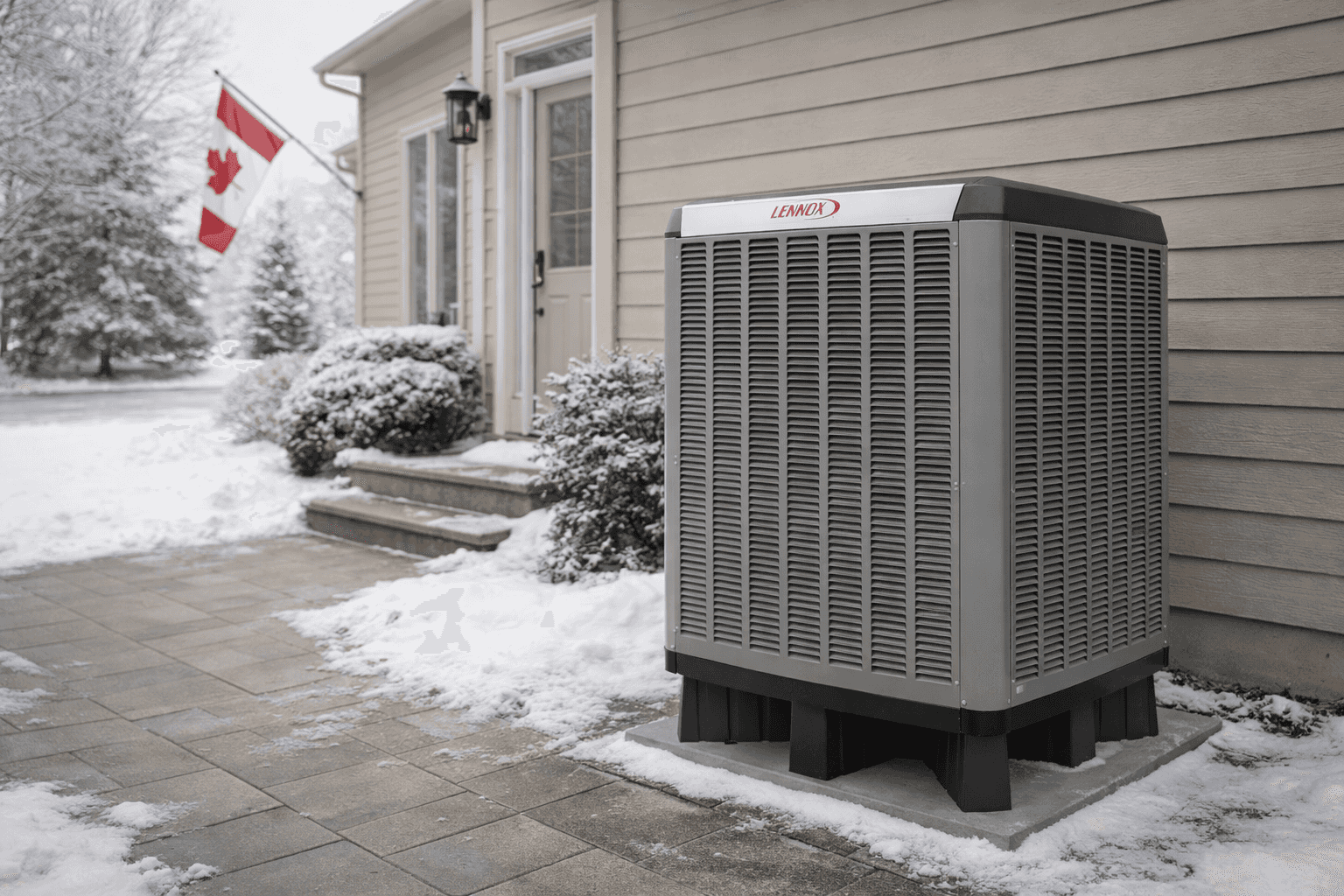
You’ll also notice behaviours that are completely normal in winter but look alarming if you’ve never owned a heat pump: frost on the outdoor unit, occasional steam-like plumes during defrost, longer run times, and supply air that feels “warm” rather than “hot.” None of those automatically mean something is wrong.
This guide walks through what to expect—comfort, capacity, noise, ice, and backup heat—in practical homeowner terms. The goal is not to turn you into a technician. It’s to help you recognize normal winter behaviour, set your system up for comfort, and know exactly when to use backup heat or call for service.