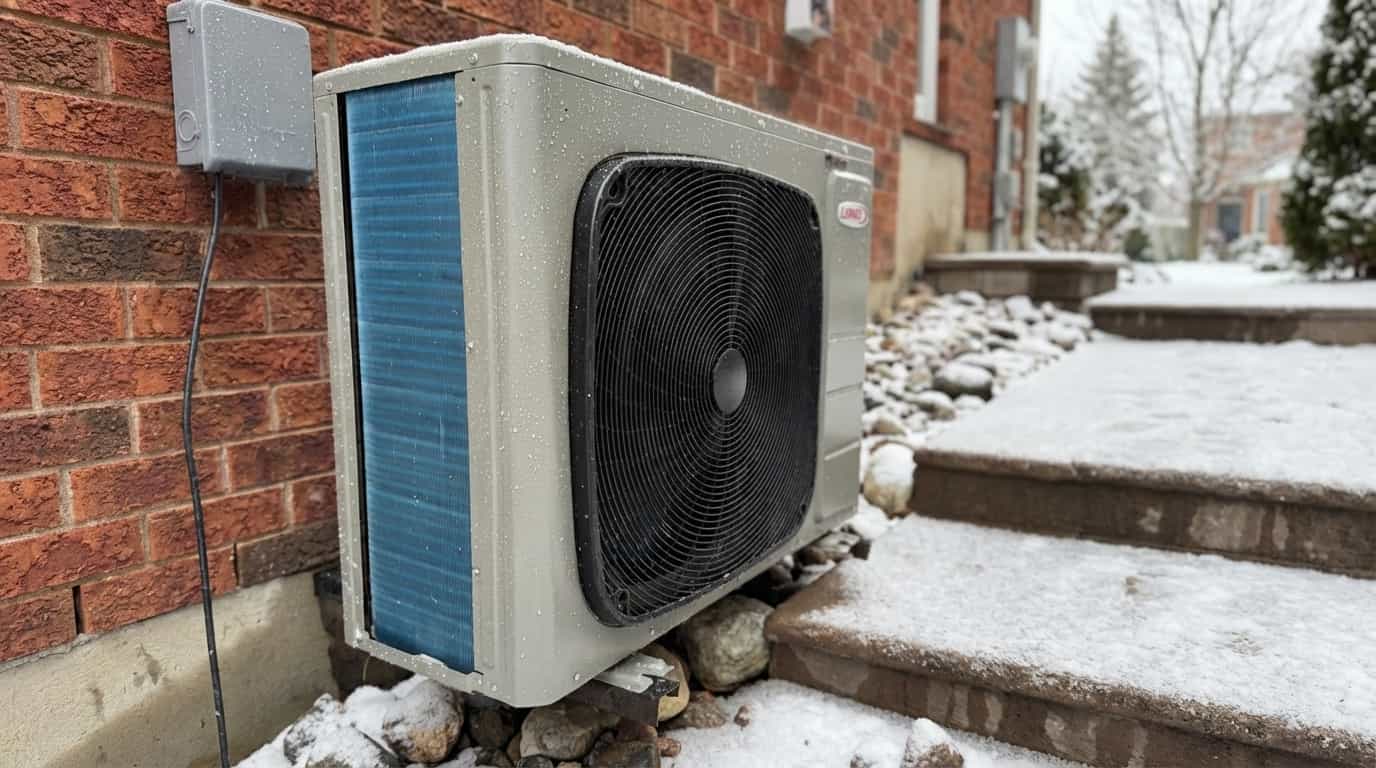
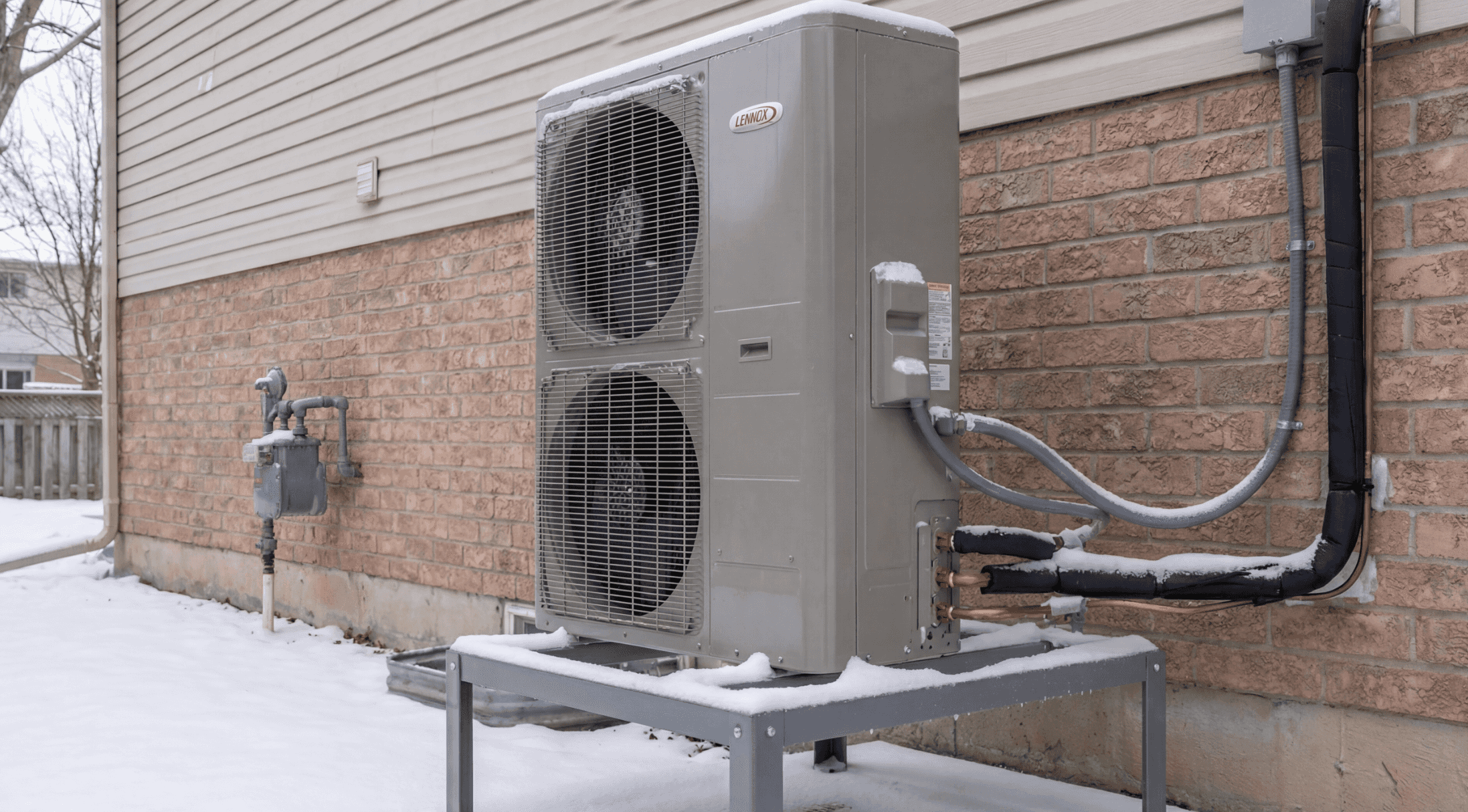
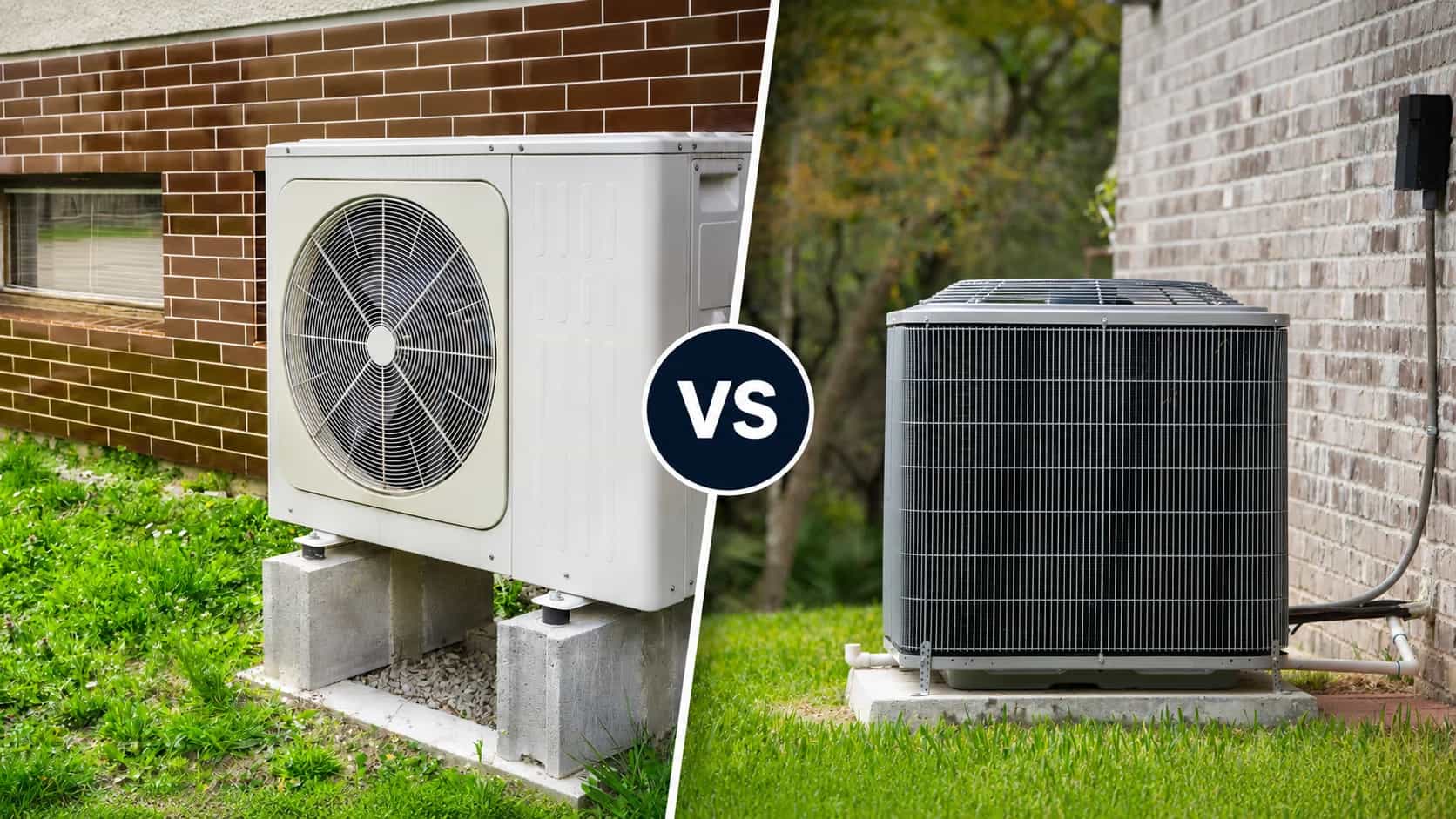
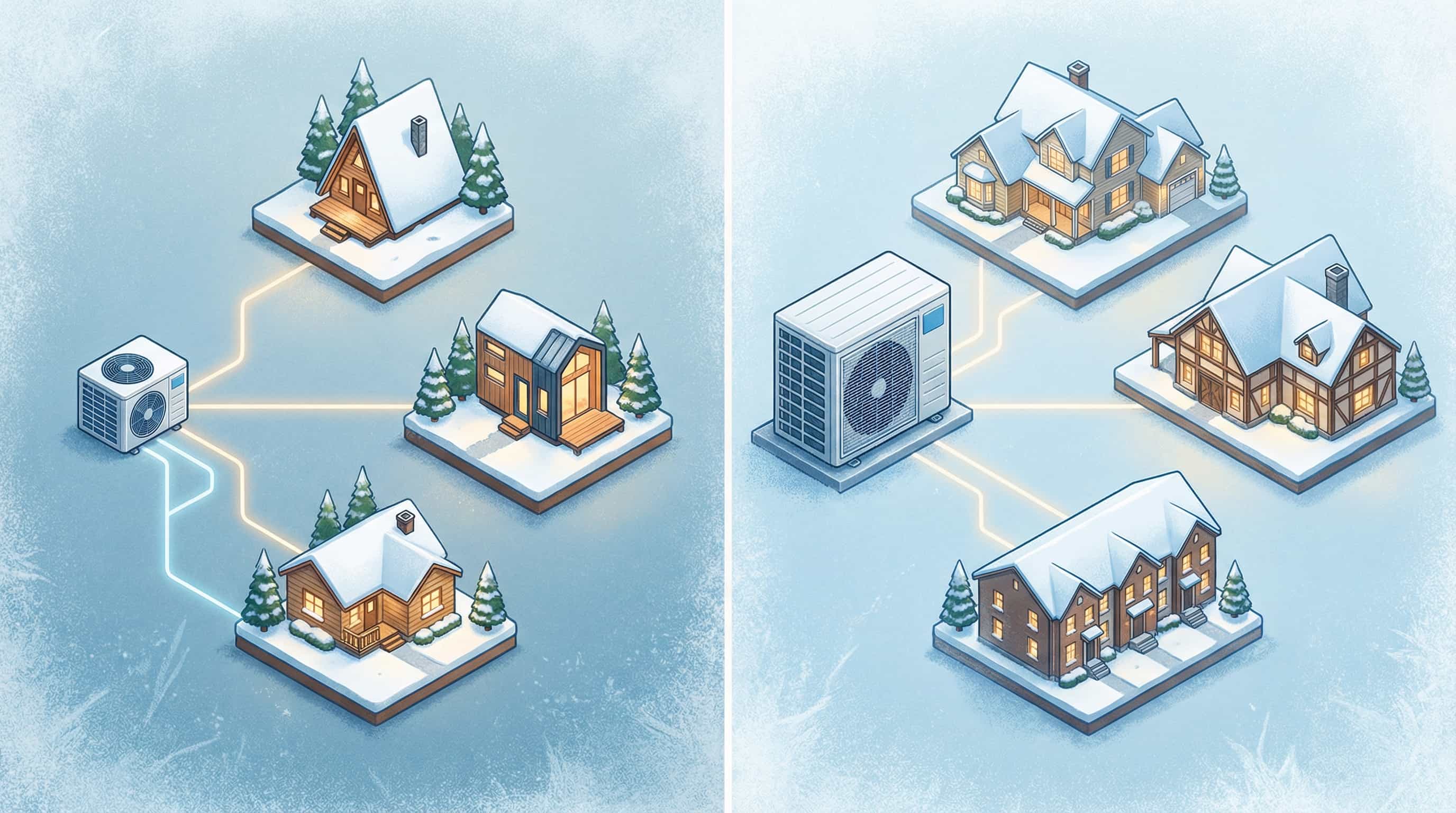
A heat pump is one of the few home systems that runs in every season—heating through deep cold, cooling through humid heat, and cycling through wet shoulder seasons. That’s great for comfort, but it also means small maintenance misses add up fast. The good news is that most “efficiency protection” doesn’t require special tools—just a consistent routine that keeps air moving and heat-exchanger surfaces clean.
If you remember one concept, make it this: airflow is the fuel your heat pump runs on. When airflow is restricted (filters loaded with dust, supply registers blocked by furniture, outdoor coils packed with leaves), your system has to work harder to move the same amount of heat. That can show up as higher bills, noisier operation, and uneven temperatures long before anything actually “breaks.”
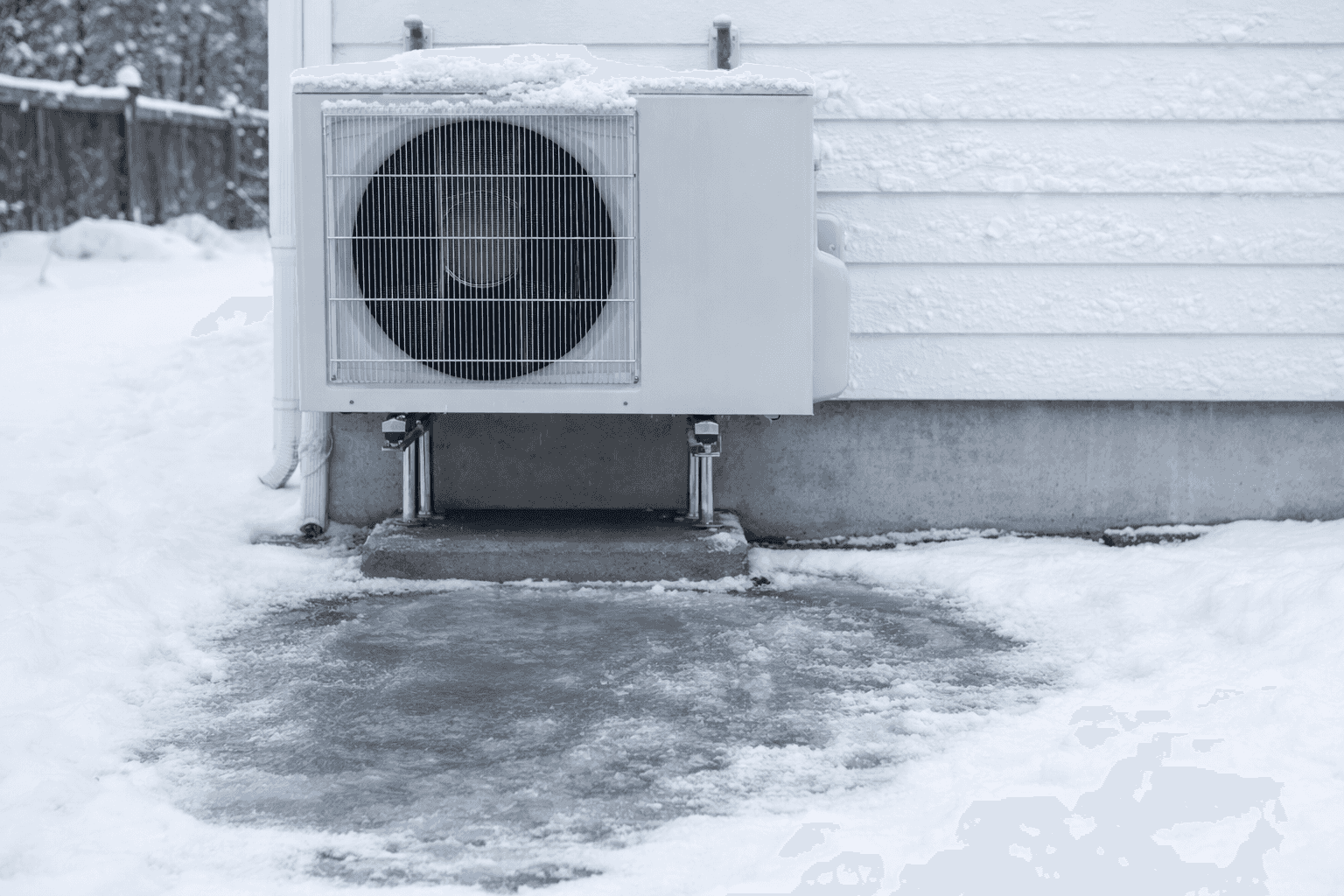
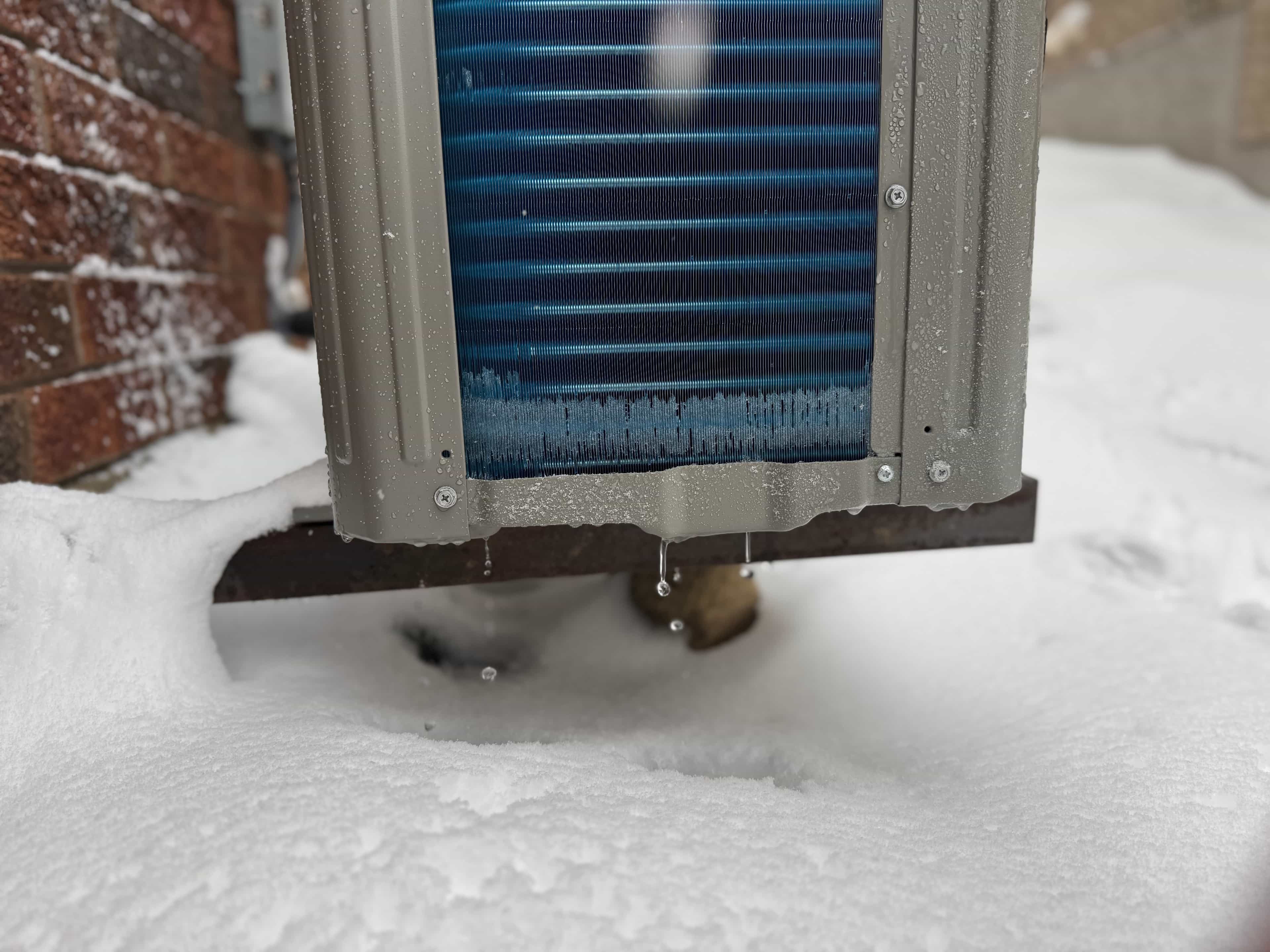
Canadian winters add a layer of urgency because your heat pump is doing heavy lifting exactly when it’s hardest to move heat. Cold-climate air-source heat pumps are designed to operate well below freezing—down to around −30°C in some federal program guidance—so long as airflow and defrost operation aren’t compromised, as noted in a Natural Resources Canada program update that reinforces why winter clearance and ice management matter.
This guide gives you a practical maintenance framework you can actually follow: what to do monthly, what to do at seasonal transitions, what to do after storms, and what to leave to a licensed professional. You’ll also get a short “efficiency indicators” checklist to catch problems early—before you’re troubleshooting on the coldest night of the year.