Signs Your Water Softener Needs Maintenance (And How to Fix Them)
A Practical Guide for Canadian Homeowners to Catch Problems Early
By
Published: March 12, 2026
Updated: March 21, 2026
Spotless sink and gleaming glassware reveal what happens when a softener keeps scale at bay. (Credit: Homeowner.ca)
Key Takeaways
•When classic hard water signs (spots, scale, flat soap lather, dry skin, low pressure) creep back in, your softener likely needs attention.
•A simple monthly routine—checking salt levels, watching for salt bridging, and scanning the brine tank—prevents most issues.
•You can safely handle basic checks and minor fixes yourself, but recurring problems or complex faults are a good reason to call a qualified Canadian water treatment pro.
Hard water is the norm, not the exception, in much of Canada, with AquaMaster's overview of Canadian hard water estimating that roughly 85% of homes in Canada and the United States experience some level of hardness and highlighting regions like Toronto and the Kitchener–Waterloo area as notably hard. That mineral-rich water is tough on plumbing, appliances, and anything that needs to stay spot-free and clean.
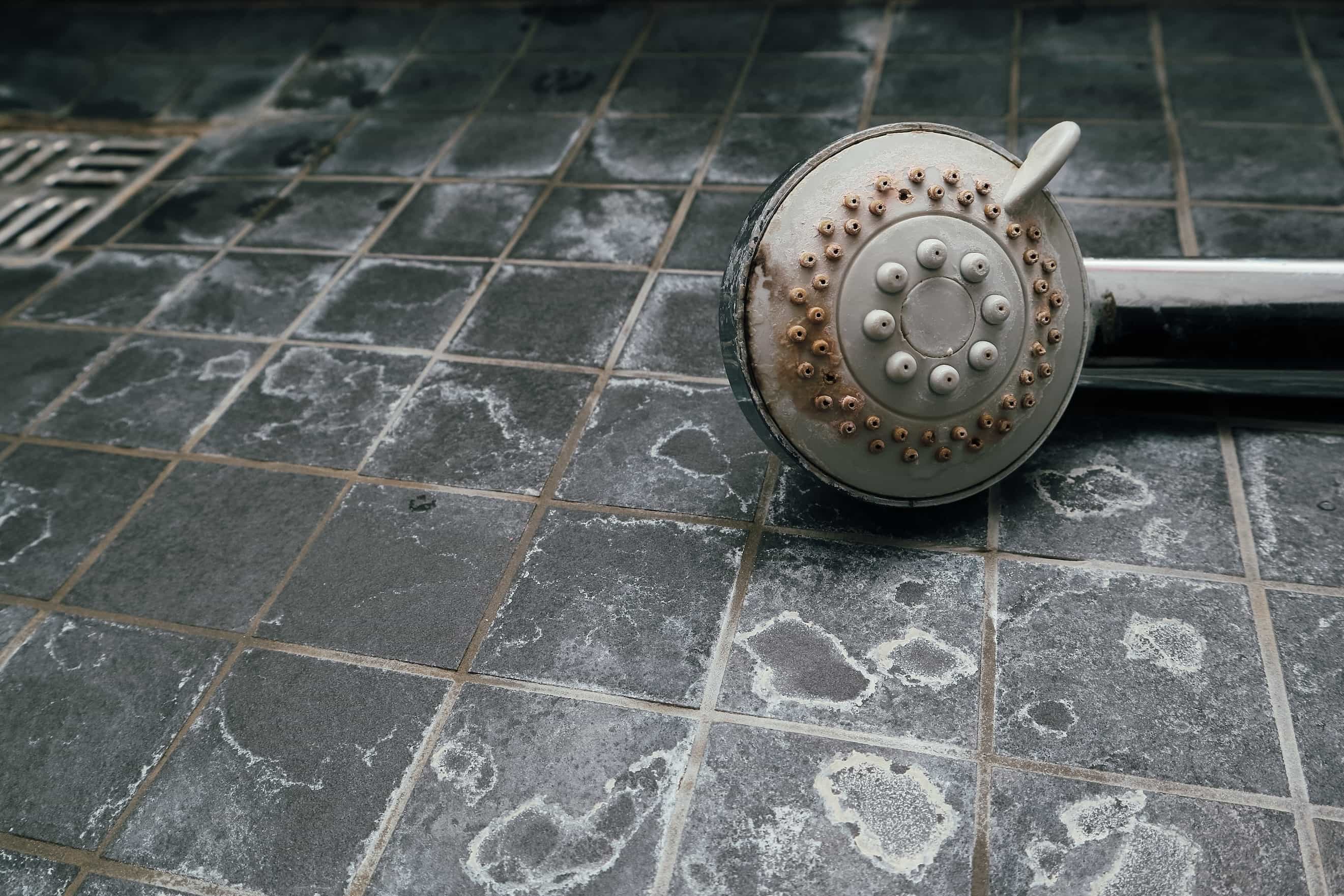
When your water softener is working properly, you tend to forget it is there. Soap lathers easily, glassware comes out clear, and you do not see chalky white scale building up on taps and shower heads—classic hard water signals identified by Crystal Quest's explanation of hard water signs that many homeowners first notice in kitchens and bathrooms. The moment those symptoms return after you have installed a softener, it is usually the system asking for maintenance.
This article is designed to help Canadian homeowners recognise those warning signs early, understand what they mean, and decide which fixes are safe to tackle on their own. We will walk through the everyday clues that your softener is struggling, the simple maintenance tasks that keep it healthy, and the situations where calling a professional is the safest and most cost‑effective move.
Throughout, the focus is on practical, non‑technical guidance you can apply in a house, condo, or cottage anywhere from coastal B.C. to Atlantic Canada—accounting for real‑world factors like damp basements, well water, and big seasonal temperature swings.
Common Signs Your Water Softener Needs Attention
Visual, Feel, and Performance Clues Around the House
The easiest way to tell that a water softener needs maintenance is to compare how your water behaves now with how it felt when the system was new or freshly serviced. If you are suddenly fighting the same issues your softener once solved, that is your first red flag.
What you see: visible hard water clues
Watch for visual changes in places that see a lot of water:
Cloudy or spotty glasses and dishes coming out of the dishwasher
White or chalky spots on stainless steel sinks, fixtures, or shower doors
More soap scum on tub and shower walls
Dull, greyed‑out laundry or mineral stains on fabrics
These are the same hard water symptoms you would expect without a softener at all. When they reappear after a period of clear, spot‑free results, it usually means hardness minerals are making it through the system again.
What you feel: soap behaviour, skin, and hair
Your body is a surprisingly sensitive “sensor” for soft water. Pay attention to changes such as:
Soap and shampoo taking more effort to lather
Needing more detergent or dish soap to get the same clean
Skin feeling drier or “squeaky” after a shower
Hair feeling rougher, harder to rinse, or more tangled
Performance changes like lower water pressure, flat soap lather, and more visible soap scum are listed as early warning signs in American Services of Kansas' guide to water softener problems because mineral buildup from inadequately softened water can gradually restrict flow and leave more residue behind. Together, these comfort changes are often easier to notice than anything happening inside the equipment.
What your home does: pressure, noise, and appliances
Finally, watch how your plumbing and appliances behave:
Water pressure that used to be strong suddenly feels weak at multiple taps
Kettles, coffee makers, and humidifiers scaling up faster than they used to
More frequent error codes or cleaning cycles on your dishwasher or washing machine
Low water pressure can have other causes (like partially closed valves or clogged aerators), but if it shows up alongside spots, scale, and soap issues, your softener is a prime suspect. The key is the pattern: one isolated symptom may not mean much, but several appearing together almost always points to maintenance being overdue.
Note
If only one faucet has low pressure or heavy scale, start by cleaning the aerator or showerhead. If the whole home is affected, the problem is more likely upstream—potentially at the softener or in the main plumbing.
Advertisement — Article Continues Below
Routine Water Softener Maintenance for Canadian Homes
Building a Simple Monthly and Seasonal Checklist
The good news: you do not need to be a plumber or water treatment specialist to keep a softener healthy. A short, repeatable checklist—especially one tailored to Canadian conditions—prevents most problems before they turn into repairs.
Monthly: check salt levels and usage
Your softener uses salt to regenerate the resin that removes hardness minerals. If it runs out of salt, it simply stops softening.
One brine tank maintenance guide from WaterTech recommends checking salt levels about once a month, keeping the tank at least one‑quarter full and maintaining the salt a few inches above the water line, with typical systems using around 40–50 pounds of salt per month depending on hardness and household usage. Treat those numbers as ballpark guidance and adjust based on your manufacturer’s instructions and local water hardness.
When you lift the brine tank lid:
Confirm there is salt visible and that it is not below the water level.
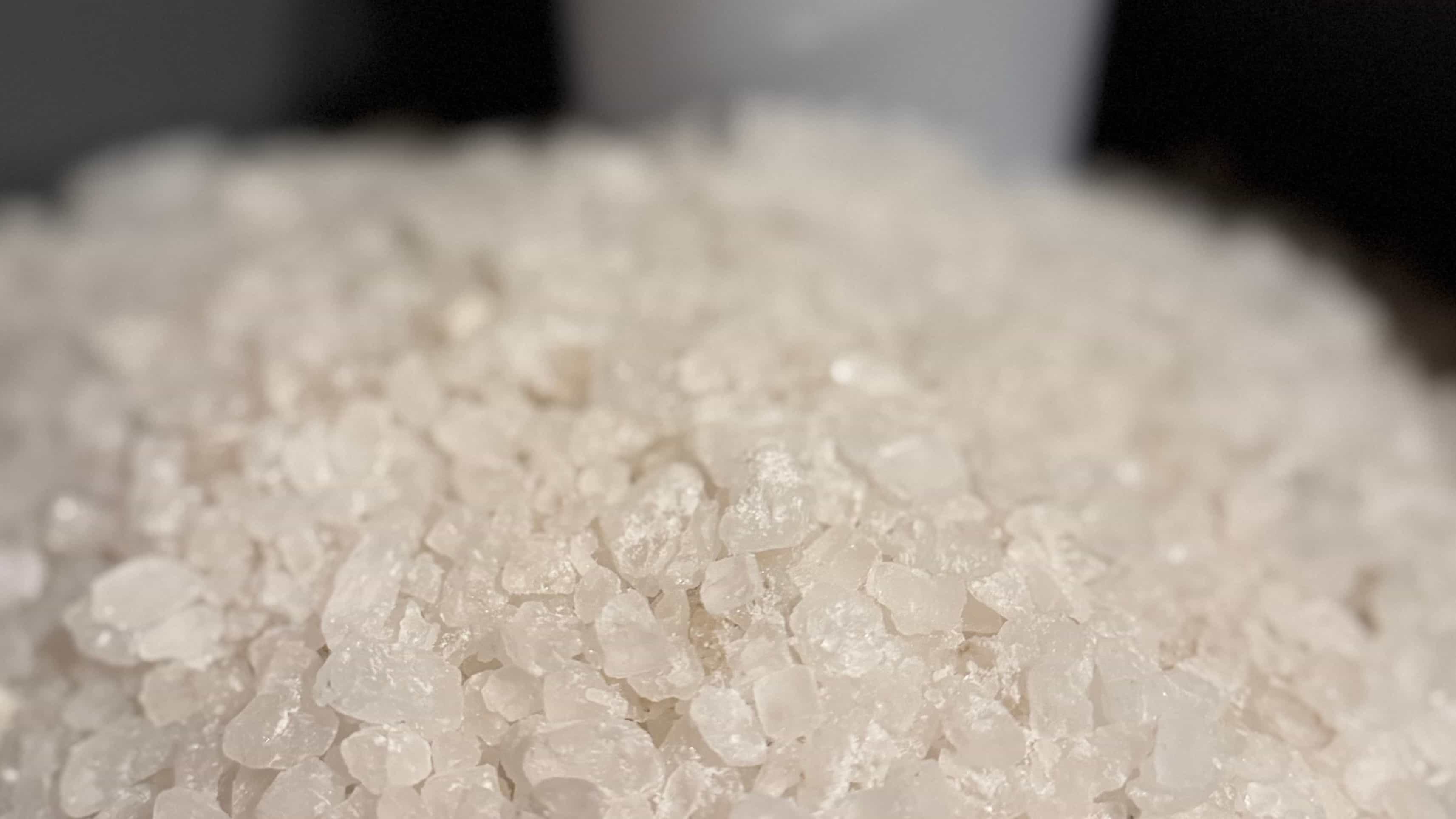
Look for a smooth “hill” of loose crystals rather than a solid crust.
Note whether the salt seems to be disappearing at a steady, predictable rate.
A tank that always looks full, or one that empties far faster than expected, both deserve a closer look in the troubleshooting section below.
Tip
A simple habit is to check your softener at the same time you pay your monthly utility bill. A 30‑second look at the brine tank often catches issues before you feel them in the shower.
Periodic: clean the brine tank
Over time, salt pellets can break down into fine mush, and impurities in the salt or incoming water can leave sludge in the bottom of the brine tank. That buildup can interfere with brine strength and the softener’s ability to regenerate.
Industry guidance from SoftPro's brine tank maintenance overview describes cleaning intervals ranging from roughly 6–12 months to 2–5 years depending on factors like local water quality, salt type, and how heavily the system is used, so manufacturers often recommend tailoring the schedule to your home. Very hard water, well water with a lot of sediment, or heavy family usage generally push you toward the more frequent end of that range.
Signs like a musty odour in the brine tank, visible sludge or sediment, or a noticeable jump in salt use without any change in water demand are flagged in SoftPro's guide to recognising when a brine tank needs cleaning as indications that you should clean the tank sooner rather than later. Cleaning typically involves shutting off the system, scooping out old salt and sludge, rinsing the tank, and refilling with fresh salt—always following your specific manufacturer’s steps.
Seasonal: account for Canadian climate
Canadian homes put softeners through some unique conditions:
Damp basements and crawlspaces can increase humidity around the brine tank, encouraging salt issues like bridging or clumping.
Cottages and seasonal properties may see long idle periods, during which salt hardens and tanks accumulate sludge.
Cold rooms or unheated spaces can expose pipes and tanks to freezing risks if not properly insulated or located.
Before winter, confirm the softener and brine lines are in a space that will not freeze and that any discharge lines slope correctly and are not blocked. In summer, especially in humid regions, a quick extra check for salt crusts or clumps is worthwhile.

Troubleshooting Common Problems (And When to Call a Pro)
Salt Bridges, Persistent Hard Water, and Service Schedules
Even with good maintenance habits, issues can still pop up. The goal is to sort problems into two buckets:
Things you can safely check and resolve yourself
Situations where calling a professional is the better investment
Quick checks you can usually handle
If you suspect your softener is not working:
Confirm the unit has power and the display is on.
Make sure the softener is not in “bypass” mode.
Check that the time and regeneration schedule look reasonable (for example, regenerating at night, not mid‑day).
Look inside the brine tank for obvious issues: no salt, heavy crusts, or murky water.
These basic checks rule out simple configuration issues before you assume a mechanical fault.
Salt bridges: when a “full” tank is not really full
One of the most common softener problems is a salt bridge—a hardened crust or shelf of salt in the brine tank. The tank looks full, but there is an empty gap between that crust and the water below, so almost no salt dissolves and the softener cannot regenerate properly.
A common culprit is a “salt bridge,” where a hard crust or shelf of salt forms inside the brine tank so the softener appears full of salt but the crystals never actually dissolve into the water, a problem explained by Clean Water Center's description of salt bridges which also outlines how you can gently probe the tank with a broom handle or similar blunt tool to feel for a hollow space underneath. If you feel a solid layer followed by a sudden “drop,” there is a good chance a bridge has formed.
Breaking up a salt bridge is generally straightforward if you are careful:
Use a broom handle or other blunt tool (never something sharp) to gently break the crust into chunks.
Scoop out large pieces and any mushy salt that will not dissolve properly.
Refill with fresh salt to the recommended level and manually start a regeneration cycle if your system allows it.
If bridges keep forming, look at environmental factors—high humidity, big temperature swings around the softener, or using salt not recommended by your manufacturer—as well as how often you top up the tank.
Important
Do not hit or stab the inside of the brine tank with sharp tools. The tank and internal components are plastic; if you crack or puncture them, you can create leaks or damage that require replacement, not just a simple clean‑up.
When it is time to call a professional
Some symptoms are strong indicators that you should bring in a qualified water treatment technician rather than continue to experiment:
Hard water symptoms persist even after you clear a salt bridge and run one or two regeneration cycles.
The brine tank regularly overfills with water or stays almost completely dry.
You notice resin beads in strainers or fixtures, pointing to internal softener media problems.
The control valve displays recurring error codes or will not complete a regeneration.
Many manufacturer and dealer recommendations, including SoftPro's guidance on optimal water softener maintenance intervals suggest a professional inspection roughly every 12–18 months, with more frequent service in very hard water areas. Treat that like an annual furnace tune‑up: a modest, predictable cost that protects a much more expensive system.
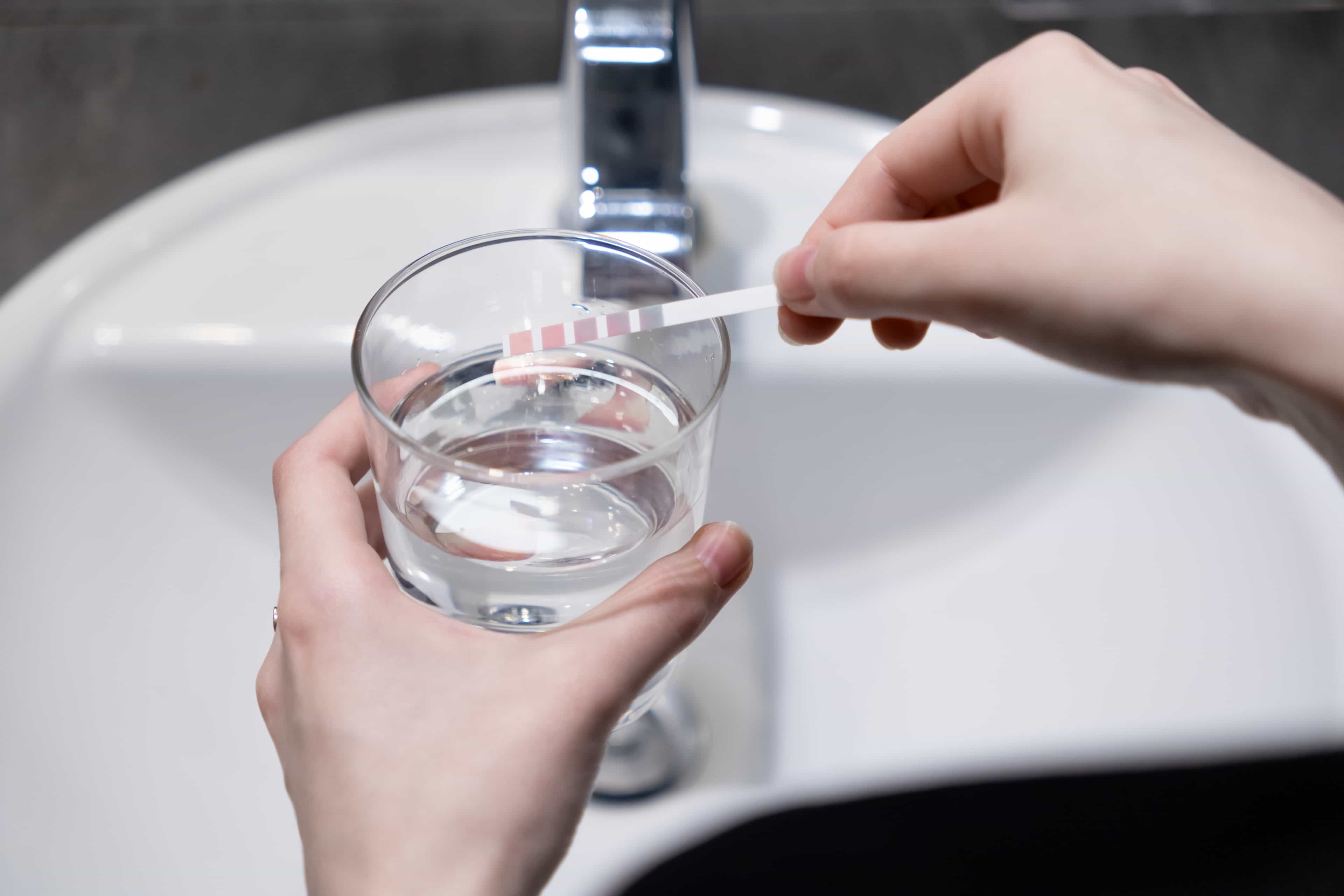
Water quality concerns like unusual odours, tastes, or staining may point to issues beyond hardness, such as hydrogen sulphide levels that are addressed in Canadian drinking water quality guidelines from Health Canada and are best evaluated through proper testing rather than adjustments to the softener alone. In those cases, a water treatment professional or local public health unit can help you interpret test results and choose the right mix of equipment (such as filters, oxidisers, or softeners).
When choosing a service provider in Canada, look for:
Solid experience with your specific softener brand or control valve
Clear explanations of what they are checking or replacing
References or reviews from other local homeowners
Transparency about costs for diagnostics, parts, and ongoing maintenance plans
A good technician should leave you with a working system and a simple plan you feel comfortable following between visits.
Advertisement — Article Continues Below
FAQ
The simplest clues are everyday ones: clear glassware, easy soap lather, minimal scale on fixtures, and normal water pressure throughout the home. If those benefits start to fade and you have not changed your products or habits, your softener may not be regenerating properly or may be out of salt.
Most homeowners find that checking once a month works well, topping up whenever the salt drops close to the water level or below roughly one‑quarter of the tank. Very hard water, large families, or high water use can increase how quickly you go through salt, so treat the first few months as a learning period and adjust.
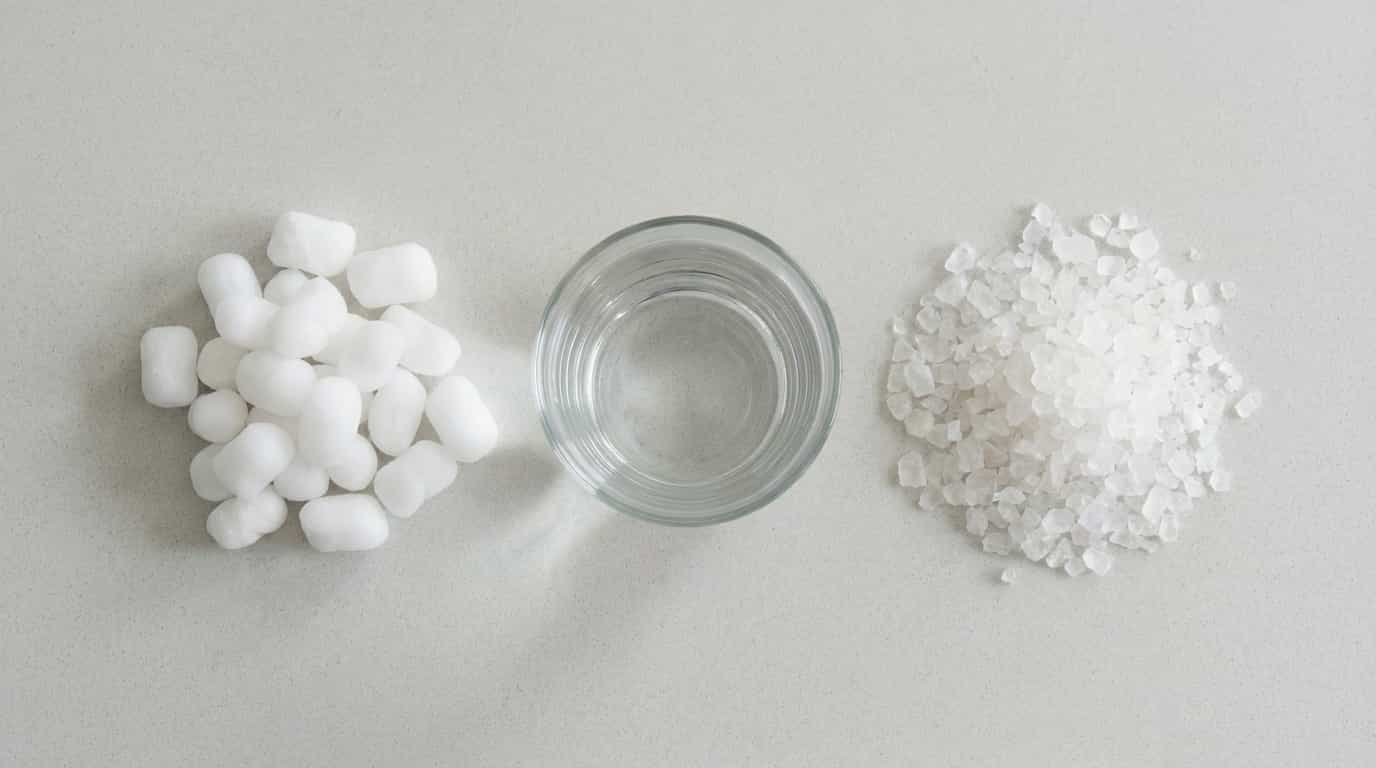
Follow your manufacturer’s recommendations first. In general, higher‑purity softener salt pellets create less sludge and bridging than inexpensive rock salt. If you are seeing frequent sludge or crusts in the tank, switching to a better‑quality salt can make maintenance easier.
A common rule of thumb is every year or two, but that range can stretch from 6–12 months up to several years depending on water quality, salt type, and usage. If you notice odours, visible residue, or unusual salt consumption, clean the tank sooner rather than waiting for a calendar reminder.
A salt bridge is a hard crust or “shelf” of salt that forms inside the brine tank. It is not dangerous in itself, but it tricks the softener into “seeing” a full tank even though almost no salt is contacting the water below. The result is hard water returning to your home. Gently breaking up the crust and removing the chunks usually restores normal operation.
If multiple fixtures are affected, mineral buildup from inadequately softened water can be one cause, especially if you are also seeing more spots and scale. Start with basic checks (salt level, bridges, regeneration schedule, bypass position). If pressure stays low, have a professional inspect both the softener and the plumbing.
For short trips, most homeowners leave the softener running normally. For longer absences, you might pause regeneration or put the unit in bypass according to the manual, especially if nobody will be using water. On return, a manual regeneration and quick check of the brine tank helps ensure everything is back to normal.
Municipal treatment focuses on safety and basic quality, not necessarily on removing hardness to “soft” levels. Many Canadian cities still deliver moderately to very hard water, so a softener is often added for comfort, reduced scale, and to protect appliances. If you are unsure, ask your municipality for hardness levels and decide based on how sensitive you are to spots, scale, and feel.