Choosing The Right Water Softener Salt: Cost, Efficiency, And Tank Health
How Canadian Homeowners Can Match Their Salt To Their Water, Budget, And System
By
Published: March 12, 2026
Updated: March 21, 2026
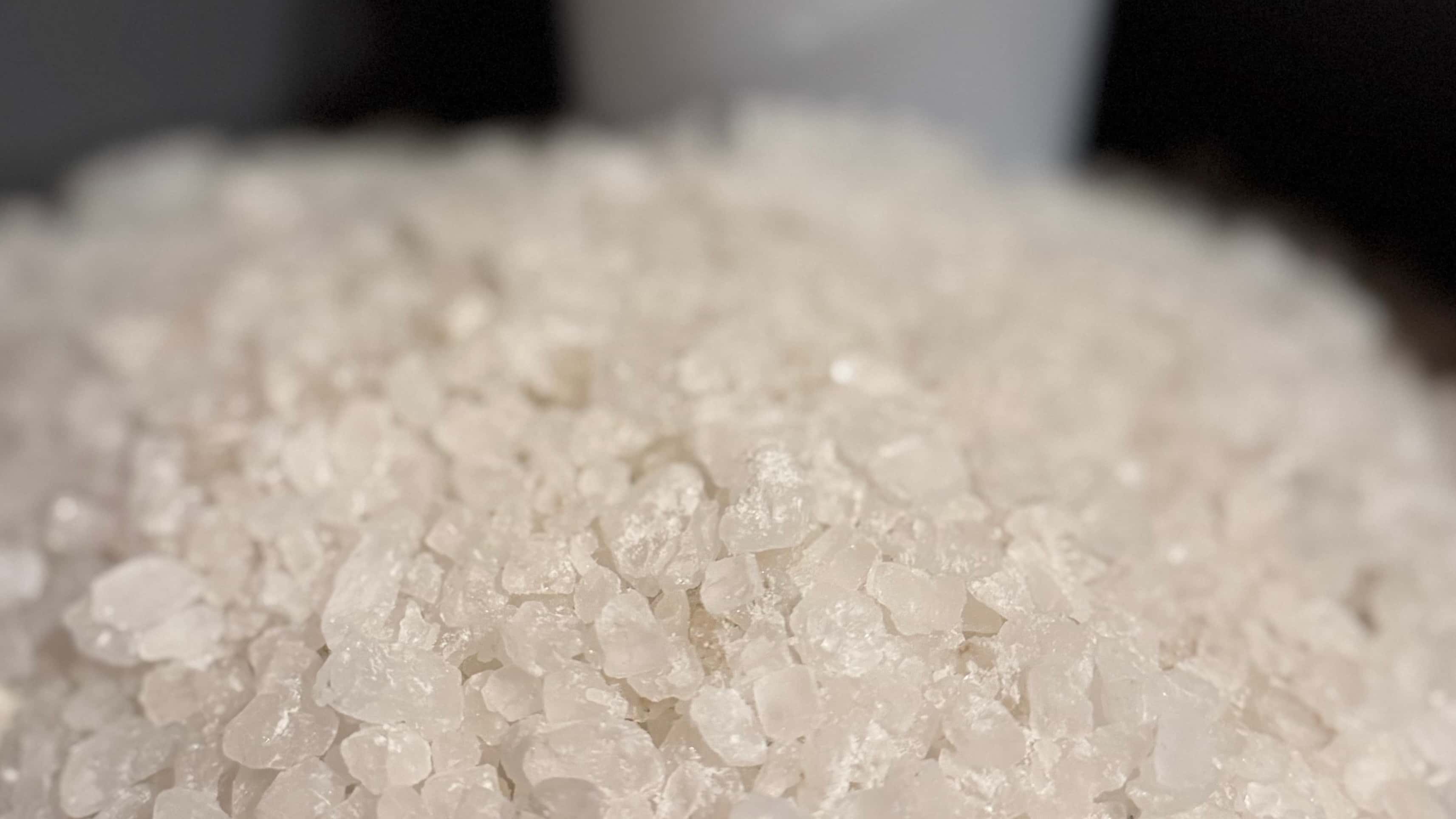
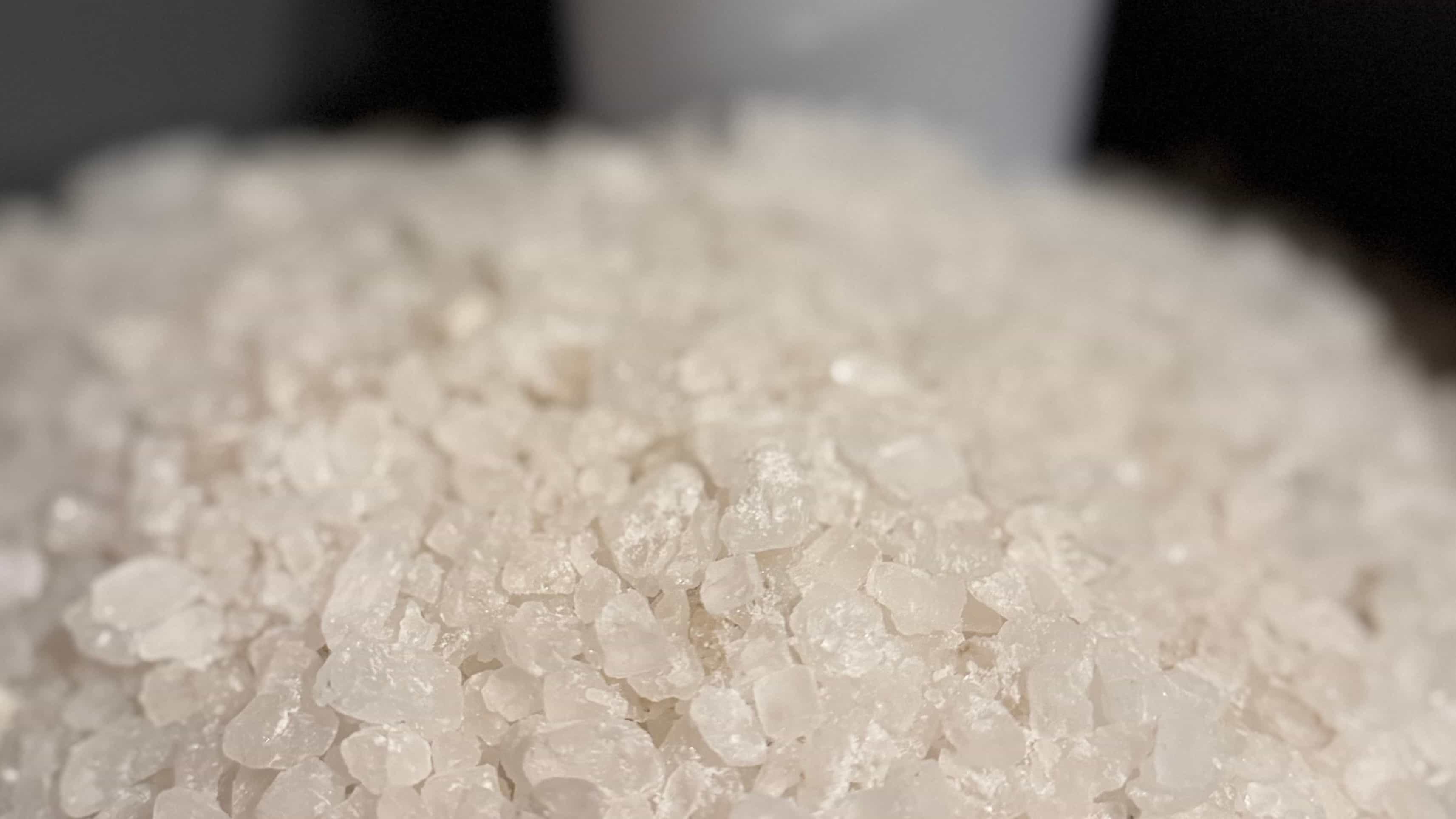
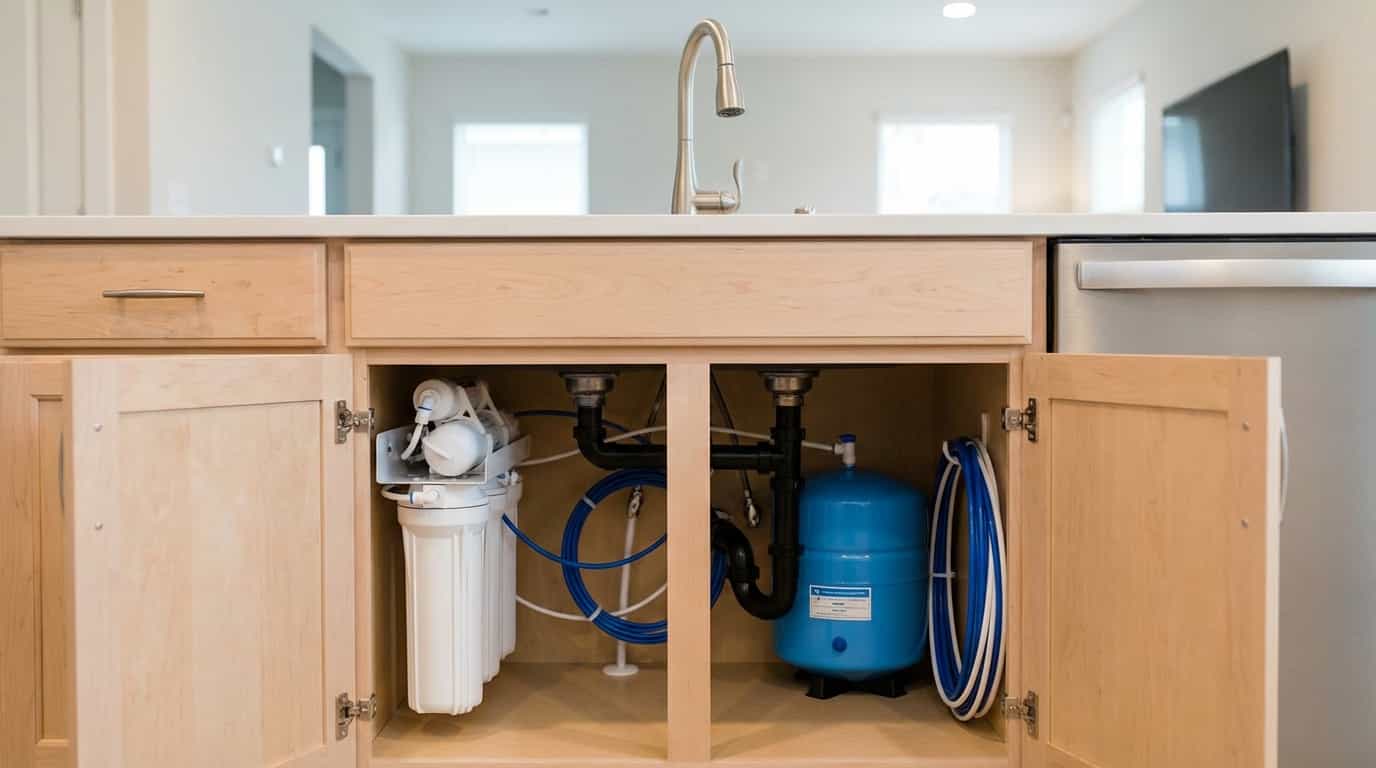
Brine tank and resin beads sit behind every salt choice, where sludge and chloride build over time. (Credit: Homeowner.ca)
Key Takeaways
•The cheapest bag of salt is rarely the cheapest choice once you factor in sludge, service calls, and shortened softener life.
•High‑purity evaporated salt or quality pellets usually deliver the best long‑term performance, especially in very hard‑water parts of Canada.
•Potassium chloride is a mainstream non‑sodium alternative, but it brings specific health and environmental considerations that Canadians should understand before using it for drinking water.
Hard water is a quiet problem in many Canadian homes. It shows up as chalky scale on fixtures, cloudy glassware, and appliances that seem to wear out faster than they should. A water softener solves most of that by swapping hardness minerals for sodium or potassium—but the specific salt you pour into the brine tank has a direct effect on how well the system works, how often it needs attention, and how long it lasts.
At the store, bags are usually labelled as rock salt, solar salt, evaporated salt, or potassium chloride, and it is easy to assume they are interchangeable. In reality, they differ in purity, price, and how much insoluble material they leave behind. Evaporated salt is typically around 99.9% pure sodium chloride according to Angi consumer testing, so it dissolves cleanly and leaves very little sludge in the tank.
Your salt choice also ties into the bigger story of chloride in Canadian waters. Chloride from road salt and other sources can stress freshwater ecosystems, and the federal government has gone as far as creating a Code of Practice for managing road salts through Environment and Climate Change Canada programmes. A single household softener is a tiny contributor compared with winter road maintenance, but it still makes sense to avoid wasting salt and to run your system efficiently.
This guide is designed for Canadian homeowners who want a clear, practical way to choose between rock, solar, evaporated, and potassium chloride salts. We will translate purity numbers, environmental context, and health guidance into a straightforward decision framework you can actually use when you are standing in the aisle wondering which bag to grab.
Understanding Water Softener Salt In Canadian Homes
What The Salt Actually Does
Most residential softeners in Canada are ion‑exchange systems. Inside the tall mineral tank, resin beads hold sodium or potassium ions. As hard water passes through, calcium and magnesium stick to the resin, and sodium or potassium moves into the water instead. Over time, the resin fills up with hardness minerals and loses effectiveness.
The salt in your brine tank has a single job: regenerate the resin. During regeneration, the softener draws a concentrated salt solution (brine) from the tank, flushes it through the resin bed, and sends the spent brine with hardness minerals down the drain. If the salt dissolves cleanly, the resin sees a consistent brine concentration and the cycle works smoothly. If the salt leaves a lot of insoluble material, you get sludge, clogs, and incomplete regeneration.
Sodium Chloride vs Potassium Chloride
Most softeners in Canada use sodium chloride (NaCl) in one of three forms—rock, solar, or evaporated pellets. They all deliver sodium ions to the resin, and from the softener’s point of view they behave similarly once dissolved.
Potassium chloride (KCl) can be used instead of sodium chloride in many ion‑exchange softeners, and it is specifically recognised as a highly soluble regenerant in technical guidance from Health Canada documents. In practice, that means potassium chloride pellets dissolve readily to create brine, and most modern softeners have programming options to adjust for the slightly different performance so that softening remains effective.
From a homeowner’s perspective, the key difference is not how the softener works—it is what the salt leaves behind in the tank, what it adds to your water, and how it affects your costs and environmental footprint over time.
Tip
When you look at a bag, focus on form (crystals vs pellets), purity, and intended use as much as the brand name. Those three clues tell you more about performance and maintenance than the marketing on the front.

Advertisement — Article Continues Below
Comparing Water Softener Salt Types: Cost, Purity, And Efficiency
Rock, Solar, Evaporated, And Potassium Chloride At A Glance
Before we dig into trade‑offs, it helps to have a snapshot of how the four common salt types line up.
Salt Type
Main Chemical
Typical Purity (Approx.)
Relative Bag Cost
Residue / Sludge Tendency
Typical Canadian Use Case
Rock salt
NaCl
~95%
Lowest
High
Budget‑driven, seasonal, or low‑duty systems
Solar salt
NaCl
~99%
Low–medium
Moderate
Everyday municipal homes with moderate hardness
Evaporated salt
NaCl
~99.9%
Highest (NaCl)
Very low
Very hard water, high usage, “set‑and‑forget” use
Potassium chloride
KCl
~99–99.9%
High
Low
Sodium‑sensitive households, certain local bylaws
Rock salt is mined from underground deposits and tends to contain the highest level of insoluble impurities among common softener salts according to testing shared by SoftPro Water Softeners resources, which is why it leaves more sludge.
Solar salt is produced by evaporating seawater in open ponds and is usually purer than rock salt but less refined than evaporated salt according to guidance from Clear Water Concepts installers, which helps explain its middle‑of‑the‑road price and maintenance profile.
Consumer comparisons typically report evaporated salt at about 99.9% purity, solar salt near 99%, rock salt around 95%, and potassium chloride pellets between roughly 99% and 99.9% purity according to data compiled by Angi reviewers, and those relative purity differences are what drive most of the performance and tank‑health trade‑offs.
Cost vs Maintenance vs Performance
Thinking in terms of systems, your real cost is not just dollars per bag—it is bags per year plus what that salt does to your softener and downstream plumbing.
Salt Type
Upfront Bag Cost
Maintenance Demand
Softening Consistency
Long‑Term Cost Risk
Rock salt
Lowest
High (sludge, clogs likely)
Can be inconsistent over time
Higher risk of service calls and repairs
Solar salt
Low–medium
Moderate (occasional cleaning)
Generally consistent
Balanced if system is accessible
Evaporated salt
High
Low (very little residue)
Very consistent
Often lowest over life in hard‑water areas
Potassium chloride
High
Low–moderate (clean, but tuning)
Consistent if programmed properly
Higher chemical cost; special health rules
A rock‑salt‑heavy approach can look cheap for the first few months, but once you factor in sludge removal, potential injector cleaning, and even resin fouling, total cost often climbs. At the other end, evaporated pellets cost more per bag but usually cut maintenance and keep resin working efficiently, which matters a lot in very hard‑water parts of Canada.
Potassium chloride is an outlier: its purity and performance are strong, but the higher chemical cost and specific health guidance around potassium‑softened drinking water mean it is often chosen for targeted reasons rather than pure economics.
When Each Salt Type Makes Sense
Here is a practical, Canadian‑context view of where each salt type tends to fit:
Rock salt
Works best where budgets are tight, softeners are easy to access, and you are comfortable doing full tank cleanouts.
A reasonable choice for cottages or seasonal properties if you treat sludge removal as part of your opening or closing routine.
Solar salt
Good everyday option for municipal water with moderate hardness.
Suits homeowners who want a balance between bag price and maintenance, especially when the brine tank is easy to reach.
Evaporated salt
Ideal for very hard water and high‑usage homes that regenerate frequently.
Well suited to tight mechanical rooms or shared mechanical spaces where access for cleaning is limited.
Potassium chloride
Best used where sodium in softened water is a concern or where local discharge rules push you toward non‑sodium options.
Often paired with a bypass or separate drinking water line because of specific guidance around potassium intake for some health conditions.
Note
A useful mental model is: “pay the bag or pay the plumber.” Lower‑purity salts shift cost toward labour, cleaning time, and potential repairs. Higher‑purity salts move cost toward the product, with fewer surprises later.
Tank Health, Maintenance, And Environmental Impact
How Salt Choice Affects Your Brine Tank
The brine tank is where salt quality really shows up day‑to‑day. Every regeneration cycle pulls brine from that tank, so anything that does not dissolve ends up as sediment or sludge.
Because rock salt carries more non‑dissolving mineral content, it tends to leave more residue in the brine tank and can require more frequent cleaning compared with higher‑purity salts according to troubleshooting notes from SoftPro Water Softeners service guidance. Over time, that residue can pack around the air check, plug injectors, and contribute to stuck floats.
Higher‑purity solar and evaporated pellets produce much less sludge. With evaporated salt, homeowners often find only a thin layer of fines at the bottom of the tank even after years of use in a well‑tuned system, and that cleaner environment helps the brine draw remain consistent. Potassium chloride pellets behave similarly to high‑purity sodium pellets inside the tank as long as the softener is programmed correctly.
Bridging and “mushing” problems—where salt forms a hard crust or dense slurry—are also less common with consistent pellet size and high purity, because there are fewer fine particles to compact and re‑crystallise. When they do occur, simple mechanical checks (tapping the salt surface, breaking up crusts, letting the level drop before refilling) usually resolve them.
Canadian Conditions That Make Purity Matter More
Several common Canadian scenarios amplify the importance of purity:
Very hard water (many Prairie and Ontario communities): When your softener regenerates often, repeated cycles through dirty brine compound sludge and clogging issues. High‑purity pellets reduce that compounding effect.
Cold basements and garages: Cold water dissolves salt more slowly, so any extra fines and insolubles from low‑purity salts are more likely to linger and accumulate.
Iron‑rich well water: If iron or sediment enters the brine tank, it can bind with impurities from rock salt to create dense sludge that is harder to remove.
In these conditions, a higher‑purity salt often pays for itself simply by avoiding one or two emergency service calls.
Important
If you have already had a technician out to clear a plugged injector or brine line, treat that as a signal to revisit your salt choice. Moving from rock or low‑grade crystals to high‑purity pellets is usually the simplest, most reliable fix.
Environmental Context: Chloride Beyond Your Property Line
Every regeneration sends chloride ions—whether from sodium chloride or potassium chloride—into your septic system or municipal sewer. Compared with road salt, a single softener is small, but it still taps into the same environmental story.
Government assessments of chloride salts used on Canadian roads concluded that large releases could adversely affect freshwater ecosystems, soils, and vegetation, which led to a federal Code of Practice for road salts administered by Environment and Climate Change Canada programmes. Those assessments also emphasise that chloride is the main concern and that salt use must be managed more efficiently rather than eliminated entirely, a principle that is summarised in road‑salt guidance aimed at the public by Environment and Climate Change Canada resources.
Follow‑up review work on the Code reports that elevated chloride concentrations in Canadian surface waters can harm freshwater organisms, with chronic‑effect thresholds in the range of roughly 120–210 mg chloride per litre depending on species and exposure duration according to a five‑year progress review by Environment and Climate Change Canada evaluations. Again, your softener is not the main driver of those numbers, but efficiencies in chloride use at every scale add up over time.
The takeaway for homeowners is simple:
Choose salt types and settings that avoid unnecessary regenerations.
Opt for higher‑purity salts that dissolve fully rather than leaving undissolved waste in the tank.
Avoid softening water that does not need to be softened (such as hose bibs or some exterior taps).
Health Considerations With Potassium Chloride
Potassium chloride changes the health picture compared with sodium chloride. Instead of adding sodium to softened water, it adds potassium.
Health assessments estimate that a 70‑kilogram adult in Canada typically consumes about 3.1 grams of potassium per day from all sources, below the adequate intake level of 4.7 grams, and they note that potassium‑based softeners can significantly increase exposure according to supporting information from Health Canada documents. For most healthy people, that additional potassium is manageable, especially if they are not drinking exclusively softened water.
However, for people with kidney disease, certain heart conditions, diabetes, or those taking medications that affect potassium handling, even modest increases in potassium intake can be problematic. Health‑care providers sometimes advise these individuals to avoid potassium‑softened drinking water altogether, which is why many potassium‑chloride setups in Canada use a bypass line or separate raw‑water tap for drinking and cooking.
Warning
If anyone in your home has kidney or heart issues, diabetes, or is on medications that affect potassium, treat potassium chloride as a medical decision, not just a plumbing choice. Talk to a health‑care professional and plan your plumbing (bypass or separate tap) around that advice.
Advertisement — Article Continues Below
Step‑By‑Step Framework For Choosing Your Salt
Step 1 – Clarify Your Priorities
Before you think about brands, get clear on what matters most in your situation. Common combinations for Canadian households include:
Lowest short‑term cost: You want to minimise this month’s expenses and are willing to trade some maintenance time.
Low maintenance, high reliability: You prefer to “set it and forget it,” even if bags cost a bit more.
Health‑driven choices: Sodium or potassium intake matters because of specific health guidance.
Environmental emphasis: You want to minimise unnecessary chloride use, particularly if you are on septic or near sensitive water bodies.
Write your priorities down in order. The right salt for a busy Toronto family with very hard municipal water and tight mechanical space will not be the same as for a lightly used cottage softener in Muskoka.
Step 2 – Understand Your Water And Equipment
Next, gather a few key facts:
Water hardness:
Check your municipal water report or use a home test kit.
Very hard water typically benefits most from high‑purity salts that support full regeneration.
Source type:
Municipal vs private well.
If on a well, note iron, manganese, or sediment levels.
Softener details:
Age and model.
Whether it has programming options for potassium chloride if you are considering KCl.
Plumbing layout:
Does the kitchen cold tap bypass the softener?
Are exterior hose bibs on softened or unsoftened water?
Is the brine tank easy to access for cleaning?
These details determine how sensitive your system is to sludge, how often it will regenerate, and whether sodium or potassium in drinking water is even a factor.
Step 3 – Map Your Situation To Salt Choices
Use the matrix below as a starting point. It is deliberately simplified so you can quickly see where you likely fall.
Your Situation (Example)
Priorities
Salt Types To Favour
Rationale
City home with very hard municipal water, tight mechanical room
Reliability, low maintenance
Evaporated pellets (NaCl)
High purity minimises sludge and keeps resin regenerating consistently.
Rural Prairies home on iron‑rich well, septic system
Clean tank, septic awareness
Evaporated pellets or high‑grade NaCl pellets
Less insoluble material reduces sludge mixing with iron and septic load.
Suburban home with moderate hardness, easy tank access
Balanced cost and effort
Solar salt pellets
Mid‑purity salt keeps maintenance reasonable at lower bag cost.
Seasonal cottage used a few weekends a month
Lowest product cost, seasonal cleaning
Solar salt; cautious use of rock salt
Lower duty cycle can tolerate more sludge if annual cleanout is planned.
Household with sodium‑restricted diet, kitchen tap on softened water
Health‑driven sodium reduction
Potassium chloride plus a raw‑water drinking tap
KCl reduces sodium, while a bypass tap manages potassium intake risk.
Condo with shared mechanical room and limited access to the softener
Access is difficult, avoid service calls
Evaporated pellets
Clean brine tank reduces need for service visits.
If you fall between rows, lean toward higher purity when in doubt—especially where the softener is hard to service or where water is very hard.
Step 4 – Decide How You Want To Use Softened Water
Finally, decide where softened water is truly needed:
Whole house including kitchen cold tap:
Softened drinking water means sodium or potassium intake matters more, so consider bypasses, reverse osmosis, or potassium chloride plus a raw‑water tap depending on health advice.
Whole house except key taps (e.g., kitchen cold, fridge line):
This common configuration lets you focus salt choice on system health and cost rather than dietary intake.
Partial softening (bathrooms and laundry only):
You may be able to run lower hardness settings or fewer regenerations, which reduces salt use regardless of type.
Tip
A simple and often low‑cost upgrade is to add or confirm a kitchen cold‑water bypass so you have unsoftened water for drinking and cooking while still protecting fixtures and appliances with softened water elsewhere.
Using, Storing, And Maintaining Salt For Best Results
Smart Buying And Storage Habits
Even the best salt performs poorly if it absorbs moisture or is mishandled. A few habits make a big difference:
Store bags off the floor, ideally on a pallet or shelf, to avoid wicking moisture from concrete.
Keep bags sealed until you need them; humidity can cause clumping and partial dissolution in open bags.
Avoid stockpiling large volumes in damp garages or sheds—buy in smaller batches if your storage is not perfectly dry.
Keeping salt dry and intact reduces the risk of bridging and mushing before it even reaches the tank.
Brine Tank Maintenance Rhythm
You can think of brine tank care like car maintenance: light, regular attention beats crisis repairs.
A practical rhythm for many Canadian homes is:
Quick visual check whenever you add salt.
Light tap with a broom handle on the salt surface every month or two to feel for hollow spots (bridges).
Partial check for sludge once a year by pushing some salt aside and looking at the bottom of the tank.
Full cleanout only when you see heavy sludge, repeated bridging, or unexplained hard water.
With high‑purity solar or evaporated pellets, some systems go several years between full cleanouts in normal conditions, especially if you keep the salt level in a moderate band instead of topping it up to the brim.
When To Consider Changing Salt Types
It may be time to revisit your salt choice if:
You are repeatedly dealing with salt bridges or softener faults despite correct settings.
A technician has already had to clear plugged injectors or brine lines.
Your household health situation changed (for example, someone developed kidney or heart issues).
You switched from municipal water to well water with iron or sediment.
In practice, stepping up from rock or low‑grade crystals to high‑purity pellets is often the lowest‑friction improvement you can make to a struggling softener.
Warning
When switching salt types, let the level run low, then fully clear any sludge or crust before refilling. Layering new pellets on top of old sludge hides problems and can make future failures harder to diagnose.
Advertisement — Article Continues Below
FAQ
High‑purity evaporated pellets are usually the most efficient choice for very hard water because they dissolve quickly, minimise insoluble residue, and support full resin regeneration in consumer testing by Angi reviewers, which helps systems stay consistent under heavy load.
Rock salt is cheap partly because it is minimally processed and carries more clay, sand, and other insoluble minerals than other salts, which testing by SoftPro Water Softeners resources shows can turn into sludge that clogs brine tanks and injectors. The low upfront price often gets offset by extra cleaning time and the risk of service calls.
Solar salt is often framed as more environmentally friendly than fully evaporated salt because it relies on solar evaporation of seawater rather than energy‑intensive heating according to installer notes from Clear Water Concepts resources, which reduces the embedded energy in the product even though both still contribute chloride to wastewater.
In Canada, road de‑icing is by far the larger chloride source, and household softeners are relatively minor contributors; this is why guidance on efficient salt use in winter maintenance, rather than elimination, is emphasised in public information on road salts from Environment and Climate Change Canada documents. Even so, running your softener efficiently keeps your own contribution as small as practical.
Federal reviews of chloride salts report chronic‑effect thresholds for freshwater organisms in the range of roughly 120–210 mg chloride per litre depending on exposure duration and species according to a five‑year progress review by Environment and Climate Change Canada scientists, which illustrates how modest increases in chloride can stress some aquatic ecosystems over time.
The Code of Practice for the environmental management of road salts was introduced after assessments showed that large releases of chloride salts could adversely affect freshwater ecosystems, soils, vegetation, and wildlife according to background material from Environment and Climate Change Canada regulators, and it aims to keep safety benefits while reducing unnecessary environmental harm.
Health assessments estimate that a 70‑kilogram adult in Canada takes in about 3.1 grams of potassium per day from all sources on average, which is below the adequate intake level of 4.7 grams, and they explain that potassium‑based water softeners can significantly increase that exposure when softened water is regularly consumed according to supporting information from Health Canada documents.
Potassium chloride is a highly soluble salt that can be used in place of sodium chloride as the regenerant in standard ion‑exchange softeners, and it is specifically highlighted as a common alternative regenerant in technical material from Health Canada guidance, which is why many modern softeners include settings tailored for KCl.
People with kidney disease, certain heart conditions, diabetes, or those on medications that affect potassium handling are often advised to avoid potassium‑softened drinking water because their bodies may not be able to manage the extra potassium safely. For these households, a raw‑water or separately treated drinking tap combined with potassium chloride for the rest of the home can sometimes balance health needs and softening performance, but this should be confirmed with a health‑care professional.
Switching to potassium chloride can change how your discharge interacts with soils and vegetation because potassium is a plant nutrient, but the chloride portion still contributes to overall chloride loading in waterways. From an environmental standpoint, the biggest gains come from reducing unnecessary regenerations and optimising softener efficiency rather than simply swapping one chloride salt for another.
Warning signs include recurring salt bridges, visible sludge at the bottom of the brine tank, unexplained hard water despite recent regeneration, and error codes related to brine draw. If you see these, stepping up to higher‑purity pellets and doing a thorough tank cleanout is usually the fastest fix.
Mixing similar salts—such as solar pellets with evaporated pellets—is usually fine, but mixing high‑purity pellets on top of a thick layer of rock‑salt sludge often just hides a problem instead of solving it. If you want to upgrade, it is better to let the level run low, clean out sludge, and then start fresh with the new salt.
There is no one answer, but a reasonable baseline for many Canadian homes is a quick inspection whenever you add salt, a light bridge check every month or two, and a full cleanout only when you see heavy sludge or repeated problems. With high‑purity pellets in a well‑set‑up system, that can mean several years between full cleanouts.
Appliance warranties usually care about whether water is kept within hardness ranges rather than the exact salt brand, but softener manufacturers may specify pellet types or discourage high‑impurity products. Following the softener’s manual and using the quality level it recommends is the safest way to avoid warranty disputes and performance issues.
At a cottage or cabin used a few weekends per year, solar salt often provides a good balance between price and tank cleanliness, as long as you plan to inspect and clean the brine tank as part of your opening or closing routine. Rock salt can work if you are disciplined about annual cleanouts, but it rarely makes sense where access is difficult or time is tight.
There are non‑salt conditioners on the market that reduce scaling in specific ways, but they do not all provide true softening, and they come with their own limitations. For many Canadian households, a conventional ion‑exchange softener, tuned for efficient operation with a thoughtful salt choice, remains the most reliable way to protect plumbing and appliances.