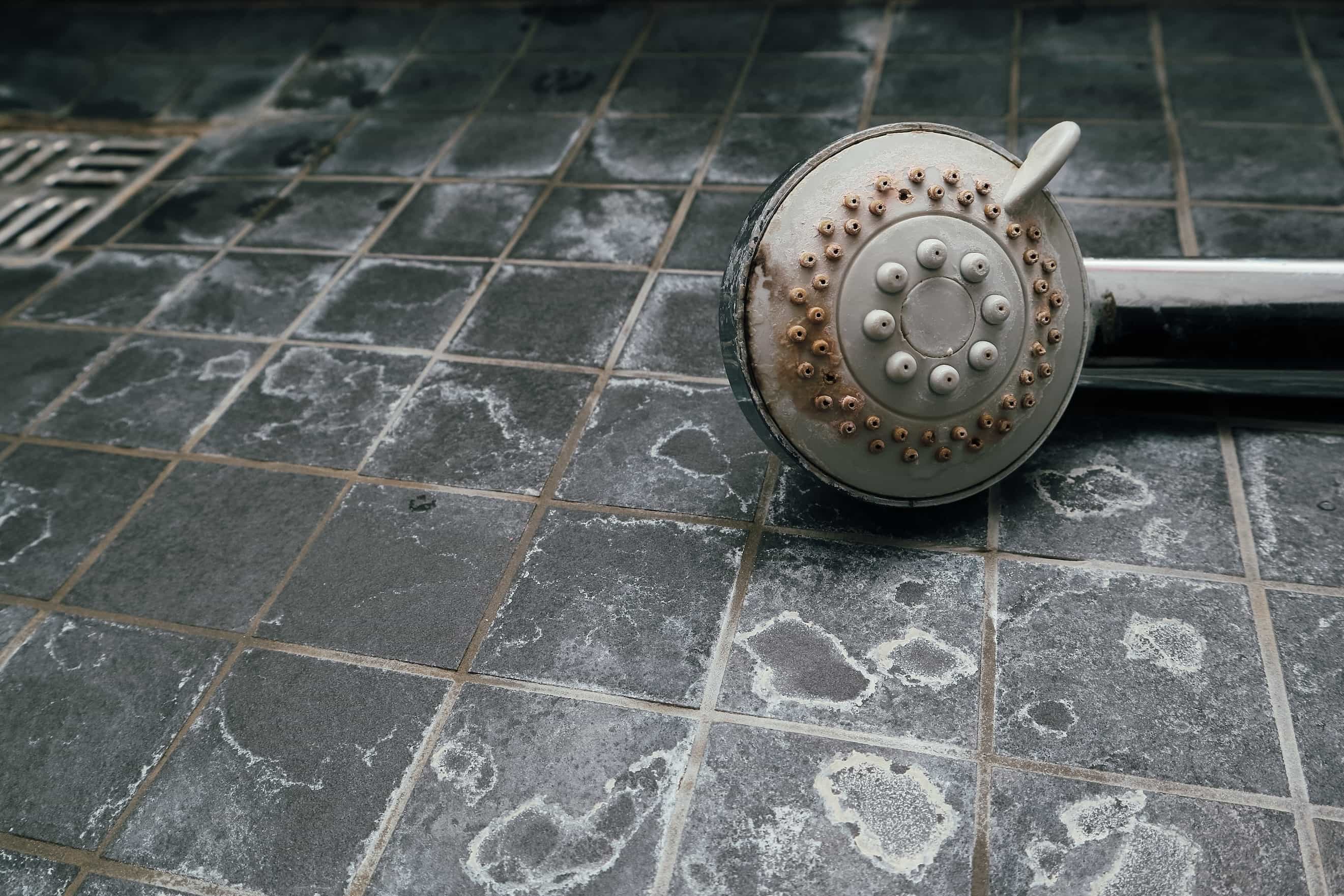
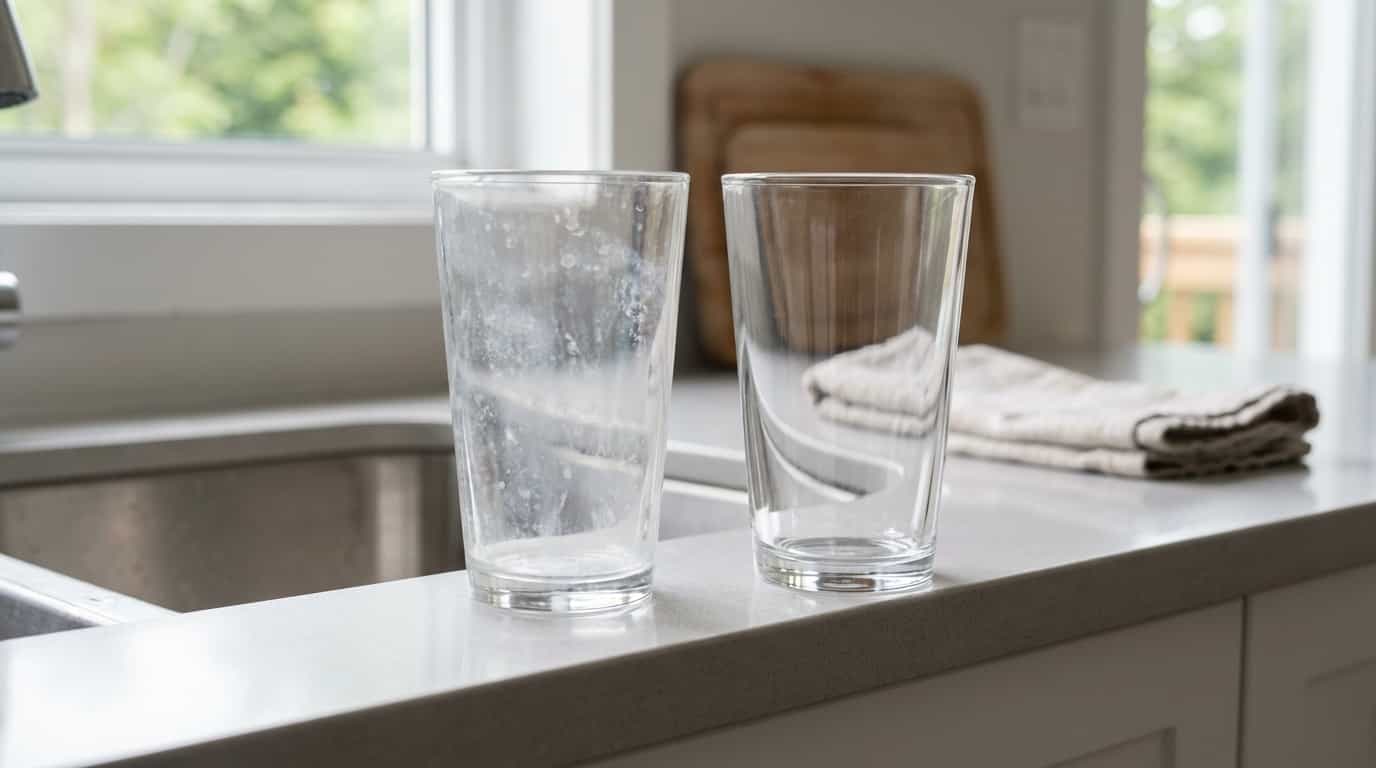
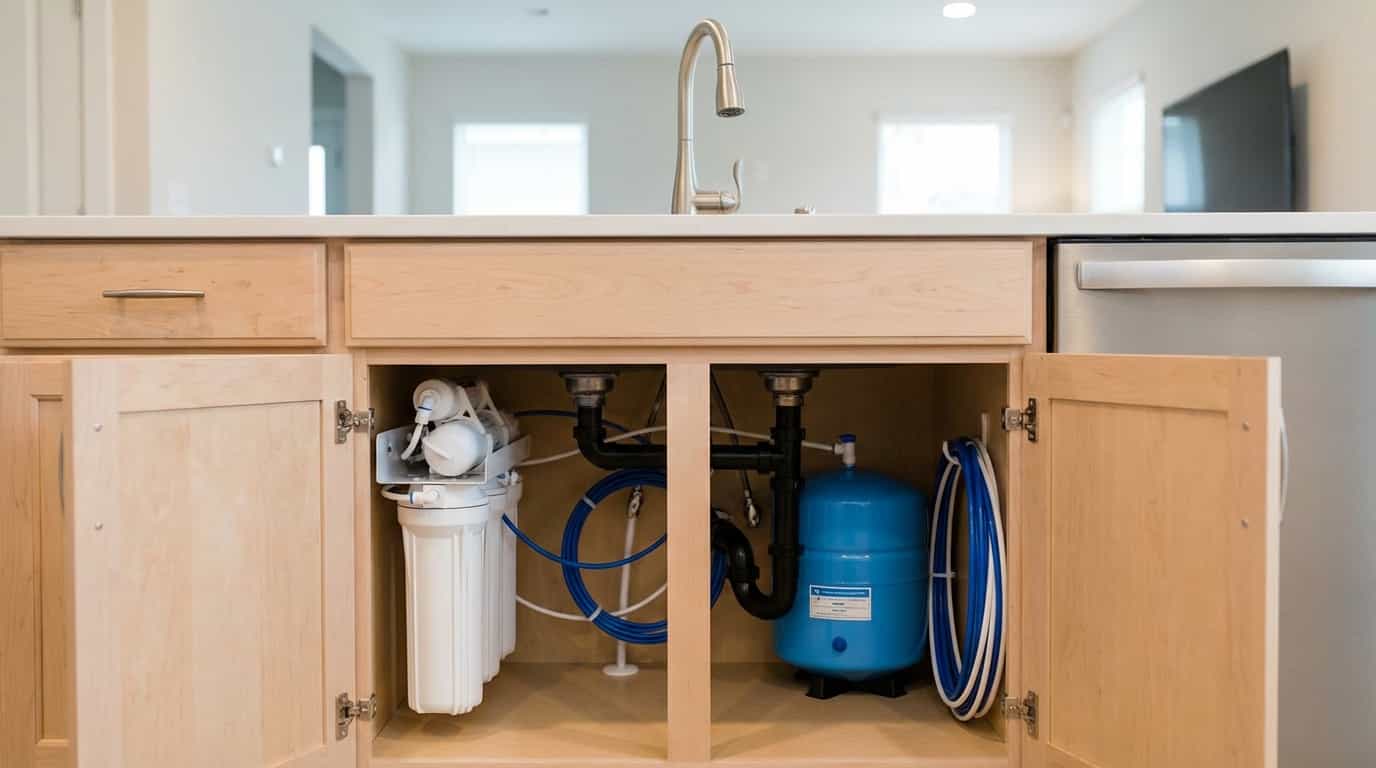
If you live with hard water in Canada, your softener is one of those appliances you mostly ignore—until the “add salt” light comes on. For many households, topping up the brine tank becomes a quick habit: grab a bag that says “water softener salt,” dump it in, and move on with your day.
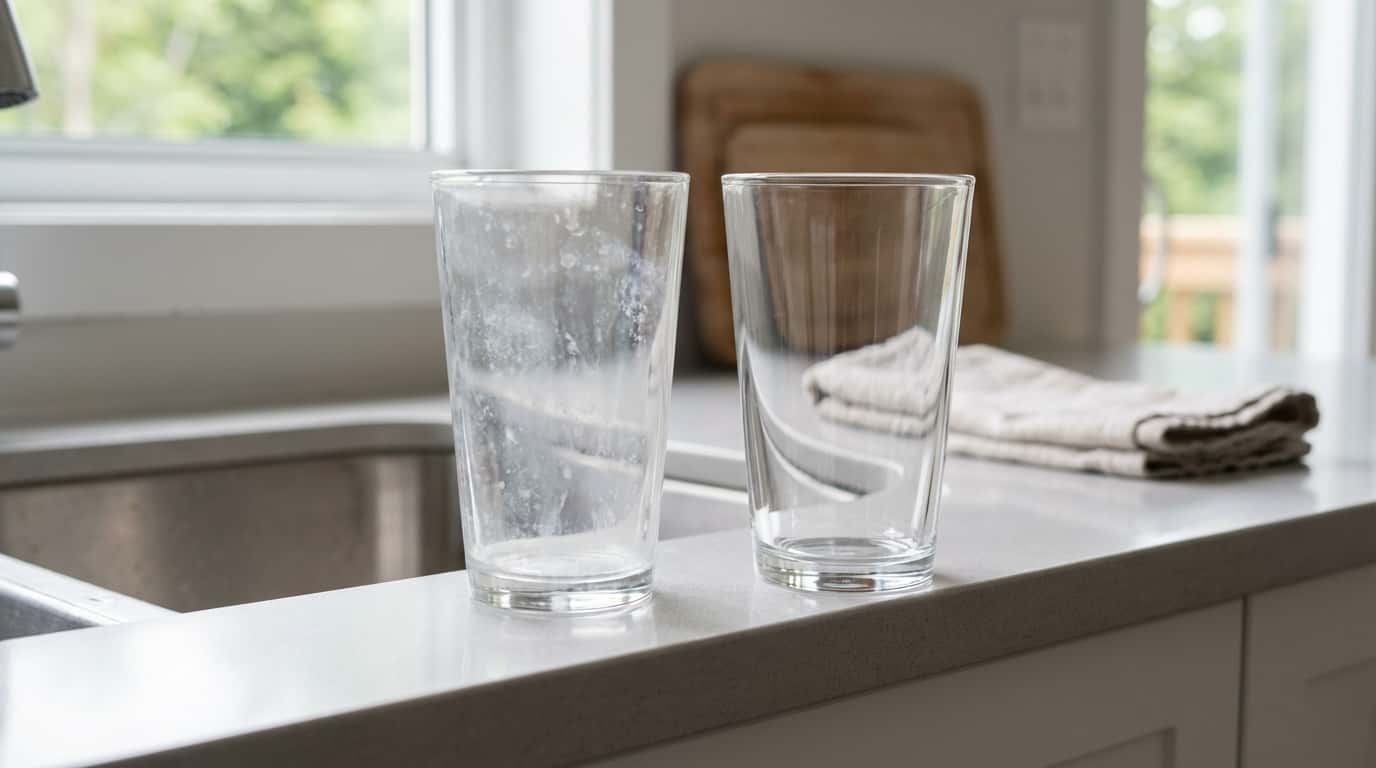
The catch is that not all softener salts behave the same way once they are in your system. Some dissolve cleanly and leave the brine tank almost spotless. Others carry extra grit that settles into sludge at the bottom of the tank, slowly making your softener harder to service and less efficient. Over years of use, the difference between those two behaviours shows up in how often you deal with problems and how long the softener lasts before needing major repairs.
On top of that, the salt you choose changes what is in your household water. Sodium‑based salts add a small amount of sodium to softened water, which may matter for people watching their intake. Potassium chloride removes sodium from the equation but can increase potassium exposure, which is important for some health conditions. The right choice depends not just on the plumbing, but also on who is living in the home.
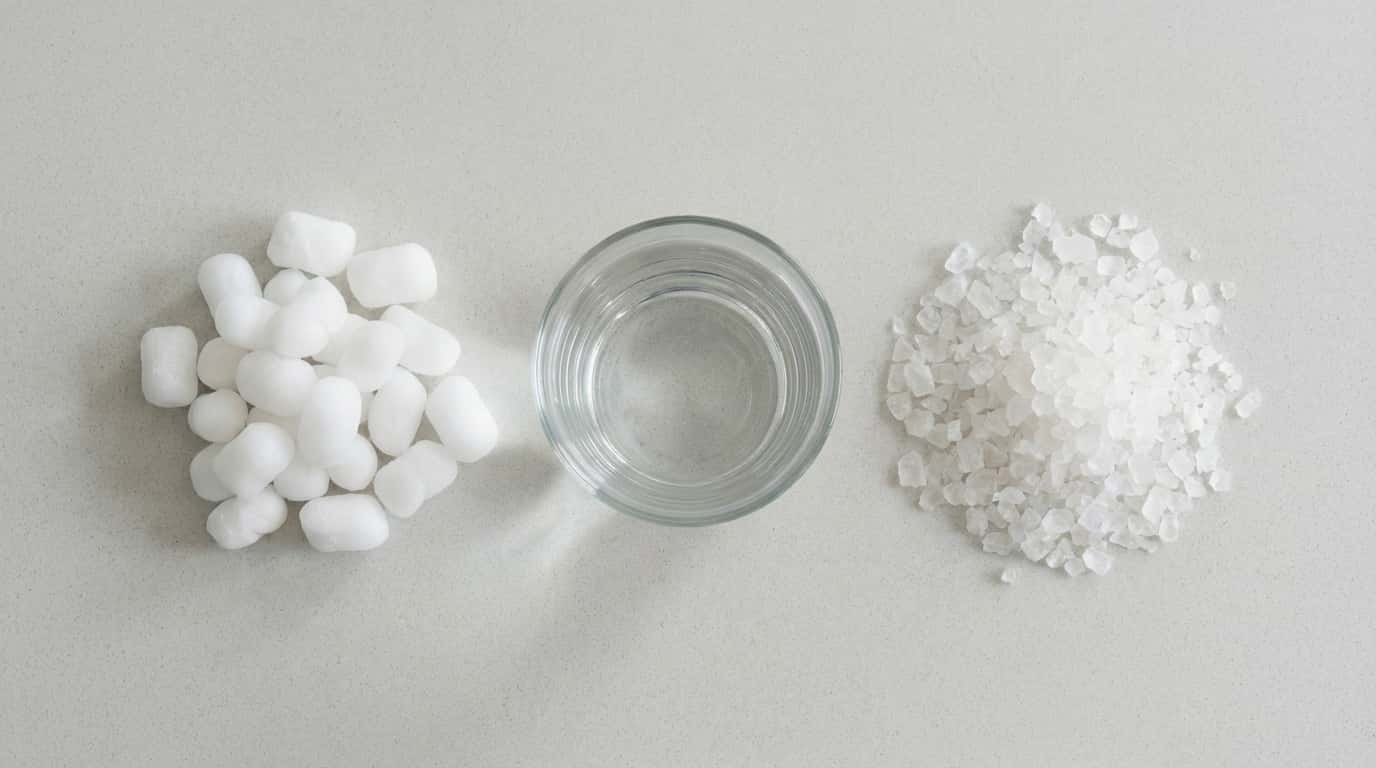
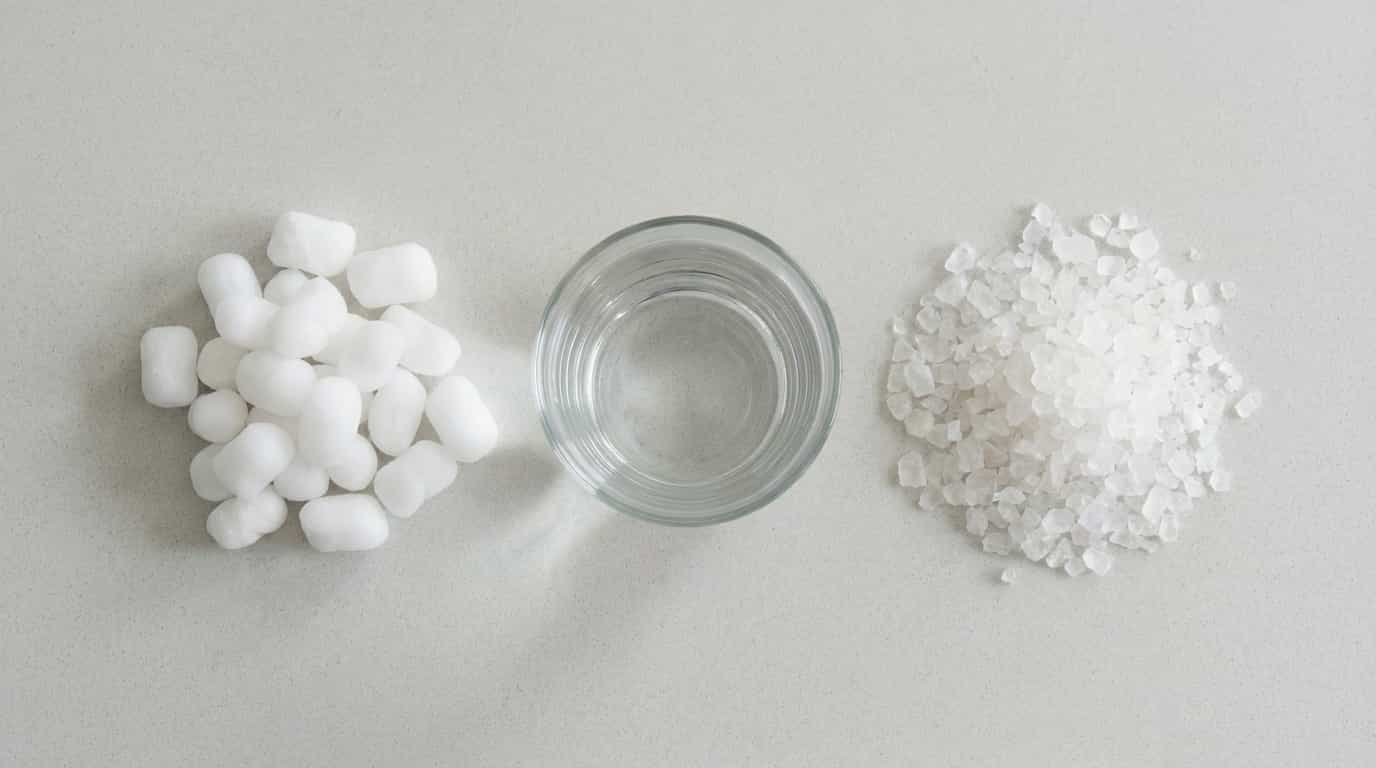
This guide walks through the four main salt types—rock, solar, evaporated, and potassium chloride—in a way that is grounded in both the chemistry and the day‑to‑day realities of Canadian homeownership. You will see how each salt is made, how pure it typically is, where it shines, where it falls short, and how to match it to your water hardness, budget, and health considerations. The goal is straightforward: by the end, you should be able to look at a pallet of salt bags and know exactly which one makes sense for your home and why.