Scale Versus Coating Wear
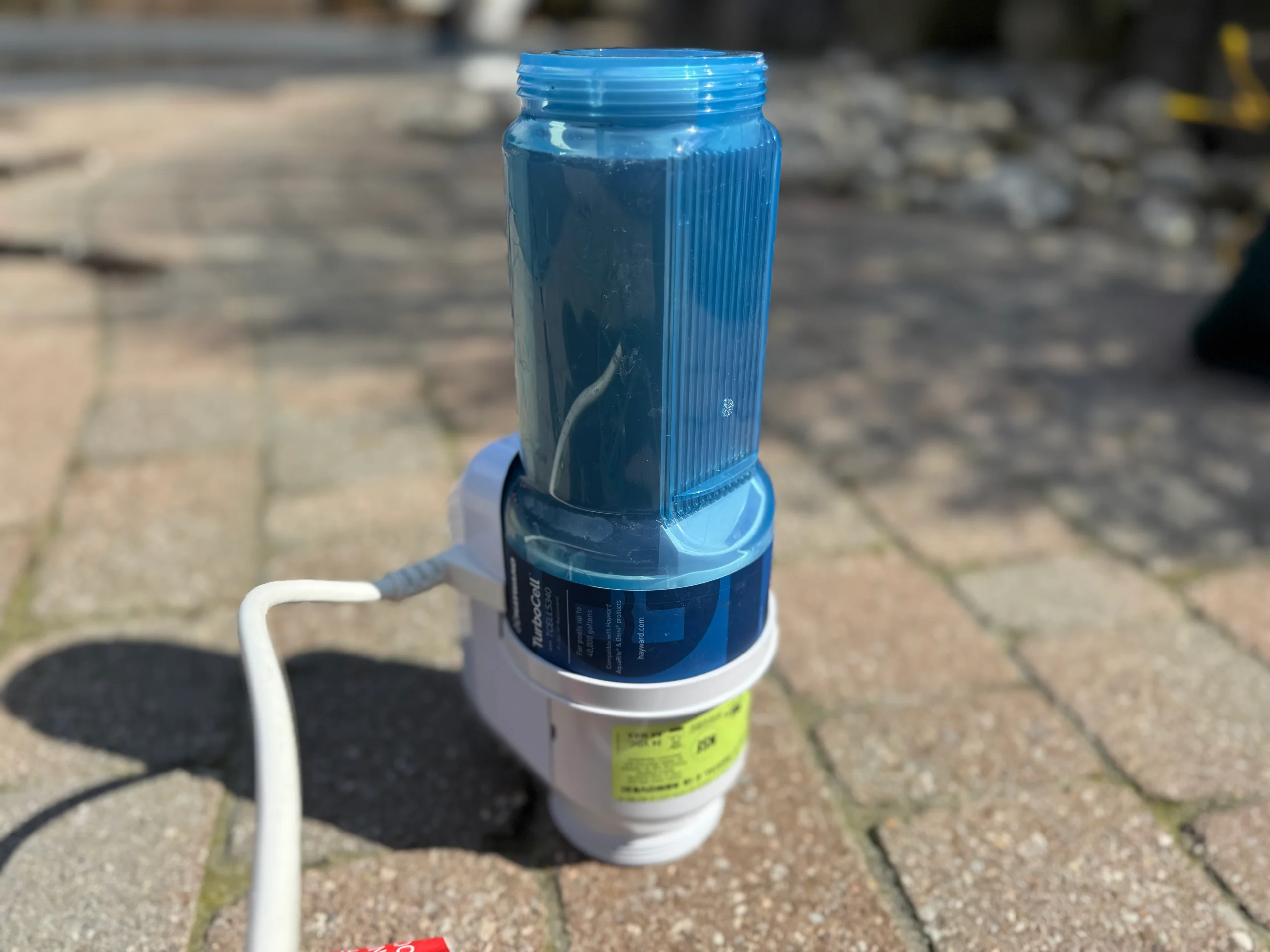
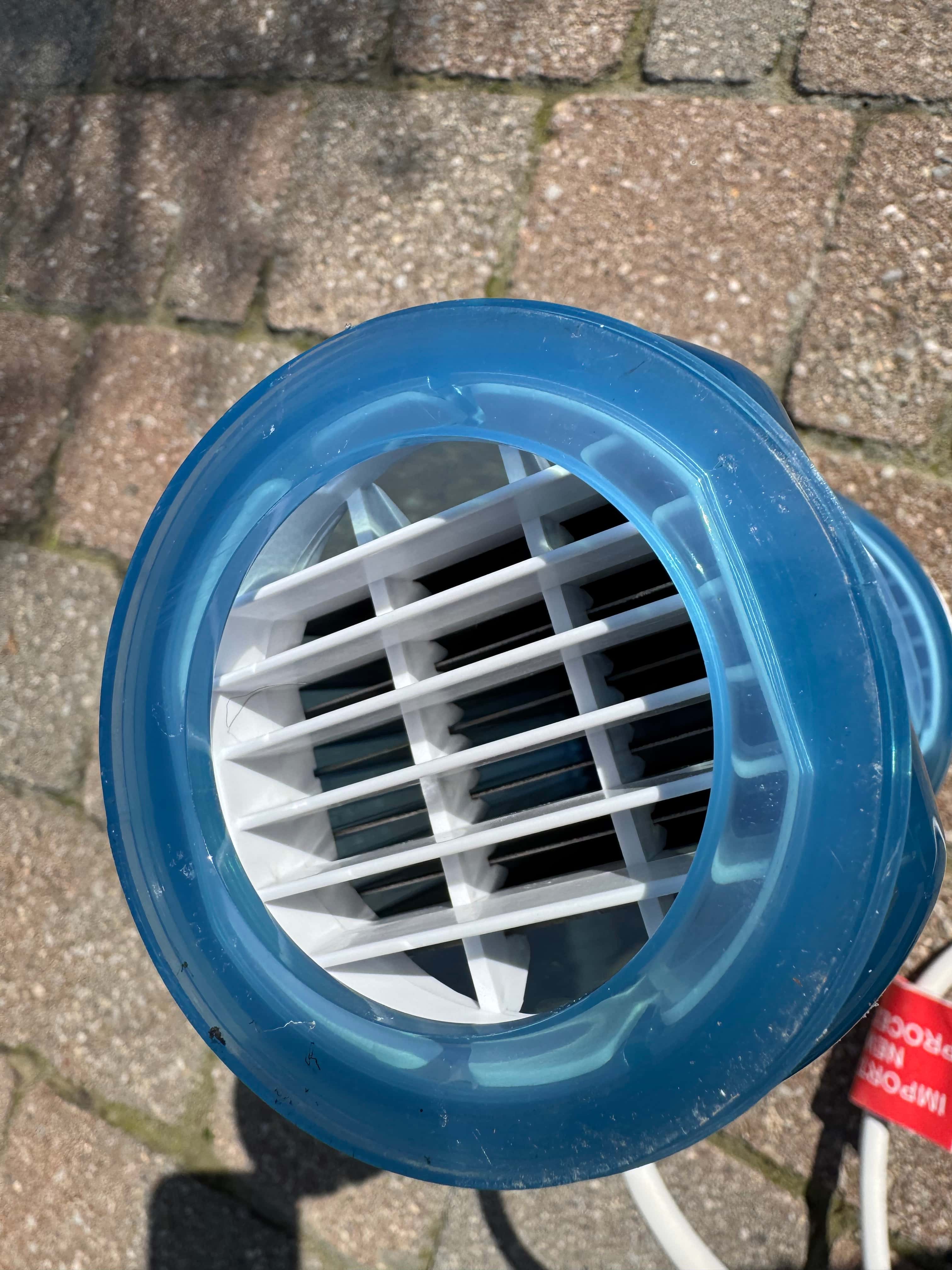
The most consequential five minutes of any cleaning routine happen before the acid comes out: confirming that what's on the plates is actually scale, and not the coating itself eroding away. The two look different to a trained eye, but it is easy to mistake one for the other under poor lighting or first-time uncertainty.
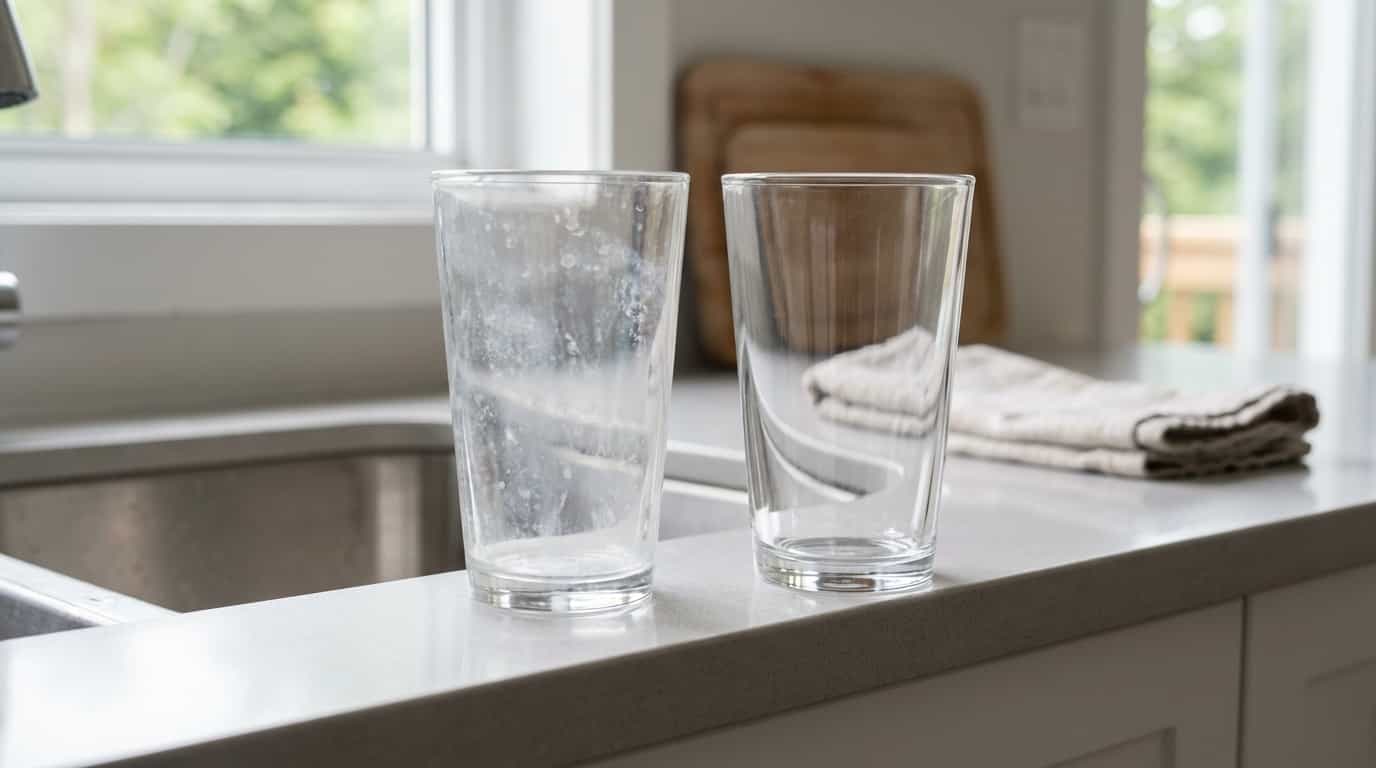
Calcium scale appears as raised, chalky, white or off-white deposits. Pool care specialists at Mavaqua describe it as the same kind of buildup that forms on a kettle's heating element after a year of hard water — crusty, raised, and visibly mineral.
Coating wear, by contrast, looks like the plates themselves have grown duller, darker, or thinner. The titanium beneath the catalytic coating may show through in patches. There is no chalky texture — just a flat, eroded surface. This is permanent. No amount of acid will restore it, and acid will actively make it worse. The same principle applies to other pool maintenance decisions where the diagnostic step gets skipped — our guide on knowing when to change pool filter media walks through the same kind of "signs vs. schedule" thinking for a different piece of equipment.
The Acid Drop Test
If you're uncertain, a small diagnostic test settles it. With PPE on, place a drop of diluted muriatic acid on a small piece of the suspected deposit — chip a flake into a bowl rather than testing on the cell itself. Calcium carbonate scale fizzes visibly as it reacts. Coating wear does not. Silicate scale, less common but harder to remove, reacts slowly or not at all.
The test takes a minute. The wrong cleaning decision can cost a thousand-dollar cell.
Never use acid on plates that show coating wear. The visible darkening is the metal substrate showing through where the catalytic layer has eroded — adding acid removes more of what's left and irreversibly reduces chlorine output.