Same Outcome, Different Failure Modes
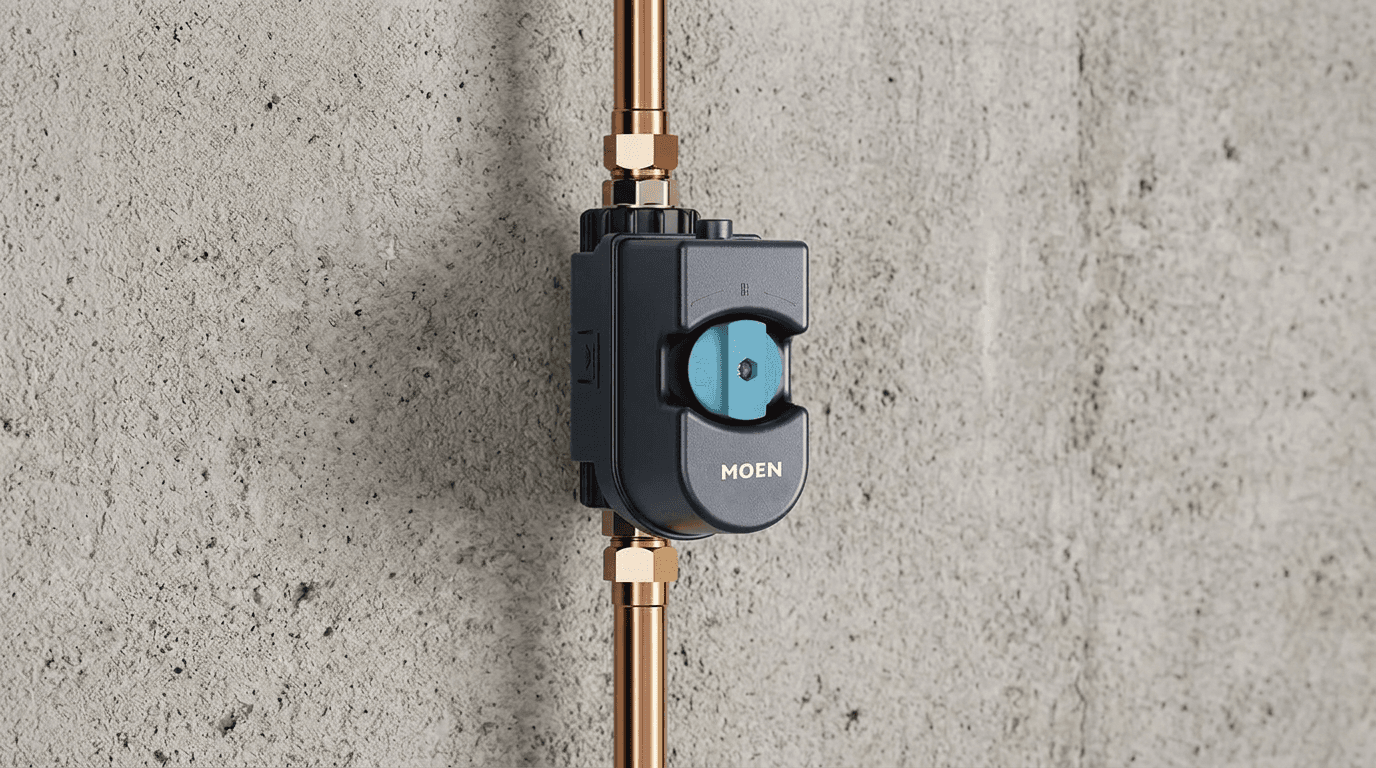
“Automatic shutoff” is an outcome, not a single technology. Before you buy anything, it helps to know what you’re actually choosing—because each approach has different blind spots and installation complexity.
Common architectures in plain language:
Sensor-triggered shutoff
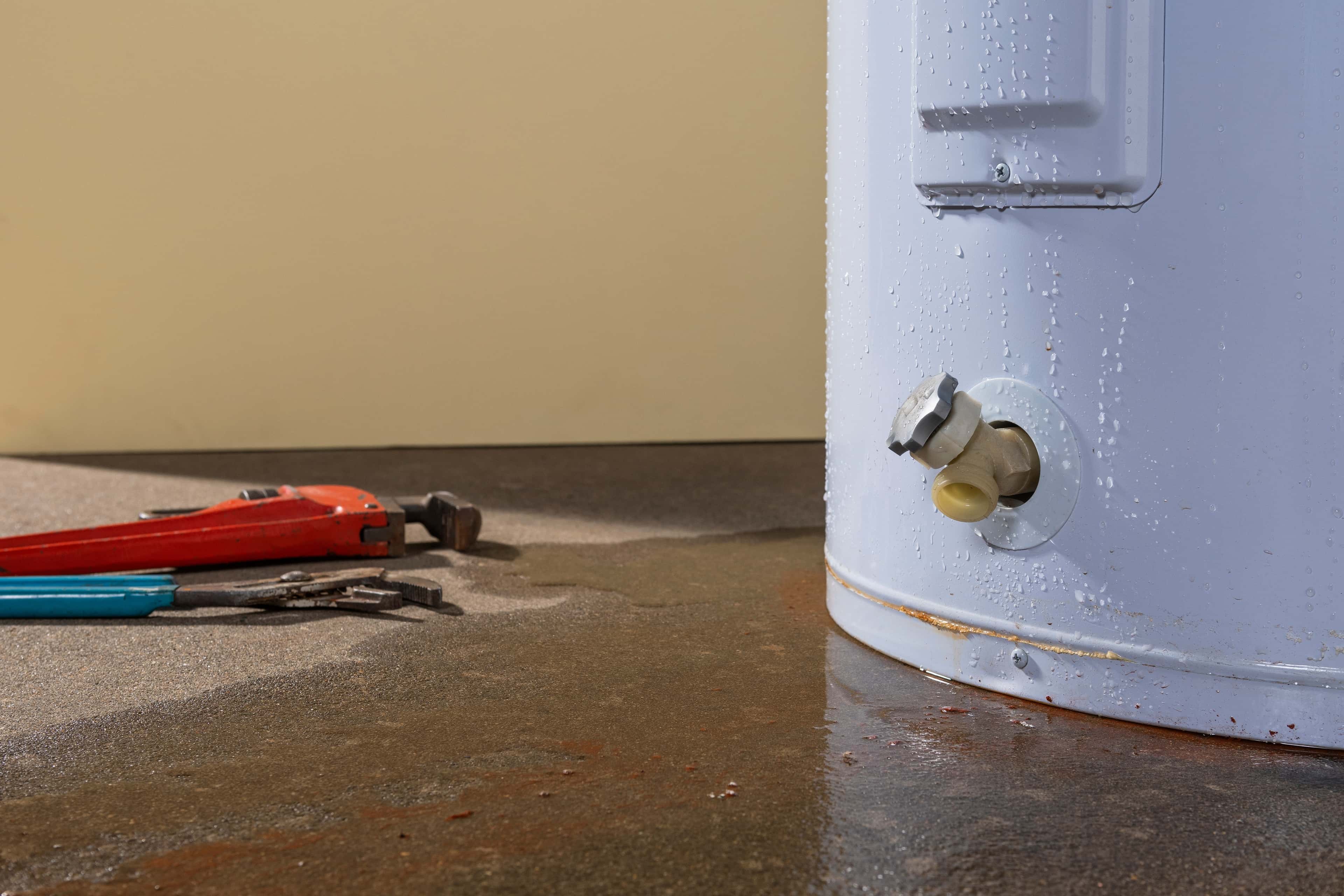
Leak sensors (under sinks, near the water heater, beside the washer) detect water and tell a motorized valve to close. This is strong for localized risks you can predict and place sensors for. It’s weaker for concealed leaks or any area you forgot to cover.
Flow-based monitoring + shutoff
A device monitors water movement on the main line and closes the valve when the pattern suggests abnormal continuous flow. This is strong for hidden and whole-home leaks. It can require more thoughtful setup so normal activities don’t trigger nuisance shutoffs.
Clamp-on actuator over an existing valve
Instead of cutting pipe to install a new valve body, a motor clamps onto your existing main shutoff valve and turns it closed when commanded. This can be layout-friendly, but it depends on your existing valve being in good condition and physically turnable.
The readiness question isn’t “which is best?” It’s “which one matches the kind of leak I’m trying to stop—and what can my house support reliably?”