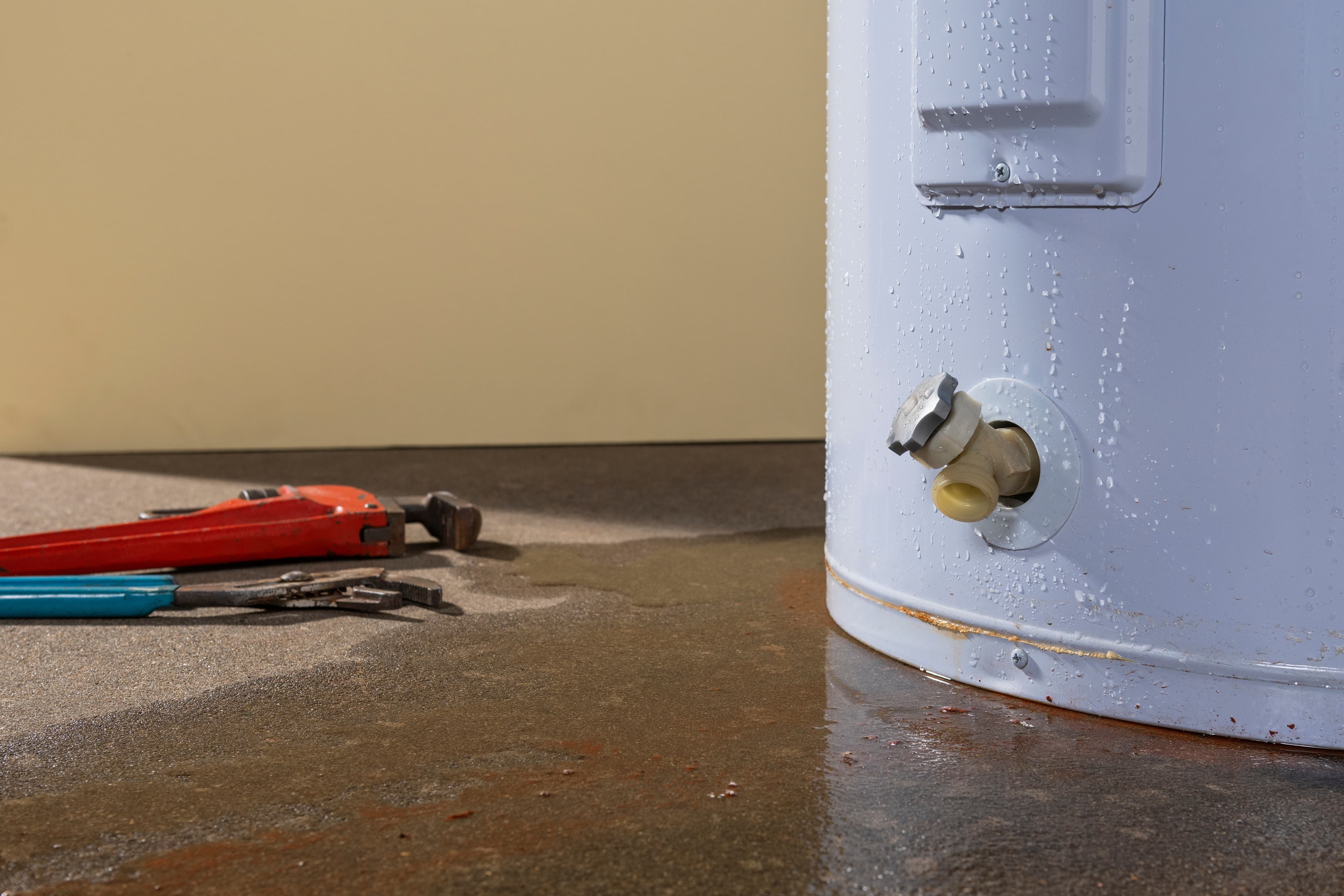
Water leak sensors are simple devices with one job: they alert when water reaches the sensor. That sounds obvious—until you realize most leaks don’t show up where you expect. A slow seep can wick under flooring, travel behind baseboards, or show up at a low point a metre away from the actual failure.
That’s why placement matters more than brand, smart-home features, or how loud the siren is. If the sensor isn’t positioned where water will actually pool or travel, it can’t help you early. In other words, leak sensors don’t “monitor a room”—they monitor a specific contact point.
Good placement also helps you avoid nuisance alerts. Bathrooms and basements can be humid, and everyday wet traffic (mopping, wet towels, splash zones) can trigger detectors if they’re placed in the wrong micro-spot. The goal is reliable “first contact” detection, not constant interruptions.
Finally, early detection is partly about keeping cleanup small. When you catch water quickly, you’re far more likely to dry materials before they stay damp long enough to become a mould problem, and public health guidance like the Health Canada video on recognizing mould makes it clear that spotting and addressing moisture issues early is part of keeping indoor air healthy.
This guide is a practical placement list for kitchens, bathrooms, and basements, with a simple rollout method if you’re starting with a small pack of sensors.