Best Water Leak Detectors for Your Home: Comparing Sensors, Alert Quality, and Real-World Protection
We evaluated popular water leak detectors in the Canadian market and picked the best overall, value, premium, and specialty options. Use our buying guide to place sensors correctly and get fast alerts before water damage spreads.
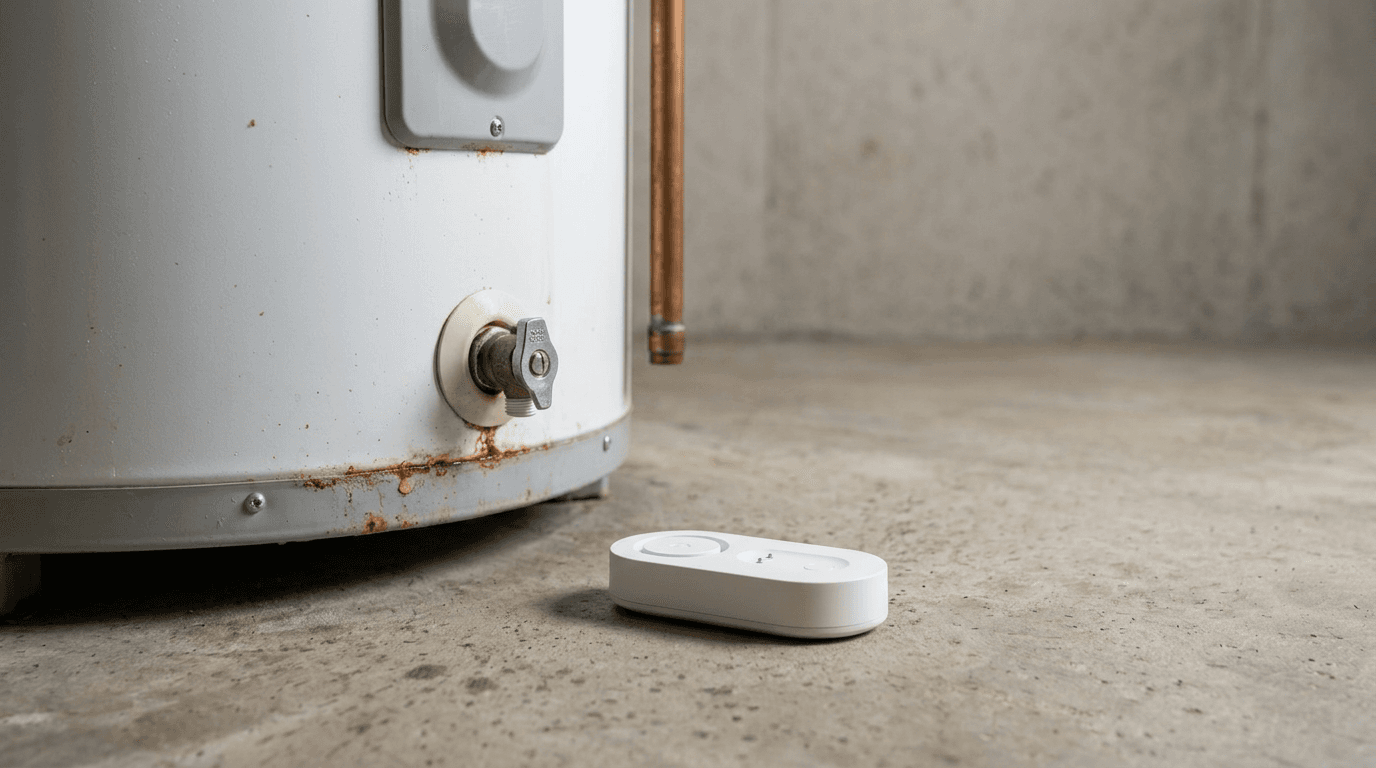
Credit: Homeowner.ca
Water damage is one of the most expensive home headaches Canadians face, and buyers often underestimate how much difference there is between a basic beeper under the sink and a connected leak detector that can actually reach you when you are away. The wrong choice can leave you with a loud alarm nobody hears, weak wireless coverage in the basement, or a system that becomes too expensive to expand once you realize one sensor is nowhere near enough.
We evaluated 8 water leak detectors available in Canada, scoring each on performance, ease of use, durability, features, and value. We looked closely at the things that matter most in real homes: how a detector alerts you, how far it can reliably communicate, how easy it is to place around a property, how well it stands up to damp environments, and what it costs to build out coverage beyond the starter setup.
The result is a guide built to help different kinds of buyers - from renters who just want a simple local alarm to homeowners who want app alerts across multiple leak-prone rooms. Below, you will find our top picks, full rankings, practical buying advice, and a clear explanation of what separates a good leak detector from one that only sounds reassuring.
Our Top Picks: Water Leak Detectors
Best Overall Pick
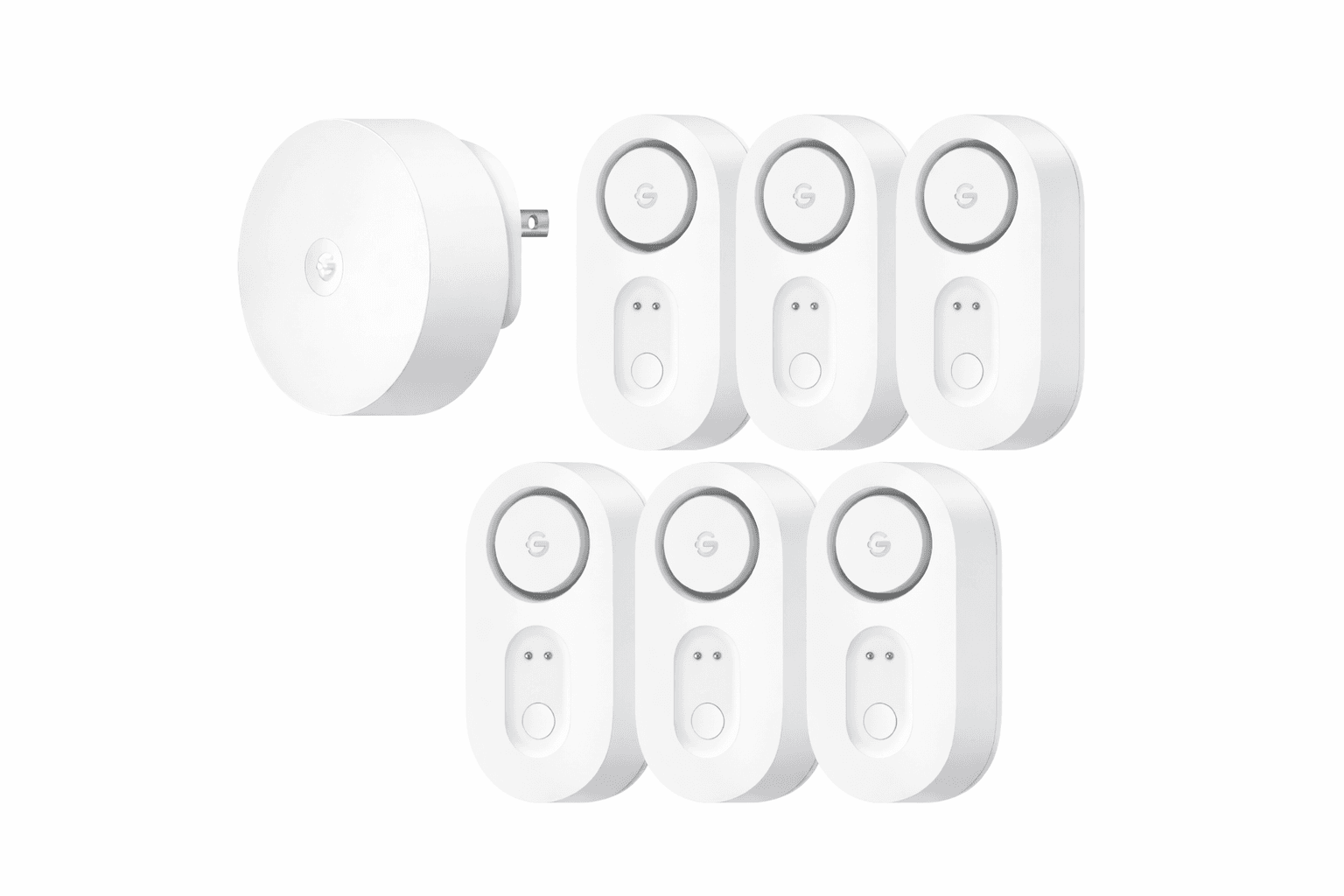
GoveeLife Smart Water Leak Detector 2
A rare blend of huge wireless range, very broad alerting, and serious whole-home scalability at a price that still feels accessible.
Best Value Pick
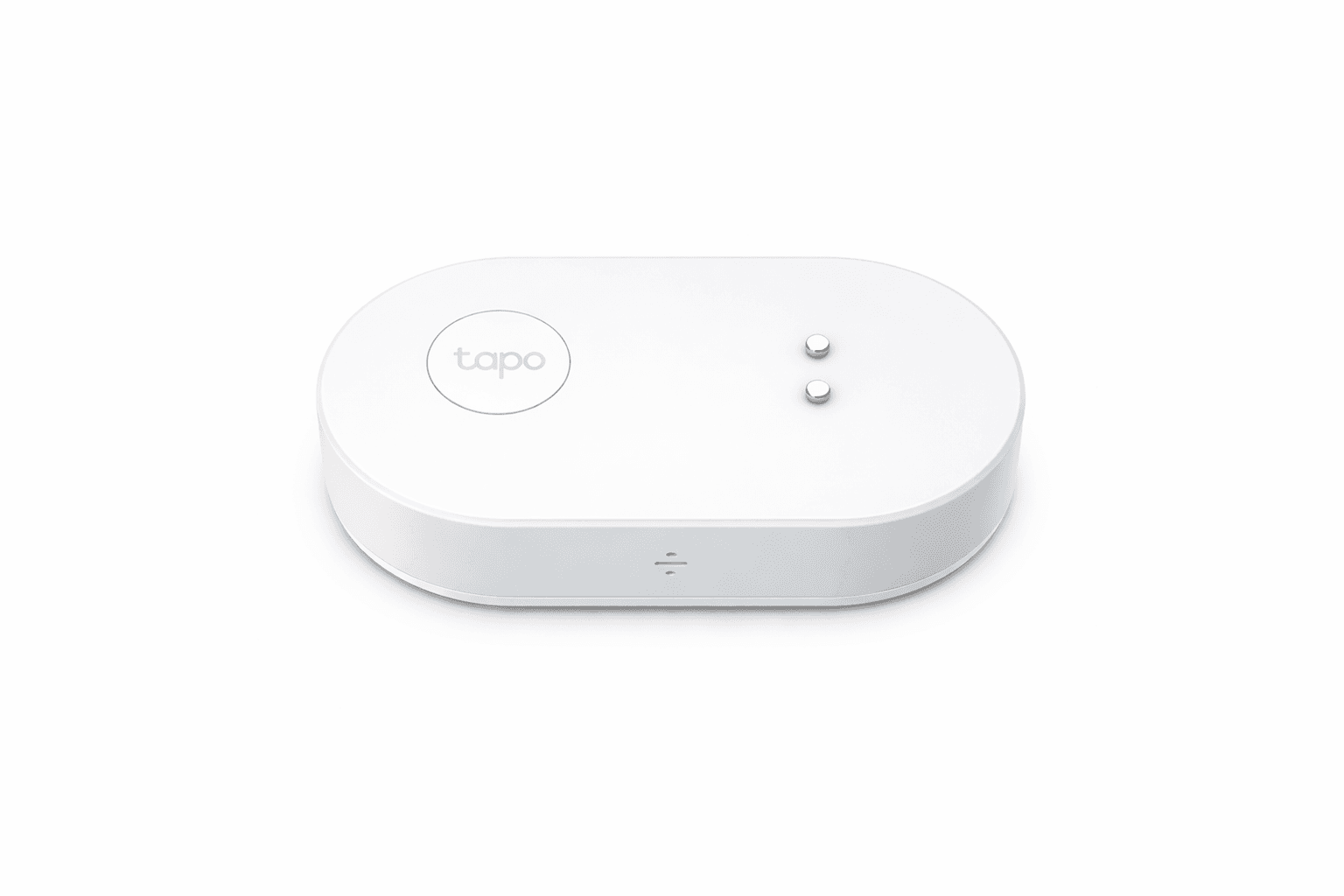
TP-Link Tapo T300 Water Leak Detector
One of the best bargains in smart leak detection if you are willing to add the Tapo hub.
Best Upgrade Pick
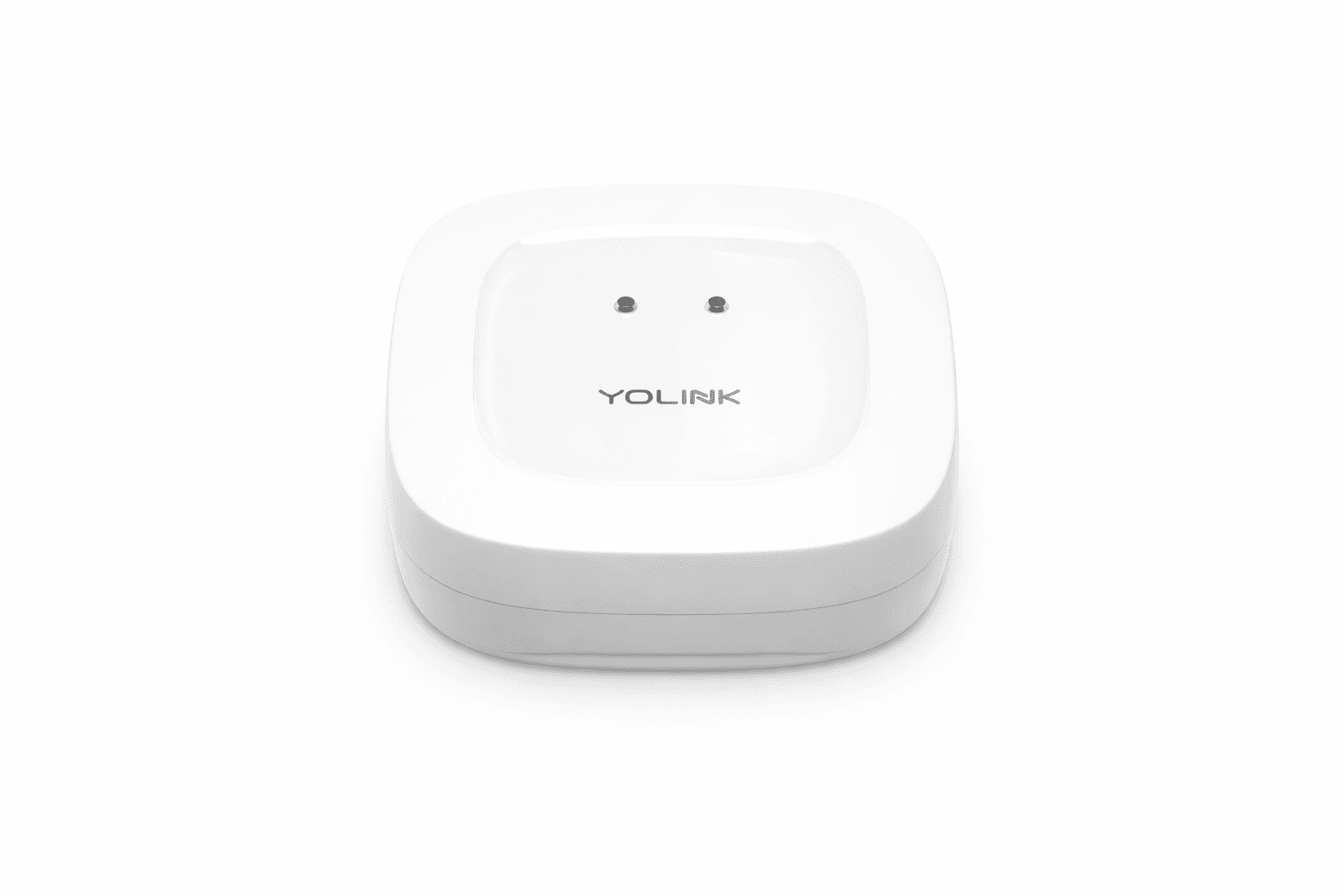
YoLink Smart Water Leak Detector
The best choice here for large properties and smart-home power users who want range, loud alerts, and a deeper expansion path.
Best for HomeKit Pick
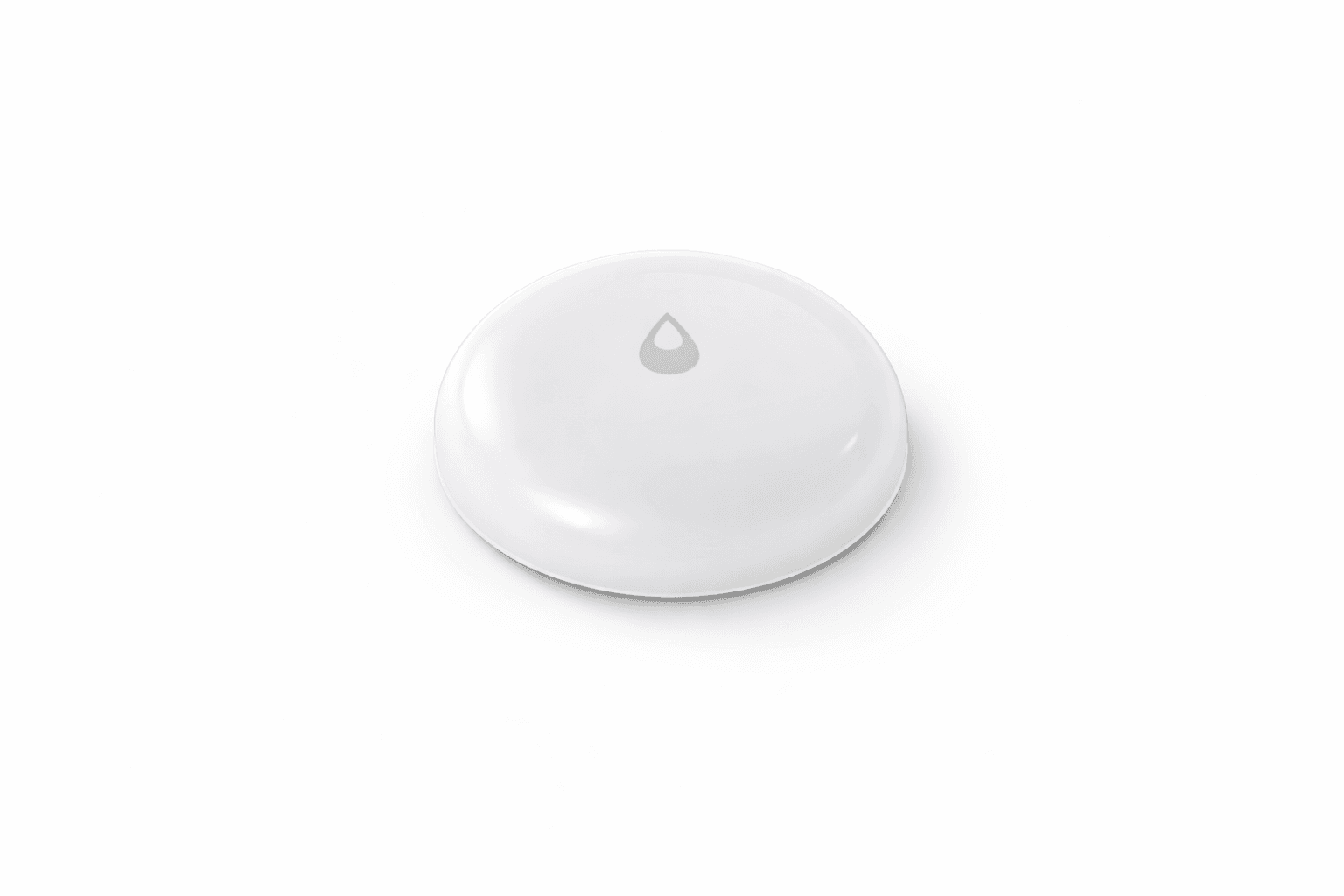
Aqara Water Leak Sensor
The clear pick for Apple households that want a compact leak sensor with unusually wide smart-home compatibility.
How We Evaluated
We assessed each water leak detector using objective product information, manufacturer specifications, and consumer research signals to understand where each model fits best for Canadian buyers. Because leak detectors vary widely in how they alert, connect, and scale, we focused on practical real-world concerns such as alert quality, wireless reach, setup burden, battery life, smart-home integration, and long-term value when expanded beyond a single room.
Scoring Factors Explained
Compare Products
See how all 8 products stack up across 12 key specs — from Price to Smart Home Platforms.
| Product | GoveeLife Smart Water Leak Detector 2 Best Overall | YoLink Smart Water Leak Detector Best Upgrade | 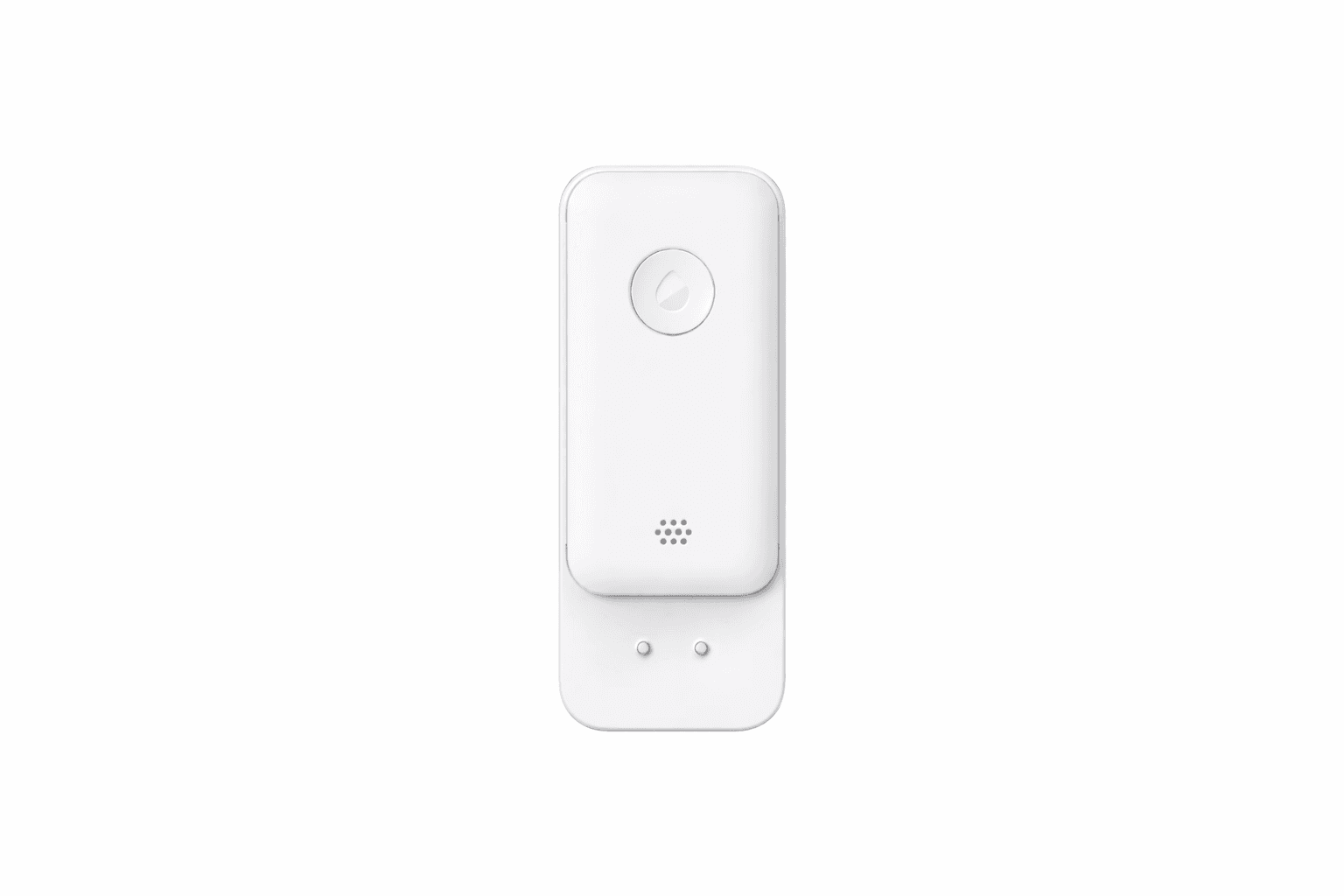 SwitchBot WiFi Water Leak Detector | TP-Link Tapo T300 Water Leak Detector Best Value | 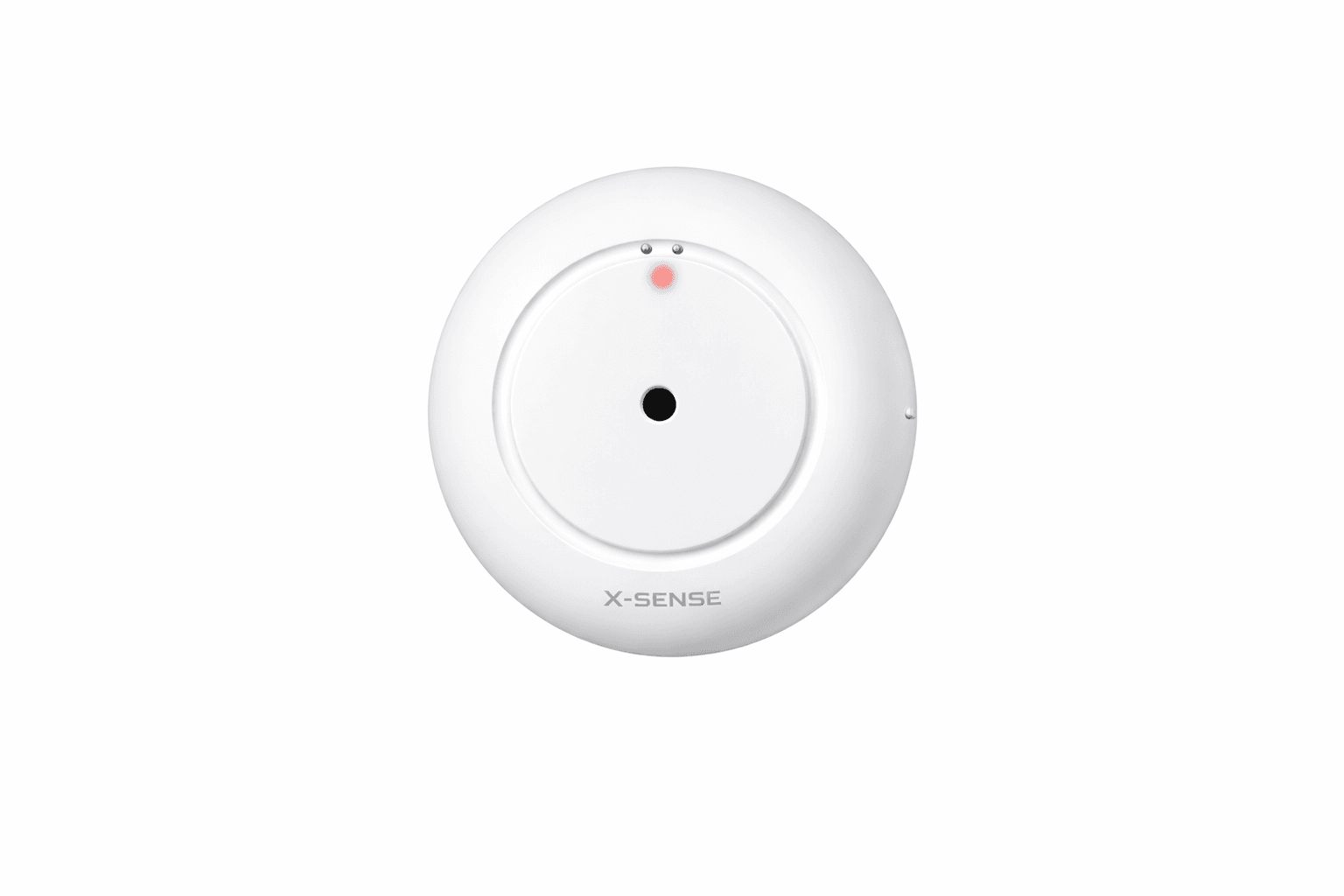 X-Sense WiFi Water Leak Detector | Aqara Water Leak Sensor Best for HomeKit | 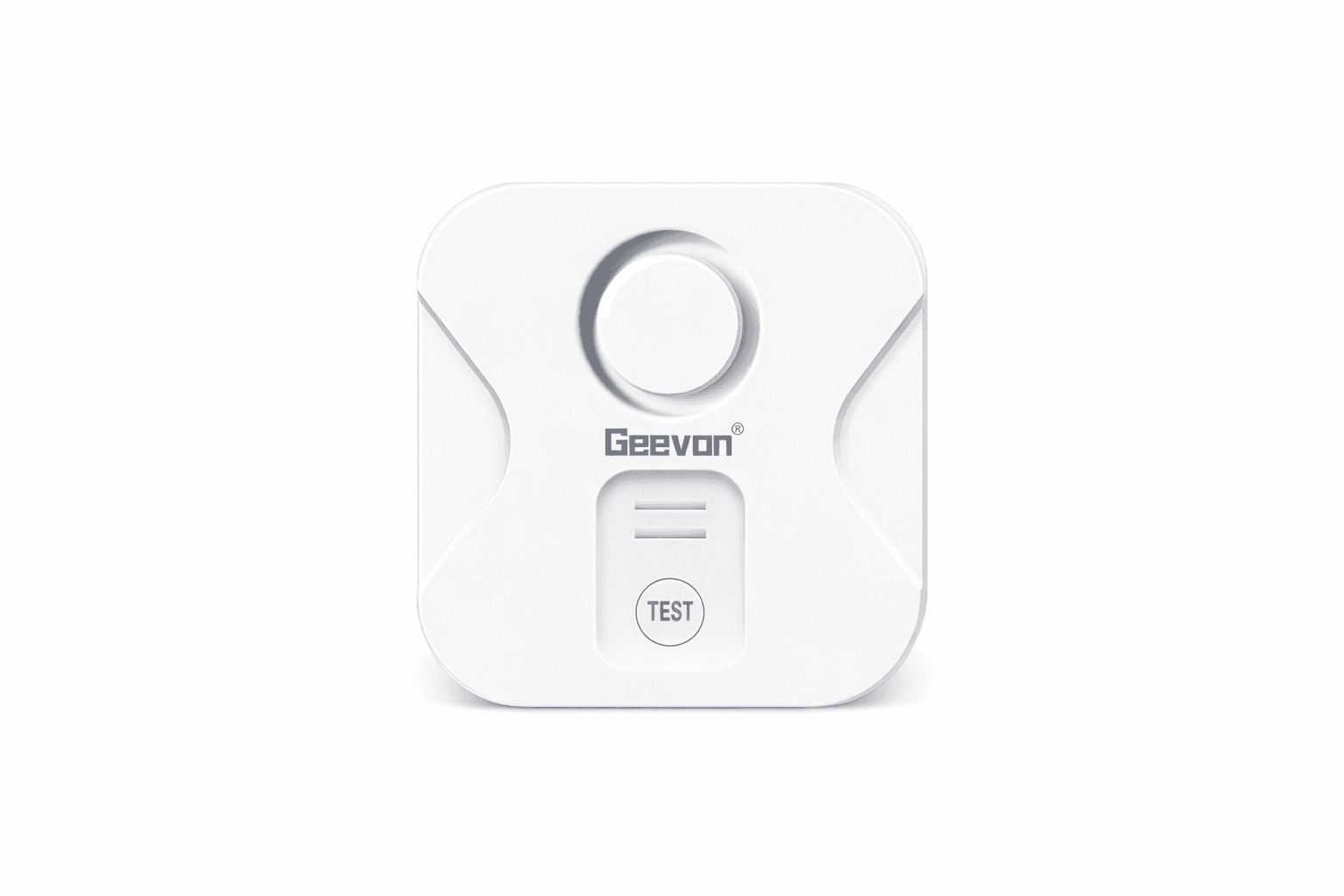 Geevon Water Leak Detector | 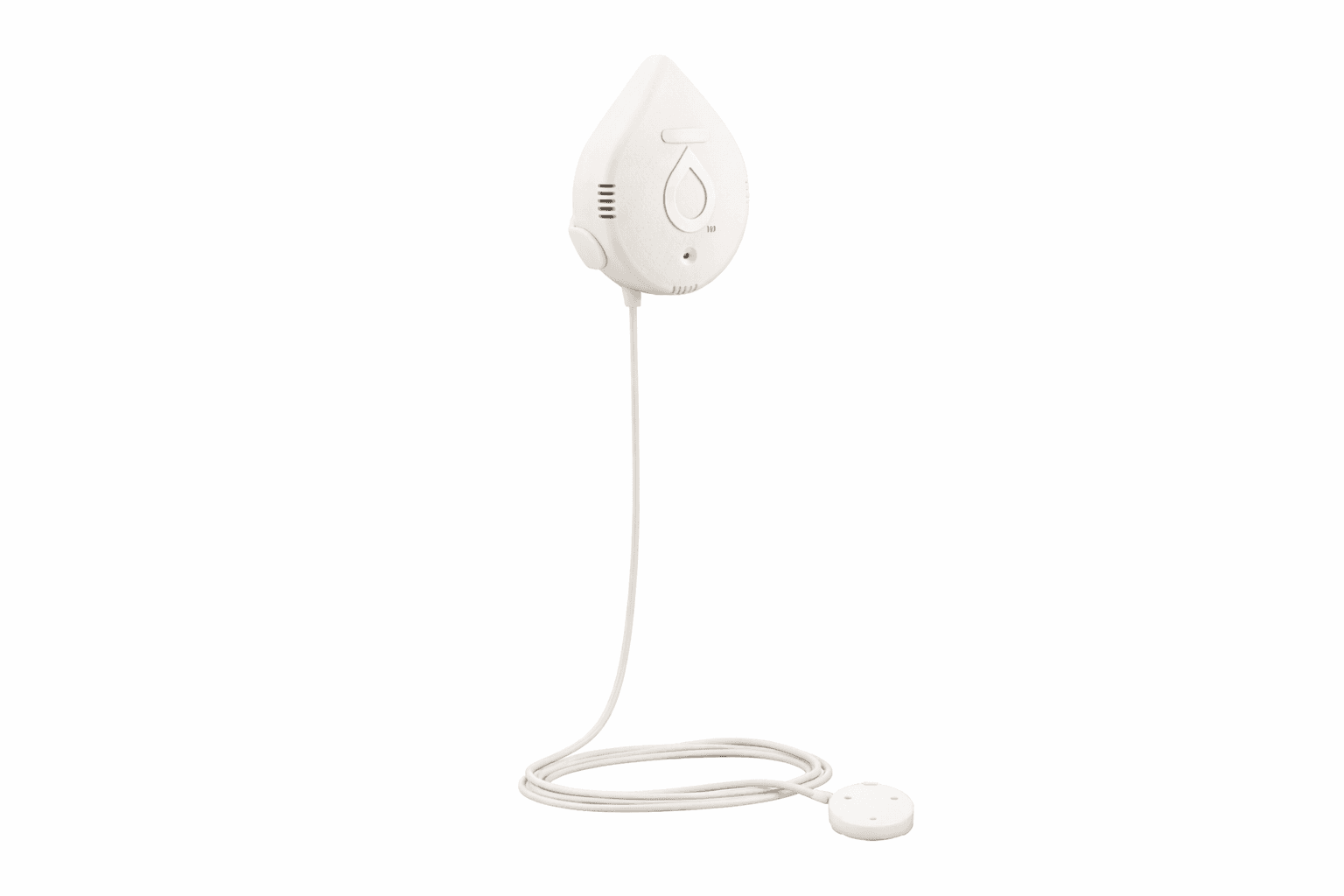 Moen 920-005 Flo Smart Water Leak Detector |
|---|---|---|---|---|---|---|---|---|
| Where to Buy | ||||||||
| Score | 8.0 | 7.8 | 7.7 | 7.5 | 7.4 | 7.1 | 6.9 | 6.5 |
| Price | $89.99 | $119.99 | $52.79 | $24.98 | $62.99 | $79.99 | $32.98 | $190.00 |
| Device Type | Spot leak sensor | Spot leak sensor | Spot leak sensor | Spot leak sensor | Spot leak sensor | Spot leak sensor | Spot leak sensor | Spot leak sensor |
| Smart Home Platforms | Amazon Alexa, Google Assistant, IFTTT | Amazon Alexa, IFTTT, Home Assistant | Amazon Alexa, Google Assistant, Samsung SmartThings, IFTTT | Amazon Alexa, Google Assistant | Proprietary only | Amazon Alexa, Google Assistant, Apple HomeKit, IFTTT, Home Assistant | None | Amazon Alexa, Google Assistant |
| Battery Life Months | 60 months | 60 months | 24 months | 36 months | 60 months | 24 months | 12 months | 24 months |
| Alarm Loudness dB | 100 dB | 105 dB | 100 dB | 90 dB | 100 dB | 55 dB | 100 dB | — |
| Battery Type | AAA | AAA | AAA | AAA | AAA | CR2032 | 9V alkaline | CR123A |
| Power Source Type | Battery powered only | Battery powered only | Battery powered only | Battery powered only | Battery powered only | Battery powered only | Battery powered only | Battery powered only |
| Notification Channels | Local siren, LED indicator, Push notification, SMS, Email, In app alert | Local siren, Push notification, SMS, Email, In app alert | Local siren, Push notification, Email, In app alert | Local siren, LED indicator, Push notification, In app alert | Local siren, Push notification, Email, In app alert | Local siren, LED indicator, Push notification, In app alert | Local siren | Local siren, LED indicator, Push notification, SMS, Email, Phone call, In app alert |
| Hub Requirement | Proprietary hub required | Proprietary hub required | None | Proprietary hub required | Proprietary hub required | Proprietary hub required | None | None |
| Valve Install Location | Not applicable (no valve) | Not applicable (no valve) | Not applicable (no valve) | Not applicable (no valve) | Not applicable (no valve) | Not applicable (no valve) | Not applicable (no valve) | Not applicable (no valve) |
| Wireless Range m | 600 m | 396 m | 120 m | — | 500 m | — | — | — |
| Wireless Protocol | Proprietary RF | LoRa | WiFi 2.4 GHz | Proprietary RF | Proprietary RF | Zigbee | — | WiFi 2.4 GHz |
Product Reviews
GoveeLife Smart Water Leak Detector 2
"A rare blend of huge wireless range, very broad alerting, and serious whole-home scalability at a price that still feels accessible."
This is the most broadly appealing smart leak detector in the group for households that want strong coverage without stepping up to a much pricier plumbing ecosystem. It combines a loud siren, excellent battery life, IP67 protection, and enough range to handle larger Canadian homes, deep basements, and detached spaces better than most Wi-Fi-first rivals.
Best For
Homeowners who want affordable multi-room leak protection with strong remote alerts and enough range to cover larger properties.
The Pros
- Outstanding 600 m wireless range makes sensor placement far easier in large homes and outbuildings
- Supports up to 100 sensors on one gateway for true whole-home coverage
- Redundant alerts include siren, push, SMS, and email rather than relying on app notifications alone
- IP67 protection and a claimed 5-year battery life keep maintenance low
- Strong mainstream smart-home support with Alexa, Google Assistant, and IFTTT
The Cons
- A proprietary gateway is mandatory for remote alerts and app control
- No native HomeKit or SmartThings support
- Some owners report occasional nuisance alarms in humid locations
Watchouts
- If the gateway loses power or internet access, remote notifications stop even though local alarms still work.
- This is an alerting system, not an automatic shutoff solution, so it will tell you about leaks but will not close the water line for you.
- The long-range RF network is a major strength, but it also locks you into Govee's own hub ecosystem.
YoLink Smart Water Leak Detector
"The best choice here for large properties and smart-home power users who want range, loud alerts, and a deeper expansion path."
YoLink's biggest advantage is simple: it reaches places other smart sensors often struggle to cover. Its LoRa-based network, 105 dB alarm, temperature and humidity monitoring, and strong Home Assistant support make it feel more like a serious system than a basic leak puck, even if it still asks you to live with a proprietary hub.
Best For
Owners of larger homes, garages, cottages, or automation-heavy setups who care more about dependable range and expandability than absolute simplicity.
The Pros
- Excellent long-range performance through walls, basements, and detached spaces
- Very loud 105 dB alarm
- Monitors temperature and humidity as well as water
- Strong Home Assistant support and broader ecosystem expansion options
- Claimed 5-year battery life with easy-to-find AAA cells
The Cons
- Requires a proprietary hub
- Published IP protection is not specified
- Some owners report false alerts in consistently humid environments
- The alarm experience can be annoying once triggered
Watchouts
- The newer Sensor 2 version has a documented reputation for humidity-related nuisance alarms in some utility rooms and damp basements.
- You are buying into an ecosystem play here, so the hub requirement is part of the deal from day one.
- If you want the broadest insurance-facing protection, remember this is still an alerting product unless you separately add compatible shutoff hardware.
SwitchBot WiFi Water Leak Detector
"The easiest smart leak detector here to recommend to buyers who want app alerts without buying a separate hub first."
SwitchBot's appeal is obvious: direct Wi-Fi setup, very good smart-home compatibility, a loud alarm, and the best published sensitivity figure in the group. It trades some of the long-range and low-maintenance advantages of hub-based systems for convenience, but that tradeoff will be worth it for plenty of households.
Best For
Shoppers who want the simplest path into smart leak detection and value a hub-free setup over maximum range.
The Pros
- No hub required for basic smart operation
- Best published leak sensitivity in the group at 0.5 mm
- Strong platform support including SmartThings, Alexa, Google Assistant, and IFTTT
- IP67 protection and a 100 dB local siren
- Very affordable add-on sensor pricing
The Cons
- Each sensor adds another device to your Wi-Fi network
- Claimed battery life is only average
- No temperature or humidity monitoring
- 2.4 GHz pairing can still be awkward on some routers
Watchouts
- If you plan to deploy many sensors, remember that every one of them connects directly to your router rather than to a separate hub.
- This is a strong alerting product, but it does not offer the deep long-range deployment advantages of the best RF and LoRa systems.
- Homes with tricky dual-band or mesh Wi-Fi setups should be prepared for some onboarding trial and error.
TP-Link Tapo T300 Water Leak Detector
"One of the best bargains in smart leak detection if you are willing to add the Tapo hub."
Tapo's leak detector is built around a simple value proposition: keep the sensor cheap, keep the battery life respectable, and let the hub unlock automation for households that want more later. It is not the loudest or the most polished system here, but the core package is very compelling for the money.
Best For
Budget-conscious buyers who want smart alerts and plan to cover several rooms without spending much per sensor.
The Pros
- Very affordable per-sensor pricing for a smart leak detector
- Six detection probes offer unusually broad contact coverage
- IP67 protection and a 3-year battery claim are both strong at this price
- Good mainstream assistant support through Alexa and Google Assistant
- Low add-on sensor price makes multi-room expansion realistic
The Cons
- Requires a Tapo hub that is sold separately
- 90 dB alarm is quieter than several key rivals
- No native HomeKit support
- Long-term track record is shorter than the most established category leaders
Watchouts
- The first sensor is not quite as cheap as it looks once you factor in the mandatory hub purchase.
- This is a better buy if you plan to add more Tapo sensors or already own Tapo gear, because that spreads the hub cost out quickly.
- If a loud local siren is a top priority, there are stronger 100 dB and 105 dB alternatives in this group.
X-Sense WiFi Water Leak Detector
"A strong no-frills smart kit for buyers who want long range and low maintenance more than deep ecosystem integration."
X-Sense gets a lot right for the money: long range, a loud alarm, IP67 protection, and a claimed 5-year battery life. Its biggest limitation is that it feels more like a self-contained alert system than a flexible smart-home platform, especially once you factor in the low four-sensor cap.
Best For
Homeowners who want straightforward app-connected leak alerts with strong range and very low maintenance at a fair price.
The Pros
- Very strong published 500 m wireless range
- IP67 protection and 5-year battery claim are excellent at this price
- 100 dB local alarm is competitive with the louder smart sensors
- Slim design is easy to place in tighter spots
- Affordable kit pricing for four app-connected sensors
The Cons
- Proprietary ecosystem with limited smart-home integration
- Only four sensors per base station is restrictive
- App alert sound duration is reportedly brief
- Long-term reliability track record is still less established than category leaders
Watchouts
- If you need leak coverage in more than four locations, check the expansion limits carefully before buying into this system.
- The app's short notification sound is worth thinking about if you expect your phone to be the primary overnight alert.
- This is best viewed as a practical standalone smart kit, not a flexible automation platform.
Aqara Water Leak Sensor
"The clear pick for Apple households that want a compact leak sensor with unusually wide smart-home compatibility."
Aqara's leak detector is easy to understand once you see what it is trying to be: a small, affordable automation trigger for a broader smart-home system. It excels in ecosystem compatibility, especially for HomeKit users, but its quiet onboard alarm and hub dependency make it less confidence-inspiring as a standalone safety device.
Best For
Apple HomeKit users and automation-focused buyers who want leak detection to plug into a broader smart-home routine.
The Pros
- Best-in-group smart-home compatibility including Apple HomeKit and Home Assistant
- Compact IP67 design fits easily under sinks and behind appliances
- Strong 32-sensor-per-hub expansion capacity
- Zigbee support enables automation-rich setups and mesh networking
The Cons
- Built-in alarm is far quieter than most competing sensors
- Requires a separate Aqara hub
- Battery life is only average for the category
- Mesh reliability can depend heavily on the rest of your Zigbee setup
Watchouts
- Do not buy this if you are relying mainly on the sensor's own buzzer; 55 dB is simply not competitive with the loudest leak alarms.
- The best experience comes when it is part of a larger Aqara or HomeKit setup rather than used as an isolated single sensor.
- Zigbee mesh behaviour can vary depending on which repeaters and routers are in your smart-home network.
Geevon Water Leak Detector
"The simplest and cheapest way to get loud local leak alarms into multiple rooms without any smart-home complexity."
Geevon is not trying to be a connected home system, and that honesty is part of its appeal. If you want a low-cost alarm you can place under a sink, behind a toilet, or near a sump area in minutes, it does the job well enough - but you have to accept that its protection ends wherever the siren can no longer be heard.
Best For
Renters, non-technical households, or shoppers who want an inexpensive local alarm to supplement a smarter primary system.
The Pros
- Very low purchase price makes multi-room coverage realistic on a tight budget
- No app, Wi-Fi, hub, or account setup required
- 100 dB local siren is strong for an inexpensive alarm
- Standalone design avoids the cloud and connectivity failures that can affect smart models
The Cons
- No remote alerts of any kind
- Shortest claimed battery life in the group
- No smart-home integrations or event history
- No practical way to know about a leak if the property is empty
Watchouts
- This should not be your only protection for a cottage, rental, or frequently unoccupied home because all alerts are on-site only.
- You will be replacing the 9V battery more often than with the 3- to 5-year smart sensors in this group.
- Expansion is cheap, but it is also completely decentralized - each alarm is just another separate standalone unit.
Moen 920-005 Flo Smart Water Leak Detector
"The strongest fit for households already invested in Flo by Moen and willing to pay for environmental monitoring plus phone-call alerts."
Moen's leak detector stands apart because it comes from an established plumbing brand and can serve as a feeder product into the broader Flo ecosystem. The problem is that the premium positioning only goes so far when Wi-Fi setup friction, a shorter battery life, and a high asking price make it a tougher recommendation as a standalone buy.
Best For
Existing Flo by Moen users or brand-loyal homeowners who want environmental monitoring and can tolerate a more finicky Wi-Fi setup.
The Pros
- Tracks water, temperature, and humidity instead of leak detection alone
- No separate hub required for basic operation
- Phone-call alerts add a useful backup to push, email, and SMS notifications
- Clear upgrade path into Flo by Moen whole-home shutoff products
The Cons
- High price for an alert-only sensor pack
- 2.4 GHz Wi-Fi pairing is a recurring pain point
- Claimed 2-year battery life trails many rivals
- Not the most reassuring choice if you want a simple set-it-and-forget-it experience
Watchouts
- Mesh-network and dual-band router households should be ready for extra setup effort because this sensor is especially fussy about 2.4 GHz Wi-Fi.
- If you later add Flo shutoff hardware, the software experience can feel less unified than buyers expect.
- The value case is much stronger if you specifically want the Moen ecosystem than if you are just shopping for leak sensors.
How to Choose a Water Leak Detector That Actually Protects Your Home
Start With the Right Protection Level
Some leak detectors are simple local alarms, while others send alerts to your phone through Wi-Fi or a hub. A local-only alarm can work well if someone is almost always home, but it is a poor fit for cottages, rental units, or homes that sit empty during the day. If you want stronger protection, look for app-connected models with multiple alert channels rather than a siren alone.
Think About Where You Need Coverage
A leak detector is only useful if it can reach the places where water problems start: under sinks, behind toilets, beside water heaters, near laundry machines, around sump pits, and in basements. In larger homes, wireless range matters far more than many buyers expect. Hub-based RF and LoRa systems often do a better job than direct Wi-Fi sensors when the detector needs to sit far from the router or behind thick walls.
Do Not Ignore Alert Redundancy
A loud siren is helpful, but remote alerts are what turn a leak detector into real away-from-home protection. Push notifications are the minimum. Better systems add email, SMS, or even phone-call alerts so that one missed notification does not become a soaked floor, damaged drywall, or mould problem.
Battery Life and Water Resistance Matter
Leak detectors spend most of their lives waiting quietly in damp, awkward places. That makes long battery life and a solid IP rating worth paying attention to. A 3- to 5-year battery claim usually means less maintenance, and IP67 protection is especially reassuring for areas that may see splashes, humidity, or shallow standing water.
Plan for Expansion Before You Buy
Most households need more than one sensor. A kitchen, laundry room, hot water tank, basement utility area, and bathroom can easily add up to five or more leak points. Before choosing a system, check whether it needs a hub, how many sensors it supports, and whether extra sensors are reasonably priced. A cheap starter kit can become expensive quickly if add-ons are limited or overpriced.
Frequently Asked Questions
Not always. Many leak detectors are alert-only devices that sound a siren or send phone alerts when water is detected. Automatic shutoff usually requires a separate valve-based system installed on the plumbing line.
Start with the highest-risk spots: under sinks, behind toilets, beside dishwashers and washing machines, near hot water tanks, around sump areas, and in unfinished basements. If you only buy one sensor, place it where a leak is most likely to go unnoticed for the longest time.
More than most people think. A typical house can easily justify four to eight sensors once you account for the kitchen, laundry, basement, bathrooms, and mechanical room. The right number depends on how many leak-prone fixtures and appliances you want to monitor.
Sometimes, but not always. A hub adds one more box to buy and set up, which is less convenient at the start. On the other hand, hub-based systems often deliver better range, more stable sensor communication, and easier multi-sensor expansion than direct-Wi-Fi models.
They can be, if someone is usually home and within earshot. For away-from-home protection, they are much less reassuring because they cannot notify you remotely. Many buyers use them as low-cost backups or to cover low-priority spots rather than as their only line of defence.
Some can. Certain models also track temperature and humidity, which can help warn you about freeze risk, damp utility rooms, or conditions that may contribute to mould. If that matters to you, look for environmental monitoring rather than water detection alone.
Sometimes, but the biggest discounts usually go to more comprehensive systems, especially those with automatic shutoff and stronger monitoring credentials. A basic alert-only sensor can still be worthwhile for damage prevention, but it may not qualify for the same insurer recognition as a shutoff system.