Two valves, two owners
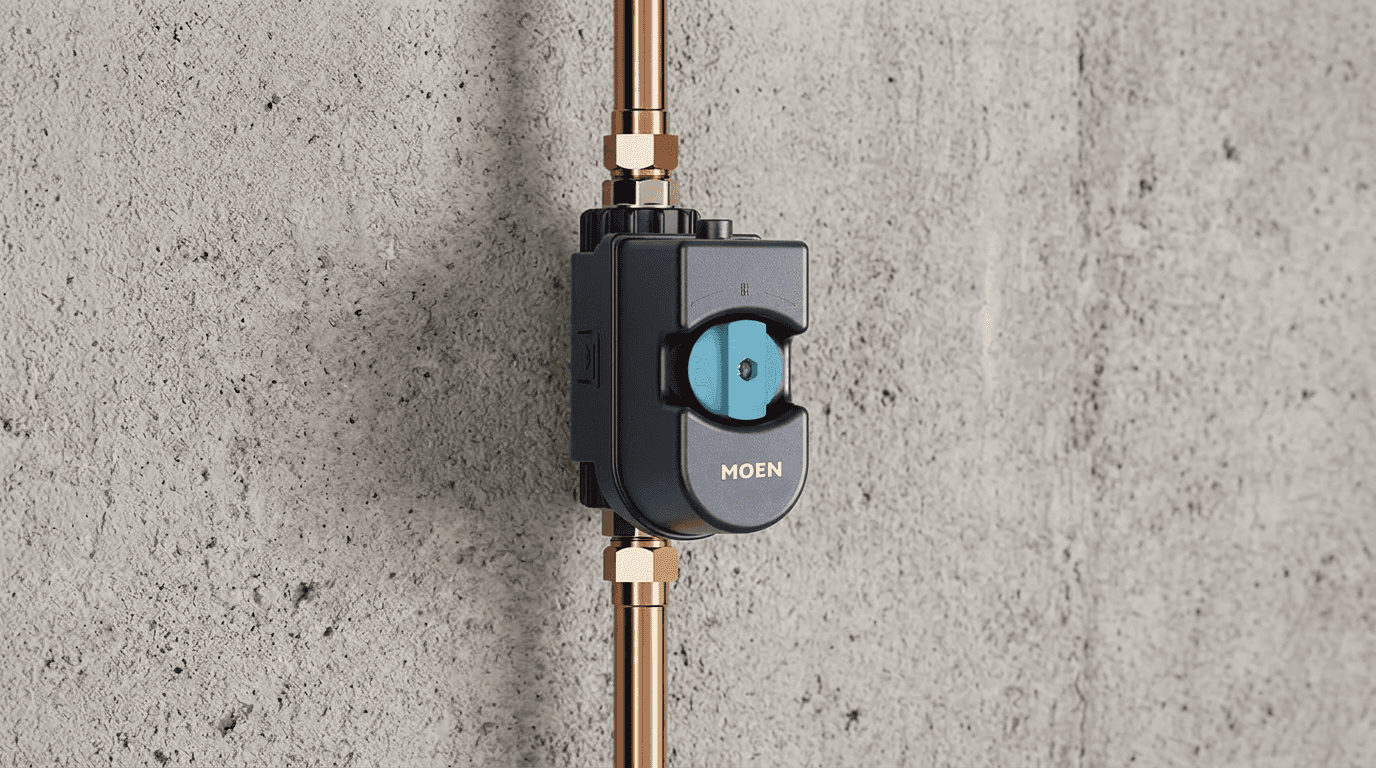
Before you go looking, it helps to know that most Canadian homes on municipal water have two shutoffs, and they belong to two different parties. The first is outdoors, buried near your property line, and it is usually called the curb stop, curb cock, service valve or service post depending on where you live. The second is indoors, where the water service pipe comes through your foundation wall, and that one is the main shutoff this article is about.
The dividing line between them is remarkably consistent across the country. In Winnipeg, for example, the city spells it out plainly: you own the water pipe from your home up to the shut-off valve, usually at the property line, while the city owns the valve itself. Winnipeg even uses that valve as a diagnostic: if a leak stops when the city closes it, the leak is on your side and the repair is yours to arrange with a licensed water contractor.
The indoor valve, meanwhile, is not optional equipment. The City of Guelph notes that these customer-owned master shut-off valves are required by the Ontario Building Code, and that keeping yours controllable and maintained is the property owner's responsibility under the city's bylaws. In other words, testing it is not fussiness. It is part of owning the house.
The curb stop is the city's valve, and the rules differ by city
Here is where things get more local than most online guides admit. In most Canadian cities, the curb stop is operated by utility staff only, and you book them when you need it. Ottawa will turn off your water at the service post if shutting off the basement valve is not sufficient, but it asks for at least three hours' notice through 3-1-1 and warns that response times can stretch at busy periods. Toronto charges a fee for both the turn-off and the turn-on, adds it to your utility bill, and waives only the second visit if both happen within 30 minutes while staff are still on site.
Markham is even more direct about the outdoor box, describing the round metal cover on your lawn or driveway and telling residents to never touch or cover it. Vancouver, interestingly, sits at the other end of the spectrum: owners of smaller service lines can borrow a curb-stop key from the City for free for up to 48 hours, or pay $126 an hour for a weekday crew and $252 after hours. That contrast is exactly why this guide does not tell you to operate the curb stop yourself. The safe default is to treat it as the city's valve and call your utility, unless your own municipality explicitly says otherwise.
Keep the curb box findable
Even though the curb stop is not yours to turn, keeping it accessible usually is. Frost heave can push the little valve box up or down over a winter, and Calgary notes that its service valves may need to be raised or lowered sometimes more than once a year because of freeze-thaw movement, which city crews will fix at no cost if you report it.
The bigger trap is a new driveway. Calgary asks owners to have the valve located and checked and to schedule a pour at least 30 days out, while Guelph warns that a paved-over curb stop may have to be dug up at the homeowner's expense, with the city patching only the hole. So before the interlock goes down next spring, find that small round cover and make sure it stays visible.