| Safety-critical | | | |
| Rotten eggs or sulphur | Natural gas leak | Sharp, skunky, unmistakable — strongest near stoves, meters, or appliances | Leave the building first, then call your gas utility or 911 from outside |
| Fishy or burning plastic | Overheating electrical component | Acrid, melted-plastic — often near outlets, panels, or hot appliances | Shut off the circuit at the panel and call a licensed electrician |
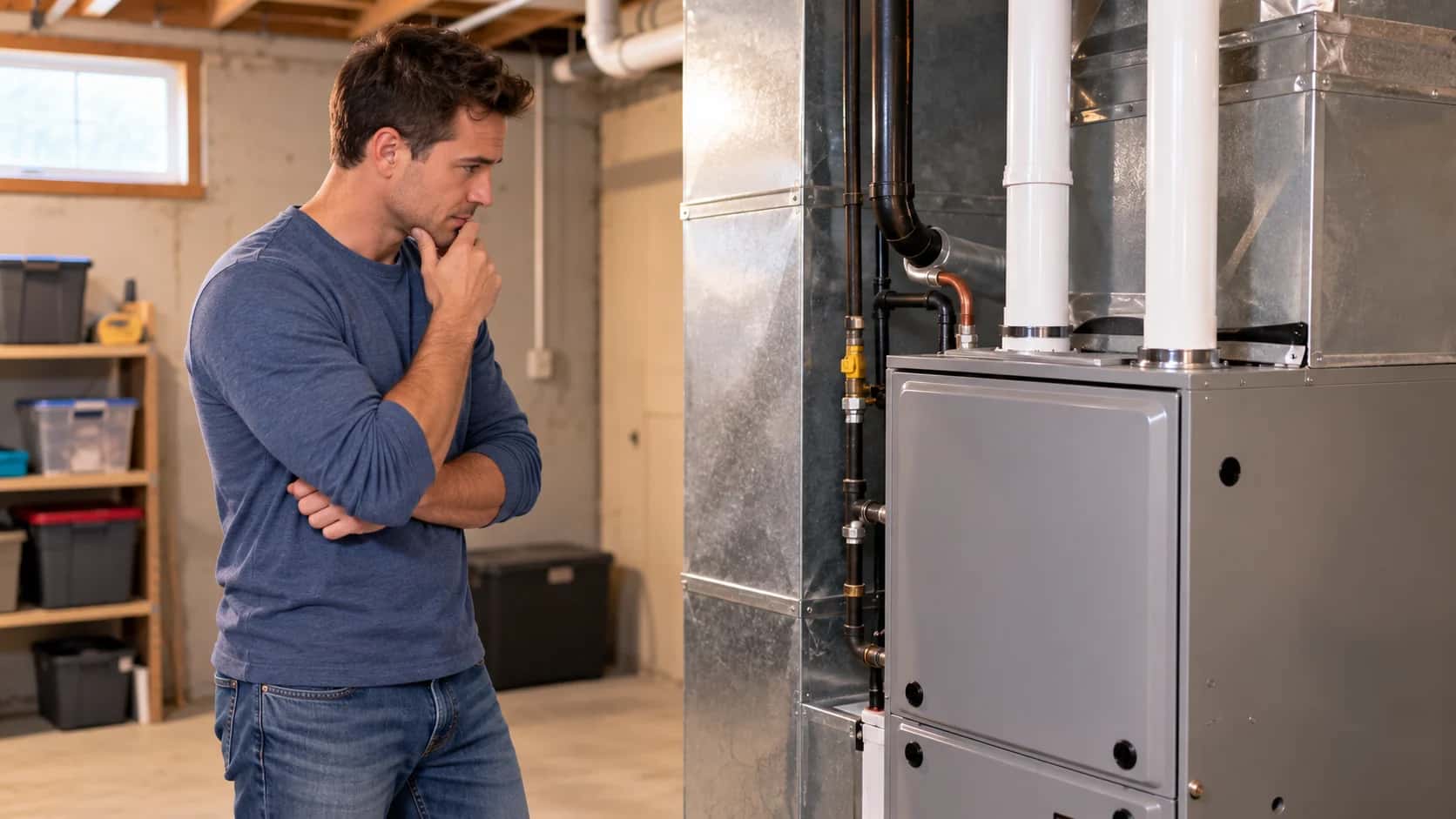
| Exhaust or "car fumes" indoors | Backdrafting combustion appliance | Like a car idling — strongest near furnaces, water heaters, or fireplaces | Open windows, shut the appliance off, and call a qualified fuel-burning-appliance technician |
| Tar or strong campfire | Creosote buildup in a chimney | Heavy, resinous, smoky — lingers after a wood fire | Stop using the fireplace and book a WETT-certified chimney sweep |
| Moisture and mould | | | |
| Musty, damp basement | Moisture load or hidden mould | Wet cardboard, old paper, closed-up closet | Check humidity; investigate visible water or staining; call a pro if it persists |
| Earthy, wet-leaf | Active mould growth | Forest floor after rain, indoors | Find the moisture source and address it before remediating |
| Cat-urine smell without a cat | Advanced mould or dry rot | Sharp, ammonia-like, concentrated in one area | Call a qualified mould or home-inspection professional |
| Pests | | | |
| Sharp ammonia | Rodent urine | Pungent, concentrated in closets, pantries, or attics | Inspect for droppings; seal entry points; set traps or call pest control |
| Sweet, sickly decay | Dead animal in a wall or attic | Heavy, unmistakable once smelled — peaks after days | Locate the source if safely accessible; otherwise call pest control |
| Musky, oily | Cockroach pheromones in heavy infestations | Greasy, slightly sweet — stronger in warm, damp rooms | Deep-clean kitchens and call a licensed pest control service |
| Plumbing and drains | | | |
| Sewer gas indoors | Dry P-trap or vent-stack issue | Rotten eggs from a drain, toilet, or floor drain | Run water in unused drains for a minute; if it persists, call a plumber |
| Rotten eggs from hot water only | Bacteria reacting in the water heater | Sulphur — only present in hot water, never cold | Flush the tank and have a plumber assess the anode rod |
| Sour or rancid from the kitchen sink | Drain biofilm or garburator buildup | Funky, garbage-y, stronger when water runs | Clean the disposal and flush with baking soda, vinegar, and hot water |
| Materials and off-gassing | | | |
| New paint or solvent | VOCs from finishes | Sharp, chemical, eye-watering | Ventilate heavily; choose low-VOC products for the next project |
| New-furniture or cabinet smell | Formaldehyde off-gassing from pressed wood | Plasticky, sweetish, pervasive | Open windows; move air; expect the smell to fade over weeks |
| Strong adhesive or glue | Construction or flooring VOCs | Sharp, pungent, petroleum-like | Ventilate; limit occupancy during the off-gassing window |
| Everyday and lifestyle | | | |
| Old-house musty-dust | Accumulated fabric, dust, aging materials | Closed-up, stale, slightly sweet | Deep-clean textiles and rugs; improve ventilation |
| Lingering cooking smells | Grease on hood filters and soft surfaces | Oily, food-specific, trapped in fabrics | Clean range hood filters; run the exhaust fan longer |
| Stale smoke in a non-smoking home | Thirdhand residue or HVAC drift from a neighbour | Ashtray, dusty-sweet | Seal penetrations; clean ducts; address shared-wall air leaks |
| "Wet dog" without a dog | Damp textiles or humid pet dander | Warm, earthy, slightly sour | Dry out fabrics; lower humidity; launder pet bedding |
| Phantom and outdoor | | | |
| Smells only you notice | Possible phantosmia | Often burning rubber, smoke, or decay | Speak with your physician if it lasts more than a couple of weeks |
| Maple syrup or sweet ambient | Regional outdoor phenomena | Sugary, ambient, not tied to any room | Verify there is no indoor source and carry on |