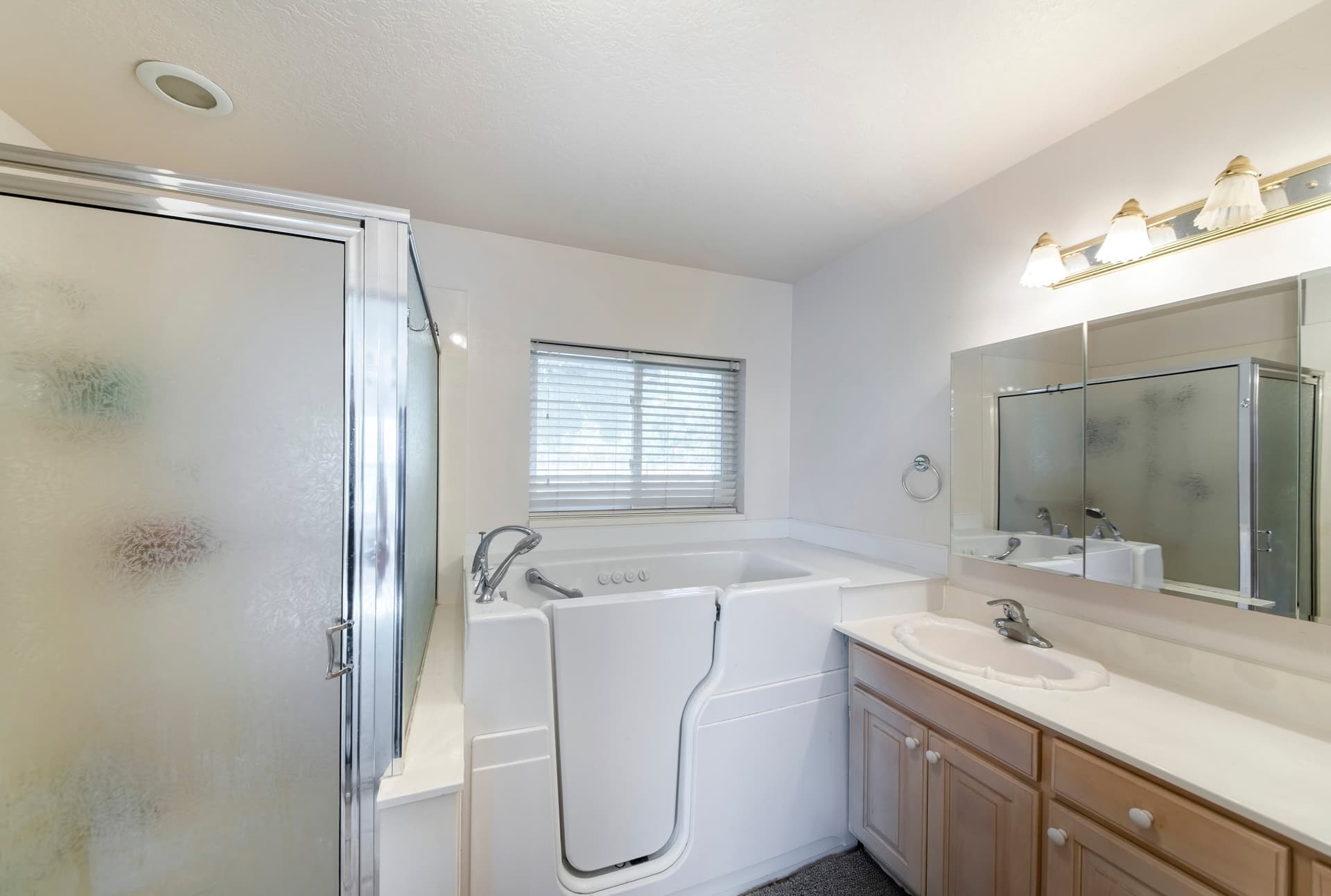
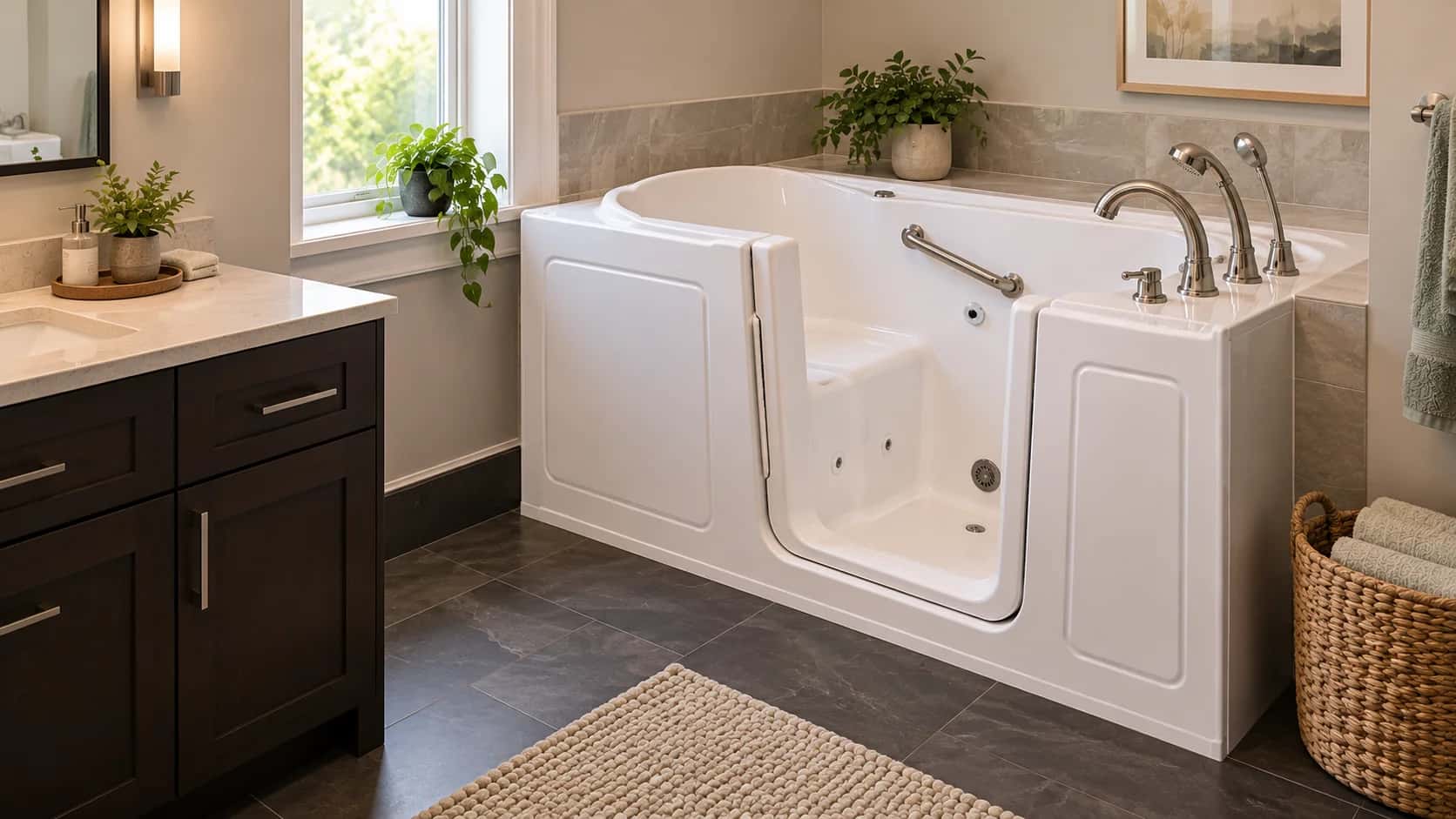
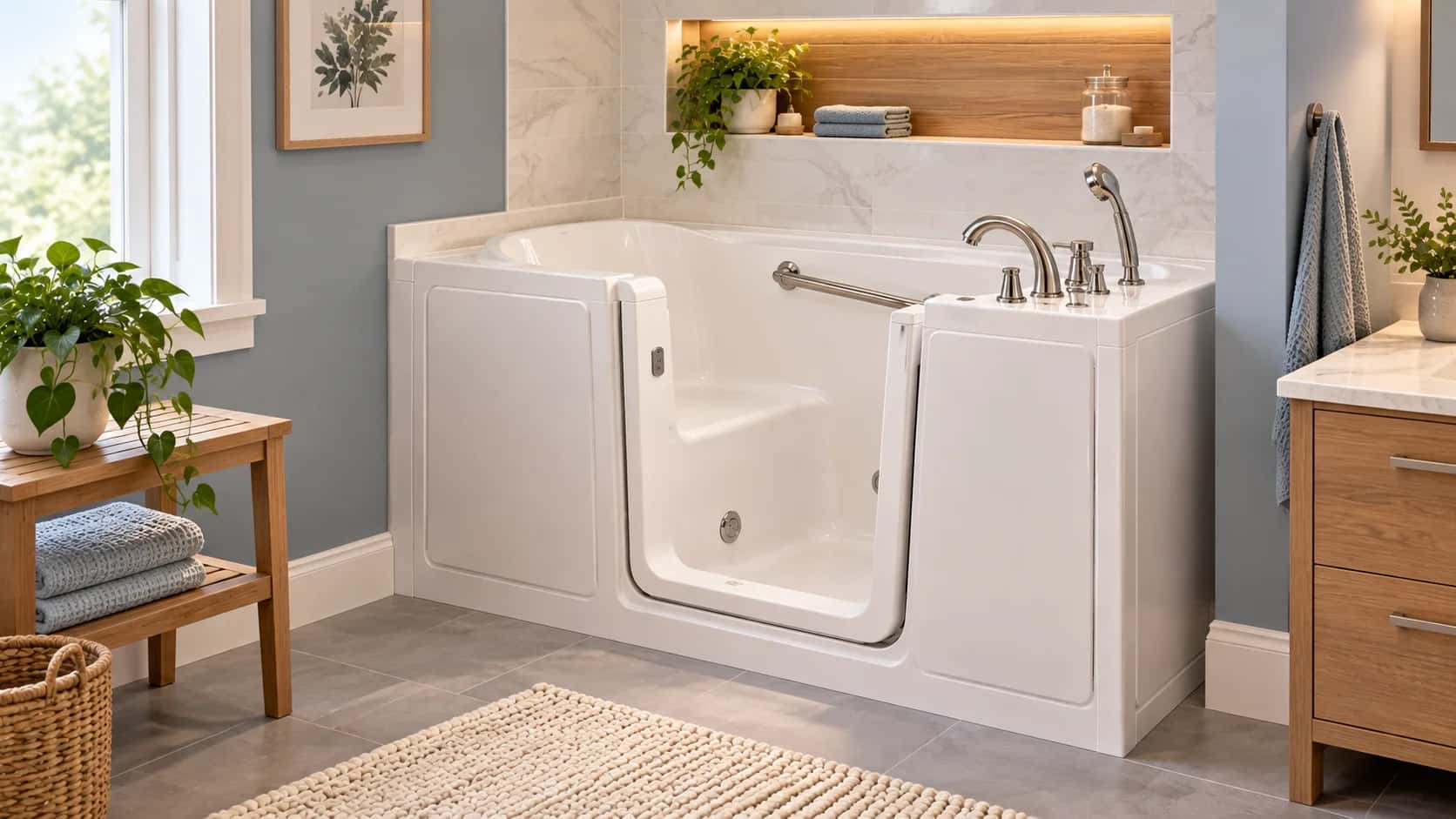
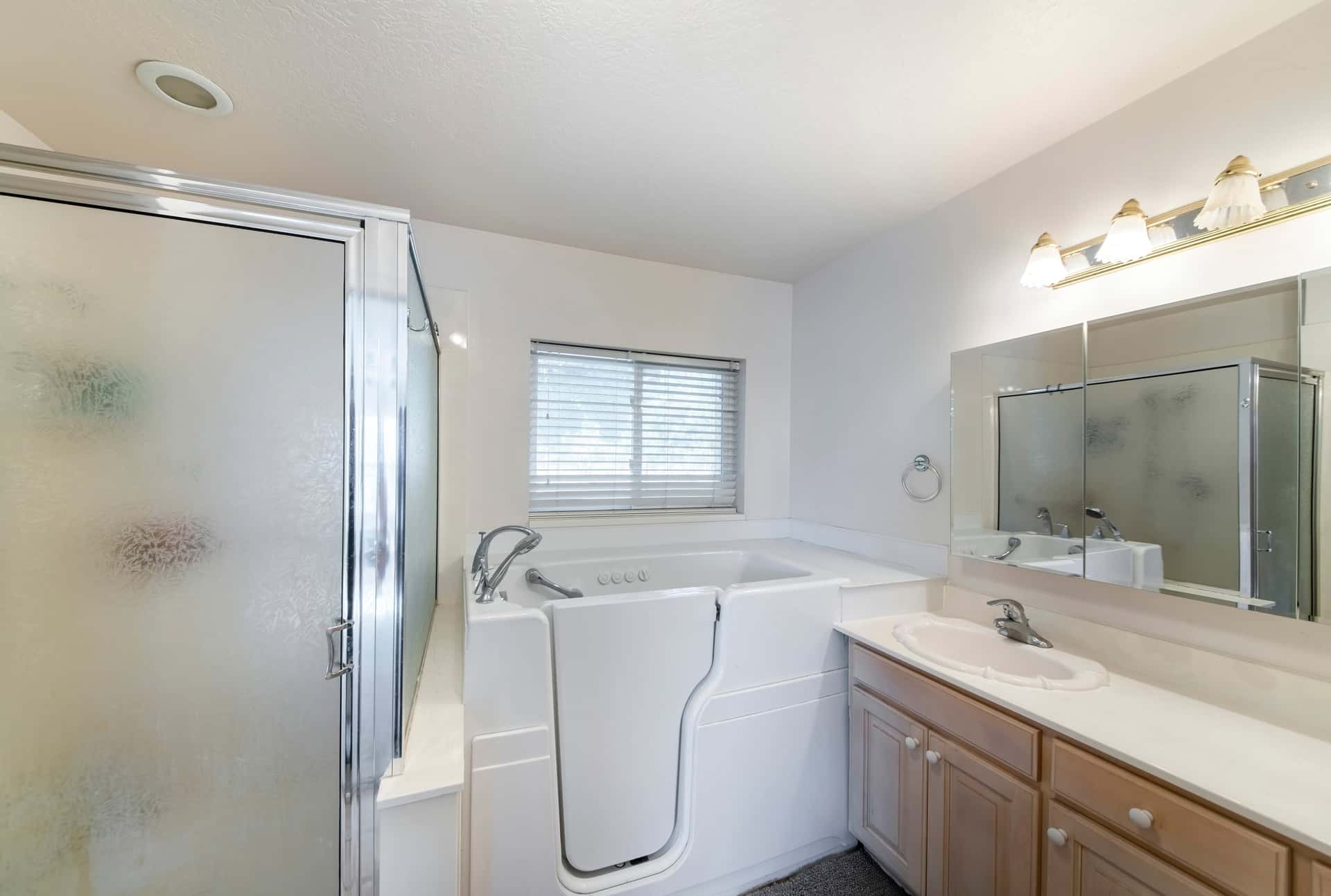
Most walk-in tub regrets trace back to a handful of avoidable decisions. None of them is about the tub's quality.
Buying before measuring the path. The alcove fits; the hallway does not. A 29-inch crate and a 28-inch bathroom door is a bad afternoon.
Ignoring the water heater. A tub that fills lukewarm gets used less, and a lukewarm soak in a sealed tub is uncomfortable for exactly the people the tub was bought for.
Underestimating the electrical scope. A combination tub can need several dedicated circuits. If the panel is full, the project now includes panel work.
Starting before approval. The single most expensive mistake in this category. A signed contract or completed work can disqualify a grant worth $5,000 to $50,000.
Double-claiming in 2026. Claiming the same invoice under both METC and HATC on a 2026 return invites a reassessment.
Choosing jets nobody will clean. A whirlpool needs regular flushing. If the household will not keep that up, an air bath or a soaker is the honest choice.
Getting the door wrong. An inward door needs room for the bather's knees as it swings; an outward door needs clear floor space in the bathroom. Match the swing to the bather's transfer, not the showroom.
Skipping the access panel. Pumps, heaters and valves need service. If tile or a vanity blocks the access panel, every repair starts with demolition.
If a walk-in tub turns out to be the wrong answer, our overview of bathing solutions for seniors lays out the alternatives.