Best When Another Person May Need To Help
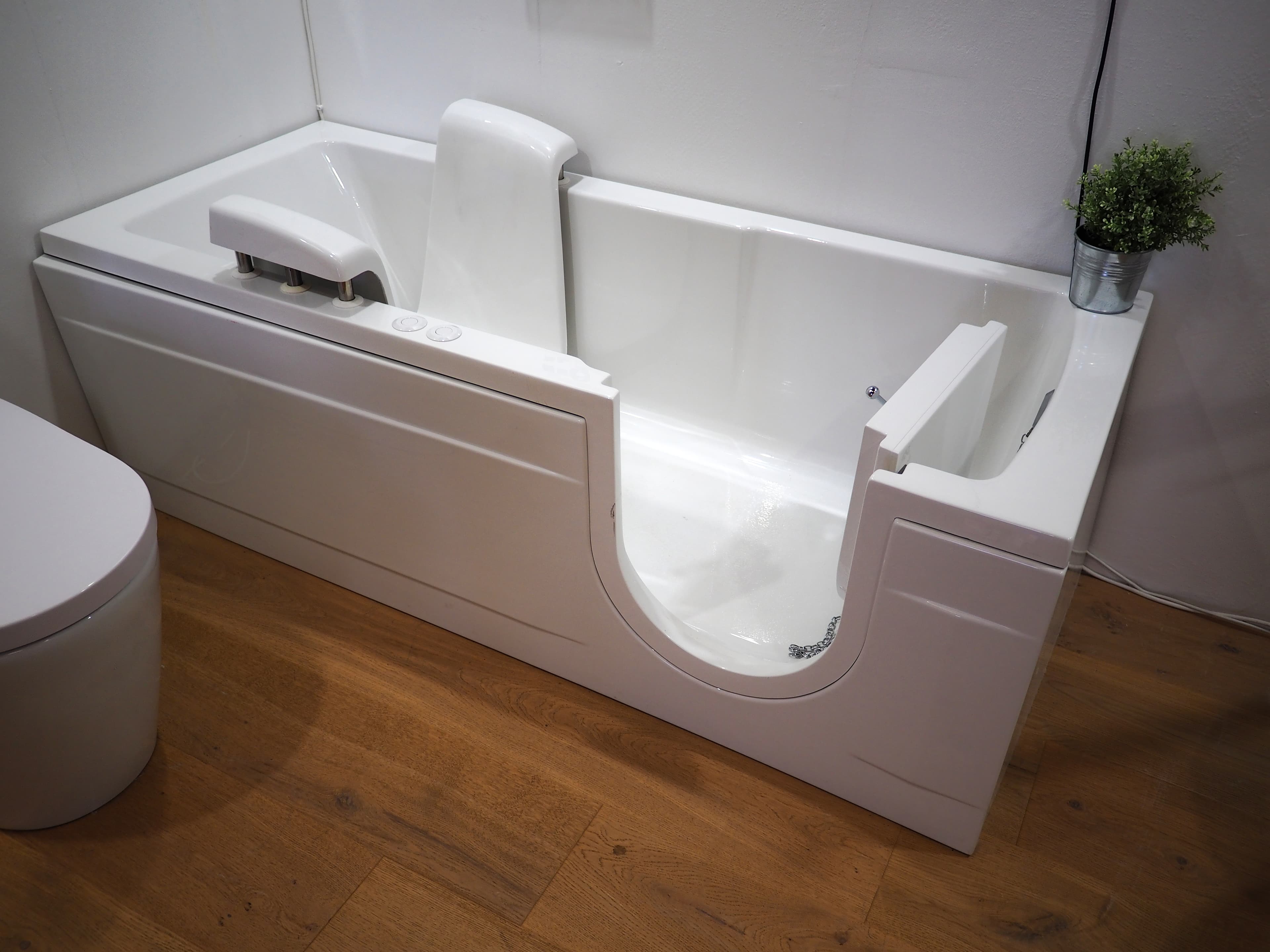
Assisted bathing is not a single product. It is a planning lens. The moment another person may need to steady, cue, wash, or supervise the bather, the decision changes. The room has to work for two bodies, not one, and the safest fixture is often the one that allows help without crowding, twisting, or rushing.
Best fit: This section matters when hands-on help is already happening, when one spouse is the likely helper, or when the family can see that assistance may be needed soon. In those situations, privacy, workflow, and communication become part of the design problem. As Keiro’s bathing and showering fact sheet for caregivers stresses, safer bathing is also about dignity: explaining each step, preserving privacy, and keeping the person as covered as possible while still working safely.
Trade-offs: The biggest mistake here is thinking a grab bar or new fixture alone solves the issue. Assisted bathing usually needs enough space for a helper to stand without blocking the controls or reaching across wet surfaces. It also needs a clear sequence: where the person sits, where the helper stands, how the shower spray is controlled, where towels are placed, and how the door can be opened if something goes wrong.
What To Verify at Home: If assistance is likely, look hard at control placement, handheld shower reach, seat type, and whether the helper can work from outside the main spray zone. Lighting matters more at night. Door hardware matters if the room needs to be entered quickly. And if the current bathroom is so tight that one person can barely turn safely, the right answer may be a layout change rather than a more specialized fixture.
For many families, this is the section that changes the buying decision. A smaller shower or a bench may solve the user’s needs today, but if help is clearly on the horizon, planning for assisted access now can prevent a second round of renovation later.