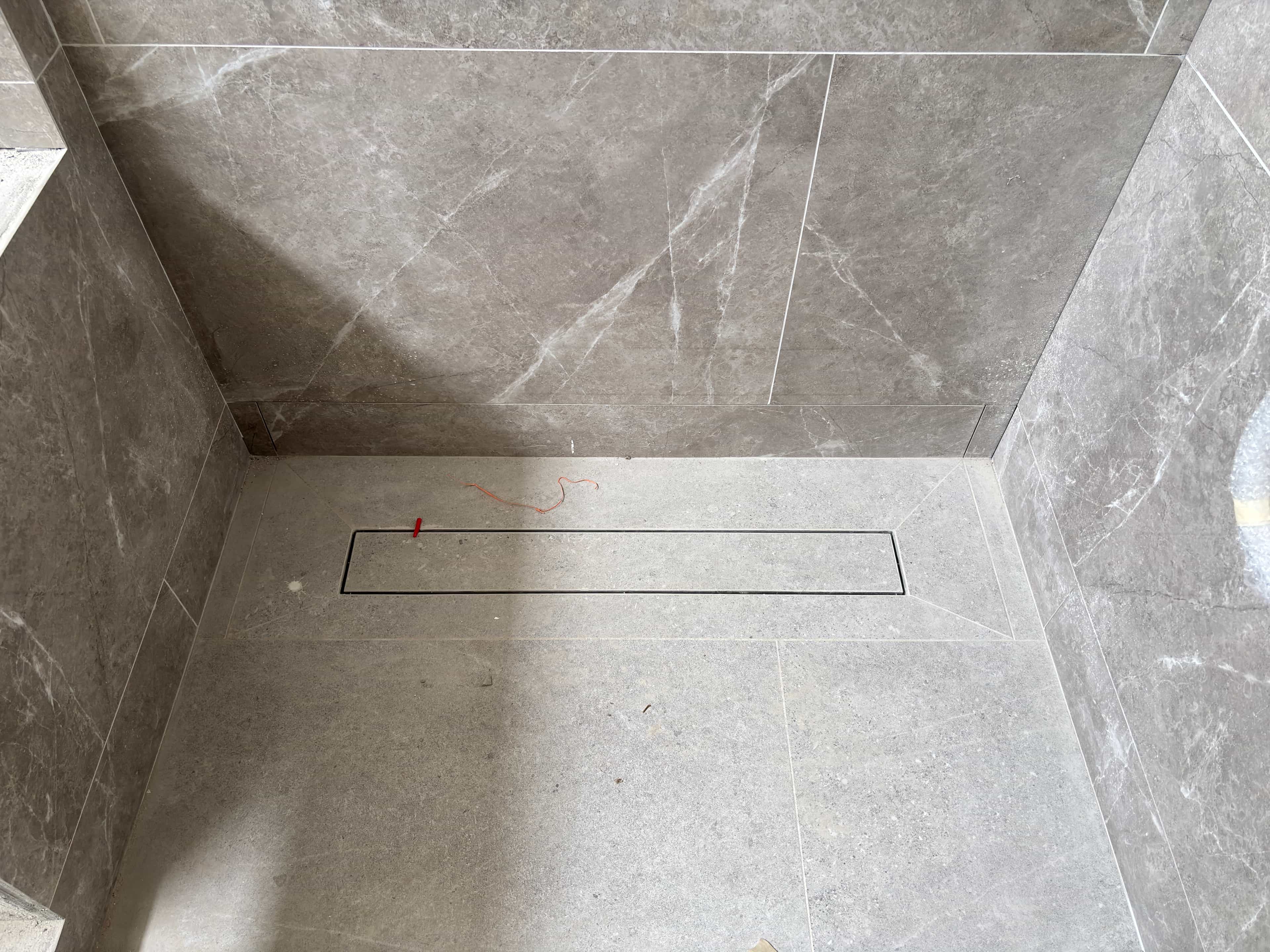
Bathroom renovations often get framed as comfort upgrades—until someone slips. In Canada, the fall-risk math is hard to ignore: falls drive the majority of seniors’ injury-related hospitalizations and are the direct cause of most hip fractures, as summarized in the Public Health Agency of Canada infographic on seniors’ falls which distills national findings into plain language.
What’s more important for homeowners is where these injuries happen and why they keep happening. Home falls commonly lead to chronic pain, reduced mobility, and loss of independence, and fear of falling can trigger a cycle where people move less, get weaker, and become more likely to fall again, as described in the Public Health Agency of Canada Safe Living Guide for seniors in its discussion of fall impacts and prevention.
An accessible tub-shower combo is one of the highest-impact places to intervene because it sits at the intersection of wet surfaces, tight clearances, and awkward body movements. But choosing “accessible” features is not the same as choosing fall-reducing features. A stylish walk-in tub with a seat can still be risky if the threshold is high, the floor is slick, or the handholds are poorly placed.
This guide works like a decision framework. Instead of starting with brands or product brochures, you’ll start with the actual movements that cause falls—stepping, turning, lowering, rising, and reaching—and then match features that make those movements safer. The goal is simple: reduce fall risk now, and keep the bathroom functional as mobility changes over time.