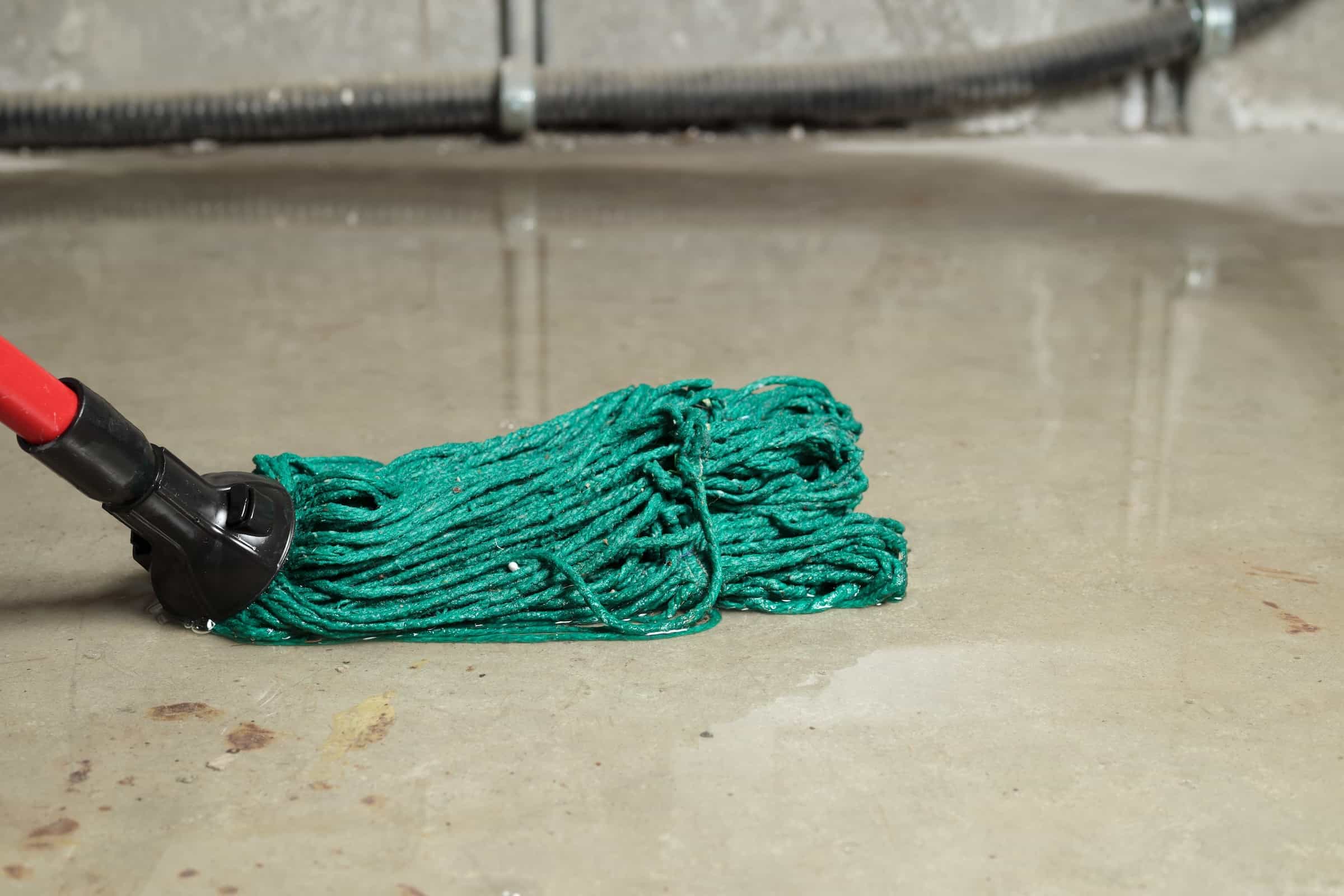
Walk-in tubs are sold on independence and safety, but the real make-or-break detail is the door: how it swings, how it latches, and how it seals. If the door system isn’t matched to your bathroom layout—or if it’s difficult to operate consistently—you can end up with recurring drips, puddles on the floor, and a lot of frustration.
For Canadian homeowners, the door decision is more than a showroom preference. Many homes have compact bathrooms (especially condos and older housing stock), water quality varies widely by region, and winter heating seasons can change indoor humidity in ways that affect seal materials over time. Add mobility needs, caregiver support, and the reality that a walk-in tub must stay closed until it drains, and you start to see why “just pick a tub” isn’t enough.
This guide focuses on the parts of a walk-in tub door that actually control leakage: in-swing vs out-swing mechanics, common seal types, and the practical habits that keep the system watertight. The goal isn’t to push one style—it’s to give you a reliable way to compare options based on how you live, how your bathroom is laid out, and what failure modes you want to avoid.
Think of this as a door-first checklist. If you get the swing, seals, and maintenance plan right, most of the leak problems people complain about become either preventable or quickly diagnosable.