Who can claim
The Home Accessibility Tax Credit (HATC) is a non-refundable federal credit for renovations that make a home safer or easier to use. The person the work is for, called the qualifying individual, must be 65 or older at the end of the year or eligible for the disability tax credit at any time in the year. A spouse and many relatives who support that person can also claim, and the claim can be split between them.
What counts
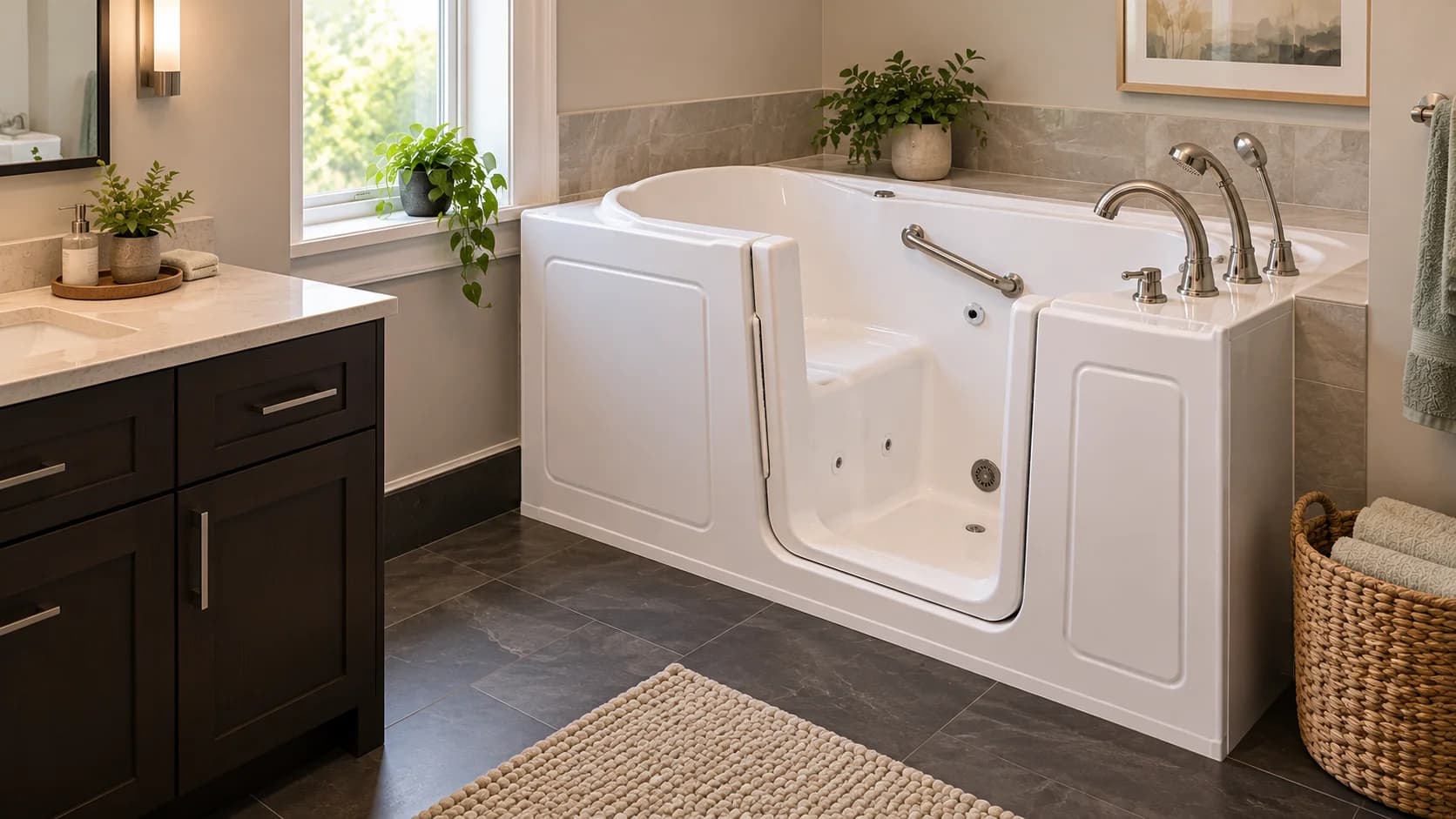
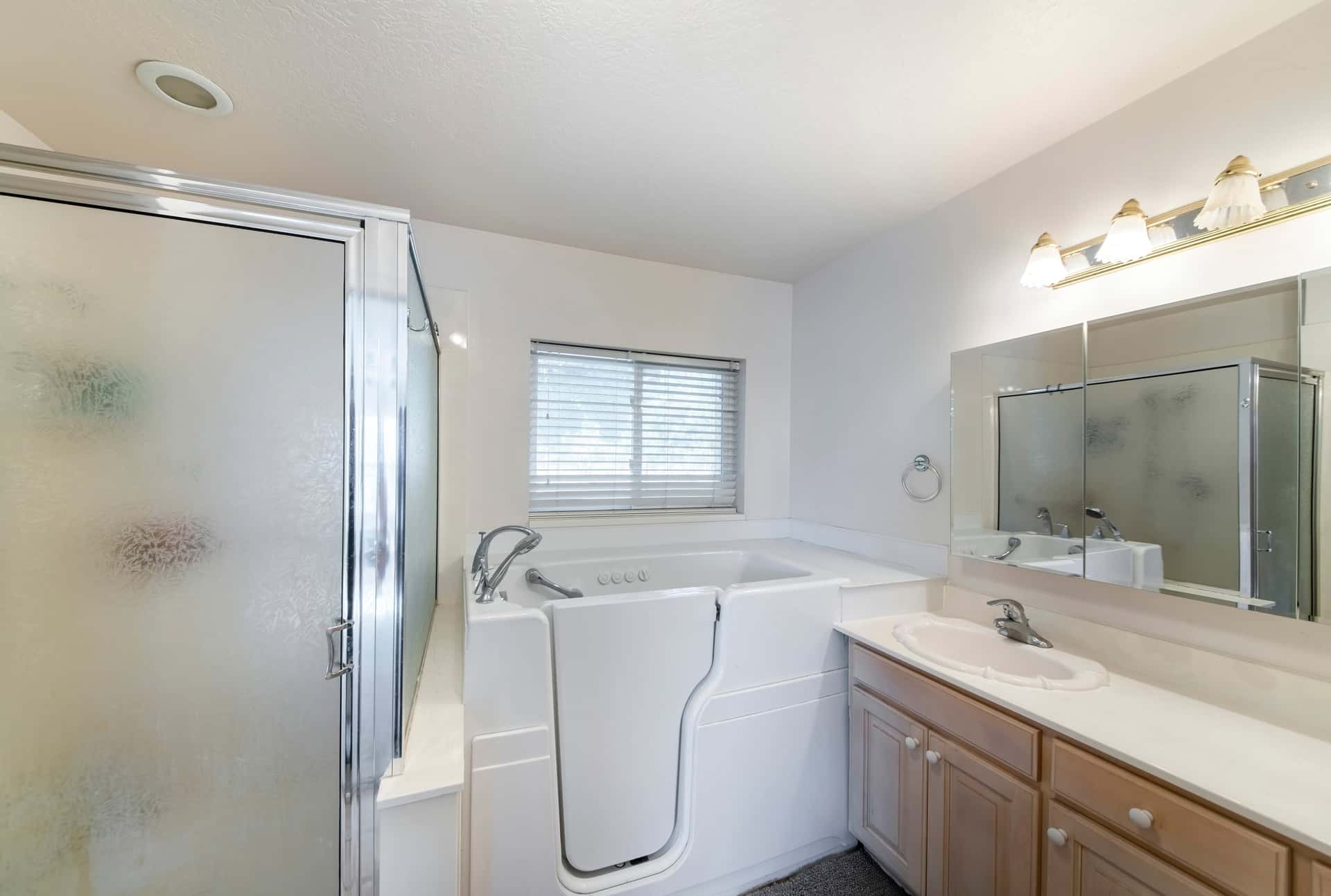
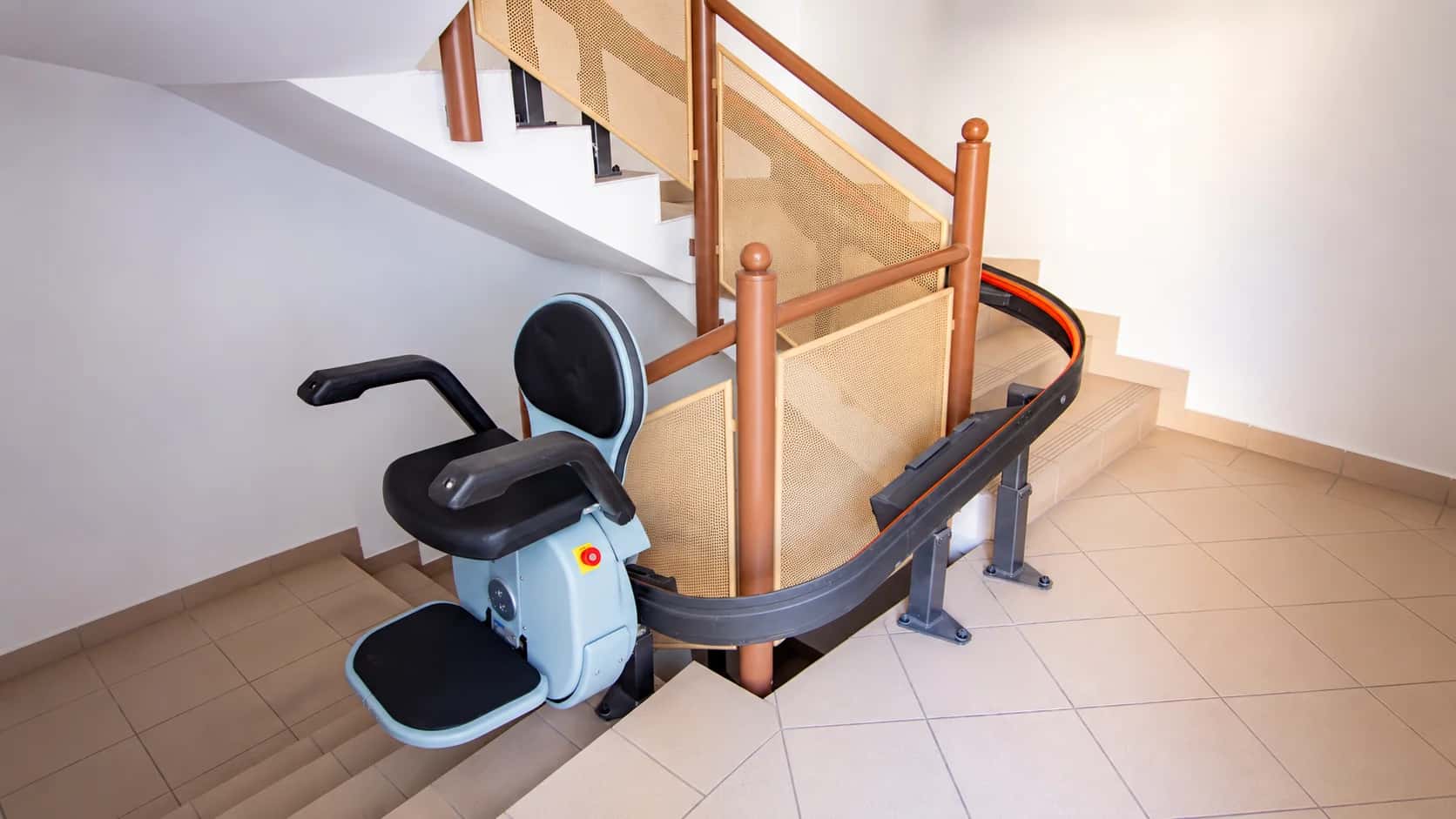
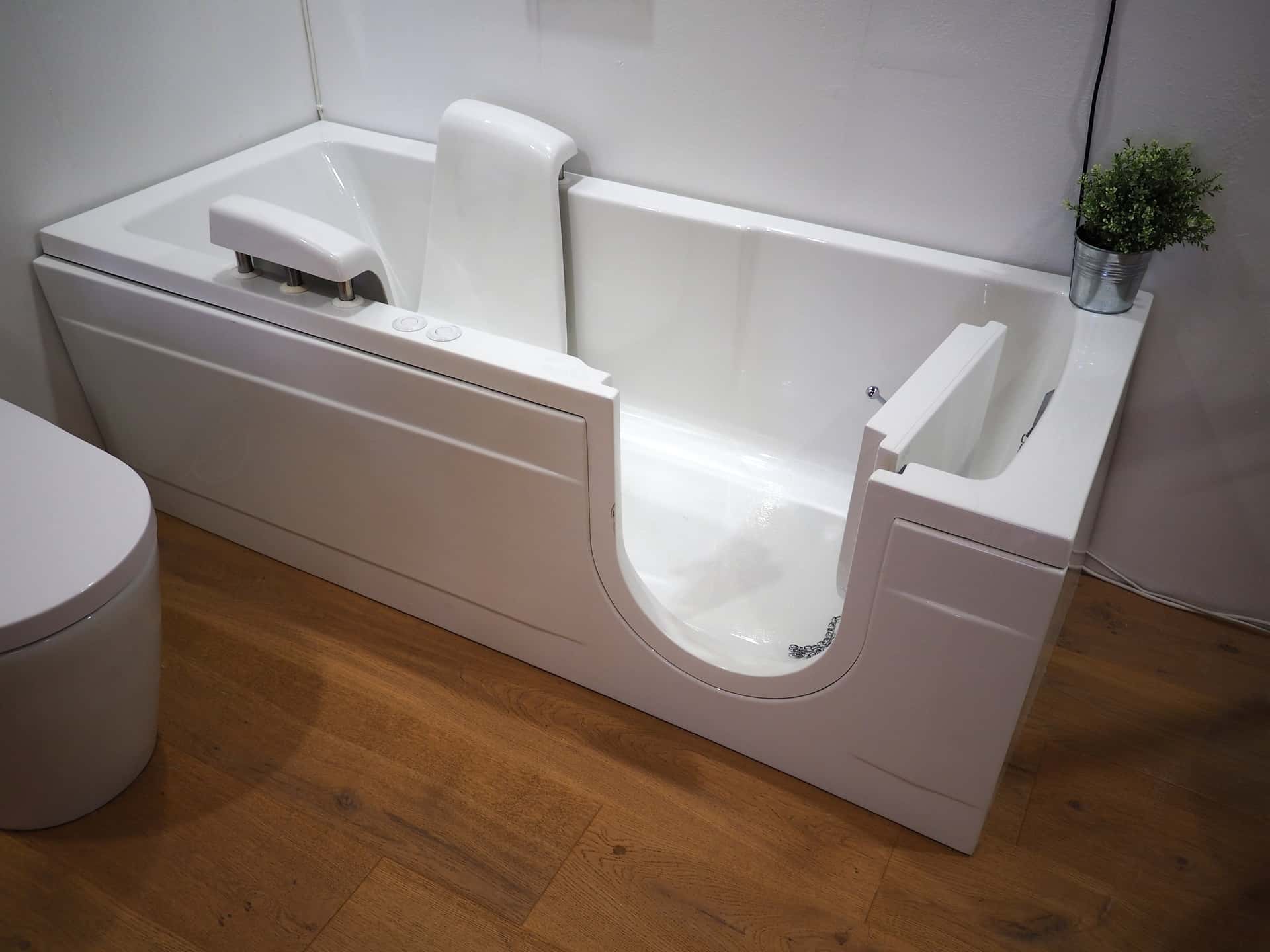
The Canada Revenue Agency's HATC page sets the test: the renovation must be enduring and integral to the home, and it must either help the qualifying individual get into or move and function within the home, or reduce their risk of harm there. A professionally installed walk-in tub generally fits that description. Household appliances, routine repairs and financing costs do not count.
Eligible expenses are capped at $20,000 per year, per qualifying individual, and per dwelling when two qualifying people share a home. For 2026, most federal non-refundable credits are calculated at the 14% lowest tax rate, so the maximum federal value of the HATC is $2,800.
A worked example
A 72-year-old in Winnipeg pays $12,000, before tax, for a soaking walk-in tub, a new drain line and a grab bar in 2026. Multiply $12,000 by 14% and the HATC reduces federal tax by $1,680. Because the credit is non-refundable, it only helps if there is federal tax to reduce. If the homeowner's own tax bill is small, a spouse or eligible relative with more tax payable may be the better claimant.
What else the CRA says
Three details from the same CRA page are easy to miss. Government grants and forgivable loans do not reduce the HATC claim, so a grant and the credit can work together. Condo and co-op owners can claim their share of eligible common-area work. And work done by a relative only counts if that relative is registered for GST/HST.
Keep every invoice. CRA expects them to show the contractor's name, business address and GST/HST number, a description of the work, the dates, the amount and proof of payment. You do not file them with your return, but you need them if CRA asks.