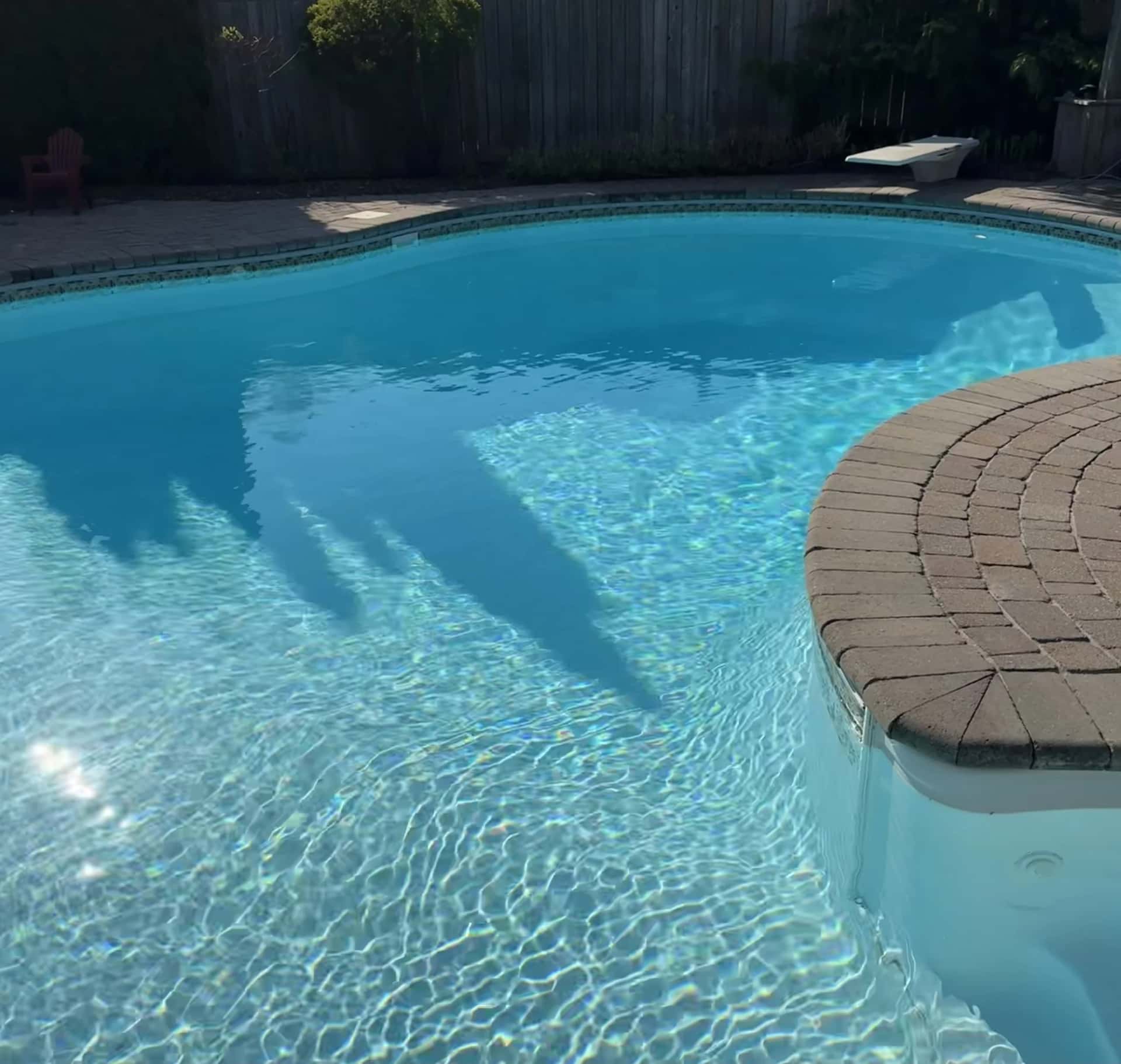
Ask a builder how long the project takes and the honest answer is "it depends, mostly on things neither of us fully controls." A realistic Canadian inground build runs roughly six to twelve weeks of active construction, with custom or difficult sites stretching longer — and that clock does not start until permits are in hand, which can add several weeks of its own on the front end.
The Phases, From Consultation to Handover
The sequence is predictable even when the dates are not. It moves from design and consultation, to permitting, to layout and excavation, to the structural shell (gunite, fiberglass, or vinyl, each with its own pace), to plumbing and the equipment pad, to decking and the enclosure, to inspections, and finally to fill, startup, and handover. Each phase hands off to the next, which is why a delay early — a permit that takes an extra three weeks — pushes everything behind it.
Set milestones against those phases, not against a single finish date. Agree on a communication cadence up front: who updates you, how often, and through what channel. A weekly check-in tied to the current phase prevents the most corrosive part of a build, which is silence. Outdoor projects with sequenced trades all share this rhythm; the same discipline that keeps a driveway repaving project on schedule applies to a pool.
Where the Schedule Actually Slips
Delays cluster in five places, and four of them are foreseeable. Permits slip when applications are incomplete or municipal queues are long. Weather slips the dig and the concrete cure, which in much of Canada compresses the whole build into a short season. Inspection scheduling slips when no one booked the inspector with enough notice — some municipalities require 48 hours or more, and the final enclosure inspection gates your fill date. Supply slips when equipment or finish materials are back-ordered. And change orders slip the schedule every time the scope moves mid-build. You cannot eliminate these, but you can ask each builder how they handle them — and the quality of that answer is itself a data point.