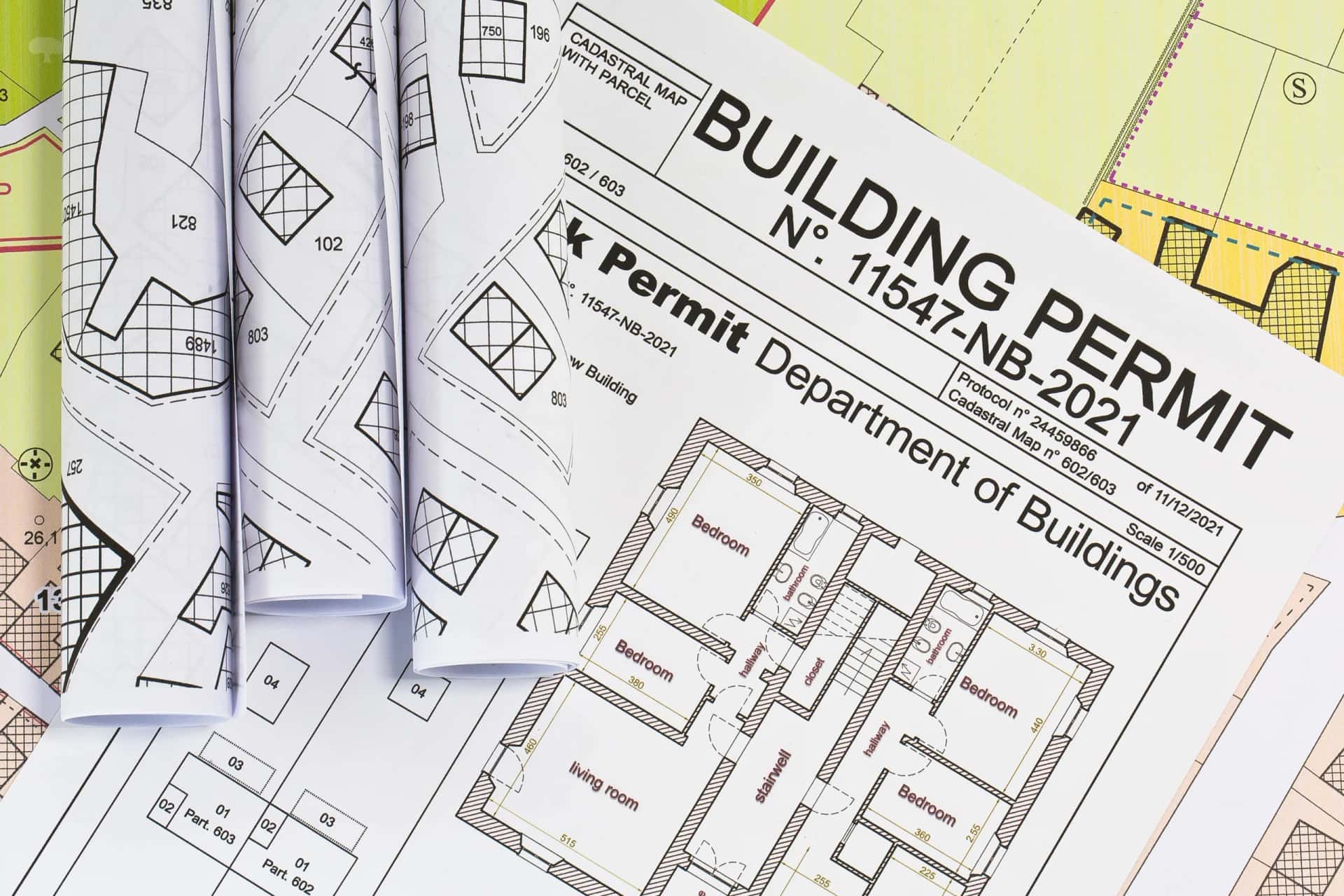
If you've ever stood in your backyard imagining where the deck would go, you've probably also wondered whether you need to call the city before breaking ground. It's one of those questions that sounds like it should have a single Canadian answer — and it doesn't. Deck permits live at the municipal level, under a provincial code, which means the rules on your street can look different from the rules two towns over.
I've lived this process personally. When my partner and I built the deck at our first home, we went through exactly the sequence this article describes — and I'll admit, the permit step felt like overkill before it started. A call to the city, a zoning check, a site plan with measurements, inspections at specific stages. But by the end, it wasn't the slow part of the project. It was the part that let everything else move confidently, because we knew the footings met code, the guards were the right height, and the deck actually belonged where we'd put it on the lot. The lesson we carried forward — and the one I'd pass to anyone starting out — is simple: make sure every box is checked before you begin. The checks don't disappear if you skip them. They just turn into problems later, usually the expensive kind.
Here's the reassuring part: once you understand how the system is layered, the process is much less intimidating than it looks from the outside. A permit isn't a bureaucratic obstacle dropped in your path. It's a structured check on three things — where the deck sits on your lot, how it's built, and whether anything else on your property (a conservation area, a strata, a heritage designation) needs a say. Understanding those three lenses before you pick up a shovel will save you time, money, and the specific heartbreak of having to take a finished deck apart.
This guide walks you through the whole decision — from the federal-versus-provincial framing, through the height and size thresholds that usually trigger a permit, to the approvals most homeowners don't realize apply to them. We'll look at what happens when you skip this step, correct a few common misconceptions, and close with the exact sequence for confirming what your specific project needs. By the end, you'll know which phone calls to make first and which questions to ask.