Drainage matters more than the roof itself
You don't need to get on the roof to deal with the drainage risk. Most of the useful work today happens where the water leaves the house.
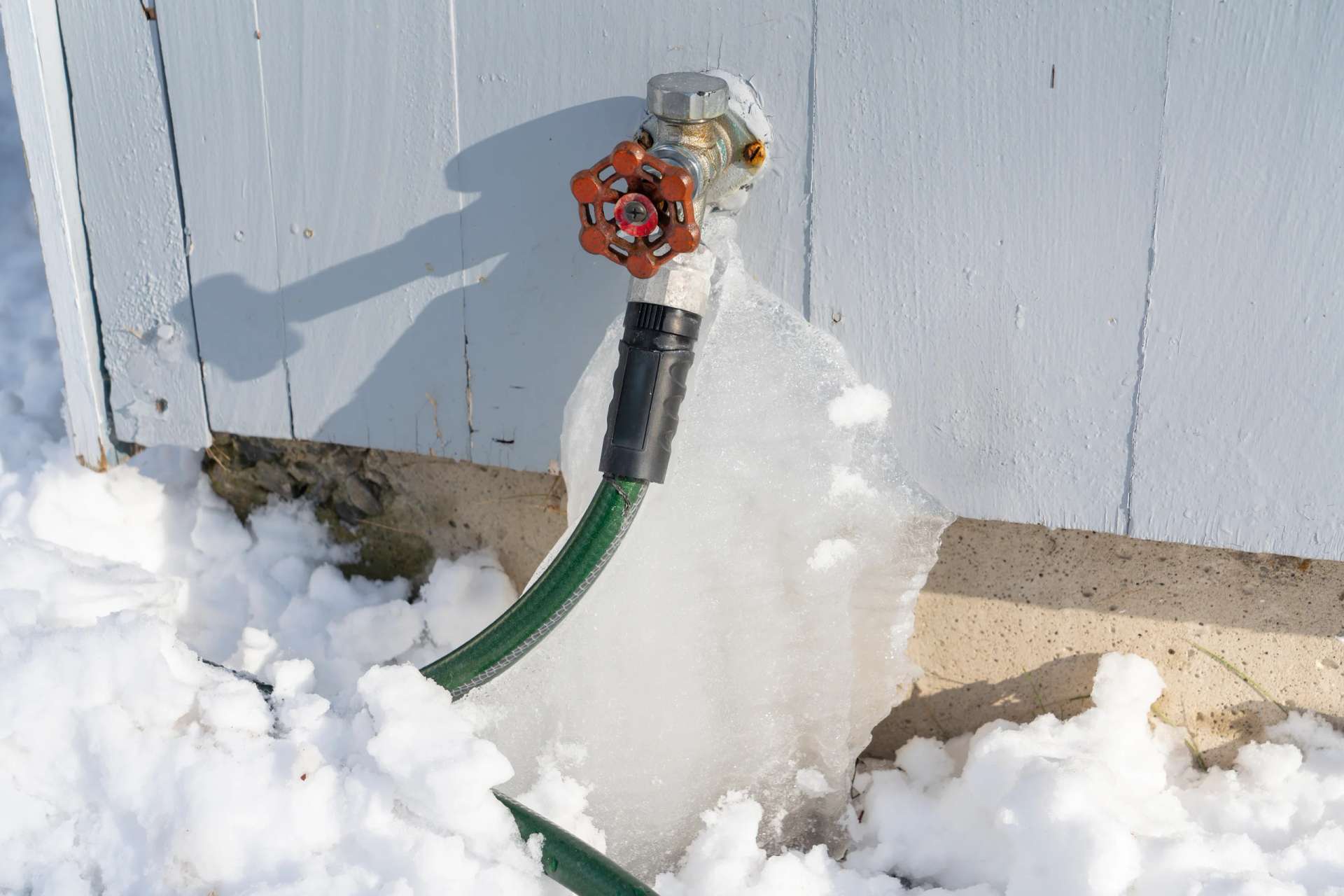
Start at the downspout outlets. Dig out the discharge end and any extension so meltwater has an open path away from the foundation. Wet snow at temperatures near zero will start melting as soon as there's sun on the roof. If the outlet is buried, that water backs up into the downspout, freezes, and leaves the eavestrough above with nowhere to drain.
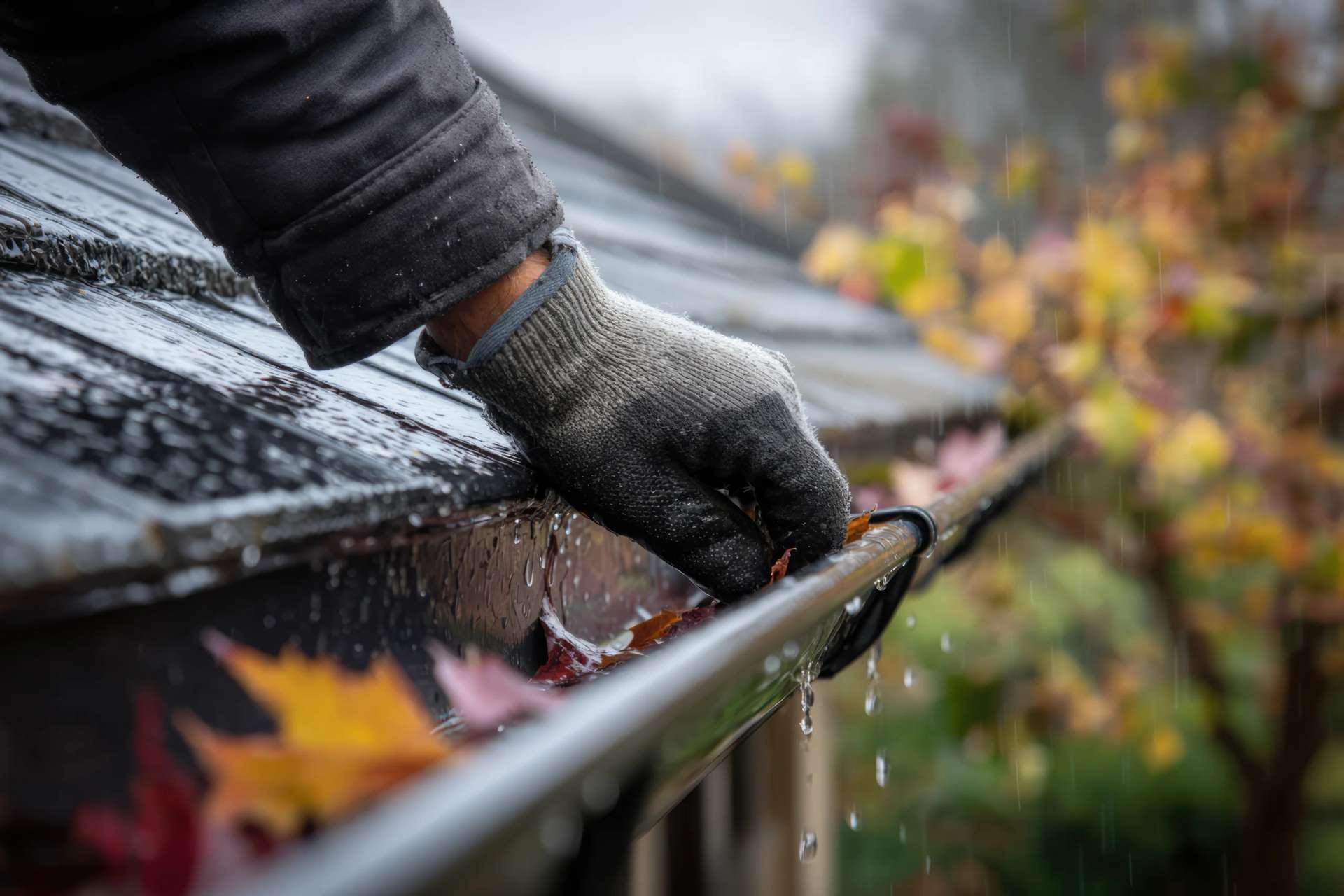
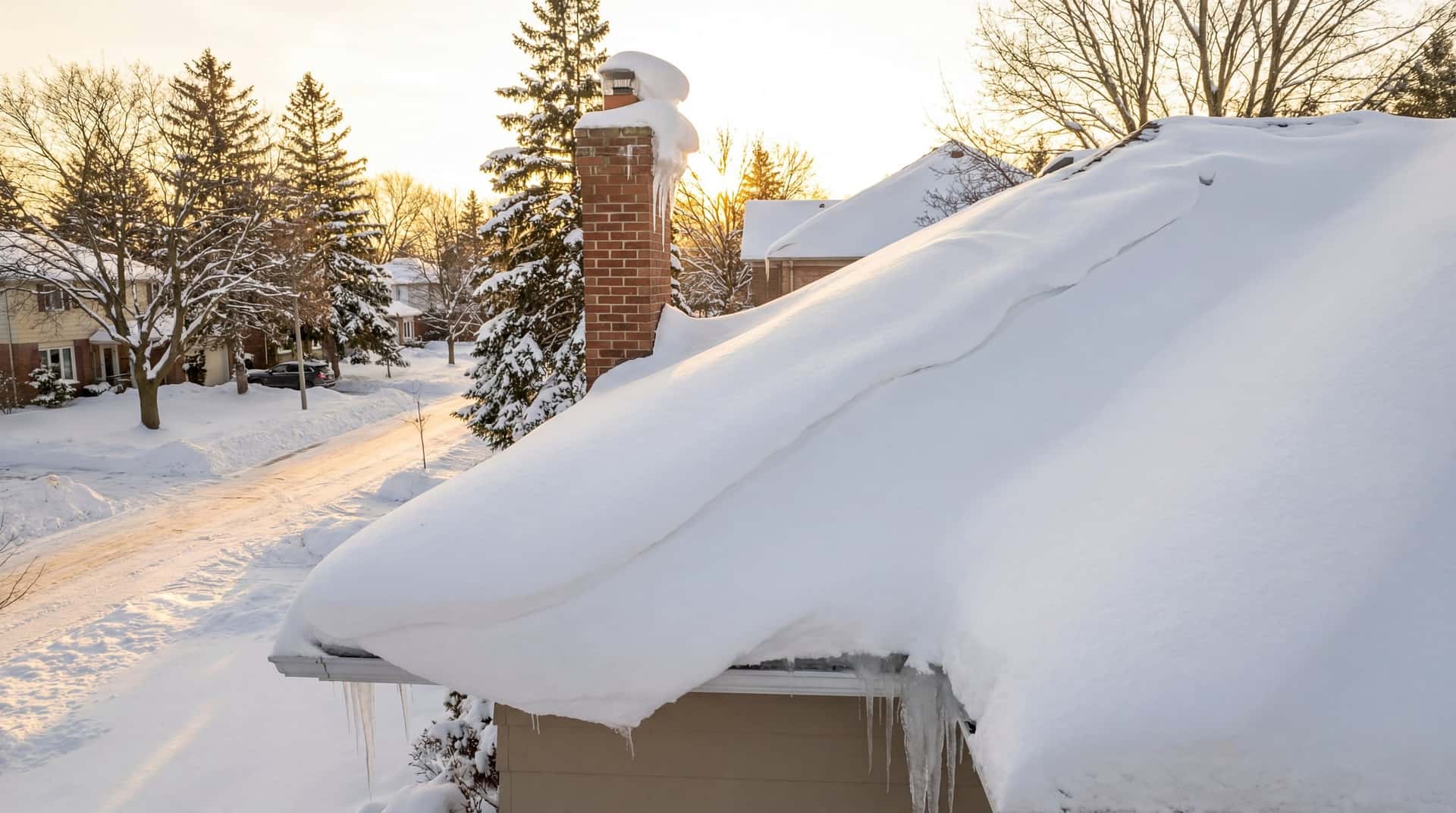
From the ground, look along the eavestroughs for sagging sections, hangers pulling away from the fascia, or icicles forming. The Insurance Bureau of Canada recommends checking eavestroughs and roofs for ice dams and icicles, and keeping snow and ice well clear of gas meters, appliance vents and basement window sills. Icicles above a meter or vent pipe are worth dealing with, because water dripping from them can freeze over the equipment. Remove only the ones you can reach from the ground with a broom handle while standing well to one side. Never stand underneath them.
Ladders can wait. CAA-Québec advises never climbing onto the roof and never using an axe, pick or hammer on roof ice. In this storm, wet snow and a slick surface at the bottom of the ladder make even a short climb a bad idea. If something on the roof edge needs hands-on work, call a roofer.
The timing is the reason to do this today rather than at the weekend. Calgary's Environment Canada forecast has highs around zero on Thursday, then lows dropping to minus 6, minus 8 and minus 11 over the following nights. Snow you leave in a downspout outlet tonight will be ice by Saturday.
If ice dams have caused trouble at your house before, Homeowner.ca's survival guide to ice dams, snow loads and winter roofing problems explains the attic-side causes that are worth fixing once this storm has passed.