There is one more forecast in this story, and it is the only one that tells you how much to trust it.
Environment and Climate Change Canada runs its own operational seasonal forecast system, called CanSIPS, which publishes station-by-station probabilities for temperature and precipitation. What makes it different from everything else discussed here is that each forecast arrives with a skill percentage attached, a plain statement of how much confidence the model itself places in the prediction. In the issue covering August through October, released on 1 August, skill sat in the medium band at stations across the country — 40 at Winnipeg, 43 at Thunder Bay, 50 at Prince George and Yellowknife, 57 at Victoria and Whitehorse.
Notice what that means. Even Canada's own model, run by the country's climate agency, describes its confidence as medium rather than high, and it says so out loud. Neither almanac publishes a number like that. This is not a reason to dismiss the almanacs; it is a reason to hold every seasonal forecast, including the government's, more loosely than a headline invites you to.
The winter edition of that outlook has not been issued yet. When it arrives, it will be the most informative single document available on this question, and it will come with its own confidence score so you can weigh it honestly. That is the thing to watch, and it is why the December half of your list can wait for it.
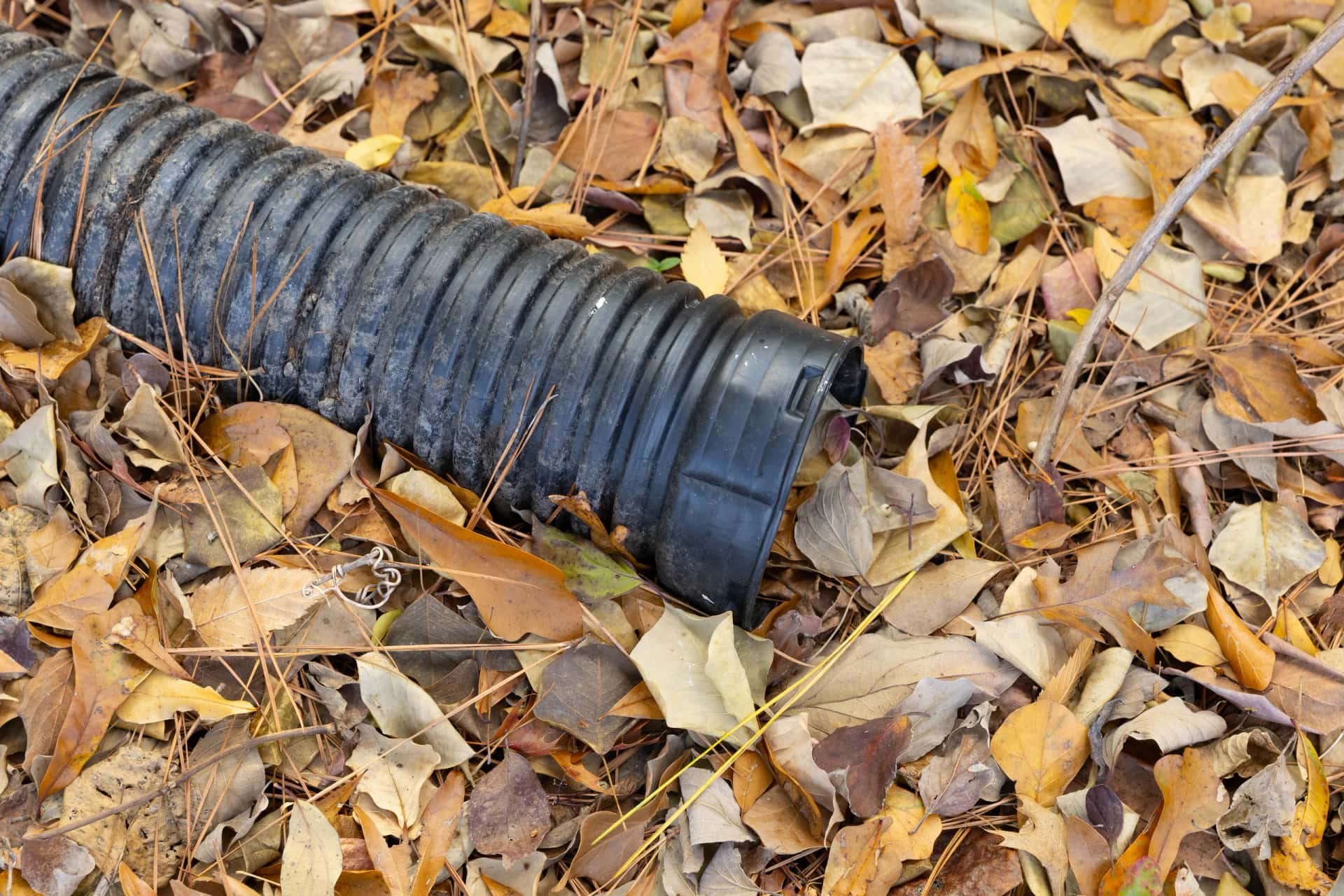
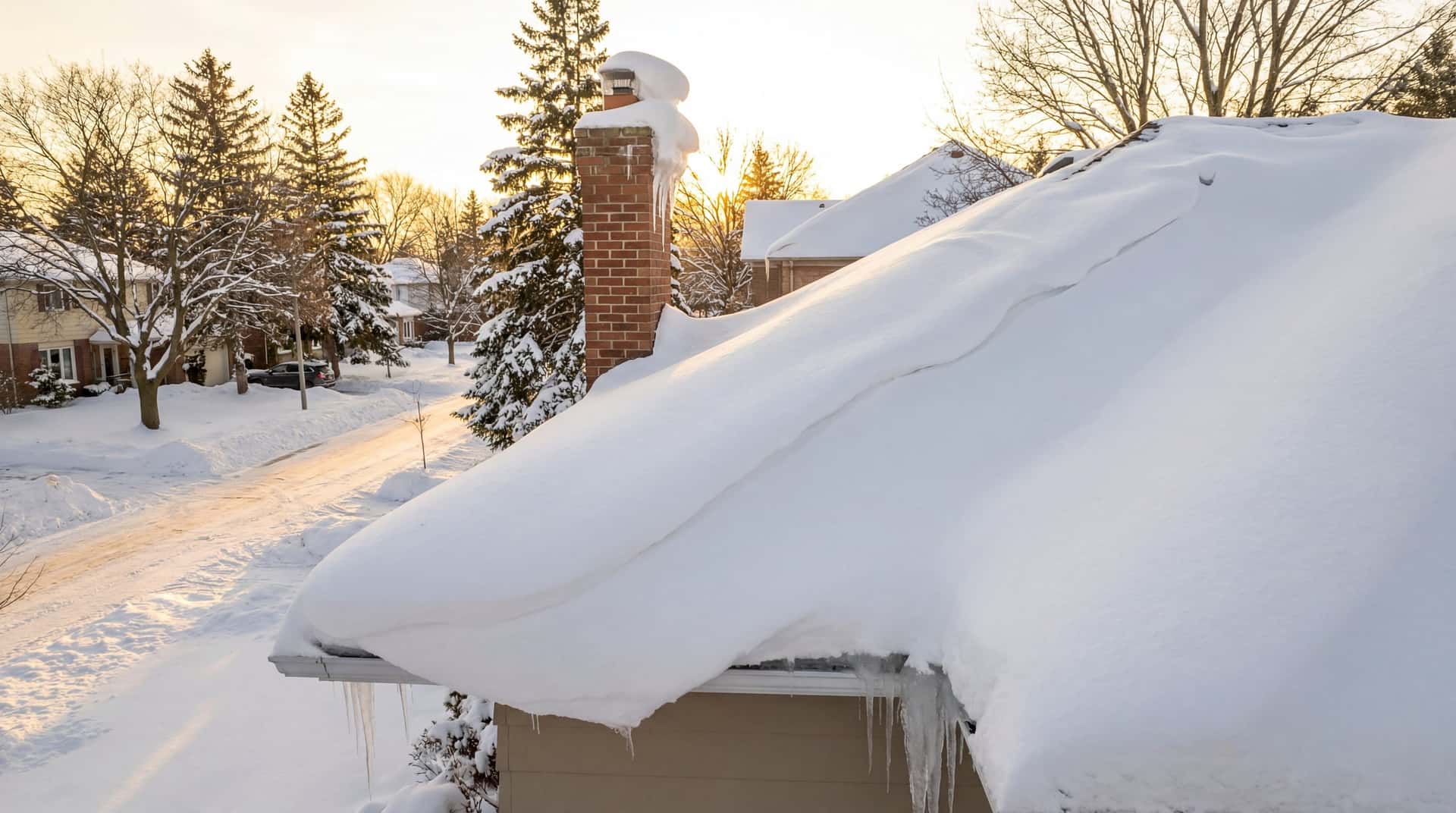
In the meantime, the honest summary of winter 2026–27 is that we do not know, several credible sources disagree, and the disagreement itself has told you what to do. Seal the attic. Clear the gutters. Put an alarm on every floor. Make the insurance call. Then let the season show its hand before you spend the rest.